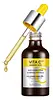
This brightening ampoule is formulated around Niacinamide and 3-O-Ethyl Ascorbic Acid to fade the look of dark spots and soften the look of wrinkles.
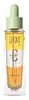
This brightening oil is formulated around Squalane and Tocopheryl Acetate to brighten dull-looking skin and hydrate skin.


What's inside
What's inside
 Key Ingredients
Benefits
Concerns
Ingredients Side-by-side
Glycyrrhiza Uralensis Root Extract
Skin Conditioning


Hippophae Rhamnoides Water
Masking
Glycerin
Humectant

Methylpropanediol
SolventButylene Glycol
Humectant
Niacinamide
Smoothing







Diethoxyethyl Succinate
Solvent1,2-Hexanediol
Skin Conditioning
Tocopheryl Acetate
Antioxidant

Water
Skin Conditioning3-O-Ethyl Ascorbic Acid
Skin Conditioning
Bifida Ferment Lysate
Skin Conditioning
Tranexamic Acid
Astringent
Sodium Polyacryloyldimethyl Taurate
Emulsion StabilisingChlorella Vulgaris Extract
Skin ConditioningGlucose
Humectant
Caprylic/Capric Triglyceride
Masking
Glycine Soja Oil
Emollient





Fructooligosaccharides
Humectant
Fructose
Humectant
Arbutin
Antioxidant
Hydrogenated Lecithin
Emulsifying
Panthenol
Skin Conditioning
Citrus Aurantium Dulcis Peel Oil
Masking
Xanthan Gum
EmulsifyingAdenosine
Skin Conditioning
Ethylhexylglycerin
Skin ConditioningCitric Acid
Buffering
Polyquaternium-51
Skin Conditioning
Ceramide NP
Skin Conditioning
Citrus Grandis Peel Oil
Masking


Sodium Phytate
ChelatingEucalyptus Globulus Leaf Oil
Perfuming
Lavandula Angustifolia Oil
Masking
Sodium Citrate
BufferingDaucus Carota Sativa Root Extract
Skin Conditioning
Beta-Carotene
Skin ConditioningTocopherol
Antioxidant
Hydrolyzed Collagen
Emollient
Allantoin
Skin Conditioning
Glyceryl Glucoside
Humectant
Dipropylene Glycol
HumectantPalmitoyl Tripeptide-5
Skin Conditioning
Caprylyl Glycol
Emollient
Ascorbic Acid
Antioxidant
Hyaluronic Acid
Humectant
Acetyl Hexapeptide-8
Humectant
Pentylene Glycol
Skin Conditioning
Pvp
Emulsion StabilisingLaurdimonium Hydroxypropyl Hydrolyzed Wheat Protein
Hydrolyzed Hyaluronic Acid
Humectant
Sodium Hyaluronate
Humectant
Phytosterols
Skin Conditioning
Ascorbyl Glucoside
Antioxidant
Fullerenes
AntimicrobialLimonene
Perfuming
Linalool
Perfuming
Glycyrrhiza Uralensis Root Extract, Hippophae Rhamnoides Water, Glycerin, Methylpropanediol, Butylene Glycol, Niacinamide, Diethoxyethyl Succinate, 1,2-Hexanediol, Tocopheryl Acetate, Water, 3-O-Ethyl Ascorbic Acid, Bifida Ferment Lysate, Tranexamic Acid, Sodium Polyacryloyldimethyl Taurate, Chlorella Vulgaris Extract, Glucose, Caprylic/Capric Triglyceride, Glycine Soja Oil, Fructooligosaccharides, Fructose, Arbutin, Hydrogenated Lecithin, Panthenol, Citrus Aurantium Dulcis Peel Oil, Xanthan Gum, Adenosine, Ethylhexylglycerin, Citric Acid, Polyquaternium-51, Ceramide NP, Citrus Grandis Peel Oil, Sodium Phytate, Eucalyptus Globulus Leaf Oil, Lavandula Angustifolia Oil, Sodium Citrate, Daucus Carota Sativa Root Extract, Beta-Carotene, Tocopherol, Hydrolyzed Collagen, Allantoin, Glyceryl Glucoside, Dipropylene Glycol, Palmitoyl Tripeptide-5, Caprylyl Glycol, Ascorbic Acid, Hyaluronic Acid, Acetyl Hexapeptide-8, Pentylene Glycol, Pvp, Laurdimonium Hydroxypropyl Hydrolyzed Wheat Protein, Hydrolyzed Hyaluronic Acid, Sodium Hyaluronate, Phytosterols, Ascorbyl Glucoside, Fullerenes, Limonene, Linalool
Water
Skin ConditioningDimethicone
Emollient
Octyldodecanol
Emollient
Squalane
Emollient
1,2-Hexanediol
Skin Conditioning
Tocopheryl Acetate
Antioxidant
Beta-Carotene
Skin ConditioningAscorbic Acid
Antioxidant
Melia Azadirachta Flower Extract
Skin ConditioningMelia Azadirachta Leaf Extract
Skin ConditioningBetaine
Humectant
Helianthus Annuus Seed Oil
Emollient
Citrus Aurantium Dulcis Peel Oil
Masking
Coccinia Indica Fruit Extract
Skin Conditioning
Corallina Officinalis Extract
Skin Conditioning
Ocimum Sanctum Leaf Extract
Skin ConditioningDaucus Carota Sativa Seed Oil
Emollient
Daucus Carota Sativa Root Extract
Skin Conditioning
Curcuma Longa Root Extract
Antioxidant
Canola Oil
Emollient
Sodium Citrate
BufferingCaramel
Cosmetic ColorantSodium Chloride
MaskingDisodium EDTA
ChelatingPhenoxyethanol
Preservative
Limonene
Perfuming
Water, Dimethicone, Octyldodecanol, Squalane, 1,2-Hexanediol, Tocopheryl Acetate, Beta-Carotene, Ascorbic Acid, Melia Azadirachta Flower Extract, Melia Azadirachta Leaf Extract, Betaine, Helianthus Annuus Seed Oil, Citrus Aurantium Dulcis Peel Oil, Coccinia Indica Fruit Extract, Corallina Officinalis Extract, Ocimum Sanctum Leaf Extract, Daucus Carota Sativa Seed Oil, Daucus Carota Sativa Root Extract, Curcuma Longa Root Extract, Canola Oil, Sodium Citrate, Caramel, Sodium Chloride, Disodium EDTA, Phenoxyethanol, Limonene
Reviews
Ingredients Explained
These ingredients are found in both products.
Ingredients higher up in an ingredient list are typically present in a larger amount.
1,2-Hexanediol is a synthetic liquid and another multi-functional powerhouse.
It is a:
- Humectant, drawing moisture into the skin
- Emollient, helping to soften skin
- Solvent, dispersing and stabilizing formulas
- Preservative booster, enhancing the antimicrobial activity of other preservatives
Ascorbic Acid is is pure Vitamin C and is the biologically active form used directly by skin.
Not only is vitamin C great for your overall health and immune system, but it also has plenty of benefits for your skin. It is best supported by academic literature for:
Topical vitamin C has been shown to help neutralize oxidative stress from UV and pollution, helping to improve photoaging and hyperpigmentation when used consistently.
One clinical study found that using 5% topical vitamin C for six months improved signs of photodamaged skin, both on the surface and in the deeper structural layers of the skin.
While vitamin C doesn’t replace sunscreen, studies show it can boost photoprotection when combined with Vitamin E and ferulic acid. These two ingredients help improve stability and protective effects.
The big downside of this ingredient is formulation difficulty. Vitamin C is prone to oxidation and doesn't penetrate the skin unless formulated correctly. Research found that vitamin C absorbs into the skin best at a low pH (< 3.5) with about 20% being the upper limit for effective absorption.
Skin levels can saturate after repeated application; this means your skin won’t keep absorbing more once it’s full of vitamin C. This is why more isn’t always better with vitamin C and why very high concentrations don’t necessarily give extra benefits.
Ascorbic acid generally works well with many skincare ingredients but can be irritating when combined with other active ingredients. Strong oxidizing acne treatments like benzoyl peroxide can reduce the effectiveness of vitamin C if they are used at the same time; they are often recommended for use at different times of day.
Read more about other types of Vitamin C:
Foods rich with vitamin C include oranges, strawberries, broccoli, bell peppers, and more. When consuming Vitamin C, your skin receives a portion of the nutrients.
Learn more about Ascorbic AcidBeta-Carotene is a fat-soluble carotenoid pigment. It is the thing responsible for giving carrots, sweet potatoes, apricots, and other orange-yellow produce their color.
It is a potent antioxidant that neutralizes free radicals (mainly reactive oxygen species) that come at your skin from both the environment and internal processes.
When applied topically, beta-carotene accumulates in your outermost layer of skin and acts as a first-line defense against photo-oxidative stress.
Research has established that carotenoids like beta-carotene boosts your skin's innate resistance against UVB induced erythema. Please know this does not mean beta-carotene can replace your sunscreen.
Newer studies show it can also help inhibit molecular markers of oxidative stress like MMP-1 and MMP-9, enzymes that break down collagen.
In some cases, it can be used as a cosmetic colorant as well (INCI name: CI 40800).
Beta-carotene pairs well with other antioxidants like Vitamin E and Vitamin C for a synergistic effect.
Learn more about Beta-CaroteneCitrus Aurantium Dulcis Peel Oil is oil from the peel of an orange fruit.
Limonene and linalool make up the majority of oils from citrus peels. Limonene has a "citrus" fragrance. Citrus peels also contain flavonoids, which have anti-inflammatory properties.
Citrus peel is also a rich source of flavonoids. Flavonoids are natural antioxidants and help protect your skin against damage. Flavonoids are a group of compounds naturally found in vegetables and fruits.
The term 'fragrance' is not regulated in many countries. In many cases, it is up to the brand to define this term. For instance, many brands choose to label themselves as "fragrance-free" because they are not using synthetic fragrances. However, their products may still contain ingredients such as essential oils that are considered a fragrance.
Learn more about Citrus Aurantium Dulcis Peel OilDaucus Carota Sativa Root Extract comes from the root commonly known as carrot (the orange kind we eat!).
This extract contains beta-carotene, a pigment responsible for giving plants the orange color. Beta-carotene is a potent antioxidant. Antioxidants may help reduce the signs of aging.
Beta-carotene is the reason we turn orange if we eat too many carrots.
It should be noted coming into contact with the leaves of wild carrots can cause skin irritation. The sap causes phytophotodermatitis, or sensitivity exposed to sunlight.
This ingredient is created using the edible parts of the carrot.
Learn more about Daucus Carota Sativa Root ExtractLimonene is the compound that gives citrus peel its smell.
In skincare, it shows up as a standalone fragrance ingredient or as a natural compound of citrus and other essential oils.
You'll typically see this ingredient used in very small amounts; anything above 0.001% in a leave-on product or 0.01% in a rinse-off has to be named on the label in the EU. The citrus oils that carry it sit around 0.5-1% in a finished formula.
Fresh limonene is a weak allergen; the real issue is that it slowly reacts with air and then breaks down from oxidation to create hydroperoxides (which are strong sensitizers). This is why suppliers are required to keep the peroxide value below 20 mmol.
Positive reactions in people being investigated for eczema vary:
It's worth skipping if you have a known fragrance allergy or a compromised barrier, but the risk is low for most people.
Older or long-opened products are also more likely to bother you than fresh ones due to oxidation.
Learn more about LimoneneSodium Citrate is the sodium salts of citric acid. In skincare, it is used to alter pH levels and acts as a preservative.
Its main functions are to maintain the pH of a product and neutralize metal ions.
The acidity of our skin is maintained by our glands and skin biome; normal pH level of skin is slightly acidic (~4.75-5.5).
Being slightly acidic allows our skin to create an "acid mantle". This acid mantle is a thin barrier that protects our skin from bacteria and contaminants.
Learn more about Sodium CitrateTocopheryl Acetate is a stable, shelf-friendly form of vitamin E.
Formulators love it because plain vitamin E oxidizes quickly once it hits air. This acetate version stays stable and resists going off, helping to extend a product's shelf life.
It's actually inactive on its own and works like a slow-release "storage" form; the enzymes in your skin called esterases gradually convert it into active vitamin E over time.
One in vivo study showed 5% of the acetate in the living layer of the epidermis converted to vitamin E after 5 days of application. This study also found the skin gained protection against UV damage even though the conversion was slow and small.
Once converted, vitamin E acts as a skin's main fat-soluble antioxidant that fights free radicals to protect skin from damage.
Topical vitamin E generally boosts the skin's photoprotection, and it reduced UV-damage in animal models.
This ingredient has some brightening potential but it's more of a prevention ingredient than spot-fader. Cell studies show it can slow down melanin production but it's worth noting that it's not the most powerful brightener out there.
Overall, it has a pretty solid safety profile and has been found to be non-irritating and non-comedogenic. Allergic reactions may happen but stay rare due to how widely the ingredient gets used.
The concentration will vary depending on the formula; industry data shows 0.1% in baby lotions, 3% in lipsticks, and 5% in foot powders. You can also find this ingredient at 100% in a pure vitamin E oil.
Most leave-on skincare keeps it at the lower end, often between 0.5-1%.
Learn more about Tocopheryl AcetateWater. It's the most common cosmetic ingredient of all. You'll usually see it at the top of ingredient lists, meaning that it makes up the largest part of the product.
So why is it so popular? Water most often acts as a solvent - this means that it helps dissolve other ingredients into the formulation.
You'll also recognize water as that liquid we all need to stay alive. If you see this, drink a glass of water. Remember to stay hydrated!
Learn more about Water

