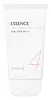
Missha All-Around Safe Block Essence Sun SPF45 PA+++ Versus The Saem Eco Earth All Protection Sun Cream SPF 50+ PA++++
This chemical sunscreen covers the full UV range and blocks ~98% of UVB at SPF 45.
This mineral sunscreen covers the full UV range and blocks ~98% of UVB at SPF 50.

What's inside
What's inside
 Key Ingredients
Benefits
Concerns
Ingredients Side-by-side
Water
Skin ConditioningEthylhexyl Methoxycinnamate
UV Absorber


Ethylhexyl Salicylate
UV Absorber
Phenylbenzimidazole Sulfonic Acid
UV Absorber
Butylene Glycol
Humectant

Diethylamino Hydroxybenzoyl Hexyl Benzoate
UV Filter
Methyl Methacrylate Crosspolymer

C12-15 Alkyl Benzoate
AntimicrobialCetearyl Alcohol
Emollient






Bis-Ethylhexyloxyphenol Methoxyphenyl Triazine
Skin Conditioning
Glyceryl Stearate
Emollient
Cetearyl Olivate
Cyclopentasiloxane
Emollient
Acrylates/Dimethicone Copolymer
Skin Conditioning
Vp/Hexadecene Copolymer
Rosa Davurica Bud Extract
Antioxidant
Nelumbium Speciosum Flower Extract
Skin ConditioningChrysanthemum Indicum Flower Extract
Skin Conditioning
Camellia Sinensis Leaf Extract
Antimicrobial



Artemisia Princeps Leaf Extract
Skin ConditioningDiospyros Kaki Leaf Extract
Skin Protecting
Cinnamomum Cassia Bark Extract
Masking
Morus Alba Fruit Extract
Antioxidant
Pueraria Lobata Root Extract
HumectantAloe Barbadensis Leaf Juice
Skin Conditioning
Glycyrrhiza Glabra Root Extract
Bleaching

Morus Alba Root Extract
BleachingCucumis Sativus Fruit Extract
Emollient
Portulaca Oleracea Extract
Skin Conditioning
Hamamelis Virginiana Water
Astringent
Limonia Acidissima Extract
Skin ConditioningCentaurea Cyanus Flower Water
Skin Conditioning
Thymus Vulgaris Leaf Water
Skin ConditioningHelichrysum Italicum Flower Water
Skin ConditioningSorbitan Olivate
Emulsifying
Sodium Hydroxide
BufferingPolysorbate 60
Emulsifying
Dimethicone
Emollient
Polyacrylate-13
PEG-100 Stearate
Surfactant
Polyisobutene
Sorbitan Sesquioleate
Emulsifying
BHT
Antioxidant
Sorbitan Isostearate
Emulsifying
Polysorbate 20
Emulsifying
Panthenol
Skin Conditioning
Disodium EDTA
Caprylyl Glycol
Emollient
Ethylhexylglycerin
Skin Conditioning1,2-Hexanediol
Skin Conditioning
Parfum
Masking

Water, Ethylhexyl Methoxycinnamate, Ethylhexyl Salicylate, Phenylbenzimidazole Sulfonic Acid, Butylene Glycol, Diethylamino Hydroxybenzoyl Hexyl Benzoate, Methyl Methacrylate Crosspolymer, C12-15 Alkyl Benzoate, Cetearyl Alcohol, Bis-Ethylhexyloxyphenol Methoxyphenyl Triazine, Glyceryl Stearate, Cetearyl Olivate, Cyclopentasiloxane, Acrylates/Dimethicone Copolymer, Vp/Hexadecene Copolymer, Rosa Davurica Bud Extract, Nelumbium Speciosum Flower Extract, Chrysanthemum Indicum Flower Extract, Camellia Sinensis Leaf Extract, Artemisia Princeps Leaf Extract, Diospyros Kaki Leaf Extract, Cinnamomum Cassia Bark Extract, Morus Alba Fruit Extract, Pueraria Lobata Root Extract, Aloe Barbadensis Leaf Juice, Glycyrrhiza Glabra Root Extract, Morus Alba Root Extract, Cucumis Sativus Fruit Extract, Portulaca Oleracea Extract, Hamamelis Virginiana Water, Limonia Acidissima Extract, Centaurea Cyanus Flower Water, Thymus Vulgaris Leaf Water, Helichrysum Italicum Flower Water, Sorbitan Olivate, Sodium Hydroxide, Polysorbate 60, Dimethicone, Polyacrylate-13, PEG-100 Stearate, Polyisobutene, Sorbitan Sesquioleate, BHT, Sorbitan Isostearate, Polysorbate 20, Panthenol, Disodium EDTA, Caprylyl Glycol, Ethylhexylglycerin, 1,2-Hexanediol, Parfum
Water
Skin ConditioningC12-15 Alkyl Benzoate
AntimicrobialTitanium Dioxide
Cosmetic Colorant
Acrylates Copolymer
Propanediol
Solvent
Niacinamide
Smoothing


Cetyl Ethylhexanoate
Emollient1,2-Hexanediol
Skin Conditioning
Polymethylsilsesquioxane
Aluminum Stearate
Cosmetic ColorantPolyhydroxystearic Acid
Emulsifying
Glycerin
Humectant
Pentylene Glycol
Skin Conditioning
Caprylic/Capric Triglyceride
Masking
Silica
Abrasive
Alumina
Abrasive
Ammonium Acryloyldimethyltaurate/Vp Copolymer
Polyacrylate Crosspolymer-6
Emulsion StabilisingHydroxypropyl Methylcellulose Stearoxy Ether
Sodium Stearoyl Glutamate
CleansingEthylhexylglycerin
Skin ConditioningCymbopogon Martini Oil
Masking
Stearic Acid
Cleansing
Citrus Paradisi Peel Oil
Masking
Adenosine
Skin Conditioning
Olea Europaea Fruit Oil
Masking
Michelia Alba Leaf Oil
Masking
Aniba Rosodora Wood Oil
Astringent
Pogostemon Cablin Leaf Oil
Masking
T-Butyl Alcohol
Perfuming
Calendula Officinalis Flower Extract
Masking
Moringa Oleifera Seed Oil
Emollient
Butylene Glycol
Humectant
Alcohol
Antimicrobial
Carthamus Tinctorius Seed Oil
Masking
Epilobium Angustifolium Flower/Leaf/Stem Extract
Skin ConditioningChamomilla Recutita Flower/Leaf Extract
AntimicrobialAnthemis Nobilis Flower Extract
Masking
Tagetes Erecta Flower Extract
Perfuming
Lepidium Meyenii Root Extract
Skin ConditioningCorchorus Olitorius Leaf Extract
Skin ConditioningAverrhoa Carambola Fruit Extract
Skin ConditioningTocopherol
Antioxidant
Water, C12-15 Alkyl Benzoate, Titanium Dioxide, Acrylates Copolymer, Propanediol, Niacinamide, Cetyl Ethylhexanoate, 1,2-Hexanediol, Polymethylsilsesquioxane, Aluminum Stearate, Polyhydroxystearic Acid, Glycerin, Pentylene Glycol, Caprylic/Capric Triglyceride, Silica, Alumina, Ammonium Acryloyldimethyltaurate/Vp Copolymer, Polyacrylate Crosspolymer-6, Hydroxypropyl Methylcellulose Stearoxy Ether, Sodium Stearoyl Glutamate, Ethylhexylglycerin, Cymbopogon Martini Oil, Stearic Acid, Citrus Paradisi Peel Oil, Adenosine, Olea Europaea Fruit Oil, Michelia Alba Leaf Oil, Aniba Rosodora Wood Oil, Pogostemon Cablin Leaf Oil, T-Butyl Alcohol, Calendula Officinalis Flower Extract, Moringa Oleifera Seed Oil, Butylene Glycol, Alcohol, Carthamus Tinctorius Seed Oil, Epilobium Angustifolium Flower/Leaf/Stem Extract, Chamomilla Recutita Flower/Leaf Extract, Anthemis Nobilis Flower Extract, Tagetes Erecta Flower Extract, Lepidium Meyenii Root Extract, Corchorus Olitorius Leaf Extract, Averrhoa Carambola Fruit Extract, Tocopherol
Reviews
Ingredients Explained
These ingredients are found in both products.
Ingredients higher up in an ingredient list are typically present in a larger amount.
1,2-Hexanediol is a synthetic liquid and another multi-functional powerhouse.
It is a:
- Humectant, drawing moisture into the skin
- Emollient, helping to soften skin
- Solvent, dispersing and stabilizing formulas
- Preservative booster, enhancing the antimicrobial activity of other preservatives
Butylene Glycol (or BG) is used within cosmetic products for a few different reasons:
Overall, Butylene Glycol is a safe and well-rounded ingredient that works well with other ingredients.
Though this ingredient works well with most skin types, some people with sensitive skin may experience a reaction such as allergic rashes, closed comedones, or itchiness.
Learn more about Butylene GlycolC12-15 Alkyl Benzoate is a lightweight emollient made by combinig benzoic acid with fatty alcohols that are 12-15 carbons long.
In cosmetics, it plays several roles:
The Cosmetic Review Expert Panel has concluded the alkyl benzoate group to be safe as used in cosmetics; it wasn't found to be a skin irritant and unlikely to be absorbed due to its low water solubility.
This report recorded almost 1000 reported uses with concentrations up to 59% in leave-on products but your cosmetics will typically use 0.5-15% depending on the product.
It's often called a "SPF booster": this is because it keeps UV filters properly dissolved and evenly distributed to support a sunscreen's performance. It doesn't actually raise SPF on its own.
Overall, this ingredient is well tolerated.
This ingredient is fungal acne safe because it is an ester of benzoic acid.
Think of this ingredient as two parts stuck together: an oily part and an acid part. Malassezia only gets a meal when it can snip off a fatty acid to eat. With C12-15 Alkyl Benzoate, the acid part is benzoic acid, which isn't a fatty acid and which the yeast can't use as food.
Benzoic acid is actually used as a preservative to stop yeast from growing.
The oily part is a blend of C12-15 fatty alcohols but fatty alcohols in this size range can support only a little Malassezia growth (mostly for one species of Malassezia as well).
In the ingredient, those alcohols stay locked inside the molecule. The yeast can only reach them by snipping the benzoate bond, and that type of bond is harder for it to cut than a normal fatty bond.
So not much gets released. And whatever does get snipped comes packaged with benzoic acid, which discourages yeast growth.
Learn more about C12-15 Alkyl BenzoateEthylhexylglycerin is created from glycerin. It is a multitasker ingredient that:
The CIR Expert Panel found minimal skin absorption or sensitization of any kind in a safety assessment. Though this ingredient is considered well-tolerated, a small number of cases of allergic dermatitis have been published since 2002. Just be sure to patch test if you are unsure.
Industry-reported use ranges from 8% in rinse-off products and 2% in leave-on formulations.
Learn more about EthylhexylglycerinWater. It's the most common cosmetic ingredient of all. You'll usually see it at the top of ingredient lists, meaning that it makes up the largest part of the product.
So why is it so popular? Water most often acts as a solvent - this means that it helps dissolve other ingredients into the formulation.
You'll also recognize water as that liquid we all need to stay alive. If you see this, drink a glass of water. Remember to stay hydrated!
Learn more about Water

