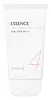
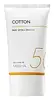
Missha All-Around Safe Block Essence Sun SPF45 PA+++ Versus Missha All Around Safe Block Cotton Sun SPF50 PA+++
This chemical sunscreen covers the full UV range and blocks ~98% of UVB at SPF 45.
This hybrid sunscreen covers the full UV range and blocks ~98% of UVB at SPF 50.

What's inside
What's inside
 Key Ingredients
Benefits
Concerns
Ingredients Side-by-side
Water
Skin ConditioningEthylhexyl Methoxycinnamate
UV Absorber


Ethylhexyl Salicylate
UV Absorber
Phenylbenzimidazole Sulfonic Acid
UV Absorber
Butylene Glycol
Humectant

Diethylamino Hydroxybenzoyl Hexyl Benzoate
UV Filter
Methyl Methacrylate Crosspolymer

C12-15 Alkyl Benzoate
AntimicrobialCetearyl Alcohol
Emollient






Bis-Ethylhexyloxyphenol Methoxyphenyl Triazine
UV Absorber
Glyceryl Stearate
Emollient
Cetearyl Olivate
Cyclopentasiloxane
Emollient
Acrylates/Dimethicone Copolymer
Skin Conditioning
Vp/Hexadecene Copolymer
Rosa Davurica Bud Extract
Antioxidant
Nelumbium Speciosum Flower Extract
Skin ConditioningChrysanthemum Indicum Flower Extract
Skin Conditioning
Camellia Sinensis Leaf Extract
Antimicrobial



Artemisia Princeps Leaf Extract
Skin ConditioningDiospyros Kaki Leaf Extract
Skin Protecting
Cinnamomum Cassia Bark Extract
Masking
Morus Alba Fruit Extract
Antioxidant
Pueraria Lobata Root Extract
HumectantAloe Barbadensis Leaf Juice
Skin Conditioning
Glycyrrhiza Glabra Root Extract
Bleaching

Morus Alba Root Extract
BleachingCucumis Sativus Fruit Extract
Emollient
Portulaca Oleracea Extract
Skin Conditioning
Hamamelis Virginiana Water
Astringent
Limonia Acidissima Extract
Skin ConditioningCentaurea Cyanus Flower Water
Skin Conditioning
Thymus Vulgaris Leaf Water
Skin ConditioningHelichrysum Italicum Flower Water
Skin ConditioningSorbitan Olivate
Emulsifying
Sodium Hydroxide
BufferingPolysorbate 60
Emulsifying
Dimethicone
Emollient
Polyacrylate-13
PEG-100 Stearate
Surfactant
Polyisobutene
Sorbitan Sesquioleate
Emulsifying
BHT
Antioxidant
Sorbitan Isostearate
Emulsifying
Polysorbate 20
Emulsifying
Panthenol
Skin Conditioning
Disodium EDTA
ChelatingCaprylyl Glycol
Emollient
Ethylhexylglycerin
Skin Conditioning1,2-Hexanediol
Skin Conditioning
Parfum
Masking

Water, Ethylhexyl Methoxycinnamate, Ethylhexyl Salicylate, Phenylbenzimidazole Sulfonic Acid, Butylene Glycol, Diethylamino Hydroxybenzoyl Hexyl Benzoate, Methyl Methacrylate Crosspolymer, C12-15 Alkyl Benzoate, Cetearyl Alcohol, Bis-Ethylhexyloxyphenol Methoxyphenyl Triazine, Glyceryl Stearate, Cetearyl Olivate, Cyclopentasiloxane, Acrylates/Dimethicone Copolymer, Vp/Hexadecene Copolymer, Rosa Davurica Bud Extract, Nelumbium Speciosum Flower Extract, Chrysanthemum Indicum Flower Extract, Camellia Sinensis Leaf Extract, Artemisia Princeps Leaf Extract, Diospyros Kaki Leaf Extract, Cinnamomum Cassia Bark Extract, Morus Alba Fruit Extract, Pueraria Lobata Root Extract, Aloe Barbadensis Leaf Juice, Glycyrrhiza Glabra Root Extract, Morus Alba Root Extract, Cucumis Sativus Fruit Extract, Portulaca Oleracea Extract, Hamamelis Virginiana Water, Limonia Acidissima Extract, Centaurea Cyanus Flower Water, Thymus Vulgaris Leaf Water, Helichrysum Italicum Flower Water, Sorbitan Olivate, Sodium Hydroxide, Polysorbate 60, Dimethicone, Polyacrylate-13, PEG-100 Stearate, Polyisobutene, Sorbitan Sesquioleate, BHT, Sorbitan Isostearate, Polysorbate 20, Panthenol, Disodium EDTA, Caprylyl Glycol, Ethylhexylglycerin, 1,2-Hexanediol, Parfum
Water
Skin ConditioningZinc Oxide
Cosmetic Colorant
Cyclohexasiloxane
Emollient
Butyloctyl Salicylate
Skin Conditioning
Propanediol
Solvent
Propylheptyl Caprylate
EmollientPolyglyceryl-3 Polydimethylsiloxyethyl Dimethicone
Skin Conditioning
Dicaprylyl Carbonate
EmollientIsododecane
EmollientCaprylyl Methicone
Skin Conditioning
Dioctyl Adipate
Polyethylene Naphthalate
Methyl Methacrylate Crosspolymer
Melaleuca Alternifolia Leaf Extract
Perfuming
Hydrogenated Lecithin
Emulsifying
Disteardimonium Hectorite
StabilisingMagnesium Sulfate
Titanium Dioxide
Cosmetic Colorant
Triethoxycaprylylsilane
1,2-Hexanediol
Skin Conditioning
Polyglyceryl-2 Dipolyhydroxystearate
Skin Conditioning
Polymethylsilsesquioxane
Lauryl Polyglyceryl-3 Polydimethylsiloxyethyl Dimethicone
Skin Conditioning
Glyceryl Caprylate
EmollientCaprylyl Glycol
Emollient
Glycerin
Humectant
Ethylhexylglycerin
Skin ConditioningDipropylene Glycol
HumectantPanthenol
Skin Conditioning
Cetearyl Olivate
Sorbitan Olivate
Emulsifying
Tocopherol
Antioxidant
Butylene Glycol
Humectant
Ceramide NP
Skin Conditioning
Allantoin
Skin Conditioning
Parfum
Masking
Water, Zinc Oxide, Cyclohexasiloxane, Butyloctyl Salicylate, Propanediol, Propylheptyl Caprylate, Polyglyceryl-3 Polydimethylsiloxyethyl Dimethicone, Dicaprylyl Carbonate, Isododecane, Caprylyl Methicone, Dioctyl Adipate, Polyethylene Naphthalate, Methyl Methacrylate Crosspolymer, Melaleuca Alternifolia Leaf Extract, Hydrogenated Lecithin, Disteardimonium Hectorite, Magnesium Sulfate, Titanium Dioxide, Triethoxycaprylylsilane, 1,2-Hexanediol, Polyglyceryl-2 Dipolyhydroxystearate, Polymethylsilsesquioxane, Lauryl Polyglyceryl-3 Polydimethylsiloxyethyl Dimethicone, Glyceryl Caprylate, Caprylyl Glycol, Glycerin, Ethylhexylglycerin, Dipropylene Glycol, Panthenol, Cetearyl Olivate, Sorbitan Olivate, Tocopherol, Butylene Glycol, Ceramide NP, Allantoin, Parfum
Reviews
Ingredients Explained
These ingredients are found in both products.
Ingredients higher up in an ingredient list are typically present in a larger amount.
1,2-Hexanediol is a synthetic liquid and another multi-functional powerhouse.
It is a:
- Humectant, drawing moisture into the skin
- Emollient, helping to soften skin
- Solvent, dispersing and stabilizing formulas
- Preservative booster, enhancing the antimicrobial activity of other preservatives
Butylene Glycol (or BG) is used within cosmetic products for a few different reasons:
Overall, Butylene Glycol is a safe and well-rounded ingredient that works well with other ingredients.
Though this ingredient works well with most skin types, some people with sensitive skin may experience a reaction such as allergic rashes, closed comedones, or itchiness.
Learn more about Butylene GlycolCaprylyl Glycol is a humectant, skin conditioner, emollient, and preservative booster derived from either caprylic acid or synthetically created.
Typical use levels vary from 0.3-1% as a preservative booster and go up to 2% to condition skin.
Because it is not a free-fatty acid, this ingredient is fungal acne safe (there's nothing for Malassezia to feed on).
Learn more about Caprylyl GlycolCetearyl Olivate is a plant-derived emulsifier and texture enhancer. It helps keep the oil and water phases from separating so your formulas stay stable.
You'll likely see it combined with Sorbitan Olivate (together sold as the trade name Olivem 1000). This combination generates a liquid crystal structure that closely resemble the lipid organization of the stratum corneum.
These "skin-like" liquid crystals improve skin barrier integrity and promote the delivery of actives into the skin.
This ingredient is well-tolerated and has no significant sensitization data.
Because it is derived from the fatty acids in olive oil, this ingredient may not be fungal acne safe.
Learn more about Cetearyl OlivateEthylhexylglycerin is created from glycerin. It is a multitasker ingredient that:
The CIR Expert Panel found minimal skin absorption or sensitization of any kind in a safety assessment. Though this ingredient is considered well-tolerated, a small number of cases of allergic dermatitis have been published since 2002. Just be sure to patch test if you are unsure.
Industry-reported use ranges from 8% in rinse-off products and 2% in leave-on formulations.
Learn more about EthylhexylglycerinThis ingredient comes as a powder made up of small, porous, microbeads. It is used to add a silky feel to products and also helps absorb oil.
Panthenol is a common ingredient that helps hydrate and soothe the skin. It is found naturally in our skin and hair.
There are two forms of panthenol: D and L.
D-panthenol is also known as dexpanthenol. Most cosmetics use dexpanthenol or a mixture of D and L-panthenol.
Panthenol is famous due to its ability to go deeper into the skin's layers. Using this ingredient has numerous pros (and no cons):
Like hyaluronic acid, panthenol is a humectant. Humectants are able to bind and hold large amounts of water to keep skin hydrated.
This ingredient works well for wound healing. It works by increasing tissue in the wound and helps close open wounds.
Once oxidized, panthenol converts to pantothenic acid. Panthothenic acid is found in all living cells.
This ingredient is also referred to as pro-vitamin B5.
Learn more about PanthenolParfum is a catch-all term for an ingredient or more that is used to give a scent to products.
Also called "fragrance", this ingredient can be a blend of hundreds of chemicals or plant oils. This means every product with "fragrance" or "parfum" in the ingredients list is a different mixture.
For instance, Habanolide is a proprietary trade name for a specific aroma chemical. When used as a fragrance ingredient in cosmetics, most aroma chemicals fall under the broad labeling category of “FRAGRANCE” or “PARFUM” according to EU and US regulations.
The term 'parfum' or 'fragrance' is not regulated in many countries. In many cases, it is up to the brand to define this term.
For instance, many brands choose to label themselves as "fragrance-free" because they are not using synthetic fragrances. However, their products may still contain ingredients such as essential oils that are considered a fragrance by INCI standards.
One example is Calendula flower extract. Calendula is an essential oil that still imparts a scent or 'fragrance'.
Depending on the blend, the ingredients in the mixture can cause allergies and sensitivities on the skin. Some ingredients that are known EU allergens include linalool and citronellol.
Parfum can also be used to mask or cover an unpleasant scent.
The bottom line is: not all fragrances/parfum/ingredients are created equally. If you are worried about fragrances, we recommend taking a closer look at an ingredient. And of course, we always recommend speaking with a professional.
Learn more about ParfumSorbitan Olivate is created from the fatty acids in olive oil and sorbitol.
This ingredient is an oil in water emulsifier. It helps stabilize a product by preventing oils and waters from separating. Sorbitan Olivate also helps hydrate the skin.
This ingredient is also known as part of Olivem 1000, with Cetearyl Olivate being the other part.
According to a manufacturer, this ingredient helps preserve the natural microbiome of skin. Having a healthy microbiome helps keep our skin healthy and protects against harmful bacteria.
Please note, having a healthy microbiome is different from fungal acne; a healthy microbiome includes small amounts of yeast that normally live on your skin without causing problems.
Fungal acne happens when one type of yeast (Malassezia) grows out of control. This is usually because it's feeding on certain oils or fatty acids. Due to the olive oil base, this ingredient may not be fungal acne safe.
Learn more about Sorbitan OlivateWater. It's the most common cosmetic ingredient of all. You'll usually see it at the top of ingredient lists, meaning that it makes up the largest part of the product.
So why is it so popular? Water most often acts as a solvent - this means that it helps dissolve other ingredients into the formulation.
You'll also recognize water as that liquid we all need to stay alive. If you see this, drink a glass of water. Remember to stay hydrated!
Learn more about Water

