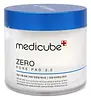
This pore-care toner pad uses a pre-saturated pad with Lactic Acid and Salicylic Acid to refine the look of pores and refine skin texture.

What's inside
What's inside
 Key Ingredients
Benefits
Concerns
Ingredients Side-by-side
Water
Skin ConditioningMethylpropanediol
SolventTromethamine
BufferingLactic Acid
Buffering










Alcohol Denat.
Antimicrobial

1,2-Hexanediol
Skin Conditioning
Panthenol
Skin Conditioning


Glycereth-26
Humectant
Salicylic Acid
Masking


Ammonium Acryloyldimethyltaurate/Vp Copolymer
Betaine
Humectant
Trehalose
Humectant
Polyglyceryl-10 Laurate
Skin Conditioning
Ethylhexylglycerin
Skin ConditioningGlycerin
Humectant
Allantoin
Skin Conditioning
Polyglyceryl-10 Myristate
Skin Conditioning
Disodium EDTA
Butylene Glycol
Humectant
Sodium Hyaluronate
Humectant
Betaine Salicylate
Antimicrobial
Citrus Aurantium Dulcis Peel Oil
Masking

Citrus Limon Peel Oil
Masking

Citrus Grandis Peel Oil
Masking
Citrus Aurantium Bergamia Fruit Oil
Masking
Rosmarinus Officinalis Leaf Oil
Masking
Eucalyptus Globulus Leaf Oil
Perfuming
Lavandula Angustifolia Oil
Masking
Vitis Vinifera Fruit Extract
Skin ConditioningCitrus Aurantifolia Fruit Extract
Skin ConditioningCitrus Limon Fruit Extract
Masking
Pyrus Malus Fruit Extract
Skin Conditioning
Citrus Aurantium Dulcis Fruit Extract
MaskingEthyl Hexanediol
SolventCentella Asiatica Extract
Cleansing
Salix Alba Bark Extract
Astringent
Origanum Vulgare Leaf Extract
Skin ConditioningChamaecyparis Obtusa Leaf Extract
Skin ConditioningLactobacillus/Soybean Ferment Extract
Skin ConditioningCinnamomum Cassia Bark Extract
Masking
Scutellaria Baicalensis Root Extract
Astringent
Portulaca Oleracea Extract
Skin Conditioning
Oenothera Biennis Flower Extract
AstringentPinus Palustris Leaf Extract
TonicUlmus Davidiana Root Extract
Skin Conditioning
Pueraria Lobata Root Extract
HumectantLimonene
Perfuming
Water, Methylpropanediol, Tromethamine, Lactic Acid, Alcohol Denat., 1,2-Hexanediol, Panthenol, Glycereth-26, Salicylic Acid, Ammonium Acryloyldimethyltaurate/Vp Copolymer, Betaine, Trehalose, Polyglyceryl-10 Laurate, Ethylhexylglycerin, Glycerin, Allantoin, Polyglyceryl-10 Myristate, Disodium EDTA, Butylene Glycol, Sodium Hyaluronate, Betaine Salicylate, Citrus Aurantium Dulcis Peel Oil, Citrus Limon Peel Oil, Citrus Grandis Peel Oil, Citrus Aurantium Bergamia Fruit Oil, Rosmarinus Officinalis Leaf Oil, Eucalyptus Globulus Leaf Oil, Lavandula Angustifolia Oil, Vitis Vinifera Fruit Extract, Citrus Aurantifolia Fruit Extract, Citrus Limon Fruit Extract, Pyrus Malus Fruit Extract, Citrus Aurantium Dulcis Fruit Extract, Ethyl Hexanediol, Centella Asiatica Extract, Salix Alba Bark Extract, Origanum Vulgare Leaf Extract, Chamaecyparis Obtusa Leaf Extract, Lactobacillus/Soybean Ferment Extract, Cinnamomum Cassia Bark Extract, Scutellaria Baicalensis Root Extract, Portulaca Oleracea Extract, Oenothera Biennis Flower Extract, Pinus Palustris Leaf Extract, Ulmus Davidiana Root Extract, Pueraria Lobata Root Extract, Limonene
Water
Skin ConditioningOctyldodecanol
Emollient
Dimethicone
Emollient
Alcohol Denat.
Antimicrobial
Acrylates Copolymer
Polysorbate 60
Emulsifying
Ethylcellulose
Behenyl Alcohol
Emollient
Pentylene Glycol
Skin Conditioning
Sodium Acrylate/Sodium Acryloyldimethyl Taurate Copolymer
Emulsion StabilisingSilica
Abrasive
Sorbitan Stearate
Emulsifying
Isohexadecane
EmollientDiisostearyl Malate
EmollientPhenoxyethanol
Preservative
CI 77891
Cosmetic ColorantPolyglyceryl-2 Triisostearate
Emulsifying
Polysorbate 80
Emulsifying
CI 77491
Cosmetic ColorantCI 77492
Cosmetic ColorantParfum
Masking
CI 77499
Cosmetic ColorantSorbitan Oleate
Emulsifying
Aroma
Trisodium Ethylenediamine Disuccinate
Ethylhexylglycerin
Skin ConditioningCI 15850
Cosmetic ColorantPolyglyceryl-2 Diisostearate
Emulsifying
CI 17200
Cosmetic ColorantCI 15985
Cosmetic ColorantCI 42090
Cosmetic ColorantButylene Glycol
Humectant
Actinidia Chinensis Fruit Extract
EmollientCarica Papaya Fruit Extract
Skin ConditioningCitrus Paradisi Fruit Extract
Skin ConditioningCocos Nucifera Fruit Extract
Emollient
Mangifera Indica Fruit Extract
Skin ConditioningPsidium Guajava Fruit Extract
AstringentWater, Octyldodecanol, Dimethicone, Alcohol Denat., Acrylates Copolymer, Polysorbate 60, Ethylcellulose, Behenyl Alcohol, Pentylene Glycol, Sodium Acrylate/Sodium Acryloyldimethyl Taurate Copolymer, Silica, Sorbitan Stearate, Isohexadecane, Diisostearyl Malate, Phenoxyethanol, CI 77891, Polyglyceryl-2 Triisostearate, Polysorbate 80, CI 77491, CI 77492, Parfum, CI 77499, Sorbitan Oleate, Aroma, Trisodium Ethylenediamine Disuccinate, Ethylhexylglycerin, CI 15850, Polyglyceryl-2 Diisostearate, CI 17200, CI 15985, CI 42090, Butylene Glycol, Actinidia Chinensis Fruit Extract, Carica Papaya Fruit Extract, Citrus Paradisi Fruit Extract, Cocos Nucifera Fruit Extract, Mangifera Indica Fruit Extract, Psidium Guajava Fruit Extract
Reviews
Ingredients Explained
These ingredients are found in both products.
Ingredients higher up in an ingredient list are typically present in a larger amount.
Alcohol Denat. is an alcohol with a denaturant property. It is created by mixing ethanol with other additives.
The "denat" part just means "denatured"; common denaturants include Denatonium Benzoate, t-butyl alcohol, and Diethyl Phthalate. This step makes the alcohol undrinkable (and lets brand skip taxes related to beverage alcohol).
This ingredient gets a bad rep because it is irritating and drying due to its astringent property. Astringents draw out natural oils in tissue to constrict pores and dry out your skin.
However, alcohol denat. is not all that bad.
Due to its low molecular weight, alcohol denat. tends to evaporate quickly. One study on pig skin found half of applied alcohol evaporated in 10 seconds and less than 3% stayed on skin.
This also helps other ingredients become better absorbed upon application.
Studies are conflicted about whether this ingredient causes skin dehydration. One study from 2005 found adding emollients to propanol-based sanitizer decreased skin dryness and irritation. Another study found irritation only occurs if your skin is already damaged.
Small amounts of alcohol are generally tolerated by oily skin or people who live in humid environments.
The rule of thumb is this ingredient will probably not affect your skin much if it is near the end of an ingredients list.
One thing to note:
People with ALDH2 (aldehyde dehydrogenase 2) deficiency may experience skin irritation from continued alcohol use. About 8% of the world's population have this deficiency.
The Cosmetic Ingredient Review Expert Panel has determined denatured alcohols to be safe for use in concentrations between 0.05% and 12% (depending on which denaturant is used).
Also...
This ingredient has antimicrobial and solvent properties.
The antimicrobial property helps preserve products and increase their shelf life. As a solvent, it helps dissolve other ingredients.
Look for formulas that contain glycerin, hyaluronic acid, or panthenol if you want to offset any drying effect.
This ingredient will trip away your skin's natural oils/lipids that help it lock in moisture. This can worsen dryness, trigger eczema flare-ups, and aggravate rosacea.
Be sure to patch test any product with this ingredient if you have dry or sensitive skin, eczema, or rosacea.
Learn more about Alcohol Denat.Butylene Glycol (or BG) is used within cosmetic products for a few different reasons:
Overall, Butylene Glycol is a safe and well-rounded ingredient that works well with other ingredients.
Though this ingredient works well with most skin types, some people with sensitive skin may experience a reaction such as allergic rashes, closed comedones, or itchiness.
Learn more about Butylene GlycolEthylhexylglycerin is created from glycerin. It is a multitasker ingredient that:
The CIR Expert Panel found minimal skin absorption or sensitization of any kind in a safety assessment. Though this ingredient is considered well-tolerated, a small number of cases of allergic dermatitis have been published since 2002. Just be sure to patch test if you are unsure.
Industry-reported use ranges from 8% in rinse-off products and 2% in leave-on formulations.
Learn more about EthylhexylglycerinWater. It's the most common cosmetic ingredient of all. You'll usually see it at the top of ingredient lists, meaning that it makes up the largest part of the product.
So why is it so popular? Water most often acts as a solvent - this means that it helps dissolve other ingredients into the formulation.
You'll also recognize water as that liquid we all need to stay alive. If you see this, drink a glass of water. Remember to stay hydrated!
Learn more about Water

