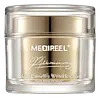
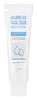
MEDI-PEEL Peptide 9 Golden Camellia Wrinkle Cream Versus Esfolio Hyaluronic Acid Facial Cream Moisturizing
This anti-aging moisturizer is formulated around Niacinamide and Adenosine to soften the look of wrinkles and refine skin texture.
This barrier-repair moisturizer is formulated around Niacinamide and Panthenol to strengthen the skin barrier and hydrate skin.

What's inside
What's inside
 Key Ingredients
Benefits
Concerns
Ingredients Side-by-side
Water
Skin ConditioningDibutyl Adipate
EmollientSynthetic Wax
Abrasive

Silica
Abrasive

Diethylamino Hydroxybenzoyl Hexyl Benzoate
UV Filter
Dimethicone
Emollient

Butyloctyl Salicylate
Skin Conditioning
Ethylhexyl Triazone
UV Absorber
Vinyl Dimethicone/Methicone Silsesquioxane Crosspolymer
Polysilicone-15
UV Filter
Bis-Ethylhexyloxyphenol Methoxyphenyl Triazine
UV Absorber
Butylene Glycol
Humectant

Niacinamide
Smoothing







Stearyl Heptanoate
Emollient

Lauryl Polyglyceryl-3 Polydimethylsiloxyethyl Dimethicone
Skin Conditioning
Triethoxycaprylylsilane
1,2-Hexanediol
Skin Conditioning
Caprylic/Capric Glycerides
EmollientPolyglyceryl-4 Diisostearate/Polyhydroxystearate/Sebacate
Emulsifying

Polyglyceryl-4 Isostearate
Emulsifying
Methyl Diisopropyl Propionamide
MaskingAdenosine
Skin Conditioning
Disodium EDTA
Propanediol
Solvent
Ectoin
Skin Conditioning
Hydrolyzed Collagen
Emollient
Ecklonia Cava Extract
Skin Conditioning
Macadamia Ternifolia Seed Oil
Emollient
Caprylic/Capric Triglyceride
Masking
Propylene Glycol
Humectant
Glycerin
Humectant
Hydrogenated Lecithin
Emulsifying
Eriobotrya Japonica Leaf Extract
Skin ConditioningCholesterol
Emollient
Retinal
Skin Conditioning

Mentha Viridis Extract
MaskingBrassica Campestris Sterols
EmollientPolyglyceryl-10 Laurate
Skin Conditioning
PEG-5 Rapeseed Sterol
Cleansing
Ceteth-3
EmulsifyingCeteth-5
EmulsifyingLavandula Angustifolia Flower Extract
Cleansing
Chamomilla Recutita Flower Extract
Masking
Borago Officinalis Extract
Emollient
Centaurea Cyanus Flower Extract
Astringent
Aluminum/Magnesium Hydroxide Stearate
Emulsion StabilisingSalvia Sclarea Extract
AntiseborrhoeicHyacinthus Orientalis Extract
Skin ConditioningUndaria Pinnatifida Extract
Skin ConditioningPsidium Guajava Leaf Extract
AstringentSargassum Fulvellum Extract
Skin ConditioningEthylhexylglycerin
Skin ConditioningSalicornia Herbacea Extract
Skin ConditioningPotassium Cetyl Phosphate
EmulsifyingPentaerythrityl Tetra-Di-T-Butyl Hydroxyhydrocinnamate
Antioxidant
Magnesium Ascorbyl Phosphate
Antioxidant
Sasa Quelpaertensis Extract
Skin ConditioningThiamine Hcl
MaskingPantothenic Acid
Skin ConditioningTripeptide-1
Skin Conditioning
Opuntia Ficus-Indica Stem Extract
Skin Conditioning
Acetyl Hexapeptide-8
Humectant
Alanine/Histidine/Lysine Polypeptide Copper Hcl
Skin Conditioning
Copper Tripeptide-1
Skin Conditioning
Palmitoyl Tripeptide-1
Skin Conditioning
Palmitoyl Pentapeptide-4
Skin Conditioning
Hexapeptide-11
Skin Conditioning
Hexapeptide-9
Skin Conditioning
Nonapeptide-1
Skin Conditioning
Riboflavin
Cosmetic ColorantPyridoxine
Skin ConditioningBiotin
AntiseborrhoeicCyanocobalamin
Skin ConditioningFolic Acid
Skin ConditioningParfum
Masking

Water, Dibutyl Adipate, Synthetic Wax, Silica, Diethylamino Hydroxybenzoyl Hexyl Benzoate, Dimethicone, Butyloctyl Salicylate, Ethylhexyl Triazone, Vinyl Dimethicone/Methicone Silsesquioxane Crosspolymer, Polysilicone-15, Bis-Ethylhexyloxyphenol Methoxyphenyl Triazine, Butylene Glycol, Niacinamide, Stearyl Heptanoate, Lauryl Polyglyceryl-3 Polydimethylsiloxyethyl Dimethicone, Triethoxycaprylylsilane, 1,2-Hexanediol, Caprylic/Capric Glycerides, Polyglyceryl-4 Diisostearate/Polyhydroxystearate/Sebacate, Polyglyceryl-4 Isostearate, Methyl Diisopropyl Propionamide, Adenosine, Disodium EDTA, Propanediol, Ectoin, Hydrolyzed Collagen, Ecklonia Cava Extract, Macadamia Ternifolia Seed Oil, Caprylic/Capric Triglyceride, Propylene Glycol, Glycerin, Hydrogenated Lecithin, Eriobotrya Japonica Leaf Extract, Cholesterol, Retinal, Mentha Viridis Extract, Brassica Campestris Sterols, Polyglyceryl-10 Laurate, PEG-5 Rapeseed Sterol, Ceteth-3, Ceteth-5, Lavandula Angustifolia Flower Extract, Chamomilla Recutita Flower Extract, Borago Officinalis Extract, Centaurea Cyanus Flower Extract, Aluminum/Magnesium Hydroxide Stearate, Salvia Sclarea Extract, Hyacinthus Orientalis Extract, Undaria Pinnatifida Extract, Psidium Guajava Leaf Extract, Sargassum Fulvellum Extract, Ethylhexylglycerin, Salicornia Herbacea Extract, Potassium Cetyl Phosphate, Pentaerythrityl Tetra-Di-T-Butyl Hydroxyhydrocinnamate, Magnesium Ascorbyl Phosphate, Sasa Quelpaertensis Extract, Thiamine Hcl, Pantothenic Acid, Tripeptide-1, Opuntia Ficus-Indica Stem Extract, Acetyl Hexapeptide-8, Alanine/Histidine/Lysine Polypeptide Copper Hcl, Copper Tripeptide-1, Palmitoyl Tripeptide-1, Palmitoyl Pentapeptide-4, Hexapeptide-11, Hexapeptide-9, Nonapeptide-1, Riboflavin, Pyridoxine, Biotin, Cyanocobalamin, Folic Acid, Parfum
Water
Skin ConditioningGlycerin
Humectant
Dimethicone
Emollient
Niacinamide
Smoothing
Butylene Glycol
Humectant
Panthenol
Skin Conditioning
Pentylene Glycol
Skin Conditioning
Sodium Hyaluronate
Humectant
Adenosine
Skin Conditioning
Sodium Hyaluronate Crosspolymer
Humectant
Hydrolyzed Hyaluronic Acid
Humectant
Hyaluronic Acid
Humectant
Hydrolyzed Sodium Hyaluronate
Skin Conditioning
Snail Secretion Filtrate
Skin Conditioning
Vaccinium Macrocarpon Fruit Extract
AstringentVaccinium Angustifolium Fruit Extract
Skin Protecting
Rubus Idaeus Fruit Extract
AstringentRubus Fruticosus Fruit Extract
AstringentFragaria Chiloensis Fruit Extract
Skin Conditioning
Euterpe Oleracea Fruit Extract
Sodium Acrylate/Sodium Acryloyldimethyl Taurate Copolymer
Emulsion StabilisingBis-PEG-18 Methyl Ether Dimethyl Silane
EmollientIsohexadecane
EmollientGlyceryl Polyacrylate
Hydroxyethyl Acrylate/Sodium Acryloyldimethyl Taurate Copolymer
Emulsion StabilisingPEG-60 Hydrogenated Castor Oil
Emulsifying
Polysorbate 80
Emulsifying
Sorbitan Oleate
Emulsifying
Sorbitan Isostearate
Emulsifying
Polysorbate 60
Emulsifying
Hydroxypropyl Methylcellulose
Emulsion StabilisingHydrogenated Lecithin
Emulsifying
Calcium Carbonate
Abrasive
Arginine
Masking
Chlorphenesin
Antimicrobial
Ethyl Hexanediol
SolventCaprylyl Glycol
Emollient
Hydroxyacetophenone
Antioxidant
Parfum
Masking
Limonene
Perfuming
Linalool
Perfuming
Water, Glycerin, Dimethicone, Niacinamide, Butylene Glycol, Panthenol, Pentylene Glycol, Sodium Hyaluronate, Adenosine, Sodium Hyaluronate Crosspolymer, Hydrolyzed Hyaluronic Acid, Hyaluronic Acid, Hydrolyzed Sodium Hyaluronate, Snail Secretion Filtrate, Vaccinium Macrocarpon Fruit Extract, Vaccinium Angustifolium Fruit Extract, Rubus Idaeus Fruit Extract, Rubus Fruticosus Fruit Extract, Fragaria Chiloensis Fruit Extract, Euterpe Oleracea Fruit Extract, Sodium Acrylate/Sodium Acryloyldimethyl Taurate Copolymer, Bis-PEG-18 Methyl Ether Dimethyl Silane, Isohexadecane, Glyceryl Polyacrylate, Hydroxyethyl Acrylate/Sodium Acryloyldimethyl Taurate Copolymer, PEG-60 Hydrogenated Castor Oil, Polysorbate 80, Sorbitan Oleate, Sorbitan Isostearate, Polysorbate 60, Hydroxypropyl Methylcellulose, Hydrogenated Lecithin, Calcium Carbonate, Arginine, Chlorphenesin, Ethyl Hexanediol, Caprylyl Glycol, Hydroxyacetophenone, Parfum, Limonene, Linalool
Ingredients Explained
These ingredients are found in both products.
Ingredients higher up in an ingredient list are typically present in a larger amount.
Adenosine is a purine nucleoside that your body already makes in every cell. In skincare, it acts mainly as a skin conditioning and anti-aging agent.
The way it works is fairly well mapped out:
Your skin has cells called fibroblasts that build collagen (the stuff that keeps skin firm and smooth). Adenosine basically flips a switch on these cells that tells them to get to work making more collagen and other proteins. These cells slow down on their own as skin ages, so Adenosine helps give them a little nudge to keep going.
The clinical backing is pretty solid too.
A blind, randomized, placebo-controlled trial of 126 women aged 45-65 tested a 0.1% cream twice daily and found real improvements in crow's feet and frown lines using a precise 3D skin-mapping technique; these changes showed up by week 3 and held at 2 months.
A later study using Adenosine-loaded dissolving microneedle patches reported gains in wrinkle depth, dermal density, elasticity, and hydration.
On concentrations, South Korea's Ministry of Food and Drug Safety has set 0.04% as the approved functional anti-wrinkle level. You'll typically see this ingredient used somewhere in the 0.04-0.1% range since it works at low doses.
This ingredient has been found safe for cosmetics with the data showing no irritation or sensitization.
Overall, this is a great ingredient for any anti-aging routine and has no photosensitizing effect, so it suits both AM and PM use.
Learn more about AdenosineButylene Glycol (or BG) is used within cosmetic products for a few different reasons:
Overall, Butylene Glycol is a safe and well-rounded ingredient that works well with other ingredients.
Though this ingredient works well with most skin types, some people with sensitive skin may experience a reaction such as allergic rashes, closed comedones, or itchiness.
Learn more about Butylene GlycolDimethicone is a type of synthetic silicone created from natural materials such as quartz. It is also known as polydimethylsiloxane.
What it does:
Dimethicone comes in different viscosities:
Depending on the viscosity, dimethicone has different properties.
Ingredients lists don't always show which type is used, so we recommend reaching out to the brand if you have questions about the viscosity.
This ingredient is unlikely to cause irritation because it does not get absorbed into skin. However, people with silicone allergies should be careful about using this ingredient.
Note: Dimethicone may contribute to pilling. This is because it is not oil or water soluble, so pilling may occur when layered with products. When mixed with heavy oils in a formula, the outcome is also quite greasy.
Learn more about DimethiconeGlycerin (or glycerol) is a compound naturally found in your skin. It's a powerhouse humectant that pulls water into the stratum corneum.
Topically, glycerin does several things at once:
Your skin makes glycerin on its own (mostly from sebaceous oil breakdown) and shuttles it to your outermost layer of skin, or your epidermis, via aquaporin-3.
Aquaporin-3 is a transporter that is essential for normal skin hydration, elasticity, and repair. Interestingly, mice lacking in AQP3 have dry and less elastic skin that can be fully corrected with glycerin.
This ingredient is non-irritating, plays well with almost every ingredient, and works across all skin types. Typical use is anywhere between 3-10% but can go up to 79% in some leave-on products.
Just know very high concentrations (>40%) can feel tacky in low humidity.
Glycerin is the name for this ingredient in American English. British English uses Glycerol/Glycerine.
Learn more about GlycerinHydrogenated Lecithin is a more stable version of lecithin.
It's made by taking lecithin (a phospholipid commonly found in soybeans and egg yolks) and hydrogenating it. This just means the unsaturated fatty acids are turned into saturated ones so they don't go bad as easily.
This ingredient is an emollient, emulsifier, and penetration enhancer. As an emollient, it helps soften and hydrate skin by trapping moisture within. As an emulsifier, it prevents oil and water ingredients from separating.
Hydrogenated Lecithin can form tiny spherical structures made of phospholipid bilayers called liposomes. These liposomes are able to capture compounds inside their structure and deliver them through the skin barrier.
Because phospholipids are a natural component of our cell membranes, this ingredient is inherently compatible with skin.
A 2021 study found lecithin-based surfactants were less harsh and more tolerable comared to Sodium Lauryl Sulfate (SLS).
Learn more about Hydrogenated LecithinNiacinamide is a multitasking form of vitamin B3 that strengthens the skin barrier, reduces pores and dark spots, regulates oil, and improves signs of aging.
And the best part? It's gentle and well-tolerated by most skin types, including sensitive and reactive skin.
You might have heard of "niacin flush", or the reddening of skin that causes itchiness. Niacinamide has not been found to cause this.
In very rare cases, some individuals may not be able to tolerate niacinamide at all or experience an allergic reaction to it.
If you are experiencing flaking, irritation, and dryness with this ingredient, be sure to double check all your products as this ingredient can be found in all categories of skincare.
When incorporating niacinamide into your routine, look out for concentration amounts. Typically, 5% niacinamide provides benefits such as fading dark spots. However, if you have sensitive skin, it is better to begin with a smaller concentration.
When you apply niacinamide to your skin, your body converts it into nicotinamide adenine dinucleotide (NAD). NAD is an essential coenzyme that is already found in your cells as "fuel" and powers countless biological processes.
In your skin, NAD helps repair cell damage, produce new healthy cells, support collagen production, strengthen the skin barrier, and fight environmental stressors (like UV and pollution).
Our natural NAD levels start to decline with age, leading to slower skin repair, visible aging, and a weaker skin barrier. By providing your skin niacinamide, you're recharging your skin's NAD levels. This leads to stronger, healthier, and younger looking skin.
Another name for vitamin B3 is nicotinamide. This vitamin is water-soluble and our bodies don't store it. We obtain Vitamin B3 from either food or skincare. Meat, fish, wheat, yeast, and leafy greens contain vitamin B3.
The type of niacinamide used in skincare is synthetically created.
Learn more about NiacinamideParfum is a catch-all term for an ingredient or more that is used to give a scent to products.
Also called "fragrance", this ingredient can be a blend of hundreds of chemicals or plant oils. This means every product with "fragrance" or "parfum" in the ingredients list is a different mixture.
For instance, Habanolide is a proprietary trade name for a specific aroma chemical. When used as a fragrance ingredient in cosmetics, most aroma chemicals fall under the broad labeling category of “FRAGRANCE” or “PARFUM” according to EU and US regulations.
The term 'parfum' or 'fragrance' is not regulated in many countries. In many cases, it is up to the brand to define this term.
For instance, many brands choose to label themselves as "fragrance-free" because they are not using synthetic fragrances. However, their products may still contain ingredients such as essential oils that are considered a fragrance by INCI standards.
One example is Calendula flower extract. Calendula is an essential oil that still imparts a scent or 'fragrance'.
Depending on the blend, the ingredients in the mixture can cause allergies and sensitivities on the skin. Some ingredients that are known EU allergens include linalool and citronellol.
Parfum can also be used to mask or cover an unpleasant scent.
The bottom line is: not all fragrances/parfum/ingredients are created equally. If you are worried about fragrances, we recommend taking a closer look at an ingredient. And of course, we always recommend speaking with a professional.
Learn more about ParfumWater. It's the most common cosmetic ingredient of all. You'll usually see it at the top of ingredient lists, meaning that it makes up the largest part of the product.
So why is it so popular? Water most often acts as a solvent - this means that it helps dissolve other ingredients into the formulation.
You'll also recognize water as that liquid we all need to stay alive. If you see this, drink a glass of water. Remember to stay hydrated!
Learn more about Water

