This pore-care ampoule is formulated around Niacinamide and Gluconolactone to refine the look of pores and refine skin texture.
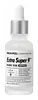
This hydrating ampoule is formulated around Propolis Extract and Hyaluronic Acid to hydrate skin and strengthen the skin barrier.

What's inside
What's inside
 Key Ingredients
Benefits
Concerns
Ingredients Side-by-side
Water
Skin ConditioningGlycerin
Humectant


Propanediol
Solvent
Butylene Glycol
Humectant
Niacinamide
Smoothing









1,2-Hexanediol
Skin Conditioning
Betaine
Humectant
Hydroxyacetophenone
Antioxidant
Acrylates/C10-30 Alkyl Acrylate Crosspolymer
Emulsion StabilisingGlycereth-25 PCA Isostearate
Emulsifying

Tromethamine
BufferingZea Mays Kernel Extract
Ethylhexylglycerin
Skin ConditioningCetyl Ethylhexanoate
EmollientEthylhexyl Palmitate
Emollient


Pvp
Emulsion StabilisingSqualane
Emollient
Adenosine
Skin Conditioning
Sucrose Distearate
Emollient
Caprylic/Capric Triglyceride
Masking
Tetrasodium EDTA
Sodium Citrate
BufferingHydrogenated Lecithin
Emulsifying
Citric Acid
Buffering
Gluconolactone
Skin Conditioning
Hyaluronic Acid
Humectant
Hydrolyzed Hyaluronic Acid
Humectant
Sodium Hyaluronate
Humectant
Butyl Avocadate
Skin Conditioning
Sodium Polyacrylate
Absorbent
Citrus Grandis Fruit Extract
Astringent
Fructan
Skin ConditioningMagnolia Officinalis Bark Extract
Antimicrobial
Glucose
Humectant
Centella Asiatica Extract
Cleansing
Lactic Acid
Buffering
Chamomilla Recutita Extract
Skin Conditioning
Portulaca Oleracea Extract
Skin Conditioning
Citrus Limon Fruit Extract
Masking
Citrus Tangerina Peel Extract
AstringentCitrus Limon Peel Extract
EmollientPolygonum Fagopyrum Seed Extract
Skin ConditioningCarica Papaya Fruit Extract
Skin ConditioningDaucus Carota Sativa Root Extract
Skin Conditioning
Polyglyceryl-10 Oleate
Skin Conditioning
Punica Granatum Flower Extract
Skin Conditioning
Persea Gratissima Fruit Extract
EmollientSolanum Lycopersicum Fruit Extract
Antioxidant
Aluminum Sucrose Octasulfate
Skin ConditioningTerminalia Ferdinandiana Fruit Extract
Antioxidant
Tocopherol
Antioxidant
Isohexadecane
EmollientSodium Acetylated Hyaluronate
Humectant
Polyglyceryl-10 Stearate
Skin Conditioning
Gardenia Florida Flower Extract
Skin ConditioningSorbitan Laurate
Emulsifying
Sodium Ascorbyl Phosphate
Antioxidant
Polygonum Cuspidatum Root Extract
Antioxidant
Copper Tripeptide-1
Skin Conditioning
Palmitoyl Pentapeptide-4
Skin Conditioning
Acetyl Hexapeptide-8
Humectant
Palmitoyl Tripeptide-1
Skin Conditioning
Water, Glycerin, Propanediol, Butylene Glycol, Niacinamide, 1,2-Hexanediol, Betaine, Hydroxyacetophenone, Acrylates/C10-30 Alkyl Acrylate Crosspolymer, Glycereth-25 PCA Isostearate, Tromethamine, Zea Mays Kernel Extract, Ethylhexylglycerin, Cetyl Ethylhexanoate, Ethylhexyl Palmitate, Pvp, Squalane, Adenosine, Sucrose Distearate, Caprylic/Capric Triglyceride, Tetrasodium EDTA, Sodium Citrate, Hydrogenated Lecithin, Citric Acid, Gluconolactone, Hyaluronic Acid, Hydrolyzed Hyaluronic Acid, Sodium Hyaluronate, Butyl Avocadate, Sodium Polyacrylate, Citrus Grandis Fruit Extract, Fructan, Magnolia Officinalis Bark Extract, Glucose, Centella Asiatica Extract, Lactic Acid, Chamomilla Recutita Extract, Portulaca Oleracea Extract, Citrus Limon Fruit Extract, Citrus Tangerina Peel Extract, Citrus Limon Peel Extract, Polygonum Fagopyrum Seed Extract, Carica Papaya Fruit Extract, Daucus Carota Sativa Root Extract, Polyglyceryl-10 Oleate, Punica Granatum Flower Extract, Persea Gratissima Fruit Extract, Solanum Lycopersicum Fruit Extract, Aluminum Sucrose Octasulfate, Terminalia Ferdinandiana Fruit Extract, Tocopherol, Isohexadecane, Sodium Acetylated Hyaluronate, Polyglyceryl-10 Stearate, Gardenia Florida Flower Extract, Sorbitan Laurate, Sodium Ascorbyl Phosphate, Polygonum Cuspidatum Root Extract, Copper Tripeptide-1, Palmitoyl Pentapeptide-4, Acetyl Hexapeptide-8, Palmitoyl Tripeptide-1
Water
Skin ConditioningPropanediol
Solvent
Glycerin
Humectant
1,2-Hexanediol
Skin Conditioning
Propolis Extract 0.02%
Skin Conditioning
Dimethicone
Emollient
Sodium Citrate
BufferingBetaine
Humectant
Sorbitol
Humectant
Hydrogenated Lecithin
Emulsifying
Sorbitan Sesquioleate
Emulsifying
PEG-60 Hydrogenated Castor Oil
Emulsifying
Citric Acid
Buffering
Pelargonium Graveolens Flower Oil
Masking

Butylene Glycol
Humectant
Pentylene Glycol
Skin Conditioning
Hyaluronic Acid
Humectant
Panthenol
Skin Conditioning
Hydroxyphenyl Propamidobenzoic Acid
Skin ConditioningGluconolactone
Skin Conditioning
Lactobionic Acid
Buffering
Pantolactone
Humectant
Ascorbyl Palmitate
Antioxidant
Disodium EDTA
Citronellol
Perfuming
Geraniol
Perfuming
Water, Propanediol, Glycerin, 1,2-Hexanediol, Propolis Extract 0.02%, Dimethicone, Sodium Citrate, Betaine, Sorbitol, Hydrogenated Lecithin, Sorbitan Sesquioleate, PEG-60 Hydrogenated Castor Oil, Citric Acid, Pelargonium Graveolens Flower Oil, Butylene Glycol, Pentylene Glycol, Hyaluronic Acid, Panthenol, Hydroxyphenyl Propamidobenzoic Acid, Gluconolactone, Lactobionic Acid, Pantolactone, Ascorbyl Palmitate, Disodium EDTA, Citronellol, Geraniol
Reviews
Ingredients Explained
These ingredients are found in both products.
Ingredients higher up in an ingredient list are typically present in a larger amount.
1,2-Hexanediol is a synthetic liquid and another multi-functional powerhouse.
It is a:
- Humectant, drawing moisture into the skin
- Emollient, helping to soften skin
- Solvent, dispersing and stabilizing formulas
- Preservative booster, enhancing the antimicrobial activity of other preservatives
Betaine is a humectant. Like hyaluronic acid, it helps attract and retain moisture in the skin. It’s known for being gentle and for helping the skin maintain balanced hydration.
Betaine is mainly used to improve hydration and support calmer skin. It helps skin cells regulate water balance because it functions as an osmolyte.
Some studies suggest betaine may support making skin tone more even.
Fun fact: Betaine naturally exists in the skin and the body. In cosmetic products, it can be either plant-derived (most commonly from sugar beets) or synthetically produced for consistency and stability.
Betaine is also known as trimethylglycine.
Learn more about BetaineButylene Glycol (or BG) is used within cosmetic products for a few different reasons:
Overall, Butylene Glycol is a safe and well-rounded ingredient that works well with other ingredients.
Though this ingredient works well with most skin types, some people with sensitive skin may experience a reaction such as allergic rashes, closed comedones, or itchiness.
Learn more about Butylene GlycolCitric Acid is an alpha hydroxy acid (AHA) naturally found in citrus fruits like oranges, lemons, and limes.
Like other AHAs, citric acid can exfoliate skin by breaking down the bonds that hold dead skin cells together. This helps reveal smoother and brighter skin underneath.
However, this exfoliating effect only happens at high concentrations (20%) which can be hard to find in cosmetic products.
Due to this, citric acid is usually included in small amounts as a pH adjuster. This helps keep products slightly more acidic and compatible with skin's natural pH.
In skincare formulas, citric acid can:
While it can provide some skin benefits, research shows lactic acid and glycolic acid are generally more effective and less irritating exfoliants.
Most citric acid used in skincare today is made by fermenting sugars (usually from molasses). This synthetic version is identical to the natural citrus form but easier to stabilize and use in formulations.
Rosacea skin has a lower threshold for acids generally, with 62.5% of rosacea subjects in one study reacting to lactic acid in a sting test. This is why we mark citric acid as a potential rosacea trigger.
However, this ingredient shows up as a pH adjuster or chelator at roughly 0.1-1% in many products. These low levels are unlikely to be an issue for rosacea skin and becomes a potential trigger at exfoliating concentrations (20%). Because everybody's skin is unique, we recommend a patch test if you are unsure.
Learn more about Citric AcidGluconolactone is a PHA. PHAs are a great gentle alternative to traditional AHAs.
When applied, Gluconolactone has the same affect on skin as AHAs such as lactic acid. It helps dissolve the dead skin cells in the top layer of your skin. This improves texture and brightens the skin.
PHAs are more gentle than AHAs due to their larger structure. They do not penetrate as deeply as AHAs and take a longer time to dissolve dead cells. Studies show PHAs do not cause as much irritation.
Gluconolactone has some interesting properties:
In a 2004 study, Gluconolactone was found to prevent UV damage in mouse skin cells and has not been found to increase sun sensitivity. However, we still recommend wearing SPF daily.
This ingredient is is an created by reacting gluconic acid with an alcohol.
Learn more about GluconolactoneGlycerin (or glycerol) is a compound naturally found in your skin. It's a powerhouse humectant that pulls water into the stratum corneum.
Topically, glycerin does several things at once:
Your skin makes glycerin on its own (mostly from sebaceous oil breakdown) and shuttles it to your outermost layer of skin, or your epidermis, via aquaporin-3.
Aquaporin-3 is a transporter that is essential for normal skin hydration, elasticity, and repair. Interestingly, mice lacking in AQP3 have dry and less elastic skin that can be fully corrected with glycerin.
This ingredient is non-irritating, plays well with almost every ingredient, and works across all skin types. Typical use is anywhere between 3-10% but can go up to 79% in some leave-on products.
Just know very high concentrations (>40%) can feel tacky in low humidity.
Glycerin is the name for this ingredient in American English. British English uses Glycerol/Glycerine.
Learn more about GlycerinHyaluronic acid (HA) is a glycosaminoglycan (basically a long sugar chain) that your skin already makes on its own. In your skin, HA lives in the extracellular matrix and acts as the body's moisture reservoir.
Topically, HA is a humectant that binds water and helps skin look more plump, smooth, and hydrated.
The only catch is that HA isn't a single thing; it actually comes in a wide range of molecular weights (~50 - 2,000+ kDA) and size matters.
Some clinical evidence links low molecular weight versions to improved wrinkle depth, elasticity, anti-inflammatory effects, and barrier repair.
This is why the best HA serums blend the two sizes together so you get the best of both worlds.
The majority of cosmetic HA is produced by bacterial fermentation, typically using Streptococcus or Bacillus strains. Typical use levels in skincare sit around 0.1-2%.
A clinical study using a 0.2% low-molecular weight HA gel showed improvement in facial seborrheic dermatitis with excellent tolerance.
These are some other common types of Hyaluronic Acid:
Learn more about Hyaluronic AcidHydrogenated Lecithin is a more stable version of lecithin.
It's made by taking lecithin (a phospholipid commonly found in soybeans and egg yolks) and hydrogenating it. This just means the unsaturated fatty acids are turned into saturated ones so they don't go bad as easily.
This ingredient is an emollient, emulsifier, and penetration enhancer. As an emollient, it helps soften and hydrate skin by trapping moisture within. As an emulsifier, it prevents oil and water ingredients from separating.
Hydrogenated Lecithin can form tiny spherical structures made of phospholipid bilayers called liposomes. These liposomes are able to capture compounds inside their structure and deliver them through the skin barrier.
Because phospholipids are a natural component of our cell membranes, this ingredient is inherently compatible with skin.
A 2021 study found lecithin-based surfactants were less harsh and more tolerable comared to Sodium Lauryl Sulfate (SLS).
Learn more about Hydrogenated LecithinPropanediol is an all-star ingredient. It softens, hydrates, and smooths the skin.
It’s often used to:
Propanediol is not likely to cause sensitivity and considered safe to use. It is derived from corn or petroleum with a clear color and no scent.
Learn more about PropanediolSodium Citrate is the sodium salts of citric acid. In skincare, it is used to alter pH levels and acts as a preservative.
Its main functions are to maintain the pH of a product and neutralize metal ions.
The acidity of our skin is maintained by our glands and skin biome; normal pH level of skin is slightly acidic (~4.75-5.5).
Being slightly acidic allows our skin to create an "acid mantle". This acid mantle is a thin barrier that protects our skin from bacteria and contaminants.
Learn more about Sodium CitrateWater. It's the most common cosmetic ingredient of all. You'll usually see it at the top of ingredient lists, meaning that it makes up the largest part of the product.
So why is it so popular? Water most often acts as a solvent - this means that it helps dissolve other ingredients into the formulation.
You'll also recognize water as that liquid we all need to stay alive. If you see this, drink a glass of water. Remember to stay hydrated!
Learn more about Water

