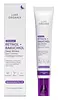
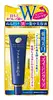
Luxe Organix Advanced Retinol + Bakuchiol Deep Wrinkle Eye Contour Overnight Cream Versus Meishoku Brilliant Colors Whitening Eye Cream
This anti-aging eye moisturizer is formulated around Niacinamide and Retinol to soften the look of wrinkles and refine skin texture.
This brightening eye moisturizer is formulated around Tocopheryl Acetate to brighten dull-looking skin.


What's inside
What's inside
 Key Ingredients
Benefits
Concerns
Ingredients Side-by-side
Water
Skin ConditioningCaprylic/Capric Triglyceride
Masking


Niacinamide
Smoothing










Cetearyl Alcohol
Emollient





Glyceryl Stearate
Emollient
Vegetable Oil
Skin Conditioning
Glycerin
Humectant
Adenosine
Skin Conditioning
Propanediol
Solvent
Dimethicone
Emollient
Polysorbate 60
Emulsifying
PEG-100 Stearate
Surfactant
Retinol
Skin Conditioning

Sh-Oligopeptide-1
Skin Conditioning
Palmitoyl Tripeptide-1
Skin Conditioning
Palmitoyl Pentapeptide-4
Skin Conditioning
Hexapeptide-9
Skin Conditioning
Acetyl Hexapeptide-8
Humectant
Copper Tripeptide-1
Skin Conditioning
Glycine Soja Oil
Emollient
Sesamum Indicum Seed Extract
Skin Conditioning
Sophora Flavescens Root Extract
Antioxidant
Cimicifuga Racemosa Root Extract
Antimicrobial
Morus Alba Bark Extract
Skin ConditioningGlycyrrhiza Glabra Root Extract
Bleaching
Phellinus Linteus Extract
Skin ConditioningAngelica Gigas Root Extract
Skin ConditioningPolygonum Multiflorum Root Extract
Skin ConditioningScutellaria Baicalensis Root Extract
Astringent
Melaleuca Alternifolia Leaf Extract
Perfuming
Lactobacillus Ferment Lysate
Skin Conditioning
Bifida Ferment Filtrate
Skin Conditioning
Lactococcus Ferment Lysate
Skin Conditioning
Hydrolyzed Collagen
Emollient
Squalane
Emollient
Sodium Hyaluronate
Humectant
Sodium Hyaluronate Crosspolymer
Humectant
Hydrolyzed Hyaluronic Acid
Humectant
Hyaluronic Acid
Humectant
Hydrolyzed Sodium Hyaluronate
Skin Conditioning
Bakuchiol
Antimicrobial
Caffeine
Skin Conditioning
Ceramide NP
Skin Conditioning
Panthenol
Skin Conditioning
Tocopheryl Acetate
Antioxidant
Sodium Ascorbyl Phosphate
Antioxidant
Retinyl Palmitate
Skin Conditioning
Biotin
AntiseborrhoeicFolic Acid
Skin ConditioningThiamine Hcl
MaskingCyanocobalamin
Skin ConditioningGlyceryl Arachidonate
Emollient
Glyceryl Linolenate
Emollient
Hydrogenated Lecithin
Emulsifying
Arginine
Masking
Butylene Glycol
Humectant
1,2-Hexanediol
Skin Conditioning
Palmitic Acid
Emollient
Polyglyceryl-10 Laurate
Skin Conditioning
Pentylene Glycol
Skin Conditioning
Polysorbate 20
Emulsifying
BHT
Antioxidant
Disodium EDTA
ChelatingEDTA
ChelatingWater, Caprylic/Capric Triglyceride, Niacinamide, Cetearyl Alcohol, Glyceryl Stearate, Vegetable Oil, Glycerin, Adenosine, Propanediol, Dimethicone, Polysorbate 60, PEG-100 Stearate, Retinol, Sh-Oligopeptide-1, Palmitoyl Tripeptide-1, Palmitoyl Pentapeptide-4, Hexapeptide-9, Acetyl Hexapeptide-8, Copper Tripeptide-1, Glycine Soja Oil, Sesamum Indicum Seed Extract, Sophora Flavescens Root Extract, Cimicifuga Racemosa Root Extract, Morus Alba Bark Extract, Glycyrrhiza Glabra Root Extract, Phellinus Linteus Extract, Angelica Gigas Root Extract, Polygonum Multiflorum Root Extract, Scutellaria Baicalensis Root Extract, Melaleuca Alternifolia Leaf Extract, Lactobacillus Ferment Lysate, Bifida Ferment Filtrate, Lactococcus Ferment Lysate, Hydrolyzed Collagen, Squalane, Sodium Hyaluronate, Sodium Hyaluronate Crosspolymer, Hydrolyzed Hyaluronic Acid, Hyaluronic Acid, Hydrolyzed Sodium Hyaluronate, Bakuchiol, Caffeine, Ceramide NP, Panthenol, Tocopheryl Acetate, Sodium Ascorbyl Phosphate, Retinyl Palmitate, Biotin, Folic Acid, Thiamine Hcl, Cyanocobalamin, Glyceryl Arachidonate, Glyceryl Linolenate, Hydrogenated Lecithin, Arginine, Butylene Glycol, 1,2-Hexanediol, Palmitic Acid, Polyglyceryl-10 Laurate, Pentylene Glycol, Polysorbate 20, BHT, Disodium EDTA, EDTA
Placental Extract
Tocopheryl Acetate
Antioxidant
Collagen
Moisturising
Hydrolyzed Collagen
Emollient
Coix Lacryma-Jobi Ma-Yuen Seed Extract
Skin ConditioningDiospyros Kaki Fruit Extract
Skin ConditioningPCA
Humectant
Malic Acid
Buffering

Oryza Sativa Bran Oil
Emollient
Glycosphingolipids
EmollientHydrogenated Lecithin
Emulsifying
Tocopherol
Antioxidant
Hydroxyproline
Skin ConditioningGlycerin
Humectant
Butylene Glycol
Humectant
Pentylene Glycol
Skin Conditioning
Polyglyceryl-2 Oleate
Emulsifying
Glyceryl Stearate Se
Emulsifying
Polyglyceryl-6 Stearate
Emollient
Ethylhexyl Palmitate
Emollient
Beeswax
Emulsion Stabilising
Dimethicone
Emollient
Stearic Acid
Cleansing
Caprylic/Capric Triglyceride
Masking
Dipentaerythrityl Hexahydroxystearate/Hexastearate/Hexarosinate
Skin ConditioningHydrogenated Polybutene
Behenyl Alcohol
Emollient
Poly(2-Methacryloyloxyethyl Phosphorylcholine-Co-N-Butyl Methacrylate)
Alcohol
Antimicrobial

Phenoxyethanol
Preservative
Methylparaben
Preservative

Parfum
Masking
Placental Extract, Tocopheryl Acetate, Collagen, Hydrolyzed Collagen, Coix Lacryma-Jobi Ma-Yuen Seed Extract, Diospyros Kaki Fruit Extract, PCA, Malic Acid, Oryza Sativa Bran Oil, Glycosphingolipids, Hydrogenated Lecithin, Tocopherol, Hydroxyproline, Glycerin, Butylene Glycol, Pentylene Glycol, Polyglyceryl-2 Oleate, Glyceryl Stearate Se, Polyglyceryl-6 Stearate, Ethylhexyl Palmitate, Beeswax, Dimethicone, Stearic Acid, Caprylic/Capric Triglyceride, Dipentaerythrityl Hexahydroxystearate/Hexastearate/Hexarosinate, Hydrogenated Polybutene, Behenyl Alcohol, Poly(2-Methacryloyloxyethyl Phosphorylcholine-Co-N-Butyl Methacrylate), Alcohol, Phenoxyethanol, Methylparaben, Parfum
Reviews
Alternatives
Ingredients Explained
These ingredients are found in both products.
Ingredients higher up in an ingredient list are typically present in a larger amount.
Butylene Glycol (or BG) is used within cosmetic products for a few different reasons:
Overall, Butylene Glycol is a safe and well-rounded ingredient that works well with other ingredients.
Though this ingredient works well with most skin types, some people with sensitive skin may experience a reaction such as allergic rashes, closed comedones, or itchiness.
Learn more about Butylene GlycolCaprylic/Capric Triglyceride (aka MCT Oil) is a lightweight emollient, solvent, and texture enhancer. It is considered a skin-softener by helping to prevent moisture loss.
Though it behaves like an oil, it is not technically one due to its chemical composition. One perk of this ingredient is that it is very stable, resistant to oxidation, and unlikely to go rancid.
In practice, that translates to a long shelf life and a consistently elegant skin feel.
While there is an assumption Caprylic Triglyceride can clog pores due to it being derived from coconut oil, there is no research supporting this. Just patch test if you have concerns.
Fractionated coconut oil and MCT Oil are both listed as Caprylic/Capric Triglyceride according to INCI. This is because INCI names are based on the ingredient’s final chemical composition and not its marketing name or source.
This ingredient is treated as the gold standard fungal acne safe oil. Even though it is coconut derived, the problematic lauric acid is stripped out.
This leaves just caprylic (C8) and capric (C10) acid. These chain lengths actually trend antifungal; a 2020 study found caprylic acid was enough to disrupt Malassezia furfur cell membrane, with a caprylic acid derivative damaging membrane structures at concentrations as low as 0.2%.
Learn more about Caprylic/Capric TriglycerideDimethicone is a type of synthetic silicone created from natural materials such as quartz. It is also known as polydimethylsiloxane.
What it does:
Dimethicone comes in different viscosities:
Depending on the viscosity, dimethicone has different properties.
Ingredients lists don't always show which type is used, so we recommend reaching out to the brand if you have questions about the viscosity.
This ingredient is unlikely to cause irritation because it does not get absorbed into skin. However, people with silicone allergies should be careful about using this ingredient.
Note: Dimethicone may contribute to pilling. This is because it is not oil or water soluble, so pilling may occur when layered with products. When mixed with heavy oils in a formula, the outcome is also quite greasy.
Learn more about DimethiconeGlycerin (or glycerol) is a compound naturally found in your skin. It's a powerhouse humectant that pulls water into the stratum corneum.
Topically, glycerin does several things at once:
Your skin makes glycerin on its own (mostly from sebaceous oil breakdown) and shuttles it to your outermost layer of skin, or your epidermis, via aquaporin-3.
Aquaporin-3 is a transporter that is essential for normal skin hydration, elasticity, and repair. Interestingly, mice lacking in AQP3 have dry and less elastic skin that can be fully corrected with glycerin.
This ingredient is non-irritating, plays well with almost every ingredient, and works across all skin types. Typical use is anywhere between 3-10% but can go up to 79% in some leave-on products.
Just know very high concentrations (>40%) can feel tacky in low humidity.
Glycerin is the name for this ingredient in American English. British English uses Glycerol/Glycerine.
Learn more about GlycerinHydrogenated Lecithin is a more stable version of lecithin.
It's made by taking lecithin (a phospholipid commonly found in soybeans and egg yolks) and hydrogenating it. This just means the unsaturated fatty acids are turned into saturated ones so they don't go bad as easily.
This ingredient is an emollient, emulsifier, and penetration enhancer. As an emollient, it helps soften and hydrate skin by trapping moisture within. As an emulsifier, it prevents oil and water ingredients from separating.
Hydrogenated Lecithin can form tiny spherical structures made of phospholipid bilayers called liposomes. These liposomes are able to capture compounds inside their structure and deliver them through the skin barrier.
Because phospholipids are a natural component of our cell membranes, this ingredient is inherently compatible with skin.
A 2021 study found lecithin-based surfactants were less harsh and more tolerable comared to Sodium Lauryl Sulfate (SLS).
Learn more about Hydrogenated LecithinHydrolyzed Collagen is Collagen (usually sourced from fish, bovine, or porcine byproducts) that's been broken down into smaller peptides. This makes it water-soluble and easy to blend into formulations.
In a formula, it works mainly as a skin-conditioning and moisturizing agent.
The small peptides and amino acids (including Natural Moisturizing Factor components like Hydroxyproline, Serine, and Aspartic Acid) help the surface of the skin hold onto water, feel softer, and look temporarily plumper.
This ingredient also has mild film-forming and antioxidant properties with research showing the antioxidant effect is stronger the lower the molecular weight of the peptides.
It's worth being realistic here:
Topically applied Hydrolyzed Collagen conditions the upper layers of skin rather than rebuilding the structural collagen deep in your dermis (the wrinkle-and-firmness benefits people associate with Collagen mostly come from oral supplements in studies, not topicals).
However, recent lab and skin-model work on Hydrolyzed Fish Collagen has shown promising effects on cell viability and wound healing when used as an active.
Typical concentrations range from 0.2-2%, but the percentage can go much higher in rinse-off or hair products (sometimes even above 50%).
Clinical studies on this ingredient showed no irritation, sensitization, or phototoxicity.
If you are looking for vegan collagen, it usually goes by a different INCI name like hydrolyzed soy protein. Vegan collagen is derived from yeast, bacteria, or plant sources.
The results are varied.
A study from 2021 found hydrolyzed collagen increased elasticity and improved wrinkles in 1,125 participants between age 20 and 70. Another study found increased skin thickness in participants between the ages of 45 to 59.
However, It is difficult to prove that oral collagen will end up working on your skin. Many of the studies using hydrolyzed collagen also add several vitamins and nutrients into the test mixture as well.
Further studies are needed at this time.
Learn more about Hydrolyzed CollagenPentylene Glycol (1,2-pentanediol) is a multitasking little diol with three main roles in a formula:
Research on alkanediols (the family pentylene glycol belongs to) show they work by disrupting microbial cell membranes. This disruption helps the primary preservative system in a product work more effectively at lower doses.
On the safety side, the Cosmetic Ingredient Review Expert Panel has concluded this ingredient to be safe as used in current cosmetic practices + concentrations.
Typical use levels in a formula run about 1-5%.
Learn more about Pentylene GlycolTocopheryl Acetate is a stable, shelf-friendly form of vitamin E.
Formulators love it because plain vitamin E oxidizes quickly once it hits air. This acetate version stays stable and resists going off, helping to extend a product's shelf life.
It's actually inactive on its own and works like a slow-release "storage" form; the enzymes in your skin called esterases gradually convert it into active vitamin E over time.
One in vivo study showed 5% of the acetate in the living layer of the epidermis converted to vitamin E after 5 days of application. This study also found the skin gained protection against UV damage even though the conversion was slow and small.
Once converted, vitamin E acts as a skin's main fat-soluble antioxidant that fights free radicals to protect skin from damage.
Topical vitamin E generally boosts the skin's photoprotection, and it reduced UV-damage in animal models.
This ingredient has some brightening potential but it's more of a prevention ingredient than spot-fader. Cell studies show it can slow down melanin production but it's worth noting that it's not the most powerful brightener out there.
Overall, it has a pretty solid safety profile and has been found to be non-irritating and non-comedogenic. Allergic reactions may happen but stay rare due to how widely the ingredient gets used.
The concentration will vary depending on the formula; industry data shows 0.1% in baby lotions, 3% in lipsticks, and 5% in foot powders. You can also find this ingredient at 100% in a pure vitamin E oil.
Most leave-on skincare keeps it at the lower end, often between 0.5-1%.
Learn more about Tocopheryl Acetate

