
What's inside
What's inside
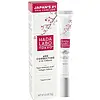 Key Ingredients
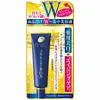
Benefits
Concerns
Ingredients Side-by-side
Water
Skin ConditioningHydroxyethyl Urea
Humectant
Butylene Glycol
Humectant
Glycerin
Humectant


Pentylene Glycol
Skin ConditioningPEG/PPG/Polybutylene Glycol-8/5/3 Glycerin
HumectantSqualane
Emollient
Triethylhexanoin
MaskingAmmonium Acryloyldimethyltaurate/Vp Copolymer
Mica
Cosmetic Colorant
Agar
MaskingAlbizia Julibrissin Bark Extract
MaskingAlpha-Glucan
HumectantAluminum Hydroxide
EmollientArginine
Masking
Caffeine
Skin Conditioning

Caprylic/Capric Triglyceride
Masking
Citric Acid
Buffering




Darutoside
Skin ConditioningDimethicone
Emollient
Dipropylene Glycol
HumectantDisodium EDTA
Glucosyl Ceramide
Skin Conditioning
Hydrolyzed Collagen
Emollient
Hydrolyzed Hyaluronic Acid
Humectant
Iodopropynyl Butylcarbamate
Preservative
Methylisothiazolinone
Preservative
Physalis Angulata Extract
Skin ProtectingSilica
Abrasive
Sodium Acetylated Hyaluronate
Humectant
Sodium Chloride
Masking

Sodium Citrate
BufferingSodium Hyaluronate
Humectant
Titanium Dioxide
Cosmetic Colorant

Triethyl Citrate
Masking
Water, Hydroxyethyl Urea, Butylene Glycol, Glycerin, Pentylene Glycol, PEG/PPG/Polybutylene Glycol-8/5/3 Glycerin, Squalane, Triethylhexanoin, Ammonium Acryloyldimethyltaurate/Vp Copolymer, Mica, Agar, Albizia Julibrissin Bark Extract, Alpha-Glucan, Aluminum Hydroxide, Arginine, Caffeine, Caprylic/Capric Triglyceride, Citric Acid, Darutoside, Dimethicone, Dipropylene Glycol, Disodium EDTA, Glucosyl Ceramide, Hydrolyzed Collagen, Hydrolyzed Hyaluronic Acid, Iodopropynyl Butylcarbamate, Methylisothiazolinone, Physalis Angulata Extract, Silica, Sodium Acetylated Hyaluronate, Sodium Chloride, Sodium Citrate, Sodium Hyaluronate, Titanium Dioxide, Triethyl Citrate
Placental Extract
Tocopheryl Acetate
Antioxidant

Collagen
Moisturising
Tripeptide-8
Skin Conditioning
Coix Lacryma-Jobi Ma-Yuen Seed Extract
Skin ConditioningDiospyros Kaki Fruit Extract
Skin ConditioningPCA
Humectant
Aluminum Acetate Solution
AstringentMalic Acid
Buffering

Oryza Sativa Bran Oil
Emollient
Glycosphingolipids
EmollientPhospholipids
Skin Conditioning
Tocopherol
Antioxidant
Hydroxyproline
Skin ConditioningGlycerin
Humectant
Butylene Glycol
Humectant
1,5-Pentanediol
SolventPolyglyceryl-2 Oleate
Emulsifying
Glyceryl Stearate
Emollient
Polyglyceryl-5 Stearate
EmulsifyingEthylhexyl Palmitate
Emollient
Beeswax
Emulsion Stabilising
Dimethicone
Emollient
Stearic Acid
Cleansing
Caprylyl Alcohol
Masking
Polypentaerythrityl C5-10 Acid Esters
Hydrogenated Polybutene
Behenyl Alcohol
Emollient
C4-18 Alkyl Methacrylate/Methacryloyloxyethyl Phosphorylcholine Copolymer
HumectantAlcohol Denat.
Antimicrobial
Phenoxyethanol
Preservative
Sodium Paraben
Preservative
Parfum
Masking
Placental Extract, Tocopheryl Acetate, Collagen, Tripeptide-8, Coix Lacryma-Jobi Ma-Yuen Seed Extract, Diospyros Kaki Fruit Extract, PCA, Aluminum Acetate Solution, Malic Acid, Oryza Sativa Bran Oil, Glycosphingolipids, Phospholipids, Tocopherol, Hydroxyproline, Glycerin, Butylene Glycol, 1,5-Pentanediol, Polyglyceryl-2 Oleate, Glyceryl Stearate, Polyglyceryl-5 Stearate, Ethylhexyl Palmitate, Beeswax, Dimethicone, Stearic Acid, Caprylyl Alcohol, Polypentaerythrityl C5-10 Acid Esters, Hydrogenated Polybutene, Behenyl Alcohol, C4-18 Alkyl Methacrylate/Methacryloyloxyethyl Phosphorylcholine Copolymer, Alcohol Denat., Phenoxyethanol, Sodium Paraben, Parfum
Reviews
Alternatives
Ingredients Explained
These ingredients are found in both products.
Ingredients higher up in an ingredient list are typically present in a larger amount.
Butylene Glycol (or BG) is used within cosmetic products for a few different reasons:
Overall, Butylene Glycol is a safe and well-rounded ingredient that works well with other ingredients.
Though this ingredient works well with most skin types, some people with sensitive skin may experience a reaction such as allergic rashes, closed comedones, or itchiness.
Learn more about Butylene GlycolDimethicone is a type of synthetic silicone created from natural materials such as quartz.
What it does:
Dimethicone comes in different viscosities:
Depending on the viscosity, dimethicone has different properties.
Ingredients lists don't always show which type is used, so we recommend reaching out to the brand if you have questions about the viscosity.
This ingredient is unlikely to cause irritation because it does not get absorbed into skin. However, people with silicone allergies should be careful about using this ingredient.
Note: Dimethicone may contribute to pilling. This is because it is not oil or water soluble, so pilling may occur when layered with products. When mixed with heavy oils in a formula, the outcome is also quite greasy.
Learn more about DimethiconeGlycerin is already naturally found in your skin. It helps moisturize and protect your skin.
A study from 2016 found glycerin to be more effective as a humectant than AHAs and hyaluronic acid.
As a humectant, it helps the skin stay hydrated by pulling moisture to your skin. The low molecular weight of glycerin allows it to pull moisture into the deeper layers of your skin.
Hydrated skin improves your skin barrier; Your skin barrier helps protect against irritants and bacteria.
Glycerin has also been found to have antimicrobial and antiviral properties. Due to these properties, glycerin is often used in wound and burn treatments.
In cosmetics, glycerin is usually derived from plants such as soybean or palm. However, it can also be sourced from animals, such as tallow or animal fat.
This ingredient is organic, colorless, odorless, and non-toxic.
Glycerin is the name for this ingredient in American English. British English uses Glycerol/Glycerine.
Learn more about Glycerin
