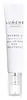
This brightening eye moisturizer is formulated around Ascorbyl Glucoside to brighten dull-looking skin.
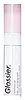
This anti-aging eye moisturizer is formulated around Squalane and Palmitoyl Tripeptide-38 to soften the look of wrinkles and hydrate skin.


What's inside
What's inside
 Key Ingredients
Benefits
Concerns
Ingredients Side-by-side
Water
Skin ConditioningGlycerin
Humectant


Decyl Cocoate
Emollient




Aluminum Starch Octenylsuccinate
Absorbent
Butylene Glycol
Humectant
Persea Gratissima Oil
Skin Conditioning

Dimethicone
Emollient
Butyrospermum Parkii Butter
Skin Conditioning
Rubus Chamaemorus Seed Extract
Skin ConditioningPhenoxyethanol
Preservative
Albizia Julibrissin Bark Extract
MaskingPanthenol
Skin Conditioning

Tocopheryl Acetate
Antioxidant


Ceteth-20
CleansingCetyl Alcohol
Emollient
Glyceryl Stearate
Emollient
PEG-75 Stearate
Surfactant
Steareth-20
CleansingCI 77891
Cosmetic ColorantMica
Cosmetic ColorantPolysilicone-11
Polyvinyl Alcohol
Sodium Polyacrylate
Absorbent
Undecane
EmollientAscorbyl Glucoside
Antioxidant

Tridecane
Perfuming

Propanediol
Solvent
Disodium EDTA
ChelatingEthylhexylglycerin
Skin ConditioningAllantoin
Skin Conditioning
Sodium Hydroxide
BufferingXanthan Gum
EmulsifyingAdenosine
Skin Conditioning
Caprylyl Glycol
Emollient
Hydrolyzed Hyaluronic Acid
Humectant
Sodium Citrate
BufferingSodium Benzoate
Masking
Darutoside
Skin ConditioningGlucose
Humectant
Citric Acid
Buffering
Chondrus Crispus Extract
Skin Conditioning
Tocopherol
Antioxidant
Helianthus Annuus Seed Oil
Emollient
Water, Glycerin, Decyl Cocoate, Aluminum Starch Octenylsuccinate, Butylene Glycol, Persea Gratissima Oil, Dimethicone, Butyrospermum Parkii Butter, Rubus Chamaemorus Seed Extract, Phenoxyethanol, Albizia Julibrissin Bark Extract, Panthenol, Tocopheryl Acetate, Ceteth-20, Cetyl Alcohol, Glyceryl Stearate, PEG-75 Stearate, Steareth-20, CI 77891, Mica, Polysilicone-11, Polyvinyl Alcohol, Sodium Polyacrylate, Undecane, Ascorbyl Glucoside, Tridecane, Propanediol, Disodium EDTA, Ethylhexylglycerin, Allantoin, Sodium Hydroxide, Xanthan Gum, Adenosine, Caprylyl Glycol, Hydrolyzed Hyaluronic Acid, Sodium Citrate, Sodium Benzoate, Darutoside, Glucose, Citric Acid, Chondrus Crispus Extract, Tocopherol, Helianthus Annuus Seed Oil
Water
Skin ConditioningGlycerin
Humectant
Hydrogenated Polyisobutene
EmollientCera Microcristallina
Emulsion StabilisingDimethicone
Emollient
Polymethylsilsesquioxane
Caprylic/Capric Triglyceride
Masking
Isopropyl Palmitate
Emollient
Ethylhexyl Stearate
Emollient
Propanediol
Solvent
Undecane
EmollientSodium Chloride
MaskingLauryl PEG-9 Polydimethylsiloxyethyl Dimethicone
Skin Conditioning
Squalane
Emollient
Persea Gratissima Oil
Skin Conditioning
Palmitoyl Tripeptide-38
Skin Conditioning

Hydrolyzed Vegetable Protein
Skin ConditioningVaccinium Angustifolium Fruit Extract
Skin Protecting
Sodium Hyaluronate Crosspolymer
Humectant
Portulaca Pilosa Extract
Skin ConditioningHydrolyzed Hyaluronic Acid
Humectant
Swertia Chirata Extract
HumectantCetearyl Ethylhexanoate
Emollient
Disteardimonium Hectorite
StabilisingPEG/PPG-18/18 Dimethicone
Emulsifying
1,2-Hexanediol
Skin Conditioning
Tridecane
Perfuming
Propylene Carbonate
SolventLecithin
Emollient
Tocopheryl Acetate
Antioxidant
Polyglyceryl-4 Diisostearate/Polyhydroxystearate/Sebacate
Emulsifying
Sodium Citrate
BufferingSodium Isostearate
CleansingCaprylhydroxamic Acid
ChelatingSorbitan Isostearate
Emulsifying
Trisodium Ethylenediamine Disuccinate
ChelatingEthylhexylglycerin
Skin ConditioningPhenoxyethanol
Preservative
Potassium Sorbate
Preservative
Sodium Benzoate
Masking
Sucrose Cocoate
Emulsifying
Helianthus Annuus Seed Oil
Emollient
Tocopherol
Antioxidant
Water, Glycerin, Hydrogenated Polyisobutene, Cera Microcristallina, Dimethicone, Polymethylsilsesquioxane, Caprylic/Capric Triglyceride, Isopropyl Palmitate, Ethylhexyl Stearate, Propanediol, Undecane, Sodium Chloride, Lauryl PEG-9 Polydimethylsiloxyethyl Dimethicone, Squalane, Persea Gratissima Oil, Palmitoyl Tripeptide-38, Hydrolyzed Vegetable Protein, Vaccinium Angustifolium Fruit Extract, Sodium Hyaluronate Crosspolymer, Portulaca Pilosa Extract, Hydrolyzed Hyaluronic Acid, Swertia Chirata Extract, Cetearyl Ethylhexanoate, Disteardimonium Hectorite, PEG/PPG-18/18 Dimethicone, 1,2-Hexanediol, Tridecane, Propylene Carbonate, Lecithin, Tocopheryl Acetate, Polyglyceryl-4 Diisostearate/Polyhydroxystearate/Sebacate, Sodium Citrate, Sodium Isostearate, Caprylhydroxamic Acid, Sorbitan Isostearate, Trisodium Ethylenediamine Disuccinate, Ethylhexylglycerin, Phenoxyethanol, Potassium Sorbate, Sodium Benzoate, Sucrose Cocoate, Helianthus Annuus Seed Oil, Tocopherol
Reviews
Ingredients Explained
These ingredients are found in both products.
Ingredients higher up in an ingredient list are typically present in a larger amount.
Dimethicone is a type of synthetic silicone created from natural materials such as quartz. It is also known as polydimethylsiloxane.
What it does:
Dimethicone comes in different viscosities:
Depending on the viscosity, dimethicone has different properties.
Ingredients lists don't always show which type is used, so we recommend reaching out to the brand if you have questions about the viscosity.
This ingredient is unlikely to cause irritation because it does not get absorbed into skin. However, people with silicone allergies should be careful about using this ingredient.
Note: Dimethicone may contribute to pilling. This is because it is not oil or water soluble, so pilling may occur when layered with products. When mixed with heavy oils in a formula, the outcome is also quite greasy.
Learn more about DimethiconeEthylhexylglycerin is created from glycerin. It is a multitasker ingredient that:
The CIR Expert Panel found minimal skin absorption or sensitization of any kind in a safety assessment. Though this ingredient is considered well-tolerated, a small number of cases of allergic dermatitis have been published since 2002. Just be sure to patch test if you are unsure.
Industry-reported use ranges from 8% in rinse-off products and 2% in leave-on formulations.
Learn more about EthylhexylglycerinGlycerin (or glycerol) is a compound naturally found in your skin. It's a powerhouse humectant that pulls water into the stratum corneum.
Topically, glycerin does several things at once:
Your skin makes glycerin on its own (mostly from sebaceous oil breakdown) and shuttles it to your outermost layer of skin, or your epidermis, via aquaporin-3.
Aquaporin-3 is a transporter that is essential for normal skin hydration, elasticity, and repair. Interestingly, mice lacking in AQP3 have dry and less elastic skin that can be fully corrected with glycerin.
This ingredient is non-irritating, plays well with almost every ingredient, and works across all skin types. Typical use is anywhere between 3-10% but can go up to 79% in some leave-on products.
Just know very high concentrations (>40%) can feel tacky in low humidity.
Glycerin is the name for this ingredient in American English. British English uses Glycerol/Glycerine.
Learn more about GlycerinHelianthus Annuus Seed Oil is a plant oil derived from the seeds of a sunflower.
It is rich in fatty acids, primarily linoleic acid and oleic acid. This gives it emollient and skin conditioning properties.
The reason this ingredient is so effective is because it forms a thin film on the skin that reduces transepidermal water loss (TEWL) while supplying linoleic acid to the stratum corneum to improve barrier strength.
The high linoleic acid content is particularly noteworthy for acne-prone skin.
Research suggests that acne-prone skin tends to be deficient in linoleic acid in sebum. Topical application may help replenish this to support a healthier follicular environment and less comedone-promoting sebum.
One randomized study found sunflower seed oil preserved skin barrier integrity in adult volunteers with and without atopic dermatitis (outperforming olive oil).
This ingredient is well-studied, gentle, and an effective emollient suitable for most skin types.
On fungal acne: This ingredient may not be Fungal acne (Malassezia folliculitis) safe. This is because it contains fatty acids with carbon chain lengths in the C11-C24 range.
Learn more about Helianthus Annuus Seed OilHydrolyzed Hyaluronic Acid is hyaluronic acid (HA) that is broken down into lower molecular weight fragments.
It's a humectant that pulls and holds water in the skin to help with hydration, plumpness, and reduce transepidermal water loss.
Because hydrolyzed hyaluronic acid is smaller in size, it can slip past your outermost layer of skin more easily than full-sized HA.
Most formulations will combine all sizes to get the best of both worlds.
Typical usage levels range from 0.01-1%. Any percentage higher than 2% might become goopy and tacky.
Learn more about Hydrolyzed Hyaluronic AcidThis ingredient is also known as Avocado oil. It's the cold-pressed oil from the flesh of the avocado fruit packed with fatty acids (mostly oleic acid).
The rich fatty acid profile allows it to function as a skin conditioning agent and emollient; it helps soften and smooth skin while reducing water loss.
Preclinical research has found that topical avocado oil increased collagen synthesis and reduced inflammation during wound healing, giving it some skin-repairing credibility.
The unsaponifiable fraction of the oil is also interesting: studies on avocado unsaponifiables showed that it helped skin produce more collagen and other structural compounds that support healing.
The CIR Expert Panel has found this ingredient to be non-irritating in formulations.
This ingredient may not be fungal acne safe. This is because the oleic acid content falls within the range that Malassezia can use as a food source.
This ingredient does have a comedogenic rating of 0-3, but this doesn't mean a formula with this ingredient will clog pores. Human testing has proved that any finished product with a comedogenic ingredient won't automatically make you break out; it really comes down to concentration, formula, and your skin.
Learn more about Persea Gratissima OilPhenoxyethanol is one of the most widely used preservatives in skincare (and for good reason!).
It has a large spectrum of antimicrobial activity and especially effective bacteria, yeast, and mold while only having a weak effect on your skin's natural microbiome.
On a cellular level, it disrupts the cell membranes of microbes by poking holes that make the cell leak. This shuts down the chemical reactions the microbe needs to make energy so it can no longer survive.
Another perk of this ingredient is that it stays functional across a wide pH range (3-10).
You'll often see it paired with boosters like Ethylhexylglycerin; one study showed that a 1:9 ratio of Ethylhexylglycerin to Phenoxyethanol damages bacterial membranes as effectively as doubling the Phenoxyethanol concentration on its own.
Typical use concentrations range from 0.3-1% depending on the formula, and this ingredient is capped at 1% int the EU.
Safety-wise, the fear mongering does not hold up to the evidence. The EU's Scientific Committee on Consumer Safety and FDA consider it safe as a preservative at up to 1%, including for children of all ages.
Adverse systemic effects only showed up in animal studies at exposures roughly 200x higher than what people get from cosmetics. And despite its very widespread use, this ingredient is a rare sensitizer and allergic reactions are uncommon.
Learn more about PhenoxyethanolPropanediol is an all-star ingredient. It softens, hydrates, and smooths the skin.
It’s often used to:
Propanediol is not likely to cause sensitivity and considered safe to use. It is derived from corn or petroleum with a clear color and no scent.
Learn more about PropanediolSodium Benzoate is a preservative. It's used in both cosmetic and food products to inhibit the growth of mold and bacteria. It is typically produced synthetically.
Both the US FDA and EU Health Committee have approved the use of sodium benzoate. In the US, levels of 0.1% (of the total product) are allowed.
Sodium benzoate works as a preservative by inhibiting the growth of bacteria inside of cells. It prevents the cell from fermenting a type of sugar using an enzyme called phosphofructokinase.
It is the salt of benzoic acid. Foods containing sodium benzoate include soda, salad dressings, condiments, fruit juices, wines, and snack foods.
Studies for using ascorbic acid and sodium benzoate in cosmetics are lacking, especially in skincare routines with multiple steps.
We always recommend speaking with a professional, such as a dermatologist, if you have any concerns.
Learn more about Sodium BenzoateSodium Citrate is the sodium salts of citric acid. In skincare, it is used to alter pH levels and acts as a preservative.
Its main functions are to maintain the pH of a product and neutralize metal ions.
The acidity of our skin is maintained by our glands and skin biome; normal pH level of skin is slightly acidic (~4.75-5.5).
Being slightly acidic allows our skin to create an "acid mantle". This acid mantle is a thin barrier that protects our skin from bacteria and contaminants.
Learn more about Sodium CitrateTocopherol is a fat-soluble antioxidant known as Vitamin E.
You'll find this ingredient in the vast majority of skincare (for good reason). It works to neutralize free radicals, or unstable molecules generated by UV exposure, pollution, and other environmental stressors, before they can cause oxidative damage to your skin cells.
Topically applied tocopherol has been shown to protect against UV damage by ramping up the skin's own natural defense enzymes.
It also acts as a skin conditioning agent; some studies show that regular topical use can improve the skin's water-binding capacity over 2-4 weeks.
This ingredient is especially loved for being a team player. When combined with Vitamin C, the photoprotective effect of both ingredients roughly doubles and the combo also helps reduce UV-induced DNA damage.
This ingredient has some brightening potential but it's more of a prevention ingredient than spot-fader. Cell studies show it can slow down melanin production but it's worth noting that it's not the most powerful brightener out there.
In formulations, it also serves as a stabilizer that helps protect other oxidation-prone ingredients from degrading.
Concentrations usually range from 0.1-1% in most leave-on products.
Learn more about TocopherolTocopheryl Acetate is a stable, shelf-friendly form of vitamin E.
Formulators love it because plain vitamin E oxidizes quickly once it hits air. This acetate version stays stable and resists going off, helping to extend a product's shelf life.
It's actually inactive on its own and works like a slow-release "storage" form; the enzymes in your skin called esterases gradually convert it into active vitamin E over time.
One in vivo study showed 5% of the acetate in the living layer of the epidermis converted to vitamin E after 5 days of application. This study also found the skin gained protection against UV damage even though the conversion was slow and small.
Once converted, vitamin E acts as a skin's main fat-soluble antioxidant that fights free radicals to protect skin from damage.
Topical vitamin E generally boosts the skin's photoprotection, and it reduced UV-damage in animal models.
This ingredient has some brightening potential but it's more of a prevention ingredient than spot-fader. Cell studies show it can slow down melanin production but it's worth noting that it's not the most powerful brightener out there.
Overall, it has a pretty solid safety profile and has been found to be non-irritating and non-comedogenic. Allergic reactions may happen but stay rare due to how widely the ingredient gets used.
The concentration will vary depending on the formula; industry data shows 0.1% in baby lotions, 3% in lipsticks, and 5% in foot powders. You can also find this ingredient at 100% in a pure vitamin E oil.
Most leave-on skincare keeps it at the lower end, often between 0.5-1%.
Learn more about Tocopheryl AcetateTridecane is a lightweight emollient and fragrancing ingredient. It is a paraffin and often called a silicone alternative.
According to official INCI guidelines, this ingredient is used to give a light odor to raw materials. It is often used as a starter ingredient to create parfum.
This ingredient can be derived from palm oil, or coconut oil. It is also naturally found in certain species of organisms.
According to the NOAA, this ingredient can cause skin sensitivity with prolonged use. However, this warning is taken from the Coast Guard and no studies have been done on this in relation to cosmetics.
Tridecane is not water soluble.
Learn more about TridecaneUndecane is an emollient and helps create a lightweight base for products.
Is is not soluble in water and naturally occurring in some species.
Water. It's the most common cosmetic ingredient of all. You'll usually see it at the top of ingredient lists, meaning that it makes up the largest part of the product.
So why is it so popular? Water most often acts as a solvent - this means that it helps dissolve other ingredients into the formulation.
You'll also recognize water as that liquid we all need to stay alive. If you see this, drink a glass of water. Remember to stay hydrated!
Learn more about Water

