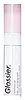
This anti-aging eye moisturizer is formulated around Squalane and Palmitoyl Tripeptide-38 to soften the look of wrinkles and hydrate skin.
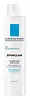
This acne toner is formulated around Salicylic Acid and Glycolic Acid to clear breakouts and refine skin texture.


What's inside
What's inside
 Key Ingredients
Benefits
Concerns
Ingredients Side-by-side
Water
Skin ConditioningGlycerin
Humectant


Hydrogenated Polyisobutene
EmollientCera Microcristallina
Emulsion StabilisingDimethicone
Emollient
Polymethylsilsesquioxane
Caprylic/Capric Triglyceride
Masking
Isopropyl Palmitate
Emollient




Ethylhexyl Stearate
Emollient
Propanediol
Solvent
Undecane
EmollientSodium Chloride
MaskingLauryl PEG-9 Polydimethylsiloxyethyl Dimethicone
Skin Conditioning
Squalane
Emollient
Persea Gratissima Oil
Skin Conditioning
Palmitoyl Tripeptide-38
Skin Conditioning

Hydrolyzed Vegetable Protein
Skin ConditioningVaccinium Angustifolium Fruit Extract
Skin Protecting
Sodium Hyaluronate Crosspolymer
Humectant
Portulaca Pilosa Extract
Skin ConditioningHydrolyzed Hyaluronic Acid
Humectant
Swertia Chirata Extract
HumectantCetearyl Ethylhexanoate
Emollient
Disteardimonium Hectorite
StabilisingPEG/PPG-18/18 Dimethicone
Emulsifying
1,2-Hexanediol
Skin Conditioning
Tridecane
Perfuming

Propylene Carbonate
SolventLecithin
Emollient
Tocopheryl Acetate
Antioxidant


Polyglyceryl-4 Diisostearate/Polyhydroxystearate/Sebacate
Emulsifying
Sodium Citrate
BufferingSodium Isostearate
CleansingCaprylhydroxamic Acid
ChelatingSorbitan Isostearate
Emulsifying
Trisodium Ethylenediamine Disuccinate
ChelatingEthylhexylglycerin
Skin ConditioningPhenoxyethanol
Preservative
Potassium Sorbate
Preservative
Sodium Benzoate
Masking
Sucrose Cocoate
Emulsifying
Helianthus Annuus Seed Oil
Emollient
Tocopherol
Antioxidant

Water, Glycerin, Hydrogenated Polyisobutene, Cera Microcristallina, Dimethicone, Polymethylsilsesquioxane, Caprylic/Capric Triglyceride, Isopropyl Palmitate, Ethylhexyl Stearate, Propanediol, Undecane, Sodium Chloride, Lauryl PEG-9 Polydimethylsiloxyethyl Dimethicone, Squalane, Persea Gratissima Oil, Palmitoyl Tripeptide-38, Hydrolyzed Vegetable Protein, Vaccinium Angustifolium Fruit Extract, Sodium Hyaluronate Crosspolymer, Portulaca Pilosa Extract, Hydrolyzed Hyaluronic Acid, Swertia Chirata Extract, Cetearyl Ethylhexanoate, Disteardimonium Hectorite, PEG/PPG-18/18 Dimethicone, 1,2-Hexanediol, Tridecane, Propylene Carbonate, Lecithin, Tocopheryl Acetate, Polyglyceryl-4 Diisostearate/Polyhydroxystearate/Sebacate, Sodium Citrate, Sodium Isostearate, Caprylhydroxamic Acid, Sorbitan Isostearate, Trisodium Ethylenediamine Disuccinate, Ethylhexylglycerin, Phenoxyethanol, Potassium Sorbate, Sodium Benzoate, Sucrose Cocoate, Helianthus Annuus Seed Oil, Tocopherol
Salicylic Acid
Masking




Water
Skin ConditioningAlcohol Denat.
Antimicrobial
Propanediol
Solvent
Glycolic Acid
Buffering

Sodium Hydroxide
BufferingCapryloyl Glycine
CleansingPhenoxyethanol
Preservative
Benzyl Alcohol
Perfuming
PPG-26-Buteth-26
Skin ConditioningPEG-40 Hydrogenated Castor Oil
Emulsifying
Menthol
Masking
Tremella Fuciformis Polysaccharide
Emulsion Stabilising
Butylene Glycol
Humectant
Ophiopogon Japonicus Root Extract
Skin ConditioningScutellaria Baicalensis Root Extract
Astringent
Salicylic Acid, Water, Alcohol Denat., Propanediol, Glycolic Acid, Sodium Hydroxide, Capryloyl Glycine, Phenoxyethanol, Benzyl Alcohol, PPG-26-Buteth-26, PEG-40 Hydrogenated Castor Oil, Menthol, Tremella Fuciformis Polysaccharide, Butylene Glycol, Ophiopogon Japonicus Root Extract, Scutellaria Baicalensis Root Extract
Reviews
Ingredients Explained
These ingredients are found in both products.
Ingredients higher up in an ingredient list are typically present in a larger amount.
Phenoxyethanol is one of the most widely used preservatives in skincare (and for good reason!).
It has a large spectrum of antimicrobial activity and especially effective bacteria, yeast, and mold while only having a weak effect on your skin's natural microbiome.
On a cellular level, it disrupts the cell membranes of microbes by poking holes that make the cell leak. This shuts down the chemical reactions the microbe needs to make energy so it can no longer survive.
Another perk of this ingredient is that it stays functional across a wide pH range (3-10).
You'll often see it paired with boosters like Ethylhexylglycerin; one study showed that a 1:9 ratio of Ethylhexylglycerin to Phenoxyethanol damages bacterial membranes as effectively as doubling the Phenoxyethanol concentration on its own.
Typical use concentrations range from 0.3-1% depending on the formula, and this ingredient is capped at 1% int the EU.
Safety-wise, the fear mongering does not hold up to the evidence. The EU's Scientific Committee on Consumer Safety and FDA consider it safe as a preservative at up to 1%, including for children of all ages.
Adverse systemic effects only showed up in animal studies at exposures roughly 200x higher than what people get from cosmetics. And despite its very widespread use, this ingredient is a rare sensitizer and allergic reactions are uncommon.
Learn more about PhenoxyethanolPropanediol is an all-star ingredient. It softens, hydrates, and smooths the skin.
It’s often used to:
Propanediol is not likely to cause sensitivity and considered safe to use. It is derived from corn or petroleum with a clear color and no scent.
Learn more about PropanediolWater. It's the most common cosmetic ingredient of all. You'll usually see it at the top of ingredient lists, meaning that it makes up the largest part of the product.
So why is it so popular? Water most often acts as a solvent - this means that it helps dissolve other ingredients into the formulation.
You'll also recognize water as that liquid we all need to stay alive. If you see this, drink a glass of water. Remember to stay hydrated!
Learn more about Water

