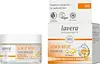
This brightening moisturizer is formulated around Hippophae Rhamnoides Fruit Extract and Ascorbyl Glucoside to brighten dull-looking skin and hydrate skin.
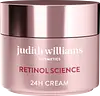
This anti-aging moisturizer is formulated around Ubiquinone and Retinol to soften the look of wrinkles and refine skin texture.

What's inside
What's inside
 Key Ingredients
Benefits
Concerns
Ingredients Side-by-side
Water
Skin ConditioningAlcohol Denat.
Antimicrobial




Glycerin
Humectant


Cetearyl Alcohol
Emollient




Butyrospermum Parkii Oil
Emollient
Crambe Abyssinica Seed Oil
Skin Conditioning
Cocos Nucifera Oil
Masking
Polyglyceryl-3 Dicitrate/Stearate
Emulsifying
Isoamyl Laurate
Emollient
Dicaprylyl Ether
Emollient
Dodecane
Emollient
Tridecane
Perfuming
Xanthan Gum
EmulsifyingHippophae Rhamnoides Fruit Extract
Skin Conditioning

Citrus Grandis Fruit Extract
Astringent
Lycium Barbarum Fruit Extract
Astringent
Citrus Aurantium Dulcis Peel Extract
Emulsion Stabilising
Actinidia Chinensis Fruit Extract
EmollientButyrospermum Parkii Butter
Skin Conditioning
Rosmarinus Officinalis Leaf Extract
AntimicrobialCapsicum Annuum Fruit Extract
Antimicrobial
Citrus Limon Fruit Extract
Masking
Glycine Soja Oil
Emollient
Olea Europaea Fruit Oil
Masking
Olea Europaea Oil Unsaponifiables
Skin Conditioning
Sodium Lactate
Buffering
Ascorbyl Glucoside
Antioxidant


Ascorbyl Palmitate
Antioxidant
Glyceryl Undecylenate
Emollient
Undecane
EmollientLevulinic Acid
Perfuming
Sodium Levulinate
Skin ConditioningChondrus Crispus Extract
Skin Conditioning
Sodium Hyaluronate
Humectant
Hydrogenated Palm Glycerides
Emollient
Tocopherol
Antioxidant
Ubiquinone
Antioxidant
Hydrogenated Lecithin
Emulsifying
Brassica Campestris Sterols
EmollientTocopheryl Acetate
Antioxidant
Helianthus Annuus Seed Oil
Emollient
Parfum
Masking
Linalool
Perfuming
Limonene
Perfuming
Citral
Perfuming
Citronellol
Perfuming
Water, Alcohol Denat., Glycerin, Cetearyl Alcohol, Butyrospermum Parkii Oil, Crambe Abyssinica Seed Oil, Cocos Nucifera Oil, Polyglyceryl-3 Dicitrate/Stearate, Isoamyl Laurate, Dicaprylyl Ether, Dodecane, Tridecane, Xanthan Gum, Hippophae Rhamnoides Fruit Extract, Citrus Grandis Fruit Extract, Lycium Barbarum Fruit Extract, Citrus Aurantium Dulcis Peel Extract, Actinidia Chinensis Fruit Extract, Butyrospermum Parkii Butter, Rosmarinus Officinalis Leaf Extract, Capsicum Annuum Fruit Extract, Citrus Limon Fruit Extract, Glycine Soja Oil, Olea Europaea Fruit Oil, Olea Europaea Oil Unsaponifiables, Sodium Lactate, Ascorbyl Glucoside, Ascorbyl Palmitate, Glyceryl Undecylenate, Undecane, Levulinic Acid, Sodium Levulinate, Chondrus Crispus Extract, Sodium Hyaluronate, Hydrogenated Palm Glycerides, Tocopherol, Ubiquinone, Hydrogenated Lecithin, Brassica Campestris Sterols, Tocopheryl Acetate, Helianthus Annuus Seed Oil, Parfum, Linalool, Limonene, Citral, Citronellol
Water
Skin ConditioningGlycerin
Humectant
Glyceryl Stearate Se
Emulsifying
Squalane
Emollient
Cetearyl Alcohol
Emollient
Cocoglycerides
Emollient
Vp/Va Copolymer
Dicaprylyl Ether
Emollient
Coco-Caprylate
Emollient
Caprylic/Capric Triglyceride
Masking
Glyceryl Stearate Citrate
Emollient
Camelina Sativa Seed Oil
Skin Conditioning
Ubiquinone
Antioxidant
Olus Oil
Emollient
Retinol
Skin Conditioning




Retinyl Palmitate
Skin Conditioning
Bakuchiol
Antimicrobial
Quassia Amara Wood Extract
Skin ConditioningGold
Cosmetic ColorantSodium Polyacrylate
Absorbent
Myristyl Alcohol
Emollient
Phospholipids
Skin Conditioning
Ethylhexylglycerin
Skin ConditioningHydroxypropyl Cyclodextrin
MaskingHelianthus Annuus Seed Oil
Emollient
Maltodextrin
Absorbent
Parfum
Masking
Hexamethylindanopyran
Masking
Tetramethyl Acetyloctahydronaphthalenes
Masking
Camphor
Masking
Sodium Hydroxide
BufferingRosmarinus Officinalis Leaf Extract
AntimicrobialLinalool
Perfuming
Geraniol
Perfuming
Benzyl Salicylate
Perfuming
Linalyl Acetate
Masking
Geranyl Acetate
Perfuming
Citrus Aurantium Peel Oil
Limonene
Perfuming
Dimethyl Phenylethyl Carbinyl Acetate
Perfuming
Tocopherol
Antioxidant
Lecithin
Emollient
3-O-Ethyl Ascorbic Acid
Skin Conditioning
Tocopheryl Acetate
Antioxidant
Benzyl Alcohol
Perfuming
Phenoxyethanol
Preservative
Benzoic Acid
Masking
Dehydroacetic Acid
Preservative
Citric Acid
Buffering
Water, Glycerin, Glyceryl Stearate Se, Squalane, Cetearyl Alcohol, Cocoglycerides, Vp/Va Copolymer, Dicaprylyl Ether, Coco-Caprylate, Caprylic/Capric Triglyceride, Glyceryl Stearate Citrate, Camelina Sativa Seed Oil, Ubiquinone, Olus Oil, Retinol, Retinyl Palmitate, Bakuchiol, Quassia Amara Wood Extract, Gold, Sodium Polyacrylate, Myristyl Alcohol, Phospholipids, Ethylhexylglycerin, Hydroxypropyl Cyclodextrin, Helianthus Annuus Seed Oil, Maltodextrin, Parfum, Hexamethylindanopyran, Tetramethyl Acetyloctahydronaphthalenes, Camphor, Sodium Hydroxide, Rosmarinus Officinalis Leaf Extract, Linalool, Geraniol, Benzyl Salicylate, Linalyl Acetate, Geranyl Acetate, Citrus Aurantium Peel Oil, Limonene, Dimethyl Phenylethyl Carbinyl Acetate, Tocopherol, Lecithin, 3-O-Ethyl Ascorbic Acid, Tocopheryl Acetate, Benzyl Alcohol, Phenoxyethanol, Benzoic Acid, Dehydroacetic Acid, Citric Acid
Reviews
Ingredients Explained
These ingredients are found in both products.
Ingredients higher up in an ingredient list are typically present in a larger amount.
Cetearyl alcohol is a waxy mixture of two fatty alcohols: cetyl alcohol and stearyl alcohol. It is an emollient and emulsifier.
Despite having "alcohol" in its name, it has nothing to do with drying solvent alcohols; the FDA also allows "alcohol-free" products to contain fatty alcohols like this ingredient.
It plays several roles in a formula:
Typical use levels for this ingredient sit around 1-10% and the Cosmetic Ingredient Review Expert Panel has affirmed safety at concentrations up to 25% in leave-on products.
Multiple assessments have found it to be non-irritating and non-sensitizing to most people.
However, there have been some cases of allergic contact dermatitis in patients with chronically compromised skin barriers.
Cetearyl alcohol has a comedogenic rating of 2 and irritancy rating of 1. Both of these numbers come from the 1989 study that used rabbit ears; a "2" means mildly comedogenic and a "1" means low irritancy.
Here's the catch: rabbit skin is more sensitive than human skin and throws a lot of false positives. A 1996 reappraisal found that ingredients rated 1-2 in the rabbit ear tests are generally safe for humans.
Remember comedogenic ratings are unable to assess the entire formula of a product or how it will react on your skin. Just be sure to patch test if you are unsure about certain ingredients.
This ingredient is not fungal acne safe. Cetearyl alcohol is a fatty alcohol with chain lengths that fall within the range that Malassezia can metabolize.
A 2019 study has also observed Malassezia growth in the presence of this ingredient, confirming it to be not-fungal acne safe.
Learn more about Cetearyl AlcoholDicaprylyl Ether is created from caprylic acid. It is a texture-enhancer and emollient.
As an emollient, Dicaprylyl Ether is non-comedogenic. It helps soften and smooth the skin by creating a barrier on top. This barrier helps trap moisture in, helping to hydrate the skin.
Dicaprylyl Ether gives a non-greasy feel and better spreadability to products.
Learn more about Dicaprylyl EtherGlycerin (or glycerol) is a compound naturally found in your skin. It's a powerhouse humectant that pulls water into the stratum corneum.
Topically, glycerin does several things at once:
Your skin makes glycerin on its own (mostly from sebaceous oil breakdown) and shuttles it to your outermost layer of skin, or your epidermis, via aquaporin-3.
Aquaporin-3 is a transporter that is essential for normal skin hydration, elasticity, and repair. Interestingly, mice lacking in AQP3 have dry and less elastic skin that can be fully corrected with glycerin.
This ingredient is non-irritating, plays well with almost every ingredient, and works across all skin types. Typical use is anywhere between 3-10% but can go up to 79% in some leave-on products.
Just know very high concentrations (>40%) can feel tacky in low humidity.
Glycerin is the name for this ingredient in American English. British English uses Glycerol/Glycerine.
Learn more about GlycerinHelianthus Annuus Seed Oil is a plant oil derived from the seeds of a sunflower.
It is rich in fatty acids, primarily linoleic acid and oleic acid. This gives it emollient and skin conditioning properties.
The reason this ingredient is so effective is because it forms a thin film on the skin that reduces transepidermal water loss (TEWL) while supplying linoleic acid to the stratum corneum to improve barrier strength.
The high linoleic acid content is particularly noteworthy for acne-prone skin.
Research suggests that acne-prone skin tends to be deficient in linoleic acid in sebum. Topical application may help replenish this to support a healthier follicular environment and less comedone-promoting sebum.
One randomized study found sunflower seed oil preserved skin barrier integrity in adult volunteers with and without atopic dermatitis (outperforming olive oil).
This ingredient is well-studied, gentle, and an effective emollient suitable for most skin types.
On fungal acne: This ingredient may not be Fungal acne (Malassezia folliculitis) safe. This is because it contains fatty acids with carbon chain lengths in the C11-C24 range.
Learn more about Helianthus Annuus Seed OilLimonene is the compound that gives citrus peel its smell.
In skincare, it shows up as a standalone fragrance ingredient or as a natural compound of citrus and other essential oils.
You'll typically see this ingredient used in very small amounts; anything above 0.001% in a leave-on product or 0.01% in a rinse-off has to be named on the label in the EU. The citrus oils that carry it sit around 0.5-1% in a finished formula.
Fresh limonene is a weak allergen; the real issue is that it slowly reacts with air and then breaks down from oxidation to create hydroperoxides (which are strong sensitizers). This is why suppliers are required to keep the peroxide value below 20 mmol.
Positive reactions in people being investigated for eczema vary:
It's worth skipping if you have a known fragrance allergy or a compromised barrier, but the risk is low for most people.
Older or long-opened products are also more likely to bother you than fresh ones due to oxidation.
Learn more about LimoneneLinalool is a small, naturally occurring scent molecule found in plants like lavender, coriander, bergamot, and more.
It is one of the two most-used fragrance ingredients in cosmetics and added purely for smell. Since it's not used for a skin benefit, there's no "effective dose". Concentration depends on the fragrance load of the product.
The EU requires it to be named on the label above 0.001% in leave-on and 0.01% in rinse-off products.
Fresh linalool is a weak sensitizer but air exposure turns some of it into hydroperoxides, which are strong sensitizers. Those oxidation products are the actual allergy concern.
Patch-test clinics see positive reactions to linalool hydroperoxides in about 4% to 12% of dermatitis patients depending on country and test concentration.
Resassuringly, one analytical study found hydroperoxide levels in real fragranced products to be orders of magnitude below what induced sensitization in animal studies with no evidence of oxidation building up during normal storage.
The practical takeaway is that linalool is fine for most people but worth avoiding if you have a confirmed fragrance contact allergy or a badly compromised barrier.
Products stored a long time after opening are also the high-risk scenario since that is when oxidation happens.
The scent of linalool is described as floral, spicy tropical, and citrus-like.
Learn more about LinaloolParfum is a catch-all term for an ingredient or more that is used to give a scent to products.
Also called "fragrance", this ingredient can be a blend of hundreds of chemicals or plant oils. This means every product with "fragrance" or "parfum" in the ingredients list is a different mixture.
For instance, Habanolide is a proprietary trade name for a specific aroma chemical. When used as a fragrance ingredient in cosmetics, most aroma chemicals fall under the broad labeling category of “FRAGRANCE” or “PARFUM” according to EU and US regulations.
The term 'parfum' or 'fragrance' is not regulated in many countries. In many cases, it is up to the brand to define this term.
For instance, many brands choose to label themselves as "fragrance-free" because they are not using synthetic fragrances. However, their products may still contain ingredients such as essential oils that are considered a fragrance by INCI standards.
One example is Calendula flower extract. Calendula is an essential oil that still imparts a scent or 'fragrance'.
Depending on the blend, the ingredients in the mixture can cause allergies and sensitivities on the skin. Some ingredients that are known EU allergens include linalool and citronellol.
Parfum can also be used to mask or cover an unpleasant scent.
The bottom line is: not all fragrances/parfum/ingredients are created equally. If you are worried about fragrances, we recommend taking a closer look at an ingredient. And of course, we always recommend speaking with a professional.
Learn more about ParfumThis is a botanical extract from the rosemary plant (the same one you cook with). In skincare, it mostly works as a skin conditioning agent.
Its activity comes from a handful of polyphenols, carnosic acid, carnosol, and rosmarinic acid. Almost 90% of the antioxidant activity of this ingredient can be attributed to canosol and carnosic acid.
These compounds protect your skin two ways:
1) They fight off free radicals, or the unstable molecules from things like sun and pollution that age and damage skin.
2) They help calm inflammation by switching off the chemical signals that tell skin to get red and irritated.
Lab studies also suggest that rosmarinic acid may help protect collagen and slow sugar-related damage to it.
The Cosmetic Ingredient Review has concluded rosemary-derived ingredients to be safe when formulated to be non-sensitizing.
Rosemary can occasionally cause allergic contact dermatitis (due to carnosol), so be sure to patch test if you have reactive or fragrance-sensitive skin.
Learn more about Rosmarinus Officinalis Leaf ExtractTocopherol is a fat-soluble antioxidant known as Vitamin E.
You'll find this ingredient in the vast majority of skincare (for good reason). It works to neutralize free radicals, or unstable molecules generated by UV exposure, pollution, and other environmental stressors, before they can cause oxidative damage to your skin cells.
Topically applied tocopherol has been shown to protect against UV damage by ramping up the skin's own natural defense enzymes.
It also acts as a skin conditioning agent; some studies show that regular topical use can improve the skin's water-binding capacity over 2-4 weeks.
This ingredient is especially loved for being a team player. When combined with Vitamin C, the photoprotective effect of both ingredients roughly doubles and the combo also helps reduce UV-induced DNA damage.
This ingredient has some brightening potential but it's more of a prevention ingredient than spot-fader. Cell studies show it can slow down melanin production but it's worth noting that it's not the most powerful brightener out there.
In formulations, it also serves as a stabilizer that helps protect other oxidation-prone ingredients from degrading.
Concentrations usually range from 0.1-1% in most leave-on products.
Learn more about TocopherolTocopheryl Acetate is a stable, shelf-friendly form of vitamin E.
Formulators love it because plain vitamin E oxidizes quickly once it hits air. This acetate version stays stable and resists going off, helping to extend a product's shelf life.
It's actually inactive on its own and works like a slow-release "storage" form; the enzymes in your skin called esterases gradually convert it into active vitamin E over time.
One in vivo study showed 5% of the acetate in the living layer of the epidermis converted to vitamin E after 5 days of application. This study also found the skin gained protection against UV damage even though the conversion was slow and small.
Once converted, vitamin E acts as a skin's main fat-soluble antioxidant that fights free radicals to protect skin from damage.
Topical vitamin E generally boosts the skin's photoprotection, and it reduced UV-damage in animal models.
This ingredient has some brightening potential but it's more of a prevention ingredient than spot-fader. Cell studies show it can slow down melanin production but it's worth noting that it's not the most powerful brightener out there.
Overall, it has a pretty solid safety profile and has been found to be non-irritating and non-comedogenic. Allergic reactions may happen but stay rare due to how widely the ingredient gets used.
The concentration will vary depending on the formula; industry data shows 0.1% in baby lotions, 3% in lipsticks, and 5% in foot powders. You can also find this ingredient at 100% in a pure vitamin E oil.
Most leave-on skincare keeps it at the lower end, often between 0.5-1%.
Learn more about Tocopheryl AcetateUbiquinone (Coenzyme Q10) is a molecule already found in our bodies. It is a potent antioxidant and skin-soothing ingredient.
Aging and environmental exposure diminishes our skin's natural ubiquinone levels. This is much like our natural collagen and elastin.
The good news is: studies show applying this ingredient topically replenishes ubiquinone levels in our skin. This also comes with a ton of skin benefits. These benefits include:
Ubiquinone is considered a large molecule and cannot be absorbed into the lower layers of skin. This is why it is believed to be such an effective antioxidant: it protects our skin in the upper layers and prevents damage in the deeper layers.
When used in sunscreen, ubiquinone is shown to increase ingredient stability, increase SPF factor, and add to infrared protection.
Fun fact: ubiquinone is fat-soluble.
Learn more about UbiquinoneWater. It's the most common cosmetic ingredient of all. You'll usually see it at the top of ingredient lists, meaning that it makes up the largest part of the product.
So why is it so popular? Water most often acts as a solvent - this means that it helps dissolve other ingredients into the formulation.
You'll also recognize water as that liquid we all need to stay alive. If you see this, drink a glass of water. Remember to stay hydrated!
Learn more about Water

