
What's inside
What's inside
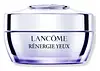 Key Ingredients
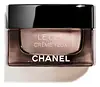
Benefits
Concerns
Ingredients Side-by-side
Water
Skin ConditioningTheobroma Cacao Seed Butter
Emollient


Dimethicone
Emollient

Glycerin
Humectant

Isohexadecane
EmollientPropanediol
Solvent
Alcohol Denat.
Antimicrobial




Glyceryl Stearate
Emollient
PEG-20 Stearate
Emulsifying
PEG/PPG/Polybutylene Glycol-8/5/3 Glycerin
HumectantStearic Acid
Cleansing
PEG-100 Stearate
Surfactant
Palmitic Acid
Emollient
Octyldodecanol
Emollient
CI 77891
Cosmetic ColorantCI 16035
Cosmetic ColorantC13-14 Isoparaffin
Emollient
Guanosine
Skin ConditioningMica
Cosmetic ColorantSecale Cereale Seed Extract
Abrasive
Sodium Acetylated Hyaluronate
Humectant

Hydrolyzed Soy Protein
Humectant
Hydrolyzed Linseed Extract
Skin ConditioningSodium Hydroxide
BufferingSodium Benzoate
Masking
Phenoxyethanol
Preservative
Adenosine
Skin Conditioning
Acetyl Tetrapeptide-9
Skin Conditioning
Caffeine
Skin Conditioning
Trisodium Ethylenediamine Disuccinate
Polyacrylamide
Dimethiconol
Emollient
Limonene
Perfuming

Pentylene Glycol
Skin Conditioning
Pentaerythrityl Tetra-Di-T-Butyl Hydroxyhydrocinnamate
Antioxidant
Tin Oxide
Abrasive
Benzyl Alcohol
Perfuming
Caprylyl Glycol
Emollient
Capryloyl Salicylic Acid
Exfoliating



Myristic Acid
Cleansing
Geraniol
Perfuming
Laureth-7
EmulsifyingParfum
Masking
Water, Theobroma Cacao Seed Butter, Dimethicone, Glycerin, Isohexadecane, Propanediol, Alcohol Denat., Glyceryl Stearate, PEG-20 Stearate, PEG/PPG/Polybutylene Glycol-8/5/3 Glycerin, Stearic Acid, PEG-100 Stearate, Palmitic Acid, Octyldodecanol, CI 77891, CI 16035, C13-14 Isoparaffin, Guanosine, Mica, Secale Cereale Seed Extract, Sodium Acetylated Hyaluronate, Hydrolyzed Soy Protein, Hydrolyzed Linseed Extract, Sodium Hydroxide, Sodium Benzoate, Phenoxyethanol, Adenosine, Acetyl Tetrapeptide-9, Caffeine, Trisodium Ethylenediamine Disuccinate, Polyacrylamide, Dimethiconol, Limonene, Pentylene Glycol, Pentaerythrityl Tetra-Di-T-Butyl Hydroxyhydrocinnamate, Tin Oxide, Benzyl Alcohol, Caprylyl Glycol, Capryloyl Salicylic Acid, Myristic Acid, Geraniol, Laureth-7, Parfum
Water
Skin ConditioningGlycerin
Humectant
Butylene Glycol
Humectant
Aluminum Starch Octenylsuccinate
Absorbent
Cetearyl Alcohol
Emollient
Isododecane
EmollientIsostearyl Neopentanoate
Emollient
Butyrospermum Parkii Butter
Skin Conditioning
Pentylene Glycol
Skin Conditioning
PEG-8
HumectantOryza Sativa Powder
Squalane
Emollient
Ipomoea Batatas Root Extract
Skin ConditioningMedicago Sativa Extract
TonicSaccharomyces Cerevisiae Extract
Skin Conditioning
Cera Alba
Emollient
Jojoba Esters
Emollient
Dipropylene Glycol
HumectantGlyceryl Stearate
Emollient
PEG-100 Stearate
Surfactant
Sodium Carbomer
Emulsion StabilisingCetearyl Glucoside
Emulsifying
Tocopheryl Acetate
Antioxidant

Chlorphenesin
Antimicrobial
Hydrolyzed Soy Protein
Humectant
Caprylyl Glycol
Emollient
Phospholipids
Skin Conditioning
Sodium Acrylates/C10-30 Alkyl Acrylate Crosspolymer
Escin
TonicPhenoxyethanol
Preservative
Sodium Citrate
BufferingBeta-Sitosterol
Emulsion Stabilising
Biosaccharide Gum-1
Humectant
Polyquaternium-51
Skin Conditioning
Sodium Polyacrylate
Absorbent
Adenosine
Skin Conditioning
Sodium Hyaluronate
Humectant
Phytic Acid

Polysorbate 20
Emulsifying
Ethylhexylglycerin
Skin ConditioningHydrochloric Acid
BufferingTocopherol
Antioxidant
Palmitoyl Tripeptide-1
Skin Conditioning
Palmitoyl Tetrapeptide-7
Skin Conditioning
Sodium Benzoate
Masking
Citric Acid
Buffering
Water, Glycerin, Butylene Glycol, Aluminum Starch Octenylsuccinate, Cetearyl Alcohol, Isododecane, Isostearyl Neopentanoate, Butyrospermum Parkii Butter, Pentylene Glycol, PEG-8, Oryza Sativa Powder, Squalane, Ipomoea Batatas Root Extract, Medicago Sativa Extract, Saccharomyces Cerevisiae Extract, Cera Alba, Jojoba Esters, Dipropylene Glycol, Glyceryl Stearate, PEG-100 Stearate, Sodium Carbomer, Cetearyl Glucoside, Tocopheryl Acetate, Chlorphenesin, Hydrolyzed Soy Protein, Caprylyl Glycol, Phospholipids, Sodium Acrylates/C10-30 Alkyl Acrylate Crosspolymer, Escin, Phenoxyethanol, Sodium Citrate, Beta-Sitosterol, Biosaccharide Gum-1, Polyquaternium-51, Sodium Polyacrylate, Adenosine, Sodium Hyaluronate, Phytic Acid, Polysorbate 20, Ethylhexylglycerin, Hydrochloric Acid, Tocopherol, Palmitoyl Tripeptide-1, Palmitoyl Tetrapeptide-7, Sodium Benzoate, Citric Acid
Reviews
Ingredients Explained
These ingredients are found in both products.
Ingredients higher up in an ingredient list are typically present in a larger amount.
Adenosine is a purine nucleoside that your body already makes in every cell. In skincare, it acts mainly as a skin conditioning and anti-aging agent.
The way it works is fairly well mapped out:
Your skin has cells called fibroblasts that build collagen (the stuff that keeps skin firm and smooth). Adenosine basically flips a switch on these cells that tells them to get to work making more collagen and other proteins. These cells slow down on their own as skin ages, so Adenosine helps give them a little nudge to keep going.
The clinical backing is pretty solid too.
A blind, randomized, placebo-controlled trial of 126 women aged 45-65 tested a 0.1% cream twice daily and found real improvements in crow's feet and frown lines using a precise 3D skin-mapping technique; these changes showed up by week 3 and held at 2 months.
A later study using Adenosine-loaded dissolving microneedle patches reported gains in wrinkle depth, dermal density, elasticity, and hydration.
On concentrations, South Korea's Ministry of Food and Drug Safety has set 0.04% as the approved functional anti-wrinkle level. You'll typically see this ingredient used somewhere in the 0.04-0.1% range since it works at low doses.
This ingredient has been found safe for cosmetics with the data showing no irritation or sensitization.
Overall, this is a great ingredient for any anti-aging routine and has no photosensitizing effect, so it suits both AM and PM use.
Learn more about AdenosineCaprylyl Glycol is a humectant, skin conditioner, emollient, and preservative booster derived from either caprylic acid or synthetically created.
Typical use levels vary from 0.3-1% as a preservative booster and go up to 2% to condition skin.
Because it is not a free-fatty acid, this ingredient is fungal acne safe (there's nothing for Malassezia to feed on).
Learn more about Caprylyl GlycolGlycerin (or glycerol) is a compound naturally found in your skin. It's a powerhouse humectant that pulls water into the stratum corneum.
Topically, glycerin does several things at once:
Your skin makes glycerin on its own (mostly from sebaceous oil breakdown) and shuttles it to your outermost layer of skin, or your epidermis, via aquaporin-3.
Aquaporin-3 is a transporter that is essential for normal skin hydration, elasticity, and repair. Interestingly, mice lacking in AQP3 have dry and less elastic skin that can be fully corrected with glycerin.
This ingredient is non-irritating, plays well with almost every ingredient, and works across all skin types. Typical use is anywhere between 3-10% but can go up to 79% in some leave-on products.
Just know very high concentrations (>40%) can feel tacky in low humidity.
Glycerin is the name for this ingredient in American English. British English uses Glycerol/Glycerine.
Learn more about GlycerinGlyceryl Stearate is made by reacting glycerin with stearic acid (typically sourced from plant oils like palm or coconut). It's an emulsifier, emollient, and mild occlusive.
Emulsifiers help ingredients like oil and water stay mixed so your formula stays nicely blended and uniform in texture.
This ingredient is typically used in concentrations between 1-10%. Studies have found it to be non-sensitizing, non-phototoxic, and non-photoallergenic.
A close cousin of this ingredient is Glyceryl Stearate SE ("self-emulsifying"). This just has a small amount of sodium or potassium stearate added so it can emulsify without a co-emulsifier.
Since this ingredient is an ester of a C18 fatty acid, it may not be fungal acne safe. The Malassezia yeast can potentially metabolize within the C11-C24 range.
Fun fact: The human body also creates Glyceryl Stearate naturally.
Learn more about Glyceryl StearateHydrolyzed Soy Protein is a water-soluble blend of peptides and amino acids made by breaking down the protein from soybeans into smaller proteins.
It's the most widely used hydrolyzed vegetable protein in cosmetics and it acts mainly as a skin and hair conditioning agent.
The smaller fragments are water-loving so it forms a thin, moisture-retentive film on skin that helps reduce water loss and leaves things feeling softer and smoother.
You'll often see it credited with "firming" or "anti-aging" benefits as well; this claim traces back to lab research like Tokudome et al. (2012). This study added low-molecular-weight soybean peptides to cultured human skin fibroblasts and saw increased type I collagen gene expression + collagen content.
The caveat is that this is in-vitro and oral-peptide research so the only solid, well-established role for the topical ingredient is skin conditioning.
Typical use concentrations go up to 3.5% in mascara but this ingredient is typically used at low levels well under 1%.
It has a reassuring safety profile as well; it's not a skin irritant in testing up to 20% and has limited skin penetration due to its large size and water-loving nature.
Anyone with a known soy allergy should definitely patch test or skip this ingredient. There's also a single case of a soy-containing product aggravating rosacea via protein contact dermatitis, but this is very rare.
Learn more about Hydrolyzed Soy ProteinPeg-100 Stearate is an emollient and emulsifier. As an emollient, it helps keep skin soft by trapping moisture in. On the other hand, emulsifiers help prevent oil and water from separating in a product.
PEGS are a hydrophilic polyether compound . There are 100 ethylene oxide monomers in Peg-100 Stearate. Peg-100 Stearate is polyethylene glycol ester of stearic acid.
Pentylene Glycol (1,2-pentanediol) is a multitasking little diol with three main roles in a formula:
Research on alkanediols (the family pentylene glycol belongs to) show they work by disrupting microbial cell membranes. This disruption helps the primary preservative system in a product work more effectively at lower doses.
On the safety side, the Cosmetic Ingredient Review Expert Panel has concluded this ingredient to be safe as used in current cosmetic practices + concentrations.
Typical use levels in a formula run about 1-5%.
Learn more about Pentylene GlycolPhenoxyethanol is one of the most widely used preservatives in skincare (and for good reason!).
It has a large spectrum of antimicrobial activity and especially effective bacteria, yeast, and mold while only having a weak effect on your skin's natural microbiome.
On a cellular level, it disrupts the cell membranes of microbes by poking holes that make the cell leak. This shuts down the chemical reactions the microbe needs to make energy so it can no longer survive.
Another perk of this ingredient is that it stays functional across a wide pH range (3-10).
You'll often see it paired with boosters like Ethylhexylglycerin; one study showed that a 1:9 ratio of Ethylhexylglycerin to Phenoxyethanol damages bacterial membranes as effectively as doubling the Phenoxyethanol concentration on its own.
Typical use concentrations range from 0.3-1% depending on the formula, and this ingredient is capped at 1% int the EU.
Safety-wise, the fear mongering does not hold up to the evidence. The EU's Scientific Committee on Consumer Safety and FDA consider it safe as a preservative at up to 1%, including for children of all ages.
Adverse systemic effects only showed up in animal studies at exposures roughly 200x higher than what people get from cosmetics. And despite its very widespread use, this ingredient is a rare sensitizer and allergic reactions are uncommon.
Learn more about PhenoxyethanolSodium Benzoate is a preservative. It's used in both cosmetic and food products to inhibit the growth of mold and bacteria. It is typically produced synthetically.
Both the US FDA and EU Health Committee have approved the use of sodium benzoate. In the US, levels of 0.1% (of the total product) are allowed.
Sodium benzoate works as a preservative by inhibiting the growth of bacteria inside of cells. It prevents the cell from fermenting a type of sugar using an enzyme called phosphofructokinase.
It is the salt of benzoic acid. Foods containing sodium benzoate include soda, salad dressings, condiments, fruit juices, wines, and snack foods.
Studies for using ascorbic acid and sodium benzoate in cosmetics are lacking, especially in skincare routines with multiple steps.
We always recommend speaking with a professional, such as a dermatologist, if you have any concerns.
Learn more about Sodium BenzoateWater. It's the most common cosmetic ingredient of all. You'll usually see it at the top of ingredient lists, meaning that it makes up the largest part of the product.
So why is it so popular? Water most often acts as a solvent - this means that it helps dissolve other ingredients into the formulation.
You'll also recognize water as that liquid we all need to stay alive. If you see this, drink a glass of water. Remember to stay hydrated!
Learn more about Water

