

What's inside
What's inside
 Key Ingredients
Benefits
Concerns
Ingredients Side-by-side
Water
Skin ConditioningGlycerin
Humectant


Dimethicone
Emollient
Cetearyl Alcohol
Emollient




Theobroma Grandiflorum Seed Butter
Skin Conditioning
Alcohol Denat.
Antimicrobial




Cetearyl Isononanoate
Emollient
Niacinamide
Smoothing









Glyceryl Stearate
Emollient
PEG-100 Stearate
Surfactant
Isopropyl Palmitate
Emollient
Octyldodecanol
Emollient
Cyclodextrin
AbsorbentHydrolyzed Lupine Protein
Skin ConditioningPisum Sativum Extract
Skin ConditioningAdenosine
Skin Conditioning
Capryloyl Salicylic Acid
Exfoliating
Hydrolyzed Hyaluronic Acid
Humectant
Hydrolyzed Linseed Extract
Skin ConditioningPentaerythrityl Tetra-Di-T-Butyl Hydroxyhydrocinnamate
Antioxidant
Trisodium Ethylenediamine Disuccinate
Tocopheryl Acetate
Antioxidant
Cera Alba
Emollient
Orbignya Oleifera Seed Oil
Emollient
Simmondsia Chinensis Butter
Skin Conditioning
Cetearyl Glucoside
Emulsifying
Citric Acid
Buffering
Hydroxyethyl Acrylate/Sodium Acryloyldimethyl Taurate Copolymer
Emulsion StabilisingPolysorbate 60
Emulsifying
Potassium Cetyl Phosphate
EmulsifyingSorbitan Isostearate
Emulsifying
Tocopherol
Antioxidant
Dimethicone/Polyglycerin-3 Crosspolymer
Cleansing
Benzyl Alcohol
Perfuming


Geraniol
Perfuming
Limonene
Perfuming
Chlorphenesin
Antimicrobial
Dipropylene Glycol
HumectantPhenoxyethanol
Preservative
Sodium Benzoate
Masking
Parfum
Masking
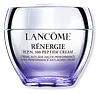
Water, Glycerin, Dimethicone, Cetearyl Alcohol, Theobroma Grandiflorum Seed Butter, Alcohol Denat., Cetearyl Isononanoate, Niacinamide, Glyceryl Stearate, PEG-100 Stearate, Isopropyl Palmitate, Octyldodecanol, Cyclodextrin, Hydrolyzed Lupine Protein, Pisum Sativum Extract, Adenosine, Capryloyl Salicylic Acid, Hydrolyzed Hyaluronic Acid, Hydrolyzed Linseed Extract, Pentaerythrityl Tetra-Di-T-Butyl Hydroxyhydrocinnamate, Trisodium Ethylenediamine Disuccinate, Tocopheryl Acetate, Cera Alba, Orbignya Oleifera Seed Oil, Simmondsia Chinensis Butter, Cetearyl Glucoside, Citric Acid, Hydroxyethyl Acrylate/Sodium Acryloyldimethyl Taurate Copolymer, Polysorbate 60, Potassium Cetyl Phosphate, Sorbitan Isostearate, Tocopherol, Dimethicone/Polyglycerin-3 Crosspolymer, Benzyl Alcohol, Geraniol, Limonene, Chlorphenesin, Dipropylene Glycol, Phenoxyethanol, Sodium Benzoate, Parfum
Water
Skin ConditioningNiacinamide
Smoothing
Butylene Glycol
Humectant
1,2-Hexanediol
Skin Conditioning
Panthenol
Skin Conditioning
Erythritol
Humectant
Centella Asiatica Extract
Cleansing
Hydroxyethyl Urea
Humectant
Carbomer
Emulsion StabilisingArginine
Masking
Ethylhexylglycerin
Skin ConditioningPolyglyceryl-4 Caprate
EmulsifyingAmmonium Acryloyldimethyltaurate/Vp Copolymer
Sodium Phytate
Melia Azadirachta Flower Extract
Skin ConditioningOcimum Sanctum Leaf Extract
Skin ConditioningMelia Azadirachta Leaf Extract
Skin ConditioningCurcuma Longa Root Extract
Masking
Corallina Officinalis Extract
Skin Conditioning
3-O-Ethyl Ascorbic Acid
Skin Conditioning
Ascorbic Acid
Antioxidant
Citric Acid
Buffering
Ferulic Acid
Antimicrobial
Kojic Acid
Antioxidant
Pentylene Glycol
Skin Conditioning
Sodium Hyaluronate
Humectant
Glutathione
Hydrogenated Lecithin
Emulsifying
Madecassoside
Antioxidant
Decyl Glucoside
Cleansing
Caprylyl Glycol
Emollient
Hydroxypropyltrimonium Hyaluronate
Disodium EDTA
Ceramide NP
Skin Conditioning
Hydrolyzed Hyaluronic Acid
Humectant
Sodium Acetylated Hyaluronate
Humectant
Hyaluronic Acid
Humectant
Hydrolyzed Sodium Hyaluronate
Skin Conditioning
Sodium Hyaluronate Crosspolymer
Humectant
Potassium Hyaluronate
Skin ConditioningWater, Niacinamide, Butylene Glycol, 1,2-Hexanediol, Panthenol, Erythritol, Centella Asiatica Extract, Hydroxyethyl Urea, Carbomer, Arginine, Ethylhexylglycerin, Polyglyceryl-4 Caprate, Ammonium Acryloyldimethyltaurate/Vp Copolymer, Sodium Phytate, Melia Azadirachta Flower Extract, Ocimum Sanctum Leaf Extract, Melia Azadirachta Leaf Extract, Curcuma Longa Root Extract, Corallina Officinalis Extract, 3-O-Ethyl Ascorbic Acid, Ascorbic Acid, Citric Acid, Ferulic Acid, Kojic Acid, Pentylene Glycol, Sodium Hyaluronate, Glutathione, Hydrogenated Lecithin, Madecassoside, Decyl Glucoside, Caprylyl Glycol, Hydroxypropyltrimonium Hyaluronate, Disodium EDTA, Ceramide NP, Hydrolyzed Hyaluronic Acid, Sodium Acetylated Hyaluronate, Hyaluronic Acid, Hydrolyzed Sodium Hyaluronate, Sodium Hyaluronate Crosspolymer, Potassium Hyaluronate
Reviews
Ingredients Explained
These ingredients are found in both products.
Ingredients higher up in an ingredient list are typically present in a larger amount.
Citric Acid is an alpha hydroxy acid (AHA) naturally found in citrus fruits like oranges, lemons, and limes.
Like other AHAs, citric acid can exfoliate skin by breaking down the bonds that hold dead skin cells together. This helps reveal smoother and brighter skin underneath.
However, this exfoliating effect only happens at high concentrations (20%) which can be hard to find in cosmetic products.
Due to this, citric acid is usually included in small amounts as a pH adjuster. This helps keep products slightly more acidic and compatible with skin's natural pH.
In skincare formulas, citric acid can:
While it can provide some skin benefits, research shows lactic acid and glycolic acid are generally more effective and less irritating exfoliants.
Most citric acid used in skincare today is made by fermenting sugars (usually from molasses). This synthetic version is identical to the natural citrus form but easier to stabilize and use in formulations.
Read more about some other popular AHA's here:
Learn more about Citric AcidHydrolyzed Hyaluronic Acid is hyaluronic acid (HA) that is broken down into lower molecular weight fragments.
It's a humectant that pulls and holds water in the skin to help with hydration, plumpness, and reduce transepidermal water loss.
Because hydrolyzed hyaluronic acid is smaller in size, it can slip past your outermost layer of skin more easily than full-sized HA.
Most formulations will combine all sizes to get the best of both worlds.
Typical usage levels range from 0.01-1%. Any percentage higher than 2% might become goopy and tacky.
Learn more about Hydrolyzed Hyaluronic AcidNiacinamide is a multitasking form of vitamin B3 that strengthens the skin barrier, reduces pores and dark spots, regulates oil, and improves signs of aging.
And the best part? It's gentle and well-tolerated by most skin types, including sensitive and reactive skin.
You might have heard of "niacin flush", or the reddening of skin that causes itchiness. Niacinamide has not been found to cause this.
In very rare cases, some individuals may not be able to tolerate niacinamide at all or experience an allergic reaction to it.
If you are experiencing flaking, irritation, and dryness with this ingredient, be sure to double check all your products as this ingredient can be found in all categories of skincare.
When incorporating niacinamide into your routine, look out for concentration amounts. Typically, 5% niacinamide provides benefits such as fading dark spots. However, if you have sensitive skin, it is better to begin with a smaller concentration.
When you apply niacinamide to your skin, your body converts it into nicotinamide adenine dinucleotide (NAD). NAD is an essential coenzyme that is already found in your cells as "fuel" and powers countless biological processes.
In your skin, NAD helps repair cell damage, produce new healthy cells, support collagen production, strengthen the skin barrier, and fight environmental stressors (like UV and pollution).
Our natural NAD levels start to decline with age, leading to slower skin repair, visible aging, and a weaker skin barrier. By providing your skin niacinamide, you're recharging your skin's NAD levels. This leads to stronger, healthier, and younger looking skin.
Another name for vitamin B3 is nicotinamide. This vitamin is water-soluble and our bodies don't store it. We obtain Vitamin B3 from either food or skincare. Meat, fish, wheat, yeast, and leafy greens contain vitamin B3.
The type of niacinamide used in skincare is synthetically created.
Learn more about NiacinamideWater. It's the most common cosmetic ingredient of all. You'll usually see it at the top of ingredient lists, meaning that it makes up the largest part of the product.
So why is it so popular? Water most often acts as a solvent - this means that it helps dissolve other ingredients into the formulation.
You'll also recognize water as that liquid we all need to stay alive. If you see this, drink a glass of water. Remember to stay hydrated!
Learn more about Water
