Lancôme Advanced Génifique Night Cream Versus Caudalie Resveratrol Lift Retinol Alternative Firming Night Cream
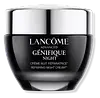
This barrier-repair night moisturizer is formulated around Bifida Ferment Lysate and Ceramide NP to strengthen the skin barrier and soften the look of wrinkles.
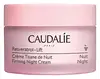
This anti-aging night moisturizer is formulated around Palmitoyl Grapevine Shoot Extract and Adenosine to soften the look of wrinkles.

What's inside
What's inside
 Key Ingredients
Benefits
Concerns
Ingredients Side-by-side
Water
Skin ConditioningBifida Ferment Lysate
Skin Conditioning



Glycerin
Humectant
Dicaprylyl Ether
Emollient
Pentylene Glycol
Skin Conditioning
Polyglyceryl-6 Distearate
Emulsifying

Propanediol
Solvent
Cetyl Esters
Emollient
Jojoba Esters
Emollient
Ammonium Polyacryloyldimethyl Taurate
Emulsion StabilisingBehenyl Alcohol
Emollient
Octyldodecanol
Emollient
Acacia Decurrens Flower Wax
Emollient
Helianthus Annuus Seed Wax
Skin Conditioning
Helianthus Annuus Seed Oil
Emollient
Polymnia Sonchifolia Root Juice
Skin ConditioningCeramide NP
Skin Conditioning

Alpha-Glucan Oligosaccharide
Cleansing
Sodium Hyaluronate
Humectant
Sodium Hydroxide
BufferingSodium Stearoyl Glutamate
CleansingSalicyloyl Phytosphingosine
Skin Conditioning2-Oleamido-1,3-Octadecanediol
Skin ConditioningAdenosine
Skin Conditioning
Mannose
HumectantCoco-Caprylate/Caprate
Emollient
Ascorbyl Glucoside
Antioxidant


Hydroxyacetophenone
Antioxidant
Hydroxypalmitoyl Sphinganine
Skin Conditioning
Hydroxypropyl Starch Phosphate
Capryloyl Salicylic Acid
Exfoliating




Trisodium Ethylenediamine Disuccinate
Lactic Acid
Buffering



Lactobacillus
Skin ConditioningAcetic Acid
BufferingMaltodextrin
Absorbent
Faex Extract
Skin ConditioningPolyglycerin-3
Humectant
Polyglyceryl-3 Beeswax
Emulsifying
Cetyl Alcohol
Emollient
Tocopherol
Antioxidant
Sodium Benzoate
Masking
Linalool
Perfuming

Limonene
Perfuming
Citronellol
Perfuming
Parfum
Masking
Water, Bifida Ferment Lysate, Glycerin, Dicaprylyl Ether, Pentylene Glycol, Polyglyceryl-6 Distearate, Propanediol, Cetyl Esters, Jojoba Esters, Ammonium Polyacryloyldimethyl Taurate, Behenyl Alcohol, Octyldodecanol, Acacia Decurrens Flower Wax, Helianthus Annuus Seed Wax, Helianthus Annuus Seed Oil, Polymnia Sonchifolia Root Juice, Ceramide NP, Alpha-Glucan Oligosaccharide, Sodium Hyaluronate, Sodium Hydroxide, Sodium Stearoyl Glutamate, Salicyloyl Phytosphingosine, 2-Oleamido-1,3-Octadecanediol, Adenosine, Mannose, Coco-Caprylate/Caprate, Ascorbyl Glucoside, Hydroxyacetophenone, Hydroxypalmitoyl Sphinganine, Hydroxypropyl Starch Phosphate, Capryloyl Salicylic Acid, Trisodium Ethylenediamine Disuccinate, Lactic Acid, Lactobacillus, Acetic Acid, Maltodextrin, Faex Extract, Polyglycerin-3, Polyglyceryl-3 Beeswax, Cetyl Alcohol, Tocopherol, Sodium Benzoate, Linalool, Limonene, Citronellol, Parfum
Water
Skin ConditioningButylene Glycol
Humectant
Glycerin
Humectant
Coco-Caprylate/Caprate
Emollient
Squalane
Emollient
Cetearyl Alcohol
Emollient

Caprylic/Capric Triglyceride
Masking
Hydrogenated Vegetable Oil
Emollient
Triheptanoin
Skin ConditioningVitis Vinifera Seed Oil
Emollient
Palmitoyl Grapevine Shoot Extract
Antioxidant
Citrus Aurantium Amara Flower Water
MaskingArachidyl Alcohol
Emollient
Carbomer
Emulsion StabilisingBehenyl Alcohol
Emollient
Potassium Sorbate
Preservative
Caprylyl Glycol
Emollient
Cetearyl Glucoside
Emulsifying
Arachidyl Glucoside
EmulsifyingHydrolyzed Hyaluronic Acid
Humectant
Tocopheryl Acetate
Antioxidant
Xanthan Gum
EmulsifyingSodium Hydroxide
BufferingAdenosine
Skin Conditioning
Tilia Platyphyllos Flower Extract
Skin ConditioningVerbena Officinalis Leaf Extract
MaskingAcetyl Dipeptide-1 Cetyl Ester
Skin Conditioning
Hyaluronic Acid
Humectant
Khaya Senegalensis Bark Extract
Skin ProtectingMaltodextrin
Absorbent
Citric Acid
Buffering
Paeonia Lactiflora Root Extract
Skin ConditioningSodium Benzoate
Masking
Parfum
Masking
Linalool
Perfuming
Limonene
Perfuming
Coumarin
Perfuming
Water, Butylene Glycol, Glycerin, Coco-Caprylate/Caprate, Squalane, Cetearyl Alcohol, Caprylic/Capric Triglyceride, Hydrogenated Vegetable Oil, Triheptanoin, Vitis Vinifera Seed Oil, Palmitoyl Grapevine Shoot Extract, Citrus Aurantium Amara Flower Water, Arachidyl Alcohol, Carbomer, Behenyl Alcohol, Potassium Sorbate, Caprylyl Glycol, Cetearyl Glucoside, Arachidyl Glucoside, Hydrolyzed Hyaluronic Acid, Tocopheryl Acetate, Xanthan Gum, Sodium Hydroxide, Adenosine, Tilia Platyphyllos Flower Extract, Verbena Officinalis Leaf Extract, Acetyl Dipeptide-1 Cetyl Ester, Hyaluronic Acid, Khaya Senegalensis Bark Extract, Maltodextrin, Citric Acid, Paeonia Lactiflora Root Extract, Sodium Benzoate, Parfum, Linalool, Limonene, Coumarin
Reviews
Ingredients Explained
These ingredients are found in both products.
Ingredients higher up in an ingredient list are typically present in a larger amount.
Adenosine is a purine nucleoside that your body already makes in every cell. In skincare, it acts mainly as a skin conditioning and anti-aging agent.
The way it works is fairly well mapped out:
Your skin has cells called fibroblasts that build collagen (the stuff that keeps skin firm and smooth). Adenosine basically flips a switch on these cells that tells them to get to work making more collagen and other proteins. These cells slow down on their own as skin ages, so Adenosine helps give them a little nudge to keep going.
The clinical backing is pretty solid too.
A blind, randomized, placebo-controlled trial of 126 women aged 45-65 tested a 0.1% cream twice daily and found real improvements in crow's feet and frown lines using a precise 3D skin-mapping technique; these changes showed up by week 3 and held at 2 months.
A later study using Adenosine-loaded dissolving microneedle patches reported gains in wrinkle depth, dermal density, elasticity, and hydration.
On concentrations, South Korea's Ministry of Food and Drug Safety has set 0.04% as the approved functional anti-wrinkle level. You'll typically see this ingredient used somewhere in the 0.04-0.1% range since it works at low doses.
This ingredient has been found safe for cosmetics with the data showing no irritation or sensitization.
Overall, this is a great ingredient for any anti-aging routine and has no photosensitizing effect, so it suits both AM and PM use.
Learn more about AdenosineBehenyl Alcohol is a type of fatty alcohol (these are different from the drying, solvent alcohols).
Fatty Alcohols have hydrating properties and are most often used as an emollient or to thicken a product. They are usually derived from natural fats and oils; behenyl alcohol is derived from the fats of vegetable oils.
Emollients help keep your skin soft and hydrated by creating a film that traps moisture in.
In 2000, Behenyl Alcohol was approved by the US as medicine to reduce the duration of cold sores.
Learn more about Behenyl AlcoholCoco-Caprylate/Caprate is a lightweight ester created from coconut oil fatty acids, caprylic acid, and capric acid.
It is an emollient that helps soften skin and reduce transepidermal water loss (TEWL). What sets it apart from heavier emollients is its ultralight, non-greasy feel.
Once applied, this ingredient dries down quickly and leaves a dry, silky finish behind. This also helps improve spreadability and texture.
This ingredient has an excellent safety-record and is non-irritating.
Typical concentrations for cosmetics range from 0.5-62%.
Research on Malassezia growth found no growth on fatty acid esters with chain lengths shorter than 12 carbons (it prefers C11-24).
Since Coco-Caprylate/Caprate is built on C8 and C10 fatty acids, it is out of the range that Malassezia metabolizes, and therefore safe for fungal acne.
Learn more about Coco-Caprylate/CaprateGlycerin (or glycerol) is a compound naturally found in your skin. It's a powerhouse humectant that pulls water into the stratum corneum.
Topically, glycerin does several things at once:
Your skin makes glycerin on its own (mostly from sebaceous oil breakdown) and shuttles it to your outermost layer of skin, or your epidermis, via aquaporin-3.
Aquaporin-3 is a transporter that is essential for normal skin hydration, elasticity, and repair. Interestingly, mice lacking in AQP3 have dry and less elastic skin that can be fully corrected with glycerin.
This ingredient is non-irritating, plays well with almost every ingredient, and works across all skin types. Typical use is anywhere between 3-10% but can go up to 79% in some leave-on products.
Just know very high concentrations (>40%) can feel tacky in low humidity.
Glycerin is the name for this ingredient in American English. British English uses Glycerol/Glycerine.
Learn more about GlycerinLimonene is a fragrance that adds scent and taste to a formulation.
It's found in the peel oil of citrus fruits and other plants such as lavender and eucalyptus. The scent of limonene is generally described as "sweet citrus".
Limonene acts as an antioxidant, meaning it helps neutralize free radicals.
When exposed to air, oxidized limonene may sensitize the skin. Because of this, limonene is often avoided by people with sensitive skin.
The term 'fragrance' is not regulated in many countries. In many cases, it is up to the brand to define this term. For instance, many brands choose to label themselves as "fragrance-free" because they are not using synthetic fragrances. However, their products may still contain ingredients such as essential oils that are considered a fragrance.
Learn more about LimoneneLinalool is a fragrance and helps add scent to products. It's derived from common plants such as cinnamon, mint, citrus, and lavender.
Like Limonene, this ingredient oxidizes when exposed to air. Oxidized linalool can cause allergies and skin sensitivity.
This ingredient has a scent that is floral, spicy tropical, and citrus-like.
Learn more about LinaloolMaltodextrin is a plant-derived carbohydrate made by breaking down starch (usually from corn, potato, or rice). In cosmetic formulas, it's a multitasking absorbent, emulsion stabilizer, and skin conditioner.
This ingredient is mostly used to stabilize emulsions and improve the powdery, non-greasy feel of products (like dry shampoos).
Safety-wise, this ingredient is pretty solid; it's even recognized as a food additive. Both animal and clinical studies found no adverse effects at the levels used in cosmetics.
Industry data shows this ingredient is used up to 45.7% in spray products and up to 33% in powder products.
Learn more about MaltodextrinParfum is a catch-all term for an ingredient or more that is used to give a scent to products.
Also called "fragrance", this ingredient can be a blend of hundreds of chemicals or plant oils. This means every product with "fragrance" or "parfum" in the ingredients list is a different mixture.
For instance, Habanolide is a proprietary trade name for a specific aroma chemical. When used as a fragrance ingredient in cosmetics, most aroma chemicals fall under the broad labeling category of “FRAGRANCE” or “PARFUM” according to EU and US regulations.
The term 'parfum' or 'fragrance' is not regulated in many countries. In many cases, it is up to the brand to define this term.
For instance, many brands choose to label themselves as "fragrance-free" because they are not using synthetic fragrances. However, their products may still contain ingredients such as essential oils that are considered a fragrance by INCI standards.
One example is Calendula flower extract. Calendula is an essential oil that still imparts a scent or 'fragrance'.
Depending on the blend, the ingredients in the mixture can cause allergies and sensitivities on the skin. Some ingredients that are known EU allergens include linalool and citronellol.
Parfum can also be used to mask or cover an unpleasant scent.
The bottom line is: not all fragrances/parfum/ingredients are created equally. If you are worried about fragrances, we recommend taking a closer look at an ingredient. And of course, we always recommend speaking with a professional.
Learn more about ParfumSodium Benzoate is a preservative. It's used in both cosmetic and food products to inhibit the growth of mold and bacteria. It is typically produced synthetically.
Both the US FDA and EU Health Committee have approved the use of sodium benzoate. In the US, levels of 0.1% (of the total product) are allowed.
Sodium benzoate works as a preservative by inhibiting the growth of bacteria inside of cells. It prevents the cell from fermenting a type of sugar using an enzyme called phosphofructokinase.
It is the salt of benzoic acid. Foods containing sodium benzoate include soda, salad dressings, condiments, fruit juices, wines, and snack foods.
Studies for using ascorbic acid and sodium benzoate in cosmetics are lacking, especially in skincare routines with multiple steps.
We always recommend speaking with a professional, such as a dermatologist, if you have any concerns.
Learn more about Sodium BenzoateSodium Hydroxide is also known as lye or caustic soda. It is used to adjust the pH of products; many ingredients require a specific pH to be effective.
In small amounts, sodium hydroxide is considered safe to use. However, large amounts may cause chemical burns due to its high alkaline.
Your skin has a natural pH and acid mantle. This acid mantle helps prevent harmful bacteria from breaking through. The acid mantle also helps keep your skin hydrated.
"Alkaline" refers to a high pH level. A low pH level would be considered acidic.
Learn more about Sodium HydroxideWater. It's the most common cosmetic ingredient of all. You'll usually see it at the top of ingredient lists, meaning that it makes up the largest part of the product.
So why is it so popular? Water most often acts as a solvent - this means that it helps dissolve other ingredients into the formulation.
You'll also recognize water as that liquid we all need to stay alive. If you see this, drink a glass of water. Remember to stay hydrated!
Learn more about Water

