Lador Moisture Balancing Conditioner Versus Kundal Honey & Macadamia Hydro-Intensive Protein Premium Hair Treatment

What's inside
What's inside
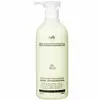 Key Ingredients
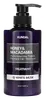
Benefits
Concerns
Ingredients Side-by-side
Water
Skin ConditioningSodium Laureth Sulfate
Cleansing



Sodium Lauryl Sulfate
Cleansing
Cocamidopropyl Betaine
Cleansing
Sodium Chloride
MaskingCocamide Mea
Emulsifying
Glycol Distearate
Emollient
Polyquaternium-10
Sodium Benzoate
Masking
Hydroxyacetophenone
Antioxidant
Piroctone Olamine
Preservative
Disodium EDTA
ChelatingCitric Acid
Buffering

PPG-3 Caprylyl Ether
Foam BoostingQuaternium-80
Polyquaternium-7
Saponaria Officinalis Leaf Extract
AntimicrobialButylene Glycol
Humectant

Acrylamidopropyltrimonium Chloride/Acrylamide Copolymer
Propylene Glycol
Humectant
Lavandula Angustifolia Flower Extract
Cleansing
Monarda Didyma Leaf Extract
Skin ConditioningMentha Piperita Leaf Extract
Skin ConditioningFreesia Refracta Extract
Skin ConditioningChamomilla Recutita Flower Extract
Masking

Rosmarinus Officinalis Leaf Extract
Antimicrobial1,2-Hexanediol
Skin Conditioning
Ethylhexylglycerin
Skin ConditioningParfum
Masking

Alpha-Isomethyl Ionone
Perfuming
Citronellol
Perfuming
Hexyl Cinnamal
Perfuming
Water, Sodium Laureth Sulfate, Sodium Lauryl Sulfate, Cocamidopropyl Betaine, Sodium Chloride, Cocamide Mea, Glycol Distearate, Polyquaternium-10, Sodium Benzoate, Hydroxyacetophenone, Piroctone Olamine, Disodium EDTA, Citric Acid, PPG-3 Caprylyl Ether, Quaternium-80, Polyquaternium-7, Saponaria Officinalis Leaf Extract, Butylene Glycol, Acrylamidopropyltrimonium Chloride/Acrylamide Copolymer, Propylene Glycol, Lavandula Angustifolia Flower Extract, Monarda Didyma Leaf Extract, Mentha Piperita Leaf Extract, Freesia Refracta Extract, Chamomilla Recutita Flower Extract, Rosmarinus Officinalis Leaf Extract, 1,2-Hexanediol, Ethylhexylglycerin, Parfum, Alpha-Isomethyl Ionone, Citronellol, Hexyl Cinnamal
Water
Skin ConditioningCetearyl Alcohol
Emollient


Stearyl Alcohol
Emollient
Dimethicone
Emollient

Behentrimonium Chloride
Preservative
Cyclopentasiloxane
Emollient
Propylene Glycol
Humectant
Amodimethicone
Alcohol
Antimicrobial
Tocopheryl Acetate
Antioxidant
Dimer Dilinoleyl Dimer Dilinoleate
EmollientCaprylic/Capric Triglyceride
Masking
Hydroxyacetophenone
Antioxidant
Dipropylene Glycol
HumectantTrehalose
Humectant
Steartrimonium Chloride
Preservative
Caprylyl Glycol
Emollient
C12-14 Sec-Pareth-7
EmulsifyingMacadamia Ternifolia Seed Extract
EmollientHoney Extract
Humectant
Betaine
Humectant
Disodium EDTA
ChelatingCyclomethicone
Emollient
Trideceth-10
CleansingButylene Glycol
Humectant
Arachidyl Alcohol
Emollient
Panthenol
Skin Conditioning
1,2-Hexanediol
Skin Conditioning
Cetyl Alcohol
Emollient
Citric Acid
Buffering
Brassicamidopropyl Dimethylamine
Skin ConditioningDipotassium Glycyrrhizate
Humectant
Calendula Officinalis Flower Oil
Masking

Cocos Nucifera Oil
Masking
Persea Gratissima Oil
Skin Conditioning
Butyrospermum Parkii Butter
Skin Conditioning
Prunus Armeniaca Kernel Oil
Masking
Sclerocarya Birrea Seed Oil
Humectant
Silk Amino Acids
HumectantCyclohexasiloxane
Emollient
Hydrolyzed Soy Protein
Humectant
Hydrolyzed Collagen
Emollient
Hydrolyzed Keratin
Humectant
Hydrolyzed Silk
Humectant
Glycerin
Humectant
Polygonum Multiflorum Root Extract
Skin ConditioningAngelica Gigas Root Extract
Skin ConditioningAsarum Sieboldii Root Extract
Skin ConditioningPortulaca Oleracea Extract
Skin Conditioning
Thuja Orientalis Leaf Extract
Antioxidant
Lycium Chinense Fruit Extract
Antioxidant
Sophora Angustifolia Root Extract
Skin ConditioningNelumbo Nucifera Flower Extract
Skin ConditioningPrunus Serrulata Flower Extract
Skin ConditioningSalvia Officinalis Extract
Antimicrobial
Camellia Japonica Flower Extract
EmollientPropolis Extract
Skin Conditioning

Acorus Calamus Root Extract
Perfuming
Malpighia Emarginata Fruit Extract
Skin ConditioningEuterpe Oleracea Fruit Extract
Pyrus Malus Fruit Extract
Skin Conditioning
Prunus Serotina Fruit Extract
MaskingPrunus Persica Fruit Extract
Abrasive
Adansonia Digitata Seed Extract
Skin ConditioningMoringa Oleifera Seed Extract
Skin Conditioning
Laminaria Japonica Extract
Skin Protecting
Carthamus Tinctorius Flower Extract
Skin ConditioningGinkgo Biloba Leaf Extract
Skin Conditioning
Sodium Hyaluronate
Humectant
Ceratonia Siliqua Fruit Extract
MaskingCamellia Japonica Leaf Extract
Skin ConditioningDiospyros Kaki Fruit Extract
Skin ConditioningParfum
Masking
Water, Cetearyl Alcohol, Stearyl Alcohol, Dimethicone, Behentrimonium Chloride, Cyclopentasiloxane, Propylene Glycol, Amodimethicone, Alcohol, Tocopheryl Acetate, Dimer Dilinoleyl Dimer Dilinoleate, Caprylic/Capric Triglyceride, Hydroxyacetophenone, Dipropylene Glycol, Trehalose, Steartrimonium Chloride, Caprylyl Glycol, C12-14 Sec-Pareth-7, Macadamia Ternifolia Seed Extract, Honey Extract, Betaine, Disodium EDTA, Cyclomethicone, Trideceth-10, Butylene Glycol, Arachidyl Alcohol, Panthenol, 1,2-Hexanediol, Cetyl Alcohol, Citric Acid, Brassicamidopropyl Dimethylamine, Dipotassium Glycyrrhizate, Calendula Officinalis Flower Oil, Cocos Nucifera Oil, Persea Gratissima Oil, Butyrospermum Parkii Butter, Prunus Armeniaca Kernel Oil, Sclerocarya Birrea Seed Oil, Silk Amino Acids, Cyclohexasiloxane, Hydrolyzed Soy Protein, Hydrolyzed Collagen, Hydrolyzed Keratin, Hydrolyzed Silk, Glycerin, Polygonum Multiflorum Root Extract, Angelica Gigas Root Extract, Asarum Sieboldii Root Extract, Portulaca Oleracea Extract, Thuja Orientalis Leaf Extract, Lycium Chinense Fruit Extract, Sophora Angustifolia Root Extract, Nelumbo Nucifera Flower Extract, Prunus Serrulata Flower Extract, Salvia Officinalis Extract, Camellia Japonica Flower Extract, Propolis Extract, Acorus Calamus Root Extract, Malpighia Emarginata Fruit Extract, Euterpe Oleracea Fruit Extract, Pyrus Malus Fruit Extract, Prunus Serotina Fruit Extract, Prunus Persica Fruit Extract, Adansonia Digitata Seed Extract, Moringa Oleifera Seed Extract, Laminaria Japonica Extract, Carthamus Tinctorius Flower Extract, Ginkgo Biloba Leaf Extract, Sodium Hyaluronate, Ceratonia Siliqua Fruit Extract, Camellia Japonica Leaf Extract, Diospyros Kaki Fruit Extract, Parfum
Reviews
Ingredients Explained
These ingredients are found in both products.
Ingredients higher up in an ingredient list are typically present in a larger amount.
1,2-Hexanediol is a synthetic liquid and another multi-functional powerhouse.
It is a:
- Humectant, drawing moisture into the skin
- Emollient, helping to soften skin
- Solvent, dispersing and stabilizing formulas
- Preservative booster, enhancing the antimicrobial activity of other preservatives
Butylene Glycol (or BG) is used within cosmetic products for a few different reasons:
Overall, Butylene Glycol is a safe and well-rounded ingredient that works well with other ingredients.
Though this ingredient works well with most skin types, some people with sensitive skin may experience a reaction such as allergic rashes, closed comedones, or itchiness.
Learn more about Butylene GlycolCitric Acid is an alpha hydroxy acid (AHA) naturally found in citrus fruits like oranges, lemons, and limes.
Like other AHAs, citric acid can exfoliate skin by breaking down the bonds that hold dead skin cells together. This helps reveal smoother and brighter skin underneath.
However, this exfoliating effect only happens at high concentrations (20%) which can be hard to find in cosmetic products.
Due to this, citric acid is usually included in small amounts as a pH adjuster. This helps keep products slightly more acidic and compatible with skin's natural pH.
In skincare formulas, citric acid can:
While it can provide some skin benefits, research shows lactic acid and glycolic acid are generally more effective and less irritating exfoliants.
Most citric acid used in skincare today is made by fermenting sugars (usually from molasses). This synthetic version is identical to the natural citrus form but easier to stabilize and use in formulations.
Rosacea skin has a lower threshold for acids generally, with 62.5% of rosacea subjects in one study reacting to lactic acid in a sting test. This is why we mark citric acid as a potential rosacea trigger.
However, this ingredient shows up as a pH adjuster or chelator at roughly 0.1-1% in many products. These low levels are unlikely to be an issue for rosacea skin and becomes a potential trigger at exfoliating concentrations (20%). Because everybody's skin is unique, we recommend a patch test if you are unsure.
Learn more about Citric AcidDisodium EDTA is a chelating agent. It grabs onto and deactivates metal ions that sneak into your products from water, packaging, or air.
This ingredient mainly works behind the scenes and helps with:
On top of that, this ingredient can counteract the effects of hard water by binding to the minerals in it.
One thing worth knowing is that Disodium EDTA has been shown to be a mild penetration enhancer. It can help other ingredients absorb into skin more effectively which can be a double-edged sword (great for actives, but can also make the active too strong if you have sensitive skin).
Clinical patch testing showed no significant skin irritation at typical use concentrations and minimal dermal absorption.
You'll most likely see this ingredient near the end of an ingredient list. It's typically found in concentrations less than 1%.
Learn more about Disodium EDTAHydroxyacetophenone is a small phenolic molecule that earns its place in a formulas as an antioxidant and preservative booster.
As a phenol, it is able to neutralize free radicals to protect both the product and the skin from oxidative stress.
Though it can't kill microbes on its own, it works as a good supporting agent when combined with other preservatives like Phenoxyethanol or 1,2-Hexanediol.
This ingredient naturally occurs as piceol in Norwegian spruce needles (~0.4-1.1% dry weight and in cloudberries). Though the cosmetic-grade material is synthesized for purity and consistency.
You'll usually see it used at low levels and suppliers recommend up to 1% added to a water phase.
Safety testing was done at concentrations like 0.05% in SPF products and 0.5% in a Human Repeated Insult Patch Test. The safety evidence is assuring; this ingredient is safe for cosmetics in current use and also holds safety status as a food flavoring as well.
An honest caveat: the "soothing" and "anti-inflammatory" claims come mostly from supplier marketing rather than published clinical trials. The Cosmetic Ingredient Review's own literature search found no useful efficacy studies on this ingredient.
So the antioxidant and preservative-boosting roles are the well supported ones while the calming benefit is plausible but thinly evidenced.
Overall, this is a well-tolerated, low-irritation multitasker that quietly helps a formula stay fresh and stable.
Learn more about HydroxyacetophenoneParfum is a catch-all term for an ingredient or more that is used to give a scent to products.
Also called "fragrance", this ingredient can be a blend of hundreds of chemicals or plant oils. This means every product with "fragrance" or "parfum" in the ingredients list is a different mixture.
For instance, Habanolide is a proprietary trade name for a specific aroma chemical. When used as a fragrance ingredient in cosmetics, most aroma chemicals fall under the broad labeling category of “FRAGRANCE” or “PARFUM” according to EU and US regulations.
The term 'parfum' or 'fragrance' is not regulated in many countries. In many cases, it is up to the brand to define this term.
For instance, many brands choose to label themselves as "fragrance-free" because they are not using synthetic fragrances. However, their products may still contain ingredients such as essential oils that are considered a fragrance by INCI standards.
One example is Calendula flower extract. Calendula is an essential oil that still imparts a scent or 'fragrance'.
Depending on the blend, the ingredients in the mixture can cause allergies and sensitivities on the skin. Some ingredients that are known EU allergens include linalool and citronellol.
Parfum can also be used to mask or cover an unpleasant scent.
The bottom line is: not all fragrances/parfum/ingredients are created equally. If you are worried about fragrances, we recommend taking a closer look at an ingredient. And of course, we always recommend speaking with a professional.
Learn more about ParfumPropylene Glycol is a synthetic, colorless, odorless liquid that has been a staple in cosmetics for decades. It is a skin conditioning agent, humectant, and solvent.
As a humectant, it draw water to the skin to reduce flaking and restore suppleness. It's also a solvent that helps dissolve other actives and keeps formulas stable across temperature changes.
The CIR Expert Panel has confirmed this ingredient to be nontoxic and clinical studies show no sensitization at cosmetic use concentrations.
True allergic reactions are quite rare: a 15-year retrospective study of 6,751 patients found only 0.31% had a positive reaction (and less than half were considered clinically relevant).
It seemed that when sensitization does occur, it's most commonly linked to topical medication (like corticosteroids) and not cosmetics. Allergic contact dermatitis also appears largely limited to individuals with underlying skin conditions.
Overall, propylene glycol is a well-studied ingredient that most people can tolerate without issue.
Learn more about Propylene GlycolWater. It's the most common cosmetic ingredient of all. You'll usually see it at the top of ingredient lists, meaning that it makes up the largest part of the product.
So why is it so popular? Water most often acts as a solvent - this means that it helps dissolve other ingredients into the formulation.
You'll also recognize water as that liquid we all need to stay alive. If you see this, drink a glass of water. Remember to stay hydrated!
Learn more about Water

