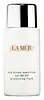
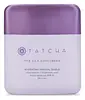
La Mer The Broad Spectrum SPF 50 UV Protecting Fluid Versus Tatcha The Silk Sunscreen Hydrating Mineral Shield SPF 50+
This sunscreen offers SPF 50 protection with a matte finish that helps control shine.
This hybrid sunscreen covers the full UV range and blocks ~98% of UVB at SPF 50.

What's inside
What's inside
 Key Ingredients
Benefits
Concerns
Ingredients Side-by-side
Water
Skin ConditioningButyloctyl Salicylate
Skin Conditioning

Methyl Trimethicone
Skin Conditioning
Neopentyl Glycol Diheptanoate
EmollientAleurites Moluccanus Seed Oil
Skin Conditioning


Lauryl PEG-9 Polydimethylsiloxyethyl Dimethicone
Skin Conditioning
PEG-100 Stearate
Surfactant
Butylene Glycol
Humectant

Glyceryl Stearate
Emollient
Dipentaerythrityl Tri-Polyhydroxystearate
Emollient
Potassium Cetyl Phosphate
EmulsifyingAlgae Extract
Emollient

Sesamum Indicum Seed Oil
Emollient
Medicago Sativa Seed Powder
Skin ConditioningHelianthus Annuus Seedcake
Abrasive
Prunus Amygdalus Dulcis Seed Meal
Abrasive
Eucalyptus Globulus Leaf Oil
Perfuming



Sodium Gluconate
ChelatingCopper Gluconate
Skin Conditioning
Calcium Gluconate
HumectantMagnesium Gluconate
Skin ConditioningZinc Gluconate
Skin Conditioning



Tocopheryl Succinate
Antioxidant
Niacin
SmoothingSesamum Indicum Seed Powder
Skin ConditioningLaminaria Ochroleuca Extract
Skin Conditioning

Malachite
Skin ConditioningCaffeine
Skin Conditioning
Sorbitol
Humectant
Sodium Hyaluronate
Humectant
Cetyl Alcohol
Emollient

Stearic Acid
Cleansing
Vp/Eicosene Copolymer
Ethylhexylglycerin
Skin ConditioningSaccharide Isomerate
Humectant
Caprylic/Capric Triglyceride
Masking
Caprylyl Glycol
Emollient
Ammonium Acryloyldimethyltaurate/Vp Copolymer
Dehydroxanthan Gum
Emulsion StabilisingSodium Dehydroacetate
Preservative
Citric Acid
Buffering

Tourmaline
Styrene/Acrylates Copolymer
Silica
Abrasive
PEG-8 Laurate
Emulsifying
Parfum
Masking
Disodium EDTA
ChelatingPhenoxyethanol
Preservative
Limonene
Perfuming
Geraniol
Perfuming
Hydroxycitronellal
Perfuming
Linalool
Perfuming
Citronellol
Perfuming
Mica
Cosmetic ColorantCI 61570
Cosmetic ColorantCI 77891
Cosmetic ColorantWater, Butyloctyl Salicylate, Methyl Trimethicone, Neopentyl Glycol Diheptanoate, Aleurites Moluccanus Seed Oil, Lauryl PEG-9 Polydimethylsiloxyethyl Dimethicone, PEG-100 Stearate, Butylene Glycol, Glyceryl Stearate, Dipentaerythrityl Tri-Polyhydroxystearate, Potassium Cetyl Phosphate, Algae Extract, Sesamum Indicum Seed Oil, Medicago Sativa Seed Powder, Helianthus Annuus Seedcake, Prunus Amygdalus Dulcis Seed Meal, Eucalyptus Globulus Leaf Oil, Sodium Gluconate, Copper Gluconate, Calcium Gluconate, Magnesium Gluconate, Zinc Gluconate, Tocopheryl Succinate, Niacin, Sesamum Indicum Seed Powder, Laminaria Ochroleuca Extract, Malachite, Caffeine, Sorbitol, Sodium Hyaluronate, Cetyl Alcohol, Stearic Acid, Vp/Eicosene Copolymer, Ethylhexylglycerin, Saccharide Isomerate, Caprylic/Capric Triglyceride, Caprylyl Glycol, Ammonium Acryloyldimethyltaurate/Vp Copolymer, Dehydroxanthan Gum, Sodium Dehydroacetate, Citric Acid, Tourmaline, Styrene/Acrylates Copolymer, Silica, PEG-8 Laurate, Parfum, Disodium EDTA, Phenoxyethanol, Limonene, Geraniol, Hydroxycitronellal, Linalool, Citronellol, Mica, CI 61570, CI 77891
Zinc Oxide 10%
Cosmetic Colorant
Water
Skin ConditioningC12-15 Alkyl Benzoate
AntimicrobialCaprylic/Capric Triglyceride
Masking
Lauryl PEG-8 Dimethicone
Surfactant
Dimethicone
Emollient
Isododecane
EmollientTridecyl Salicylate
Skin Conditioning
Hdi/Trimethylol Hexyllactone Crosspolymer
Propanediol
Solvent
Caprylyl Methicone
Skin Conditioning
Polymethylsilsesquioxane
Niacinamide
Smoothing


Saccharomyces/Rice Ferment Filtrate
Skin Conditioning
Silica
Abrasive
Squalane
Emollient
Camellia Sinensis Leaf Extract
Antimicrobial
Cladosiphon Okamuranus Extract
Skin Conditioning
Hydrolyzed Silk
Humectant
Bisabolol
Antioxidant
Allantoin
Skin Conditioning
Tocopherol
Antioxidant
Theobroma Cacao Seed Extract
Antioxidant
Arctium Lappa Root Extract
Skin Conditioning
Kappaphycus Alvarezii Extract
Skin Conditioning
Sodium Hyaluronate
Humectant
Lecithin
Emollient
Caesalpinia Spinosa Fruit Extract
Skin ProtectingLactobacillus
Skin ConditioningMaltodextrin
Absorbent
Caprylyl Glycol
Emollient
Dimethicone Crosspolymer
Emulsion Stabilising
Hydrogenated Lecithin
Emulsifying
Tetrasodium Glutamate Diacetate
ChelatingPEG-10
HumectantPolyglyceryl-2 Dipolyhydroxystearate
Skin Conditioning
Propylene Glycol
Humectant
Lauryl PEG-10 Tris(Trimethylsiloxy)Silylethyl Dimethicone
Emulsifying
Polyglyceryl-4 Diisostearate/Polyhydroxystearate/Sebacate
Emulsifying
Butylene Glycol
Humectant
Phosphoric Acid
BufferingSodium Hydroxide
BufferingSodium Chloride
MaskingHexylene Glycol
EmulsifyingEthylhexylglycerin
Skin ConditioningPhenoxyethanol
Preservative
Iron Oxides
Zinc Oxide 10%, Water, C12-15 Alkyl Benzoate, Caprylic/Capric Triglyceride, Lauryl PEG-8 Dimethicone, Dimethicone, Isododecane, Tridecyl Salicylate, Hdi/Trimethylol Hexyllactone Crosspolymer, Propanediol, Caprylyl Methicone, Polymethylsilsesquioxane, Niacinamide, Saccharomyces/Rice Ferment Filtrate, Silica, Squalane, Camellia Sinensis Leaf Extract, Cladosiphon Okamuranus Extract, Hydrolyzed Silk, Bisabolol, Allantoin, Tocopherol, Theobroma Cacao Seed Extract, Arctium Lappa Root Extract, Kappaphycus Alvarezii Extract, Sodium Hyaluronate, Lecithin, Caesalpinia Spinosa Fruit Extract, Lactobacillus, Maltodextrin, Caprylyl Glycol, Dimethicone Crosspolymer, Hydrogenated Lecithin, Tetrasodium Glutamate Diacetate, PEG-10, Polyglyceryl-2 Dipolyhydroxystearate, Propylene Glycol, Lauryl PEG-10 Tris(Trimethylsiloxy)Silylethyl Dimethicone, Polyglyceryl-4 Diisostearate/Polyhydroxystearate/Sebacate, Butylene Glycol, Phosphoric Acid, Sodium Hydroxide, Sodium Chloride, Hexylene Glycol, Ethylhexylglycerin, Phenoxyethanol, Iron Oxides
Reviews
Ingredients Explained
These ingredients are found in both products.
Ingredients higher up in an ingredient list are typically present in a larger amount.
Butylene Glycol (or BG) is used within cosmetic products for a few different reasons:
Overall, Butylene Glycol is a safe and well-rounded ingredient that works well with other ingredients.
Though this ingredient works well with most skin types, some people with sensitive skin may experience a reaction such as allergic rashes, closed comedones, or itchiness.
Learn more about Butylene GlycolCaprylic/Capric Triglyceride (aka MCT Oil) is a lightweight emollient, solvent, and texture enhancer. It is considered a skin-softener by helping to prevent moisture loss.
Though it behaves like an oil, it is not technically one due to its chemical composition. One perk of this ingredient is that it is very stable, resistant to oxidation, and unlikely to go rancid.
In practice, that translates to a long shelf life and a consistently elegant skin feel.
While there is an assumption Caprylic Triglyceride can clog pores due to it being derived from coconut oil, there is no research supporting this. Just patch test if you have concerns.
Fractionated coconut oil and MCT Oil are both listed as Caprylic/Capric Triglyceride according to INCI. This is because INCI names are based on the ingredient’s final chemical composition and not its marketing name or source.
This ingredient is treated as the gold standard fungal acne safe oil. Even though it is coconut derived, the problematic lauric acid is stripped out.
This leaves just caprylic (C8) and capric (C10) acid. These chain lengths actually trend antifungal; a 2020 study found caprylic acid was enough to disrupt Malassezia furfur cell membrane, with a caprylic acid derivative damaging membrane structures at concentrations as low as 0.2%.
Learn more about Caprylic/Capric TriglycerideCaprylyl Glycol is a humectant, skin conditioner, emollient, and preservative booster derived from either caprylic acid or synthetically created.
Typical use levels vary from 0.3-1% as a preservative booster and go up to 2% to condition skin.
Because it is not a free-fatty acid, this ingredient is fungal acne safe (there's nothing for Malassezia to feed on).
Learn more about Caprylyl GlycolEthylhexylglycerin is created from glycerin. It is a multitasker ingredient that:
The CIR Expert Panel found minimal skin absorption or sensitization of any kind in a safety assessment. Though this ingredient is considered well-tolerated, a small number of cases of allergic dermatitis have been published since 2002. Just be sure to patch test if you are unsure.
Industry-reported use ranges from 8% in rinse-off products and 2% in leave-on formulations.
Learn more about EthylhexylglycerinPhenoxyethanol is one of the most widely used preservatives in skincare (and for good reason!).
It has a large spectrum of antimicrobial activity and especially effective bacteria, yeast, and mold while only having a weak effect on your skin's natural microbiome.
On a cellular level, it disrupts the cell membranes of microbes by poking holes that make the cell leak. This shuts down the chemical reactions the microbe needs to make energy so it can no longer survive.
Another perk of this ingredient is that it stays functional across a wide pH range (3-10).
You'll often see it paired with boosters like Ethylhexylglycerin; one study showed that a 1:9 ratio of Ethylhexylglycerin to Phenoxyethanol damages bacterial membranes as effectively as doubling the Phenoxyethanol concentration on its own.
Typical use concentrations range from 0.3-1% depending on the formula, and this ingredient is capped at 1% int the EU.
Safety-wise, the fear mongering does not hold up to the evidence. The EU's Scientific Committee on Consumer Safety and FDA consider it safe as a preservative at up to 1%, including for children of all ages.
Adverse systemic effects only showed up in animal studies at exposures roughly 200x higher than what people get from cosmetics. And despite its very widespread use, this ingredient is a rare sensitizer and allergic reactions are uncommon.
Learn more about PhenoxyethanolSilica, also known as silicon dioxide, is a naturally occurring mineral. It is used as a fine, spherical, and porous powder in cosmetics.
Though it has exfoliant properties, the function of silica varies depending on the product.
The unique structure of silica enhances the spreadability and adds smoothness, making it a great texture enhancer.
It is also used as an active carrier, emulsifier, and mattifier due to its ability to absorb excess oil.
In some products, tiny microneedles called spicules are made from silica or hydrolyzed sponge. When you rub them in, they lightly polish away dead skin layers and enhance the penetration of active ingredients.
Learn more about SilicaSodium Hyaluronate is the salt form of hyaluronic acid. It is a long sugar chain that is naturally found in your skin, joints, and connective tissue that maintains hydration and elasticity.
In skincare, it works as a humectant. It pulls water from the environment and deeper layers of skin and binds it to the surface.
Interestingly, the size of the molecule affects its behavior:
Some clinical evidence links low molecular weight versions to improved wrinkle depth, elasticity, anti-inflammatory effects, and barrier repair.
Many serums use a blend of both weights so you can get surface hydration plus longer-lasting and deeper effects.
You'll typically see concentrations between 0.1-2% for this ingredient.
Learn more about Sodium HyaluronateWater. It's the most common cosmetic ingredient of all. You'll usually see it at the top of ingredient lists, meaning that it makes up the largest part of the product.
So why is it so popular? Water most often acts as a solvent - this means that it helps dissolve other ingredients into the formulation.
You'll also recognize water as that liquid we all need to stay alive. If you see this, drink a glass of water. Remember to stay hydrated!
Learn more about Water

