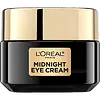
This anti-aging eye moisturizer is formulated around Acetyl Tetrapeptide-9 and Adenosine to soften the look of wrinkles.
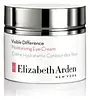
This anti-aging eye moisturizer is formulated around Ascorbyl Glucoside and Retinyl Linoleate to soften the look of wrinkles and hydrate skin.


What's inside
What's inside
 Key Ingredients
Benefits
Concerns
Ingredients Side-by-side
Water
Skin ConditioningDimethicone
Emollient

Glycerin
Humectant

Isohexadecane
EmollientAlcohol Denat.
Antimicrobial




Butyrospermum Parkii Butter
Skin Conditioning


Squalane
Emollient
Cetyl Alcohol
Emollient

Stearic Acid
Cleansing
Palmitic Acid
Emollient
Glyceryl Stearate
Emollient
PEG-100 Stearate
Surfactant
PEG-20 Stearate
Emulsifying
Saccharomyces/Xylinum/Black Tea Ferment
Skin Conditioning
Cera Alba
Emollient
Octyldodecanol
Emollient
Hydrolyzed Soy Protein
Humectant
Acetyl Tetrapeptide-9
Skin Conditioning
Adenosine
Skin Conditioning
Caffeine
Skin Conditioning
Capryloyl Salicylic Acid
Exfoliating




Secale Cereale Seed Extract
Abrasive
Sodium Hyaluronate
Humectant

Sodium Hydroxide
BufferingTrisodium Ethylenediamine Disuccinate
ChelatingTocopherol
Antioxidant


Silica
Abrasive
CI 77891
Cosmetic ColorantCitric Acid
Buffering
C13-14 Isoparaffin
Emollient
Glycine Soja Oil
Emollient
Laureth-7
EmulsifyingMica
Cosmetic ColorantMyristic Acid
Cleansing
Pentylene Glycol
Skin Conditioning
Polyacrylamide
Tin Oxide
Abrasive
Dimethiconol
Emollient
CI 16035
Cosmetic ColorantCI 19140
Cosmetic ColorantChlorhexidine Digluconate
Antimicrobial
Chlorphenesin
Antimicrobial
Phenoxyethanol
Preservative
Potassium Sorbate
Preservative
Sodium Benzoate
Masking
Water, Dimethicone, Glycerin, Isohexadecane, Alcohol Denat., Butyrospermum Parkii Butter, Squalane, Cetyl Alcohol, Stearic Acid, Palmitic Acid, Glyceryl Stearate, PEG-100 Stearate, PEG-20 Stearate, Saccharomyces/Xylinum/Black Tea Ferment, Cera Alba, Octyldodecanol, Hydrolyzed Soy Protein, Acetyl Tetrapeptide-9, Adenosine, Caffeine, Capryloyl Salicylic Acid, Secale Cereale Seed Extract, Sodium Hyaluronate, Sodium Hydroxide, Trisodium Ethylenediamine Disuccinate, Tocopherol, Silica, CI 77891, Citric Acid, C13-14 Isoparaffin, Glycine Soja Oil, Laureth-7, Mica, Myristic Acid, Pentylene Glycol, Polyacrylamide, Tin Oxide, Dimethiconol, CI 16035, CI 19140, Chlorhexidine Digluconate, Chlorphenesin, Phenoxyethanol, Potassium Sorbate, Sodium Benzoate
Water
Skin ConditioningCyclopentasiloxane
Emollient
Glycerin
Humectant
Cetyl Ricinoleate
Emollient
Cetearyl Methicone
Skin Conditioning
Glyceryl Stearate
Emollient
PEG-100 Stearate
Surfactant
Butylene Glycol
Humectant
Dimethicone
Emollient
Squalene
Emollient
Hydroxyethyl Acrylate/Sodium Acryloyldimethyl Taurate Copolymer
Emulsion StabilisingAcrylates/C10-30 Alkyl Acrylate Crosspolymer
Emulsion StabilisingAscophyllum Nodosum Extract
Skin Conditioning
Ascorbyl Glucoside
Antioxidant
Asparagopsis Armata Extract
Skin Protecting
C30-45 Alkyl Dimethicone
Skin Conditioning
Carrageenan
Ceramide AP
Skin Conditioning
Citric Acid
Buffering
Cyclohexasiloxane
Emollient
Dimethicone/Vinyl Dimethicone Crosspolymer
Skin Conditioning
Disodium EDTA
ChelatingGlycine Soja Seed Extract
Skin Conditioning
Hydrolyzed Hazelnut Protein
Skin ConditioningIsohexadecane
EmollientMelissa Officinalis Leaf Extract
Skin ConditioningOlea Europaea Fruit Extract
BleachingOligopeptide-4
Skin Conditioning
Oligopeptide-5
Skin Conditioning
Panthenol
Skin Conditioning
Pollen Extract
EmollientPolymethyl Methacrylate
Polysorbate 60
Emulsifying
Propylene Glycol
Humectant
Retinyl Linoleate
Skin Conditioning
Salvia Officinalis Leaf Extract
CleansingSodium Hyaluronate
Humectant
Sodium Hydroxide
BufferingSorbitol
Humectant
Tocopheryl Acetate
Antioxidant
Tocopheryl Linoleate
Antioxidant
Triticum Vulgare Germ Extract
Skin ConditioningBHT
Antioxidant
Benzoic Acid
Masking
Chlorphenesin
Antimicrobial
Phenoxyethanol
Preservative
Potassium Sorbate
Preservative
Sodium Dehydroacetate
Preservative
Sorbic Acid
Preservative
Water, Cyclopentasiloxane, Glycerin, Cetyl Ricinoleate, Cetearyl Methicone, Glyceryl Stearate, PEG-100 Stearate, Butylene Glycol, Dimethicone, Squalene, Hydroxyethyl Acrylate/Sodium Acryloyldimethyl Taurate Copolymer, Acrylates/C10-30 Alkyl Acrylate Crosspolymer, Ascophyllum Nodosum Extract, Ascorbyl Glucoside, Asparagopsis Armata Extract, C30-45 Alkyl Dimethicone, Carrageenan, Ceramide AP, Citric Acid, Cyclohexasiloxane, Dimethicone/Vinyl Dimethicone Crosspolymer, Disodium EDTA, Glycine Soja Seed Extract, Hydrolyzed Hazelnut Protein, Isohexadecane, Melissa Officinalis Leaf Extract, Olea Europaea Fruit Extract, Oligopeptide-4, Oligopeptide-5, Panthenol, Pollen Extract, Polymethyl Methacrylate, Polysorbate 60, Propylene Glycol, Retinyl Linoleate, Salvia Officinalis Leaf Extract, Sodium Hyaluronate, Sodium Hydroxide, Sorbitol, Tocopheryl Acetate, Tocopheryl Linoleate, Triticum Vulgare Germ Extract, BHT, Benzoic Acid, Chlorphenesin, Phenoxyethanol, Potassium Sorbate, Sodium Dehydroacetate, Sorbic Acid
Ingredients Explained
These ingredients are found in both products.
Ingredients higher up in an ingredient list are typically present in a larger amount.
Chlorphenesin is a synthetic preservative. It helps protect a product against bacteria in order to extend shelf life. In most cases, Chlorphenesin is paired with other preservatives such as phenoxyethanol and caprylyl glycol.
Chlorphenesin is a biocide. This means it is able to help fight the microorganisms on our skin. It is also able to fight odor-releasing bacteria.
Chlorphenesin is soluble in both water and glycerin.
Studies show Chlorphenesin is easily absorbed by our skin. You should speak with a skincare professional if you have concerns about using Chlorphenesin.
Learn more about ChlorphenesinCitric Acid is an alpha hydroxy acid (AHA) naturally found in citrus fruits like oranges, lemons, and limes.
Like other AHAs, citric acid can exfoliate skin by breaking down the bonds that hold dead skin cells together. This helps reveal smoother and brighter skin underneath.
However, this exfoliating effect only happens at high concentrations (20%) which can be hard to find in cosmetic products.
Due to this, citric acid is usually included in small amounts as a pH adjuster. This helps keep products slightly more acidic and compatible with skin's natural pH.
In skincare formulas, citric acid can:
While it can provide some skin benefits, research shows lactic acid and glycolic acid are generally more effective and less irritating exfoliants.
Most citric acid used in skincare today is made by fermenting sugars (usually from molasses). This synthetic version is identical to the natural citrus form but easier to stabilize and use in formulations.
Rosacea skin has a lower threshold for acids generally, with 62.5% of rosacea subjects in one study reacting to lactic acid in a sting test. This is why we mark citric acid as a potential rosacea trigger.
However, this ingredient shows up as a pH adjuster or chelator at roughly 0.1-1% in many products. These low levels are unlikely to be an issue for rosacea skin and becomes a potential trigger at exfoliating concentrations (20%). Because everybody's skin is unique, we recommend a patch test if you are unsure.
Learn more about Citric AcidDimethicone is a type of synthetic silicone created from natural materials such as quartz. It is also known as polydimethylsiloxane.
What it does:
Dimethicone comes in different viscosities:
Depending on the viscosity, dimethicone has different properties.
Ingredients lists don't always show which type is used, so we recommend reaching out to the brand if you have questions about the viscosity.
This ingredient is unlikely to cause irritation because it does not get absorbed into skin. However, people with silicone allergies should be careful about using this ingredient.
Note: Dimethicone may contribute to pilling. This is because it is not oil or water soluble, so pilling may occur when layered with products. When mixed with heavy oils in a formula, the outcome is also quite greasy.
Learn more about DimethiconeGlycerin (or glycerol) is a compound naturally found in your skin. It's a powerhouse humectant that pulls water into the stratum corneum.
Topically, glycerin does several things at once:
Your skin makes glycerin on its own (mostly from sebaceous oil breakdown) and shuttles it to your outermost layer of skin, or your epidermis, via aquaporin-3.
Aquaporin-3 is a transporter that is essential for normal skin hydration, elasticity, and repair. Interestingly, mice lacking in AQP3 have dry and less elastic skin that can be fully corrected with glycerin.
This ingredient is non-irritating, plays well with almost every ingredient, and works across all skin types. Typical use is anywhere between 3-10% but can go up to 79% in some leave-on products.
Just know very high concentrations (>40%) can feel tacky in low humidity.
Glycerin is the name for this ingredient in American English. British English uses Glycerol/Glycerine.
Learn more about GlycerinGlyceryl Stearate is made by reacting glycerin with stearic acid (typically sourced from plant oils like palm or coconut). It's an emulsifier, emollient, and mild occlusive.
Emulsifiers help ingredients like oil and water stay mixed so your formula stays nicely blended and uniform in texture.
This ingredient is typically used in concentrations between 1-10%. Studies have found it to be non-sensitizing, non-phototoxic, and non-photoallergenic.
A close cousin of this ingredient is Glyceryl Stearate SE ("self-emulsifying"). This just has a small amount of sodium or potassium stearate added so it can emulsify without a co-emulsifier.
Since this ingredient is an ester of a C18 fatty acid, it may not be fungal acne safe. The Malassezia yeast can potentially metabolize within the C11-C24 range.
Fun fact: The human body also creates Glyceryl Stearate naturally.
Learn more about Glyceryl StearateIsohexadecane is added to enhance texture, emulsify, and to help cleanse. It is an isoparrafin. It is a component of petrolatum.
Due to its large size, Isohexadecane is not absorbed by the skin. Instead, it sits on top and acts as an emollient. Emollients help keep your skin soft and smooth by trapping moisture within.
Isohexadecane is often used in products designed to help oily skin. It is lightweight and non-greasy while helping to moisturize. When mixed with silicones, it gives a product a silky feel.
Learn more about IsohexadecanePeg-100 Stearate is an emollient and emulsifier. As an emollient, it helps keep skin soft by trapping moisture in. On the other hand, emulsifiers help prevent oil and water from separating in a product.
PEGS are a hydrophilic polyether compound . There are 100 ethylene oxide monomers in Peg-100 Stearate. Peg-100 Stearate is polyethylene glycol ester of stearic acid.
Phenoxyethanol is one of the most widely used preservatives in skincare (and for good reason!).
It has a large spectrum of antimicrobial activity and especially effective bacteria, yeast, and mold while only having a weak effect on your skin's natural microbiome.
On a cellular level, it disrupts the cell membranes of microbes by poking holes that make the cell leak. This shuts down the chemical reactions the microbe needs to make energy so it can no longer survive.
Another perk of this ingredient is that it stays functional across a wide pH range (3-10).
You'll often see it paired with boosters like Ethylhexylglycerin; one study showed that a 1:9 ratio of Ethylhexylglycerin to Phenoxyethanol damages bacterial membranes as effectively as doubling the Phenoxyethanol concentration on its own.
Typical use concentrations range from 0.3-1% depending on the formula, and this ingredient is capped at 1% int the EU.
Safety-wise, the fear mongering does not hold up to the evidence. The EU's Scientific Committee on Consumer Safety and FDA consider it safe as a preservative at up to 1%, including for children of all ages.
Adverse systemic effects only showed up in animal studies at exposures roughly 200x higher than what people get from cosmetics. And despite its very widespread use, this ingredient is a rare sensitizer and allergic reactions are uncommon.
Learn more about PhenoxyethanolPotassium Sorbate is a preservative used to prevent yeast and mold in products. It is commonly found in both cosmetic and food products.
This ingredient comes from potassium salt derived from sorbic acid. Sorbic acid is a natural antibiotic and effective against fungus.
Both potassium sorbate and sorbic acid can be found in baked goods, cheeses, dried meats, dried fruit, ice cream, pickles, wine, yogurt, and more.
You'll often find this ingredient used with other preservatives.
Learn more about Potassium SorbateSodium Hyaluronate is the salt form of hyaluronic acid. It is a long sugar chain that is naturally found in your skin, joints, and connective tissue that maintains hydration and elasticity.
In skincare, it works as a humectant. It pulls water from the environment and deeper layers of skin and binds it to the surface.
Interestingly, the size of the molecule affects its behavior:
Some clinical evidence links low molecular weight versions to improved wrinkle depth, elasticity, anti-inflammatory effects, and barrier repair.
Many serums use a blend of both weights so you can get surface hydration plus longer-lasting and deeper effects.
You'll typically see concentrations between 0.1-2% for this ingredient.
Learn more about Sodium HyaluronateSodium Hydroxide is also known as lye or caustic soda. It is used to adjust the pH of products; many ingredients require a specific pH to be effective.
In small amounts, sodium hydroxide is considered safe to use. However, large amounts may cause chemical burns due to its high alkaline.
Your skin has a natural pH and acid mantle. This acid mantle helps prevent harmful bacteria from breaking through. The acid mantle also helps keep your skin hydrated.
"Alkaline" refers to a high pH level. A low pH level would be considered acidic.
Learn more about Sodium HydroxideWater. It's the most common cosmetic ingredient of all. You'll usually see it at the top of ingredient lists, meaning that it makes up the largest part of the product.
So why is it so popular? Water most often acts as a solvent - this means that it helps dissolve other ingredients into the formulation.
You'll also recognize water as that liquid we all need to stay alive. If you see this, drink a glass of water. Remember to stay hydrated!
Learn more about Water


