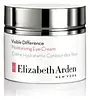
This anti-aging eye moisturizer is formulated around Simmondsia Chinensis Seed Oil and Squalane to soften the look of wrinkles and hydrate skin.
This anti-aging eye moisturizer is formulated around Ascorbyl Glucoside and Retinyl Linoleate to soften the look of wrinkles and hydrate skin.

What's inside
What's inside
 Key Ingredients
No key ingredients
Benefits
Concerns
Ingredients Side-by-side

Water
Skin ConditioningCyclopentasiloxane
Emollient
Glycerin
Humectant


Cetyl Ricinoleate
Emollient

Cetearyl Methicone
Skin Conditioning
Glyceryl Stearate
Emollient
PEG-100 Stearate
Surfactant
Butylene Glycol
Humectant
Dimethicone
Emollient
Squalene
Emollient
Hydroxyethyl Acrylate/Sodium Acryloyldimethyl Taurate Copolymer
Emulsion StabilisingAcrylates/C10-30 Alkyl Acrylate Crosspolymer
Emulsion StabilisingAscophyllum Nodosum Extract
Skin Conditioning

Ascorbyl Glucoside
Antioxidant



Asparagopsis Armata Extract
Skin Protecting
C30-45 Alkyl Dimethicone
Skin Conditioning
Carrageenan

Ceramide AP
Skin Conditioning


Citric Acid
Buffering
Cyclohexasiloxane
Emollient
Dimethicone/Vinyl Dimethicone Crosspolymer
Skin Conditioning
Disodium EDTA
ChelatingGlycine Soja Seed Extract
Skin Conditioning
Hydrolyzed Hazelnut Protein
Skin ConditioningIsohexadecane
EmollientMelissa Officinalis Leaf Extract
Skin ConditioningOlea Europaea Fruit Extract
BleachingOligopeptide-4
Skin Conditioning
Oligopeptide-5
Skin Conditioning
Panthenol
Skin Conditioning
Pollen Extract
EmollientPolymethyl Methacrylate

Polysorbate 60
Emulsifying
Propylene Glycol
Humectant
Retinyl Linoleate
Skin Conditioning
Salvia Officinalis Leaf Extract
CleansingSodium Hyaluronate
Humectant
Sodium Hydroxide
BufferingSorbitol
Humectant
Tocopheryl Acetate
Antioxidant
Tocopheryl Linoleate
Antioxidant
Triticum Vulgare Germ Extract
Skin ConditioningBHT
Antioxidant
Benzoic Acid
Masking
Chlorphenesin
Antimicrobial
Phenoxyethanol
Preservative
Potassium Sorbate
Preservative
Sodium Dehydroacetate
Preservative
Sorbic Acid
Preservative
Water, Cyclopentasiloxane, Glycerin, Cetyl Ricinoleate, Cetearyl Methicone, Glyceryl Stearate, PEG-100 Stearate, Butylene Glycol, Dimethicone, Squalene, Hydroxyethyl Acrylate/Sodium Acryloyldimethyl Taurate Copolymer, Acrylates/C10-30 Alkyl Acrylate Crosspolymer, Ascophyllum Nodosum Extract, Ascorbyl Glucoside, Asparagopsis Armata Extract, C30-45 Alkyl Dimethicone, Carrageenan, Ceramide AP, Citric Acid, Cyclohexasiloxane, Dimethicone/Vinyl Dimethicone Crosspolymer, Disodium EDTA, Glycine Soja Seed Extract, Hydrolyzed Hazelnut Protein, Isohexadecane, Melissa Officinalis Leaf Extract, Olea Europaea Fruit Extract, Oligopeptide-4, Oligopeptide-5, Panthenol, Pollen Extract, Polymethyl Methacrylate, Polysorbate 60, Propylene Glycol, Retinyl Linoleate, Salvia Officinalis Leaf Extract, Sodium Hyaluronate, Sodium Hydroxide, Sorbitol, Tocopheryl Acetate, Tocopheryl Linoleate, Triticum Vulgare Germ Extract, BHT, Benzoic Acid, Chlorphenesin, Phenoxyethanol, Potassium Sorbate, Sodium Dehydroacetate, Sorbic Acid
Ingredients Explained
These ingredients are found in both products.
Ingredients higher up in an ingredient list are typically present in a larger amount.
Glyceryl Stearate is made by reacting glycerin with stearic acid (typically sourced from plant oils like palm or coconut). It's an emulsifier, emollient, and mild occlusive.
Emulsifiers help ingredients like oil and water stay mixed so your formula stays nicely blended and uniform in texture.
This ingredient is typically used in concentrations between 1-10%. Studies have found it to be non-sensitizing, non-phototoxic, and non-photoallergenic.
A close cousin of this ingredient is Glyceryl Stearate SE ("self-emulsifying"). This just has a small amount of sodium or potassium stearate added so it can emulsify without a co-emulsifier.
Since this ingredient is an ester of a C18 fatty acid, it may not be fungal acne safe. The Malassezia yeast can potentially metabolize within the C11-C24 range.
Fun fact: The human body also creates Glyceryl Stearate naturally.
Learn more about Glyceryl StearatePotassium Sorbate is a preservative used to prevent yeast and mold in products. It is commonly found in both cosmetic and food products.
This ingredient comes from potassium salt derived from sorbic acid. Sorbic acid is a natural antibiotic and effective against fungus.
Both potassium sorbate and sorbic acid can be found in baked goods, cheeses, dried meats, dried fruit, ice cream, pickles, wine, yogurt, and more.
You'll often find this ingredient used with other preservatives.
Learn more about Potassium SorbateWater. It's the most common cosmetic ingredient of all. You'll usually see it at the top of ingredient lists, meaning that it makes up the largest part of the product.
So why is it so popular? Water most often acts as a solvent - this means that it helps dissolve other ingredients into the formulation.
You'll also recognize water as that liquid we all need to stay alive. If you see this, drink a glass of water. Remember to stay hydrated!
Learn more about Water