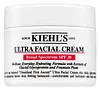
This barrier-repair day moisturizer is formulated around Squalane and Ectoin to strengthen the skin barrier and hydrate skin.
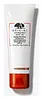
This day moisturizer is formulated around Anthemis Nobilis Flower Water and Panax Ginseng Root Extract to hydrate skin.

What's inside
What's inside
 Key Ingredients
Benefits
Concerns
Ingredients Side-by-side
Water
Skin ConditioningGlycerin
Humectant


Octocrylene
UV Absorber



Homosalate
Skin Conditioning
Ethylhexyl Salicylate
UV Absorber
Squalane
Emollient
Butyl Methoxydibenzoylmethane
UV Absorber
Dimethicone
Emollient
PEG-100 Stearate
Surfactant

Glyceryl Stearate
Emollient
Silica
Abrasive


Octyldodecanol
Emollient
Stearic Acid
Cleansing
Phenoxyethanol
Preservative
Palmitic Acid
Emollient
Tocopherol
Antioxidant




Dicaprylyl Carbonate
EmollientSteareth-100
Gel FormingAcrylates/C10-30 Alkyl Acrylate Crosspolymer
Emulsion StabilisingOphiopogon Japonicus Root Extract
Skin ConditioningCarbomer
Emulsion StabilisingChlorphenesin
Antimicrobial
Capryloyl Salicylic Acid
Exfoliating
Caprylyl Glycol
Emollient
Xanthan Gum
EmulsifyingDimethicone/Vinyl Dimethicone Crosspolymer
Skin Conditioning
Disodium EDTA
ChelatingSodium Hydroxide
BufferingCitrus Aurantium Dulcis Peel Oil
Masking

Limonene
Perfuming
Ectoin
Skin Conditioning

Hydrolyzed Hyaluronic Acid
Humectant
Myristic Acid
Cleansing
Mentha Piperita Oil
Masking

Pseudoalteromonas Ferment Extract
Humectant
Ethylhexylglycerin
Skin ConditioningLinalool
Perfuming
Salicylic Acid
Masking

Water, Glycerin, Octocrylene, Homosalate, Ethylhexyl Salicylate, Squalane, Butyl Methoxydibenzoylmethane, Dimethicone, PEG-100 Stearate, Glyceryl Stearate, Silica, Octyldodecanol, Stearic Acid, Phenoxyethanol, Palmitic Acid, Tocopherol, Dicaprylyl Carbonate, Steareth-100, Acrylates/C10-30 Alkyl Acrylate Crosspolymer, Ophiopogon Japonicus Root Extract, Carbomer, Chlorphenesin, Capryloyl Salicylic Acid, Caprylyl Glycol, Xanthan Gum, Dimethicone/Vinyl Dimethicone Crosspolymer, Disodium EDTA, Sodium Hydroxide, Citrus Aurantium Dulcis Peel Oil, Limonene, Ectoin, Hydrolyzed Hyaluronic Acid, Myristic Acid, Mentha Piperita Oil, Pseudoalteromonas Ferment Extract, Ethylhexylglycerin, Linalool, Salicylic Acid
Water
Skin ConditioningCitrus Aurantium Amara Flower Water
MaskingAnthemis Nobilis Flower Water
Masking
Ethyl Macadamiate
Skin Conditioning
Butylene Glycol
Humectant
Methyl Trimethicone
Skin Conditioning
Butyl Methoxydibenzoylmethane
UV Absorber
Ethylhexyl Salicylate
UV Absorber
Hdi/Trimethylol Hexyllactone Crosspolymer
Octocrylene
UV Absorber
Lauryl PEG-9 Polydimethylsiloxyethyl Dimethicone
Skin Conditioning
PEG-100 Stearate
Surfactant
Butyloctyl Salicylate
Skin Conditioning
Jojoba Esters
Emollient
Glyceryl Stearate
Emollient
Barosma Betulina Leaf Oil
Perfuming
Citrus Paradisi Peel Oil
Masking
Eucalyptus Globulus Leaf Oil
Perfuming
Abies Sibirica Oil
Masking
Prunus Amygdalus Amara Kernel Oil
Masking
Mentha Arvensis Leaf Oil
Masking
Rosa Damascena Flower Oil
Masking
Limonene
Perfuming
Panax Ginseng Root Extract
Emollient
Cordyceps Sinensis Extract
Antioxidant
Garcinia Mangostana Peel Extract
Skin ConditioningCastanea Sativa Seed Extract
Skin ConditioningHordeum Vulgare Extract
EmollientTriticum Vulgare Germ Extract
Skin ConditioningLaminaria Saccharina Extract
Skin Protecting
Mangifera Indica Seed Butter
Skin Conditioning
Butyrospermum Parkii Butter
Skin Conditioning
Caffeine
Skin Conditioning
Cholesterol
Emollient
Potassium Cetyl Phosphate
EmulsifyingGlyceryl Polymethacrylate
Cetyl Alcohol
Emollient
Isopropyl Myristate
Emollient
Trehalose
Humectant
Ethylhexylglycerin
Skin ConditioningLinoleic Acid
Cleansing
Squalane
Emollient
Polymethyl Methacrylate
Dehydroxanthan Gum
Emulsion StabilisingAscorbyl Tocopheryl Maleate
Antioxidant
Sodium Hyaluronate
Humectant
Caprylyl Glycol
Emollient
Ammonium Acryloyldimethyltaurate/Vp Copolymer
Citric Acid
Buffering
Stearic Acid
Cleansing
Silica
Abrasive
Sodium Dehydroacetate
Preservative
Phenoxyethanol
Preservative
Mica
Cosmetic ColorantCI 77491
Cosmetic ColorantCI 77492
Cosmetic ColorantCI 77499
Cosmetic ColorantCI 77891
Cosmetic ColorantWater, Citrus Aurantium Amara Flower Water, Anthemis Nobilis Flower Water, Ethyl Macadamiate, Butylene Glycol, Methyl Trimethicone, Butyl Methoxydibenzoylmethane, Ethylhexyl Salicylate, Hdi/Trimethylol Hexyllactone Crosspolymer, Octocrylene, Lauryl PEG-9 Polydimethylsiloxyethyl Dimethicone, PEG-100 Stearate, Butyloctyl Salicylate, Jojoba Esters, Glyceryl Stearate, Barosma Betulina Leaf Oil, Citrus Paradisi Peel Oil, Eucalyptus Globulus Leaf Oil, Abies Sibirica Oil, Prunus Amygdalus Amara Kernel Oil, Mentha Arvensis Leaf Oil, Rosa Damascena Flower Oil, Limonene, Panax Ginseng Root Extract, Cordyceps Sinensis Extract, Garcinia Mangostana Peel Extract, Castanea Sativa Seed Extract, Hordeum Vulgare Extract, Triticum Vulgare Germ Extract, Laminaria Saccharina Extract, Mangifera Indica Seed Butter, Butyrospermum Parkii Butter, Caffeine, Cholesterol, Potassium Cetyl Phosphate, Glyceryl Polymethacrylate, Cetyl Alcohol, Isopropyl Myristate, Trehalose, Ethylhexylglycerin, Linoleic Acid, Squalane, Polymethyl Methacrylate, Dehydroxanthan Gum, Ascorbyl Tocopheryl Maleate, Sodium Hyaluronate, Caprylyl Glycol, Ammonium Acryloyldimethyltaurate/Vp Copolymer, Citric Acid, Stearic Acid, Silica, Sodium Dehydroacetate, Phenoxyethanol, Mica, CI 77491, CI 77492, CI 77499, CI 77891
Ingredients Explained
These ingredients are found in both products.
Ingredients higher up in an ingredient list are typically present in a larger amount.
Also known as Avobenzone, this ingredient is an oil-soluble used to absorb the full spectrum of UVA rays (peak 357 nm).
It's one of the most effective UVA filters available but has a major caveat of photostability: avobenzone is susceptible to photodegradation.
This means it can lose efficacy when exposed to sunlight without the help of a stabilizing agent.
Studies show antioxidants (like vitamin E or vitamin C) and some UV filters (like octocrylene and Tinosorb S) can meaningfully improve its stability in a formulation.
The maximum allowable concentration according to regulation is 3% in the US + Canada, and 5% in the EU, Australia, China, Korea, and ASEAN countries.
It has a well-support safety profile: a comprehensive 2025 review found minimal toxicity with no evidence of carcinogenicity.
Overall, avobenzone is a safe and regulated ingredient used in sunscreen for over 40 years.
Learn more about Butyl MethoxydibenzoylmethaneCaprylyl Glycol is a humectant, skin conditioner, emollient, and preservative booster derived from either caprylic acid or synthetically created.
Typical use levels vary from 0.3-1% as a preservative booster and go up to 2% to condition skin.
Because it is not a free-fatty acid, this ingredient is fungal acne safe (there's nothing for Malassezia to feed on).
Learn more about Caprylyl GlycolEthylhexyl Salicylate (also called Octisalate or Octyl Salicylate) is an oil-soluble organic UV filter that's been used in sunscreen since the 1950's.
It absorbs UVB light in the 280-320 nm range with a peak absorbance around 306 nm.
You'll often see it paired with other UV filters to boost overall SPF because octisalate is a fairly week filter on its own.
The reason you'll see it so often is because it can help solubilize and stabilize the trickier filters like oxybenzone and avobenzone.
Unlike these filters, octisalate has pretty good photostability and doesn't create skin-damaging free radicals when exposed to sunlight.
The fatty-alcohol part of the molecule also gives it a light, emollient feel so it doubles as a nice texture enhancer.
Usage levels vary around the world:
Safety-wise, this ingredient has a pretty reassuring track record. The EU's Scientific Committee on Consumer Products (SCCP) found very low skin penetration in human skin tests and negative results for irritation, phototoxicity, and photoallergy.
The real-world allergy risk is pretty low too; a 2012 European study of 1,031 people recorded only 2 reactions to it (a rate of 0.19%).
You might have seen scary headlines about sunscreen getting into your blood.
In 2019, the FDA found that several chemical filters can absorb through the skin and show up in the bloodstream at small but measurable levels.
Here's the important part: these tiny levels are just a cutoff the FDA uses to decide which ingredients need more testing and doesn't mean anything harmful was found.
The researchers were clear that the results are no reason to stop wearing sunscreen.
Learn more about Ethylhexyl SalicylateEthylhexylglycerin is created from glycerin. It is a multitasker ingredient that:
The CIR Expert Panel found minimal skin absorption or sensitization of any kind in a safety assessment. Though this ingredient is considered well-tolerated, a small number of cases of allergic dermatitis have been published since 2002. Just be sure to patch test if you are unsure.
Industry-reported use ranges from 8% in rinse-off products and 2% in leave-on formulations.
Learn more about EthylhexylglycerinGlyceryl Stearate is made by reacting glycerin with stearic acid (typically sourced from plant oils like palm or coconut). It's an emulsifier, emollient, and mild occlusive.
Emulsifiers help ingredients like oil and water stay mixed so your formula stays nicely blended and uniform in texture.
This ingredient is typically used in concentrations between 1-10%. Studies have found it to be non-sensitizing, non-phototoxic, and non-photoallergenic.
A close cousin of this ingredient is Glyceryl Stearate SE ("self-emulsifying"). This just has a small amount of sodium or potassium stearate added so it can emulsify without a co-emulsifier.
Since this ingredient is an ester of a C18 fatty acid, it may not be fungal acne safe. The Malassezia yeast can potentially metabolize within the C11-C24 range.
Fun fact: The human body also creates Glyceryl Stearate naturally.
Learn more about Glyceryl StearateLimonene is the compound that gives citrus peel its smell.
In skincare, it shows up as a standalone fragrance ingredient or as a natural compound of citrus and other essential oils.
You'll typically see this ingredient used in very small amounts; anything above 0.001% in a leave-on product or 0.01% in a rinse-off has to be named on the label in the EU. The citrus oils that carry it sit around 0.5-1% in a finished formula.
Fresh limonene is a weak allergen; the real issue is that it slowly reacts with air and then breaks down from oxidation to create hydroperoxides (which are strong sensitizers). This is why suppliers are required to keep the peroxide value below 20 mmol.
Positive reactions in people being investigated for eczema vary:
It's worth skipping if you have a known fragrance allergy or a compromised barrier, but the risk is low for most people.
Older or long-opened products are also more likely to bother you than fresh ones due to oxidation.
Learn more about LimoneneOctocrylene is an oil-soluble organic UV filter that mainly absorbs UVB and short wave UVA II light.
Its real superpower is teamwork: octocrylene is remarkably photostable and is most famous for stabilizing avobenzone (the workhorse UVA filter).
This ingredient is commonly used to enhance both UVB and UVA protection due to its unique property in stabilizing avobenzone. It also pulls double duty by boosting water resistance and giving formulas a smooth, spreadable feel.
The EU's Scientific Committee on Consumer Safety (SCCS) has deemed octocrylene to be safe as a UV-filter at concentrations up to 10% (capped at 9% in propellant sprays). The US also permits it up to 10%.
Two things worth knowing:
You'll usually see this ingredient used in concentrations between 2-10% (higher amounts when used as a stabilizer for avobenzone).
Learn more about OctocrylenePeg-100 Stearate is an emollient and emulsifier. As an emollient, it helps keep skin soft by trapping moisture in. On the other hand, emulsifiers help prevent oil and water from separating in a product.
PEGS are a hydrophilic polyether compound . There are 100 ethylene oxide monomers in Peg-100 Stearate. Peg-100 Stearate is polyethylene glycol ester of stearic acid.
Phenoxyethanol is one of the most widely used preservatives in skincare (and for good reason!).
It has a large spectrum of antimicrobial activity and especially effective bacteria, yeast, and mold while only having a weak effect on your skin's natural microbiome.
On a cellular level, it disrupts the cell membranes of microbes by poking holes that make the cell leak. This shuts down the chemical reactions the microbe needs to make energy so it can no longer survive.
Another perk of this ingredient is that it stays functional across a wide pH range (3-10).
You'll often see it paired with boosters like Ethylhexylglycerin; one study showed that a 1:9 ratio of Ethylhexylglycerin to Phenoxyethanol damages bacterial membranes as effectively as doubling the Phenoxyethanol concentration on its own.
Typical use concentrations range from 0.3-1% depending on the formula, and this ingredient is capped at 1% int the EU.
Safety-wise, the fear mongering does not hold up to the evidence. The EU's Scientific Committee on Consumer Safety and FDA consider it safe as a preservative at up to 1%, including for children of all ages.
Adverse systemic effects only showed up in animal studies at exposures roughly 200x higher than what people get from cosmetics. And despite its very widespread use, this ingredient is a rare sensitizer and allergic reactions are uncommon.
Learn more about PhenoxyethanolSilica, also known as silicon dioxide, is a naturally occurring mineral. It is used as a fine, spherical, and porous powder in cosmetics.
Though it has exfoliant properties, the function of silica varies depending on the product.
The unique structure of silica enhances the spreadability and adds smoothness, making it a great texture enhancer.
It is also used as an active carrier, emulsifier, and mattifier due to its ability to absorb excess oil.
In some products, tiny microneedles called spicules are made from silica or hydrolyzed sponge. When you rub them in, they lightly polish away dead skin layers and enhance the penetration of active ingredients.
Learn more about SilicaSqualane is the hydrogenated and shelf-stable form of squalene (a lipid that naturally occurs in human sebum).
It is an emollient and skin conditioning agent that is able to integrate seamlessly into the skin's lipid barrier without clogging pores.
This is due to how structurally similar it is to what your skin already produces.
Though it is mostly an emollient that helps soften and hydrate skin, it also has some humectant and occlusive action. Humectants help the skin retain moisture while occlusives seal it in, making squalane a triple-threat moisturizer.
Research shows it has antioxidant capabilities that help protect against stressors like UV exposure, specifically UVA induced oxidative stress. This study also found that it supports collagen biosynthesis in human dermal fibroblasts.
No clinical study has reported significant adverse effects and irritation reactions are very rare from this ingredient (even at 100% concentration).
Overall, it's a fantastic ingredient for hydration and is suitable for all skin types.
This depends on the source. Squalane can be derived from both plants and animals. Most squalane used in skincare comes from plants.
Please note: the source of squalane is only known if disclosed by the brand. We recommend reaching out to the brand if you have any questions about their squalane.
Read more about squalene with an "e".
Though squalane is often called an oil, it’s technically not one. It is a hydrocarbon, meaning it is only made of carbon and hydrogen. True oils are triglycerides and made of fatty acids and glycerol.
The term “oil-free” isn’t regulated so companies can define it however they want. Some exclude all oils, while others just avoid mineral oil or comedogenic oils.
Squalane has a comedogenic rating of 1 from the original 1972 study that tested raw ingredients under occlusion on rabbit ears. This system is not standardized or peer-reviewed, and using the raw ingredients is very different from how diluted cosmetic formulations are used on human skin.
A comedogenic rating of 1 means it is "unlikely to clog pores" according to the original rating system.
The overall formula of a product matters more than the individual ingredients on whether or not it will cause clogged pores.
Learn more about SqualaneStearic Acid is a fatty acid that is already found in your skin. It's one of the free fatty acids that works alongside ceramides and cholesterols to maintain your barrier.
In cosmetics, it is a multitasker:
Safety-wise, the CIR Expert Panel has concluded it to be safe in cosmetics when formulated to be non-irritating and non-sensitizing.
Free stearic acid is a C18 fatty acid that the Malassezia yeast can substrate, so this ingredient may not be fungal acne safe.
This ingredient does have a comedogenic rating of 2-3, but this doesn't mean a formula with this ingredient will clog pores.
Human testing has proved that any finished product with this ingredient won't automatically make you break out; it really comes down to concentration, formula, and your skin.
Learn more about Stearic AcidWater. It's the most common cosmetic ingredient of all. You'll usually see it at the top of ingredient lists, meaning that it makes up the largest part of the product.
So why is it so popular? Water most often acts as a solvent - this means that it helps dissolve other ingredients into the formulation.
You'll also recognize water as that liquid we all need to stay alive. If you see this, drink a glass of water. Remember to stay hydrated!
Learn more about Water

