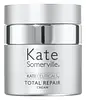
Kate Somerville KateCeuticals Total Repair Cream Versus SkinBetter Science Trio Rebalancing Moisture Treatment
This barrier-repair moisturizer is formulated around Ceramide Ng and Cholesterol to strengthen the skin barrier and soften the look of wrinkles.
This barrier-repair moisturizer is formulated around Cholesterol and Squalane to strengthen the skin barrier and hydrate skin.

What's inside
What's inside
 Key Ingredients
Benefits
Concerns
Ingredients Side-by-side
Water
Skin ConditioningCetearyl Alcohol
Emollient






Dimethicone
Emollient

Stearic Acid
Cleansing
Ceteareth-20
Cleansing
Glycerin
Humectant
Isocetyl Stearoyl Stearate
Emollient
Isopropyl Myristate
Emollient
C12-15 Alkyl Benzoate
AntimicrobialCannabis Sativa Seed Oil
Emollient
Caprylic/Capric Triglyceride
Masking
Orbignya Oleifera Seed Oil
Emollient
Ceramide Ng
Skin Conditioning


Cholesterol
Emollient
Adenosine
Skin Conditioning
Squalane
Emollient
Macadamia Ternifolia Seed Oil
Emollient
Copper PCA
HumectantSerica
HumectantSodium Hyaluronate
Humectant

Palmitoyl Hexapeptide-12
Skin Conditioning
Allantoin
Skin Conditioning
Simmondsia Chinensis Seed Oil
Emollient
Citrus Paradisi Peel Oil
Masking


Ascorbyl Palmitate
Antioxidant


Triacetin
AntimicrobialPEG-10 Phytosterol
EmulsifyingSodium PCA
Humectant
Tribehenin
Emollient
Urea
Buffering

Polyquaternium-51
Skin Conditioning
Butylene Glycol
Humectant
Trehalose
Humectant
Potassium Sorbate
Preservative
Sodium Benzoate
Masking
Disodium EDTA
ChelatingTocopheryl Acetate
Antioxidant
Parfum
Masking
Hexylene Glycol
EmulsifyingLactic Acid
Buffering



Aminomethyl Propanol
BufferingXanthan Gum
EmulsifyingBHT
Antioxidant
Caprylyl Glycol
Emollient
Chlorphenesin
Antimicrobial
Geraniol
Perfuming
Hexyl Cinnamal
Perfuming
Limonene
Perfuming
Water, Cetearyl Alcohol, Dimethicone, Stearic Acid, Ceteareth-20, Glycerin, Isocetyl Stearoyl Stearate, Isopropyl Myristate, C12-15 Alkyl Benzoate, Cannabis Sativa Seed Oil, Caprylic/Capric Triglyceride, Orbignya Oleifera Seed Oil, Ceramide Ng, Cholesterol, Adenosine, Squalane, Macadamia Ternifolia Seed Oil, Copper PCA, Serica, Sodium Hyaluronate, Palmitoyl Hexapeptide-12, Allantoin, Simmondsia Chinensis Seed Oil, Citrus Paradisi Peel Oil, Ascorbyl Palmitate, Triacetin, PEG-10 Phytosterol, Sodium PCA, Tribehenin, Urea, Polyquaternium-51, Butylene Glycol, Trehalose, Potassium Sorbate, Sodium Benzoate, Disodium EDTA, Tocopheryl Acetate, Parfum, Hexylene Glycol, Lactic Acid, Aminomethyl Propanol, Xanthan Gum, BHT, Caprylyl Glycol, Chlorphenesin, Geraniol, Hexyl Cinnamal, Limonene
Water
Skin ConditioningCaprylic/Capric Triglyceride
Masking
Glyceryl Stearate
Emollient
Cholesterol
Emollient
Glycerin
Humectant
Hydroxyethyl Urea
Humectant
Butylene Glycol
Humectant
Sodium Lactate
Buffering
Polyglyceryl-6 Palmitate/Succinate
Emulsifying
Sodium PCA
Humectant
Squalane
Emollient
Isocetyl Stearoyl Stearate
Emollient
Ethyl Macadamiate
Skin Conditioning
N-Capryloyl Lysine
EmollientJojoba Esters
Emollient
Carnitine
Cleansing
Dimethicone
Emollient
Sodium Hyaluronate
Humectant
Urea
Buffering
Aminopropyl Ascorbyl Phosphate
Antioxidant
Salicornia Herbacea Extract
Skin ConditioningCeramide EOP
Skin Conditioning
Ceramide NP
Skin Conditioning
Linoleic Acid
Cleansing
Linolenic Acid
Cleansing
Carnosine
Skin Conditioning
Caffeine
Skin Conditioning
Salicylic Acid
Masking

Tocopherol
Antioxidant
Pullulan
Caprylyl Methicone
Skin Conditioning
Sclerotium Gum
Emulsion StabilisingXanthan Gum
EmulsifyingCetearyl Alcohol
Emollient
Ethylhexylglycerin
Skin ConditioningTriethyl Citrate
Masking
Silica
Abrasive
Lecithin
Emollient
Phytic Acid
Chelating
Pentaerythrityl Tetra-Di-T-Butyl Hydroxyhydrocinnamate
Antioxidant
Triacetin
AntimicrobialSodium Hydroxide
BufferingPhenoxyethanol
Preservative
Lactic Acid
Buffering
Water, Caprylic/Capric Triglyceride, Glyceryl Stearate, Cholesterol, Glycerin, Hydroxyethyl Urea, Butylene Glycol, Sodium Lactate, Polyglyceryl-6 Palmitate/Succinate, Sodium PCA, Squalane, Isocetyl Stearoyl Stearate, Ethyl Macadamiate, N-Capryloyl Lysine, Jojoba Esters, Carnitine, Dimethicone, Sodium Hyaluronate, Urea, Aminopropyl Ascorbyl Phosphate, Salicornia Herbacea Extract, Ceramide EOP, Ceramide NP, Linoleic Acid, Linolenic Acid, Carnosine, Caffeine, Salicylic Acid, Tocopherol, Pullulan, Caprylyl Methicone, Sclerotium Gum, Xanthan Gum, Cetearyl Alcohol, Ethylhexylglycerin, Triethyl Citrate, Silica, Lecithin, Phytic Acid, Pentaerythrityl Tetra-Di-T-Butyl Hydroxyhydrocinnamate, Triacetin, Sodium Hydroxide, Phenoxyethanol, Lactic Acid
Reviews
Ingredients Explained
These ingredients are found in both products.
Ingredients higher up in an ingredient list are typically present in a larger amount.
Butylene Glycol (or BG) is used within cosmetic products for a few different reasons:
Overall, Butylene Glycol is a safe and well-rounded ingredient that works well with other ingredients.
Though this ingredient works well with most skin types, some people with sensitive skin may experience a reaction such as allergic rashes, closed comedones, or itchiness.
Learn more about Butylene GlycolCaprylic/Capric Triglyceride (aka MCT Oil) is a lightweight emollient, solvent, and texture enhancer. It is considered a skin-softener by helping to prevent moisture loss.
Though it behaves like an oil, it is not technically one due to its chemical composition. One perk of this ingredient is that it is very stable, resistant to oxidation, and unlikely to go rancid.
In practice, that translates to a long shelf life and a consistently elegant skin feel.
While there is an assumption Caprylic Triglyceride can clog pores due to it being derived from coconut oil, there is no research supporting this. Just patch test if you have concerns.
Fractionated coconut oil and MCT Oil are both listed as Caprylic/Capric Triglyceride according to INCI. This is because INCI names are based on the ingredient’s final chemical composition and not its marketing name or source.
This ingredient is treated as the gold standard fungal acne safe oil. Even though it is coconut derived, the problematic lauric acid is stripped out.
This leaves just caprylic (C8) and capric (C10) acid. These chain lengths actually trend antifungal; a 2020 study found caprylic acid was enough to disrupt Malassezia furfur cell membrane, with a caprylic acid derivative damaging membrane structures at concentrations as low as 0.2%.
Learn more about Caprylic/Capric TriglycerideCetearyl alcohol is a waxy mixture of two fatty alcohols: cetyl alcohol and stearyl alcohol. It is an emollient and emulsifier.
Despite having "alcohol" in its name, it has nothing to do with drying solvent alcohols; the FDA also allows "alcohol-free" products to contain fatty alcohols like this ingredient.
It plays several roles in a formula:
Typical use levels for this ingredient sit around 1-10% and the Cosmetic Ingredient Review Expert Panel has affirmed safety at concentrations up to 25% in leave-on products.
Multiple assessments have found it to be non-irritating and non-sensitizing to most people.
However, there have been some cases of allergic contact dermatitis in patients with chronically compromised skin barriers.
Cetearyl alcohol has a comedogenic rating of 2 and irritancy rating of 1. Both of these numbers come from the 1989 study that used rabbit ears; a "2" means mildly comedogenic and a "1" means low irritancy.
Here's the catch: rabbit skin is more sensitive than human skin and throws a lot of false positives. A 1996 reappraisal found that ingredients rated 1-2 in the rabbit ear tests are generally safe for humans.
Remember comedogenic ratings are unable to assess the entire formula of a product or how it will react on your skin. Just be sure to patch test if you are unsure about certain ingredients.
This ingredient is not fungal acne safe. Cetearyl alcohol is a fatty alcohol with chain lengths that fall within the range that Malassezia can metabolize.
A 2019 study has also observed Malassezia growth in the presence of this ingredient, confirming it to be not-fungal acne safe.
Learn more about Cetearyl AlcoholCholesterol is a lipid that is naturally found in human skin and is one of the three key components of your skin barrier. In skincare, it is an emollient and barrier-repairing ingredient.
It works by fitting directly into the lipid layers of skin to help restore structure and reduce transepidermal water loss (TEWL).
This is a great ingredient for dry, compromised, or aging skin; our skin starts to produce less cholesterol with age.
Research shows cholesterol works best in combination with ceramides and fatty acids, the other two major components in your skin barrier.
Cholesterol is also a well-establish penetration enhancer and can help other actives absorb more effectively.
Cosmetic-grade cholesterol is usually derived from lanolin but plant and synthetic options also exist. We recommend reaching out to the brand if you have questions about their source of cholesterol.
Learn more about CholesterolDimethicone is a type of synthetic silicone created from natural materials such as quartz. It is also known as polydimethylsiloxane.
What it does:
Dimethicone comes in different viscosities:
Depending on the viscosity, dimethicone has different properties.
Ingredients lists don't always show which type is used, so we recommend reaching out to the brand if you have questions about the viscosity.
This ingredient is unlikely to cause irritation because it does not get absorbed into skin. However, people with silicone allergies should be careful about using this ingredient.
Note: Dimethicone may contribute to pilling. This is because it is not oil or water soluble, so pilling may occur when layered with products. When mixed with heavy oils in a formula, the outcome is also quite greasy.
Learn more about DimethiconeGlycerin (or glycerol) is a compound naturally found in your skin. It's a powerhouse humectant that pulls water into the stratum corneum.
Topically, glycerin does several things at once:
Your skin makes glycerin on its own (mostly from sebaceous oil breakdown) and shuttles it to your outermost layer of skin, or your epidermis, via aquaporin-3.
Aquaporin-3 is a transporter that is essential for normal skin hydration, elasticity, and repair. Interestingly, mice lacking in AQP3 have dry and less elastic skin that can be fully corrected with glycerin.
This ingredient is non-irritating, plays well with almost every ingredient, and works across all skin types. Typical use is anywhere between 3-10% but can go up to 79% in some leave-on products.
Just know very high concentrations (>40%) can feel tacky in low humidity.
Glycerin is the name for this ingredient in American English. British English uses Glycerol/Glycerine.
Learn more about GlycerinIsocetyl Stearoyl Stearate isn't fungal acne safe.
Lactic Acid is another well-loved alpha hydroxy acid (AHA). It is gentler than glycolic acid but still highly effective.
Its main role is to exfoliate the surface of the skin by loosening the “glue” that holds dead skin cells together. Shedding those old cells leads to smoother, softer, and more even-toned skin.
Because lactic acid molecules are larger than glycolic acid, they don’t penetrate as deeply. This means they’re less likely to sting or irritate, making it a great choice for beginners or those with sensitive skin.
Like glycolic acid, it can:
Lactic acid also acts as a humectant (like hyaluronic acid). It can draw water into the skin to improve hydration and also plays a role in the skin's natural moisturizing factor (NMF) in the form of sodium lactate.
Studies show it can boost ceramide production to strengthen the skin barrier and even help balance the skin’s microbiome.
To get results, choose products with a pH between 3-4.
Lower strengths (5-12%) focus on surface exfoliation; higher strengths (12% and up) can reach deeper in the dermis (deeper, supportive layer) to improve skin texture and firmness over time.
Though it was originally derived from milk, most modern lactic acid used in skincare is vegan. It is made through non-dairy fermentation to create a bio-identical and stable form suitable for all formulations.
When lactic acid shows up near the end of an ingredient list, it usually means the brand added just a tiny amount to adjust the product’s pH.
Legend has it that Cleopatra used to bathe in sour milk to help reduce wrinkles.
Lactic acid is truly a gentle multitasker: it exfoliates, hydrates, strengthens, and brightens. It's a great ingredient for giving your skin a smooth, glowing, and healthy look without the harshness of stronger acids.
Read more about some other popular AHA's here:
Learn more about Lactic AcidSodium Hyaluronate is the salt form of hyaluronic acid. It is a long sugar chain that is naturally found in your skin, joints, and connective tissue that maintains hydration and elasticity.
In skincare, it works as a humectant. It pulls water from the environment and deeper layers of skin and binds it to the surface.
Interestingly, the size of the molecule affects its behavior:
Some clinical evidence links low molecular weight versions to improved wrinkle depth, elasticity, anti-inflammatory effects, and barrier repair.
Many serums use a blend of both weights so you can get surface hydration plus longer-lasting and deeper effects.
You'll typically see concentrations between 0.1-2% for this ingredient.
Learn more about Sodium HyaluronateSodium PCA (the salt of PCA) is one of the most well-established humectants in skincare.
Why is it so special? Your skin already makes it naturally; it's a natural component of your skin's Natural Moisturizing Factor (NMF), or the mix of water-binding compounds inside your skin cells that keeps things soft and hydrated.
As a cosmetic ingredient, it grabs water and holds it in the upper layers of skin to smooth roughness and ease dehydration.
There's some clinical support for the NMF approach with a study showing that a cream built to mimic the skin's NMF significantly boosted hydration.
Safety-wise, this ingredient non-irritating, non-comedogenic, and non-phototoxic in testing, with minimal skin absorption.
It also works really well with other hydrators like glycerin or hyaluronic acid, and typical usage is somewhere between 0.2-4%.
Learn more about Sodium PCASqualane is the hydrogenated and shelf-stable form of squalene (a lipid that naturally occurs in human sebum).
It is an emollient and skin conditioning agent that is able to integrate seamlessly into the skin's lipid barrier without clogging pores.
This is due to how structurally similar it is to what your skin already produces.
Though it is mostly an emollient that helps soften and hydrate skin, it also has some humectant and occlusive action. Humectants help the skin retain moisture while occlusives seal it in, making squalane a triple-threat moisturizer.
Research shows it has antioxidant capabilities that help protect against stressors like UV exposure, specifically UVA induced oxidative stress. This study also found that it supports collagen biosynthesis in human dermal fibroblasts.
No clinical study has reported significant adverse effects and irritation reactions are very rare from this ingredient (even at 100% concentration).
Overall, it's a fantastic ingredient for hydration and is suitable for all skin types.
This depends on the source. Squalane can be derived from both plants and animals. Most squalane used in skincare comes from plants.
Please note: the source of squalane is only known if disclosed by the brand. We recommend reaching out to the brand if you have any questions about their squalane.
Read more about squalene with an "e".
Though squalane is often called an oil, it’s technically not one. It is a hydrocarbon, meaning it is only made of carbon and hydrogen. True oils are triglycerides and made of fatty acids and glycerol.
The term “oil-free” isn’t regulated so companies can define it however they want. Some exclude all oils, while others just avoid mineral oil or comedogenic oils.
Squalane has a comedogenic rating of 1 from the original 1972 study that tested raw ingredients under occlusion on rabbit ears. This system is not standardized or peer-reviewed, and using the raw ingredients is very different from how diluted cosmetic formulations are used on human skin.
A comedogenic rating of 1 means it is "unlikely to clog pores" according to the original rating system.
The overall formula of a product matters more than the individual ingredients on whether or not it will cause clogged pores.
Learn more about SqualaneTriacetin comes from glycerin and acetic acid. It has antimicrobial properties.
Due to its ability to kill off microorganisms, it can help reduce odor caused by bacteria. Hence, it is a masking ingredient.
Urea is also called carbamide and is the diamide of carbonic acid. In cosmetics, urea is used to hydrate the skin. It also provides exfoliation in higher concentrations.
As a humectant, urea helps draw moisture from the air and from deep within the skin. This helps hydrate your skin. Studies show urea is an effective moisturizer for dry skin conditions. 40% urea is typical in medications for treating eczema and other skin conditions.
Urea has the strongest exfoliation effect in concentrations higher than 10%. It is a keratolytic agent, meaning it breaks down the keratin protein in the top layer of skin. This helps remove dead skin cells and flaking skin.
In medicine, urea has been shown to help increase the potency of other ingredients, such as fungal treatments.
Humans and animals use urea to metabolize nitrogen-containing compounds. Urea is highly soluble in water. Once dissolved, it is neither acidic nor alkaline.
Urea is actually one of the more well-studied and well-supported ingredients out there if you have eczema.
Clinical trials have shown that urea creams in the 5 - 10% range can:
Higher concentrations (20 -30%) can also help with thickened, scaly patches but is also more likely to sting on active flares.
Skip urea if you have rosacea. The AAD (American Academy of Dermatology) lists it alongside alcohol, menthol, and fragrance as a potential irritant for rosacea-prone skin. Urea's keratolytic and penetration-enhancing properties can trigger stinging, burning, and redness.
As always, your skin is unique, so definitely check in with your dermatologist.
Learn more about UreaWater. It's the most common cosmetic ingredient of all. You'll usually see it at the top of ingredient lists, meaning that it makes up the largest part of the product.
So why is it so popular? Water most often acts as a solvent - this means that it helps dissolve other ingredients into the formulation.
You'll also recognize water as that liquid we all need to stay alive. If you see this, drink a glass of water. Remember to stay hydrated!
Learn more about WaterXanthan gum is used as a stabilizer and thickener within cosmetic products. It helps give products a sticky, thick feeling - preventing them from being too runny.
On the technical side of things, xanthan gum is a polysaccharide - a combination consisting of multiple sugar molecules bonded together.
Xanthan gum is a pretty common and great ingredient. It is a natural, non-toxic, non-irritating ingredient that is also commonly used in food products.
Learn more about Xanthan Gum

