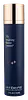
This barrier-repair moisturizer is formulated around Cholesterol and Squalane to strengthen the skin barrier and hydrate skin.
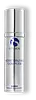
This barrier-repair moisturizer is formulated around Hyaluronic Acid and Panthenol to strengthen the skin barrier and hydrate skin.

What's inside
What's inside
 Key Ingredients
Benefits
Concerns
Ingredients Side-by-side
Water
Skin ConditioningCaprylic/Capric Triglyceride
Masking


Glyceryl Stearate
Emollient

Cholesterol
Emollient
Glycerin
Humectant
Hydroxyethyl Urea
Humectant
Butylene Glycol
Humectant
Sodium Lactate
Buffering
Polyglyceryl-6 Palmitate/Succinate
Emulsifying
Sodium PCA
Humectant
Squalane
Emollient
Isocetyl Stearoyl Stearate
Emollient
Ethyl Macadamiate
Skin Conditioning
N-Capryloyl Lysine
EmollientJojoba Esters
Emollient
Carnitine
Cleansing

Dimethicone
Emollient
Sodium Hyaluronate
Humectant

Urea
Buffering

Aminopropyl Ascorbyl Phosphate
Antioxidant


Salicornia Herbacea Extract
Skin ConditioningCeramide EOP
Skin Conditioning
Ceramide NP
Skin Conditioning
Linoleic Acid
Cleansing
Linolenic Acid
Cleansing

Carnosine
Skin Conditioning
Caffeine
Skin Conditioning
Salicylic Acid
Masking





Tocopherol
Antioxidant
Pullulan
Caprylyl Methicone
Skin Conditioning
Sclerotium Gum
Emulsion StabilisingXanthan Gum
EmulsifyingCetearyl Alcohol
Emollient


Ethylhexylglycerin
Skin ConditioningTriethyl Citrate
Masking
Silica
Abrasive
Lecithin
Emollient
Phytic Acid
Chelating
Pentaerythrityl Tetra-Di-T-Butyl Hydroxyhydrocinnamate
Antioxidant
Triacetin
AntimicrobialSodium Hydroxide
BufferingPhenoxyethanol
Preservative
Lactic Acid
Buffering
Water, Caprylic/Capric Triglyceride, Glyceryl Stearate, Cholesterol, Glycerin, Hydroxyethyl Urea, Butylene Glycol, Sodium Lactate, Polyglyceryl-6 Palmitate/Succinate, Sodium PCA, Squalane, Isocetyl Stearoyl Stearate, Ethyl Macadamiate, N-Capryloyl Lysine, Jojoba Esters, Carnitine, Dimethicone, Sodium Hyaluronate, Urea, Aminopropyl Ascorbyl Phosphate, Salicornia Herbacea Extract, Ceramide EOP, Ceramide NP, Linoleic Acid, Linolenic Acid, Carnosine, Caffeine, Salicylic Acid, Tocopherol, Pullulan, Caprylyl Methicone, Sclerotium Gum, Xanthan Gum, Cetearyl Alcohol, Ethylhexylglycerin, Triethyl Citrate, Silica, Lecithin, Phytic Acid, Pentaerythrityl Tetra-Di-T-Butyl Hydroxyhydrocinnamate, Triacetin, Sodium Hydroxide, Phenoxyethanol, Lactic Acid
Water
Skin ConditioningHyaluronic Acid
Humectant
Glycerin
Humectant
Butylene Glycol
Humectant
Alcohol Denat.
Antimicrobial
Dimethicone
Emollient
Glyceryl Stearate
Emollient
PEG-100 Stearate
Surfactant
Panthenol
Skin Conditioning
Simmondsia Chinensis Seed Oil
Emollient
Tocopheryl Acetate
Antioxidant
Retinyl Palmitate
Skin Conditioning
Triticum Vulgare Germ Oil
Emollient
Aluminum Starch Octenylsuccinate
Absorbent
Phospholipids
Skin Conditioning
Pantothenic Acid
Skin ConditioningMethyldihydrojasmonate
MaskingFaex Extract
Skin ConditioningPanax Ginseng Root Extract
Emollient
Camellia Sinensis Leaf Extract
Antimicrobial
Ormenis Multicaulis Oil
Masking
Stearic Acid
Cleansing
Glyceryl Dilaurate
Emollient
Carbomer
Emulsion StabilisingTriethanolamine
BufferingAsiaticoside
Antioxidant
Asiatic Acid
Skin Conditioning
Madecassic Acid
Skin Conditioning
Ascorbyl Palmitate
Antioxidant
Disodium EDTA
Chelating1,2-Hexanediol
Skin Conditioning
Caprylyl Glycol
Emollient
Water, Hyaluronic Acid, Glycerin, Butylene Glycol, Alcohol Denat., Dimethicone, Glyceryl Stearate, PEG-100 Stearate, Panthenol, Simmondsia Chinensis Seed Oil, Tocopheryl Acetate, Retinyl Palmitate, Triticum Vulgare Germ Oil, Aluminum Starch Octenylsuccinate, Phospholipids, Pantothenic Acid, Methyldihydrojasmonate, Faex Extract, Panax Ginseng Root Extract, Camellia Sinensis Leaf Extract, Ormenis Multicaulis Oil, Stearic Acid, Glyceryl Dilaurate, Carbomer, Triethanolamine, Asiaticoside, Asiatic Acid, Madecassic Acid, Ascorbyl Palmitate, Disodium EDTA, 1,2-Hexanediol, Caprylyl Glycol
Reviews
Ingredients Explained
These ingredients are found in both products.
Ingredients higher up in an ingredient list are typically present in a larger amount.
Butylene Glycol (or BG) is used within cosmetic products for a few different reasons:
Overall, Butylene Glycol is a safe and well-rounded ingredient that works well with other ingredients.
Though this ingredient works well with most skin types, some people with sensitive skin may experience a reaction such as allergic rashes, closed comedones, or itchiness.
Learn more about Butylene GlycolDimethicone is a type of synthetic silicone created from natural materials such as quartz. It is also known as polydimethylsiloxane.
What it does:
Dimethicone comes in different viscosities:
Depending on the viscosity, dimethicone has different properties.
Ingredients lists don't always show which type is used, so we recommend reaching out to the brand if you have questions about the viscosity.
This ingredient is unlikely to cause irritation because it does not get absorbed into skin. However, people with silicone allergies should be careful about using this ingredient.
Note: Dimethicone may contribute to pilling. This is because it is not oil or water soluble, so pilling may occur when layered with products. When mixed with heavy oils in a formula, the outcome is also quite greasy.
Learn more about DimethiconeGlycerin (or glycerol) is a compound naturally found in your skin. It's a powerhouse humectant that pulls water into the stratum corneum.
Topically, glycerin does several things at once:
Your skin makes glycerin on its own (mostly from sebaceous oil breakdown) and shuttles it to your outermost layer of skin, or your epidermis, via aquaporin-3.
Aquaporin-3 is a transporter that is essential for normal skin hydration, elasticity, and repair. Interestingly, mice lacking in AQP3 have dry and less elastic skin that can be fully corrected with glycerin.
This ingredient is non-irritating, plays well with almost every ingredient, and works across all skin types. Typical use is anywhere between 3-10% but can go up to 79% in some leave-on products.
Just know very high concentrations (>40%) can feel tacky in low humidity.
Glycerin is the name for this ingredient in American English. British English uses Glycerol/Glycerine.
Learn more about GlycerinGlyceryl Stearate is made by reacting glycerin with stearic acid (typically sourced from plant oils like palm or coconut). It's an emulsifier, emollient, and mild occlusive.
Emulsifiers help ingredients like oil and water stay mixed so your formula stays nicely blended and uniform in texture.
This ingredient is typically used in concentrations between 1-10%. Studies have found it to be non-sensitizing, non-phototoxic, and non-photoallergenic.
A close cousin of this ingredient is Glyceryl Stearate SE ("self-emulsifying"). This just has a small amount of sodium or potassium stearate added so it can emulsify without a co-emulsifier.
Since this ingredient is an ester of a C18 fatty acid, it may not be fungal acne safe. The Malassezia yeast can potentially metabolize within the C11-C24 range.
Fun fact: The human body also creates Glyceryl Stearate naturally.
Learn more about Glyceryl StearateWater. It's the most common cosmetic ingredient of all. You'll usually see it at the top of ingredient lists, meaning that it makes up the largest part of the product.
So why is it so popular? Water most often acts as a solvent - this means that it helps dissolve other ingredients into the formulation.
You'll also recognize water as that liquid we all need to stay alive. If you see this, drink a glass of water. Remember to stay hydrated!
Learn more about Water

