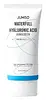
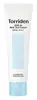
JUMISO Waterfull Hyaluronic Acid Sunscreen SPF 50+ PA++++ Versus Torriden Dive In Mild Sun Cream SPF 50+ PA++++
This chemical sunscreen covers the full UV range and blocks ~98% of UVB at SPF 50.
This hybrid sunscreen covers the full UV range and blocks ~98% of UVB at SPF 50.

What's inside
What's inside
 Key Ingredients
Benefits
Concerns
Ingredients Side-by-side
Water
Skin ConditioningDipropylene Glycol
HumectantDibutyl Adipate
EmollientPhenethyl Benzoate
Emollient

CI 77891
Cosmetic ColorantIsononyl Isononanoate
EmollientGlycerin
Humectant


Niacinamide
Smoothing









Ethylhexyl Triazone
UV Absorber
Nylon-12

Polysilicone-15
UV Filter
Polyglyceryl-3 Methylglucose Distearate
Emulsifying

Potassium Cetyl Phosphate
EmulsifyingBehenyl Alcohol
Emollient
Poly C10-30 Alkyl Acrylate
Emulsion StabilisingTromethamine
BufferingSodium Acrylates Crosspolymer-2
AbsorbentHydroxyacetophenone
Antioxidant
Stearic Acid
Cleansing
Sodium Polyacryloyldimethyl Taurate
Emulsion StabilisingDisodium EDTA
T-Butyl Alcohol
Perfuming


Butylene Glycol
Humectant
Hyaluronic Acid
Humectant
Ethylhexylglycerin
Skin ConditioningHydrolyzed Hyaluronic Acid
Humectant
Terephthalylidene Dicamphor Sulfonic Acid
UV Absorber
Aluminum Hydroxide
EmollientDiethylamino Hydroxybenzoyl Hexyl Benzoate
UV Filter
Bis-Ethylhexyloxyphenol Methoxyphenyl Triazine
UV Absorber
Silica
Abrasive
Sodium Hyaluronate
Humectant
Polyhydroxystearic Acid
Emulsifying
Polyglyceryl-2 Dipolyhydroxystearate
Skin Conditioning
1,2-Hexanediol
Skin Conditioning
Hydroxyethyl Acrylate/Sodium Acryloyldimethyl Taurate Copolymer
Emulsion StabilisingPolyacrylate Crosspolymer-6
Emulsion StabilisingCoco-Caprylate/Caprate
Emollient
Water, Dipropylene Glycol, Dibutyl Adipate, Phenethyl Benzoate, CI 77891, Isononyl Isononanoate, Glycerin, Niacinamide, Ethylhexyl Triazone, Nylon-12, Polysilicone-15, Polyglyceryl-3 Methylglucose Distearate, Potassium Cetyl Phosphate, Behenyl Alcohol, Poly C10-30 Alkyl Acrylate, Tromethamine, Sodium Acrylates Crosspolymer-2, Hydroxyacetophenone, Stearic Acid, Sodium Polyacryloyldimethyl Taurate, Disodium EDTA, T-Butyl Alcohol, Butylene Glycol, Hyaluronic Acid, Ethylhexylglycerin, Hydrolyzed Hyaluronic Acid, Terephthalylidene Dicamphor Sulfonic Acid, Aluminum Hydroxide, Diethylamino Hydroxybenzoyl Hexyl Benzoate, Bis-Ethylhexyloxyphenol Methoxyphenyl Triazine, Silica, Sodium Hyaluronate, Polyhydroxystearic Acid, Polyglyceryl-2 Dipolyhydroxystearate, 1,2-Hexanediol, Hydroxyethyl Acrylate/Sodium Acryloyldimethyl Taurate Copolymer, Polyacrylate Crosspolymer-6, Coco-Caprylate/Caprate
Water
Skin ConditioningZinc Oxide
Cosmetic Colorant
Cyclohexasiloxane
Emollient
Butyloctyl Salicylate
Skin Conditioning
Propylheptyl Caprylate
EmollientPropanediol
Solvent
Dicaprylyl Carbonate
EmollientIsododecane
EmollientPolyglyceryl-3 Polydimethylsiloxyethyl Dimethicone
Skin Conditioning
Caprylyl Methicone
Skin Conditioning
Sodium Hyaluronate
Humectant
Hyaluronic Acid
Humectant
Hydrolyzed Sodium Hyaluronate
Skin Conditioning
Hydrolyzed Hyaluronic Acid
Humectant
Sodium Acetylated Hyaluronate
Humectant
Sodium Hyaluronate Crosspolymer
Humectant
Potassium Hyaluronate
Skin ConditioningDimethylsilanol Hyaluronate
Humectant
Hydroxypropyltrimonium Hyaluronate
Sodium Hyaluronate Dimethylsilanol
HumectantPanthenol
Skin Conditioning
Allantoin
Skin Conditioning
Trehalose
Humectant
Ceramide NP
Skin Conditioning
Hamamelis Virginiana Extract
Antiseborrhoeic
Portulaca Oleracea Extract
Skin Conditioning
Anthemis Nobilis Flower Extract
Masking
Simmondsia Chinensis Seed Oil
Emollient
2,3-Butanediol
HumectantDisteardimonium Hectorite
StabilisingMagnesium Sulfate
Triethoxycaprylylsilane
Methyl Methacrylate Crosspolymer
Polyglyceryl-2 Dipolyhydroxystearate
Skin Conditioning
Lauryl Polyglyceryl-3 Polydimethylsiloxyethyl Dimethicone
Skin Conditioning
Glyceryl Caprylate
EmollientCaprylyl Glycol
Emollient
Butylene Glycol
Humectant
Tocopherol
Antioxidant
Ethylhexylglycerin
Skin Conditioning1,2-Hexanediol
Skin Conditioning
Melia Azadirachta Leaf Extract
Skin ConditioningMelia Azadirachta Flower Extract
Skin ConditioningCoccinia Indica Fruit Extract
Skin Conditioning
Solanum Melongena Fruit Extract
Skin ConditioningAloe Barbadensis Flower Extract
EmollientCurcuma Longa Root Extract
Antioxidant
Corallina Officinalis Extract
Skin Conditioning
Ocimum Sanctum Leaf Extract
Skin ConditioningCamellia Sinensis Leaf Extract
Antimicrobial
Malachite Extract
Antioxidant
Water, Zinc Oxide, Cyclohexasiloxane, Butyloctyl Salicylate, Propylheptyl Caprylate, Propanediol, Dicaprylyl Carbonate, Isododecane, Polyglyceryl-3 Polydimethylsiloxyethyl Dimethicone, Caprylyl Methicone, Sodium Hyaluronate, Hyaluronic Acid, Hydrolyzed Sodium Hyaluronate, Hydrolyzed Hyaluronic Acid, Sodium Acetylated Hyaluronate, Sodium Hyaluronate Crosspolymer, Potassium Hyaluronate, Dimethylsilanol Hyaluronate, Hydroxypropyltrimonium Hyaluronate, Sodium Hyaluronate Dimethylsilanol, Panthenol, Allantoin, Trehalose, Ceramide NP, Hamamelis Virginiana Extract, Portulaca Oleracea Extract, Anthemis Nobilis Flower Extract, Simmondsia Chinensis Seed Oil, 2,3-Butanediol, Disteardimonium Hectorite, Magnesium Sulfate, Triethoxycaprylylsilane, Methyl Methacrylate Crosspolymer, Polyglyceryl-2 Dipolyhydroxystearate, Lauryl Polyglyceryl-3 Polydimethylsiloxyethyl Dimethicone, Glyceryl Caprylate, Caprylyl Glycol, Butylene Glycol, Tocopherol, Ethylhexylglycerin, 1,2-Hexanediol, Melia Azadirachta Leaf Extract, Melia Azadirachta Flower Extract, Coccinia Indica Fruit Extract, Solanum Melongena Fruit Extract, Aloe Barbadensis Flower Extract, Curcuma Longa Root Extract, Corallina Officinalis Extract, Ocimum Sanctum Leaf Extract, Camellia Sinensis Leaf Extract, Malachite Extract
Reviews
Ingredients Explained
These ingredients are found in both products.
Ingredients higher up in an ingredient list are typically present in a larger amount.
1,2-Hexanediol is a synthetic liquid and another multi-functional powerhouse.
It is a:
- Humectant, drawing moisture into the skin
- Emollient, helping to soften skin
- Solvent, dispersing and stabilizing formulas
- Preservative booster, enhancing the antimicrobial activity of other preservatives
Butylene Glycol (or BG) is used within cosmetic products for a few different reasons:
Overall, Butylene Glycol is a safe and well-rounded ingredient that works well with other ingredients.
Though this ingredient works well with most skin types, some people with sensitive skin may experience a reaction such as allergic rashes, closed comedones, or itchiness.
Learn more about Butylene GlycolEthylhexylglycerin is created from glycerin. It is a multitasker ingredient that:
The CIR Expert Panel found minimal skin absorption or sensitization of any kind in a safety assessment. Though this ingredient is considered well-tolerated, a small number of cases of allergic dermatitis have been published since 2002. Just be sure to patch test if you are unsure.
Industry-reported use ranges from 8% in rinse-off products and 2% in leave-on formulations.
Learn more about EthylhexylglycerinHyaluronic acid (HA) is a glycosaminoglycan (basically a long sugar chain) that your skin already makes on its own. In your skin, HA lives in the extracellular matrix and acts as the body's moisture reservoir.
Topically, HA is a humectant that binds water and helps skin look more plump, smooth, and hydrated.
The only catch is that HA isn't a single thing; it actually comes in a wide range of molecular weights (~50 - 2,000+ kDA) and size matters.
Some clinical evidence links low molecular weight versions to improved wrinkle depth, elasticity, anti-inflammatory effects, and barrier repair.
This is why the best HA serums blend the two sizes together so you get the best of both worlds.
The majority of cosmetic HA is produced by bacterial fermentation, typically using Streptococcus or Bacillus strains. Typical use levels in skincare sit around 0.1-2%.
A clinical study using a 0.2% low-molecular weight HA gel showed improvement in facial seborrheic dermatitis with excellent tolerance.
These are some other common types of Hyaluronic Acid:
Learn more about Hyaluronic AcidHydrolyzed Hyaluronic Acid is hyaluronic acid (HA) that is broken down into lower molecular weight fragments.
It's a humectant that pulls and holds water in the skin to help with hydration, plumpness, and reduce transepidermal water loss.
Because hydrolyzed hyaluronic acid is smaller in size, it can slip past your outermost layer of skin more easily than full-sized HA.
Most formulations will combine all sizes to get the best of both worlds.
Typical usage levels range from 0.01-1%. Any percentage higher than 2% might become goopy and tacky.
Learn more about Hydrolyzed Hyaluronic AcidPolyglyceryl-2 Dipolyhydroxystearate isn't fungal acne safe.
Sodium Hyaluronate is the salt form of hyaluronic acid. It is a long sugar chain that is naturally found in your skin, joints, and connective tissue that maintains hydration and elasticity.
In skincare, it works as a humectant. It pulls water from the environment and deeper layers of skin and binds it to the surface.
Interestingly, the size of the molecule affects its behavior:
Some clinical evidence links low molecular weight versions to improved wrinkle depth, elasticity, anti-inflammatory effects, and barrier repair.
Many serums use a blend of both weights so you can get surface hydration plus longer-lasting and deeper effects.
You'll typically see concentrations between 0.1-2% for this ingredient.
Learn more about Sodium HyaluronateWater. It's the most common cosmetic ingredient of all. You'll usually see it at the top of ingredient lists, meaning that it makes up the largest part of the product.
So why is it so popular? Water most often acts as a solvent - this means that it helps dissolve other ingredients into the formulation.
You'll also recognize water as that liquid we all need to stay alive. If you see this, drink a glass of water. Remember to stay hydrated!
Learn more about Water

