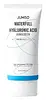
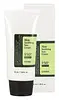
JUMISO Waterfull Hyaluronic Acid Sunscreen SPF 50+ PA++++ Versus COSRX Aloe Soothing Sun Cream SPF 50 PA+++
This chemical sunscreen covers the full UV range and blocks ~98% of UVB at SPF 50.
This hybrid sunscreen covers the full UV range and blocks ~98% of UVB at SPF 50.

What's inside
What's inside
 Key Ingredients
Benefits
Concerns
Ingredients Side-by-side
Water
Skin ConditioningDipropylene Glycol
HumectantDibutyl Adipate
EmollientPhenethyl Benzoate
Emollient

CI 77891
Cosmetic ColorantIsononyl Isononanoate
EmollientGlycerin
Humectant


Niacinamide
Smoothing









Ethylhexyl Triazone
UV Absorber
Nylon-12

Polysilicone-15
UV Filter
Polyglyceryl-3 Methylglucose Distearate
Emulsifying

Potassium Cetyl Phosphate
EmulsifyingBehenyl Alcohol
Emollient
Poly C10-30 Alkyl Acrylate
Emulsion StabilisingTromethamine
BufferingSodium Acrylates Crosspolymer-2
AbsorbentHydroxyacetophenone
Antioxidant
Stearic Acid
Cleansing
Sodium Polyacryloyldimethyl Taurate
Emulsion StabilisingDisodium EDTA
T-Butyl Alcohol
Perfuming


Butylene Glycol
Humectant
Hyaluronic Acid
Humectant
Ethylhexylglycerin
Skin ConditioningHydrolyzed Hyaluronic Acid
Humectant
Terephthalylidene Dicamphor Sulfonic Acid
UV Absorber
Aluminum Hydroxide
EmollientDiethylamino Hydroxybenzoyl Hexyl Benzoate
UV Filter
Bis-Ethylhexyloxyphenol Methoxyphenyl Triazine
UV Absorber
Silica
Abrasive
Sodium Hyaluronate
Humectant
Polyhydroxystearic Acid
Emulsifying
Polyglyceryl-2 Dipolyhydroxystearate
Skin Conditioning
1,2-Hexanediol
Skin Conditioning
Hydroxyethyl Acrylate/Sodium Acryloyldimethyl Taurate Copolymer
Emulsion StabilisingPolyacrylate Crosspolymer-6
Emulsion StabilisingCoco-Caprylate/Caprate
Emollient
Water, Dipropylene Glycol, Dibutyl Adipate, Phenethyl Benzoate, CI 77891, Isononyl Isononanoate, Glycerin, Niacinamide, Ethylhexyl Triazone, Nylon-12, Polysilicone-15, Polyglyceryl-3 Methylglucose Distearate, Potassium Cetyl Phosphate, Behenyl Alcohol, Poly C10-30 Alkyl Acrylate, Tromethamine, Sodium Acrylates Crosspolymer-2, Hydroxyacetophenone, Stearic Acid, Sodium Polyacryloyldimethyl Taurate, Disodium EDTA, T-Butyl Alcohol, Butylene Glycol, Hyaluronic Acid, Ethylhexylglycerin, Hydrolyzed Hyaluronic Acid, Terephthalylidene Dicamphor Sulfonic Acid, Aluminum Hydroxide, Diethylamino Hydroxybenzoyl Hexyl Benzoate, Bis-Ethylhexyloxyphenol Methoxyphenyl Triazine, Silica, Sodium Hyaluronate, Polyhydroxystearic Acid, Polyglyceryl-2 Dipolyhydroxystearate, 1,2-Hexanediol, Hydroxyethyl Acrylate/Sodium Acryloyldimethyl Taurate Copolymer, Polyacrylate Crosspolymer-6, Coco-Caprylate/Caprate
Water
Skin ConditioningEthylhexyl Methoxycinnamate
UV Absorber
Glycerin
Humectant
Propylene Glycol
Humectant
Cyclopentasiloxane
Emollient
Phenylbenzimidazole Sulfonic Acid
UV Absorber
Bis-Ethylhexyloxyphenol Methoxyphenyl Triazine
UV Absorber
Dicaprylyl Carbonate
EmollientIsoamyl P-Methoxycinnamate
UV Absorber
Potassium Cetyl Phosphate
EmulsifyingAlcohol
Antimicrobial
Dimethicone
Emollient
Butylene Glycol
Humectant
Glyceryl Stearate
Emollient
Titanium Dioxide
Cosmetic Colorant
C14-22 Alcohols
Emulsion Stabilising
Polymethyl Methacrylate
Cetearyl Alcohol
Emollient
PEG-100 Stearate
Surfactant
Triethanolamine
BufferingSilica
Abrasive
Sodium Hydroxide
BufferingDimethicone/Vinyl Dimethicone Crosspolymer
Skin Conditioning
C12-20 Alkyl Glucoside
EmulsifyingAluminum Hydroxide
EmollientStearic Acid
Cleansing
Parfum
Masking
Caprylyl Glycol
Emollient
Phenoxyethanol
Preservative
Acrylates/C10-30 Alkyl Acrylate Crosspolymer
Emulsion StabilisingAloe Arborescens Leaf Extract
MoisturisingDipotassium Glycyrrhizate
Humectant
Carbomer
Emulsion StabilisingXanthan Gum
EmulsifyingLimonene
Perfuming
Tocopheryl Acetate
Antioxidant
Disodium EDTA
Hexyl Cinnamal
Perfuming
Linalool
Perfuming
Benzyl Salicylate
Perfuming
Geraniol
Perfuming
Benzyl Alcohol
Perfuming
Citronellol
Perfuming
Benzyl Benzoate
Antimicrobial
Citral
Perfuming
Water, Ethylhexyl Methoxycinnamate, Glycerin, Propylene Glycol, Cyclopentasiloxane, Phenylbenzimidazole Sulfonic Acid, Bis-Ethylhexyloxyphenol Methoxyphenyl Triazine, Dicaprylyl Carbonate, Isoamyl P-Methoxycinnamate, Potassium Cetyl Phosphate, Alcohol, Dimethicone, Butylene Glycol, Glyceryl Stearate, Titanium Dioxide, C14-22 Alcohols, Polymethyl Methacrylate, Cetearyl Alcohol, PEG-100 Stearate, Triethanolamine, Silica, Sodium Hydroxide, Dimethicone/Vinyl Dimethicone Crosspolymer, C12-20 Alkyl Glucoside, Aluminum Hydroxide, Stearic Acid, Parfum, Caprylyl Glycol, Phenoxyethanol, Acrylates/C10-30 Alkyl Acrylate Crosspolymer, Aloe Arborescens Leaf Extract, Dipotassium Glycyrrhizate, Carbomer, Xanthan Gum, Limonene, Tocopheryl Acetate, Disodium EDTA, Hexyl Cinnamal, Linalool, Benzyl Salicylate, Geraniol, Benzyl Alcohol, Citronellol, Benzyl Benzoate, Citral
Reviews
Ingredients Explained
These ingredients are found in both products.
Ingredients higher up in an ingredient list are typically present in a larger amount.
Aluminum Hydroxide is a form of aluminum. It can be naturally found in nature as the mineral gibbsite. In cosmetics, Aluminum Hydroxide is used as a colorant, pH adjuster, and absorbent.
As a colorant, Aluminum Hydroxide may add opacity, or reduce the transparency. Aluminum hydroxide is contains both basic and acidic properties.
According to manufacturers, this ingredient is an emollient and humectant. This means it helps hydrate the skin.
In medicine, this ingredient is used to help relieve heartburn and help heal ulcers.
There is currently no credible scientific evidence linking aluminum hydroxide in cosmetics to increased cancer risk.
Major health organizations allow the use of aluminum hydroxide in personal care products and have not flagged it as a carcinogenic risk at typical usage levels.
Learn more about Aluminum HydroxideThis ingredient is better known as bemotrizinol or Tinosorb S and is one of the best broad-spectrum UV filters in modern sunscreen.
It works by absorbing UV light across a whole range (280-400 nm) with peaks around 310 nm (UVB) and 340-345 nm (UVA). This means it covers UVB plus the deeper UVA wavelengths that drive photoaging and pigmentation.
Another pro?
It's exceptionally photostable, barely degrades in sunlight, and acts as a "bodyguard" for less stable filters.
That's why you'll see it paired with avobenzone or octinoxate; this team up ensures they keep working through sun exposure.
Safety reviews have been reassuring across the board. This ingredient shows low absorption through the skin, rarely irritates, and lab studies found it doesn't act like a hormone in the body (a concern that's been raised about some older sunscreen filters).
On maximum concentrations:
In 2026, the US F.D.A finally added it as an OTC sunscreen ingredient at concentrations up to 6% for adults / children 6 months and older
Learn more about Bis-Ethylhexyloxyphenol Methoxyphenyl TriazineButylene Glycol (or BG) is used within cosmetic products for a few different reasons:
Overall, Butylene Glycol is a safe and well-rounded ingredient that works well with other ingredients.
Though this ingredient works well with most skin types, some people with sensitive skin may experience a reaction such as allergic rashes, closed comedones, or itchiness.
Learn more about Butylene GlycolDisodium EDTA is a chelating agent. It grabs onto and deactivates metal ions that sneak into your products from water, packaging, or air.
This ingredient mainly works behind the scenes and helps with:
On top of that, this ingredient can counteract the effects of hard water by binding to the minerals in it.
One thing worth knowing is that Disodium EDTA has been shown to be a mild penetration enhancer. It can help other ingredients absorb into skin more effectively which can be a double-edged sword (great for actives, but can also make the active too strong if you have sensitive skin).
Clinical patch testing showed no significant skin irritation at typical use concentrations and minimal dermal absorption.
You'll most likely see this ingredient near the end of an ingredient list. It's typically found in concentrations less than 1%.
Learn more about Disodium EDTAGlycerin (or glycerol) is a compound naturally found in your skin. It's a powerhouse humectant that pulls water into the stratum corneum.
Topically, glycerin does several things at once:
Your skin makes glycerin on its own (mostly from sebaceous oil breakdown) and shuttles it to your outermost layer of skin, or your epidermis, via aquaporin-3.
Aquaporin-3 is a transporter that is essential for normal skin hydration, elasticity, and repair. Interestingly, mice lacking in AQP3 have dry and less elastic skin that can be fully corrected with glycerin.
This ingredient is non-irritating, plays well with almost every ingredient, and works across all skin types. Typical use is anywhere between 3-10% but can go up to 79% in some leave-on products.
Just know very high concentrations (>40%) can feel tacky in low humidity.
Glycerin is the name for this ingredient in American English. British English uses Glycerol/Glycerine.
Learn more about GlycerinPotassium Cetyl Phosphate is the potassium salt of a mixture. This mixture consists of the esters from phosphoricacid and cetyl alcohol.
Potassium Cetyl Phosphate is an emulsifier and cleansing agent. Emulsifiers help stabilize a product. It does this by preventing certain ingredients from separating.
As a cleansing agent, Potassium Cetyl Phosphate helps gather oils, dirts, and pollutants from your skin. This makes it easier to rinse them away with water.
Learn more about Potassium Cetyl PhosphateSilica, also known as silicon dioxide, is a naturally occurring mineral. It is used as a fine, spherical, and porous powder in cosmetics.
Though it has exfoliant properties, the function of silica varies depending on the product.
The unique structure of silica enhances the spreadability and adds smoothness, making it a great texture enhancer.
It is also used as an active carrier, emulsifier, and mattifier due to its ability to absorb excess oil.
In some products, tiny microneedles called spicules are made from silica or hydrolyzed sponge. When you rub them in, they lightly polish away dead skin layers and enhance the penetration of active ingredients.
Learn more about SilicaStearic Acid is a fatty acid that is already found in your skin. It's one of the free fatty acids that works alongside ceramides and cholesterols to maintain your barrier.
In cosmetics, it is a multitasker:
Safety-wise, the CIR Expert Panel has concluded it to be safe in cosmetics when formulated to be non-irritating and non-sensitizing.
Free stearic acid is a C18 fatty acid that the Malassezia yeast can substrate, so this ingredient may not be fungal acne safe.
Learn more about Stearic AcidWater. It's the most common cosmetic ingredient of all. You'll usually see it at the top of ingredient lists, meaning that it makes up the largest part of the product.
So why is it so popular? Water most often acts as a solvent - this means that it helps dissolve other ingredients into the formulation.
You'll also recognize water as that liquid we all need to stay alive. If you see this, drink a glass of water. Remember to stay hydrated!
Learn more about Water

