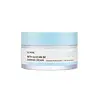
This barrier-repair moisturizer is formulated around Panthenol and Niacinamide to strengthen the skin barrier and hydrate skin.
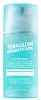
This brightening moisturizer is formulated around Aloe Barbadensis Leaf Extract and Niacinamide to fade the look of dark spots and strengthen the skin barrier.


What's inside
What's inside
 Key Ingredients
Benefits
Concerns
Ingredients Side-by-side
Water
Skin ConditioningPropanediol
Solvent

Butylene Glycol
Humectant
Caprylic/Capric Triglyceride
Masking
Panthenol
Skin Conditioning


Cetearyl Alcohol
Emollient





Phytosteryl Isostearyl Dimer Dilinoleate
EmollientPolyglyceryl-3 Methylglucose Distearate
Emulsifying
Glycerin
Humectant
Niacinamide
Smoothing







Butyrospermum Parkii Butter
Skin Conditioning
Glyceryl Stearate Se
Emulsifying
Methylpropanediol
SolventPentylene Glycol
Skin Conditioning
1,2-Hexanediol
Skin Conditioning
Beta-Glucan
Skin Conditioning
Macadamia Integrifolia Seed Oil
Skin Conditioning
Moringa Oleifera Seed Oil
Emollient
Cetyl Ethylhexanoate
EmollientVinyldimethicone

Cetearyl Olivate
Sorbitan Olivate
Emulsifying
Hydroxyethyl Acrylate/Sodium Acryloyldimethyl Taurate Copolymer
Emulsion StabilisingEthylhexylglycerin
Skin ConditioningAminomethyl Propanediol
BufferingEctoin
Skin Conditioning
Adenosine
Skin Conditioning
Hydrogenated Lecithin
Emulsifying
Sorbitan Isostearate
Emulsifying
Sodium Phytate
ChelatingCeramide NP
Skin Conditioning
Phytosphingosine
Skin Conditioning
Tocopherol
Antioxidant

Stearyl Alcohol
Emollient
Carbomer
Emulsion StabilisingXanthan Gum
EmulsifyingWater, Propanediol, Butylene Glycol, Caprylic/Capric Triglyceride, Panthenol, Cetearyl Alcohol, Phytosteryl Isostearyl Dimer Dilinoleate, Polyglyceryl-3 Methylglucose Distearate, Glycerin, Niacinamide, Butyrospermum Parkii Butter, Glyceryl Stearate Se, Methylpropanediol, Pentylene Glycol, 1,2-Hexanediol, Beta-Glucan, Macadamia Integrifolia Seed Oil, Moringa Oleifera Seed Oil, Cetyl Ethylhexanoate, Vinyldimethicone, Cetearyl Olivate, Sorbitan Olivate, Hydroxyethyl Acrylate/Sodium Acryloyldimethyl Taurate Copolymer, Ethylhexylglycerin, Aminomethyl Propanediol, Ectoin, Adenosine, Hydrogenated Lecithin, Sorbitan Isostearate, Sodium Phytate, Ceramide NP, Phytosphingosine, Tocopherol, Stearyl Alcohol, Carbomer, Xanthan Gum
Water
Skin ConditioningGlycerin
Humectant
Aloe Barbadensis Leaf Extract
Emollient
Niacinamide
Smoothing
2,3-Butanediol
HumectantTrehalose
Humectant
Ectoin
Skin Conditioning
Pueraria Lobata Root Extract
HumectantPhaseolus Radiatus Seed Extract
Skin ConditioningCamellia Euryoides Leaf Extract
EmollientGlycine Soja Seed Extract
Skin Conditioning
Colocasia Esculenta Leaf Extract
Skin ConditioningCeratonia Siliqua Seed Extract
Skin ConditioningLactobacillus Ferment Lysate
Skin Conditioning
Ceramide EOP
Skin Conditioning
Ceramide NP
Skin Conditioning
Ceramide Ns
Skin Conditioning
Ceramide AP
Skin Conditioning
Cholesterol
Emollient
Behenic Acid
Cleansing
Polyglyceryl-10 Stearate
Skin Conditioning
Polyglyceryl-6 Behenate
Emulsion Stabilising
Cetearyl Alcohol
Emollient
Glyceryl Stearate
Emollient
Glycyrrhiza Glabra Root Extract
Bleaching
Centella Asiatica Extract
Cleansing
Tranexamic Acid
Astringent
Broussonetia Papyrifera Bark Extract
Skin ConditioningAcetyl Glucosamine
Skin Conditioning
Morus Alba Bark Extract
Skin ConditioningPyrus Malus Fruit Extract
Skin Conditioning
Camellia Japonica Flower Extract
EmollientCamellia Sinensis Leaf Extract
Antimicrobial
Madecassoside
Antioxidant
Rhus Semialata Extract
Skin ConditioningTricholoma Matsutake Extract
Skin ConditioningEthylhexylglycerin
Skin ConditioningPentylene Glycol
Skin Conditioning
Sodium Hyaluronate
Humectant
Potassium Hyaluronate
Skin ConditioningHydroxypropyltrimonium Hyaluronate
Hydrolyzed Hyaluronic Acid
Humectant
Hyaluronic Acid
Humectant
Hydrolyzed Sodium Hyaluronate
Skin Conditioning
Sodium Hyaluronate Crosspolymer
Humectant
Butylene Glycol
Humectant
Sodium Retinoyl Hyaluronate
Zinc Hydrolyzed Hyaluronate
HumectantAscorbyl Propyl Hyaluronate
Skin Conditioning
Squalane
Emollient
Alpha-Arbutin
Antioxidant
Lactobacillus Ferment
Skin Conditioning
1,2-Hexanediol
Skin Conditioning
Carbomer
Emulsion StabilisingDMDM Hydantoin
Preservative

Disodium EDTA
ChelatingTriethanolamine
BufferingWater, Glycerin, Aloe Barbadensis Leaf Extract, Niacinamide, 2,3-Butanediol, Trehalose, Ectoin, Pueraria Lobata Root Extract, Phaseolus Radiatus Seed Extract, Camellia Euryoides Leaf Extract, Glycine Soja Seed Extract, Colocasia Esculenta Leaf Extract, Ceratonia Siliqua Seed Extract, Lactobacillus Ferment Lysate, Ceramide EOP, Ceramide NP, Ceramide Ns, Ceramide AP, Cholesterol, Behenic Acid, Polyglyceryl-10 Stearate, Polyglyceryl-6 Behenate, Cetearyl Alcohol, Glyceryl Stearate, Glycyrrhiza Glabra Root Extract, Centella Asiatica Extract, Tranexamic Acid, Broussonetia Papyrifera Bark Extract, Acetyl Glucosamine, Morus Alba Bark Extract, Pyrus Malus Fruit Extract, Camellia Japonica Flower Extract, Camellia Sinensis Leaf Extract, Madecassoside, Rhus Semialata Extract, Tricholoma Matsutake Extract, Ethylhexylglycerin, Pentylene Glycol, Sodium Hyaluronate, Potassium Hyaluronate, Hydroxypropyltrimonium Hyaluronate, Hydrolyzed Hyaluronic Acid, Hyaluronic Acid, Hydrolyzed Sodium Hyaluronate, Sodium Hyaluronate Crosspolymer, Butylene Glycol, Sodium Retinoyl Hyaluronate, Zinc Hydrolyzed Hyaluronate, Ascorbyl Propyl Hyaluronate, Squalane, Alpha-Arbutin, Lactobacillus Ferment, 1,2-Hexanediol, Carbomer, DMDM Hydantoin, Disodium EDTA, Triethanolamine
Reviews
Ingredients Explained
These ingredients are found in both products.
Ingredients higher up in an ingredient list are typically present in a larger amount.
1,2-Hexanediol is a synthetic liquid and another multi-functional powerhouse.
It is a:
- Humectant, drawing moisture into the skin
- Emollient, helping to soften skin
- Solvent, dispersing and stabilizing formulas
- Preservative booster, enhancing the antimicrobial activity of other preservatives
Butylene Glycol (or BG) is used within cosmetic products for a few different reasons:
Overall, Butylene Glycol is a safe and well-rounded ingredient that works well with other ingredients.
Though this ingredient works well with most skin types, some people with sensitive skin may experience a reaction such as allergic rashes, closed comedones, or itchiness.
Learn more about Butylene GlycolCarbomer is a synthetic thickening and gelling agent. It's basically the ingredient that gives a lot of serums, gels, creams, and sunscreens their smooth, non-sticky texture.
Although legally permitted at very high levels, carbomers are normally used at concentrations below 1%.
It also needs to be neutralized to actually thicken, and because it is a large molecule, it doesn't really penetrate the skin barrier.
Allergy-wise, the risk is very low. Clinical studies show carbomers have low potential for skin irritation/sensitization even at concentrations up to 100%.
A 2024 UK study patch-tested 1,302 patients and found true allergy to the parent group of carbomer to be rare with no confirmed relevant reactions.
Learn more about CarbomerCeramide NP (formerly known as Ceramide 3) is one of the skin's naturally occurring lipids.
Since ceramides are the major lipid components of the skin, they are crucial for maintaining skin barrier and hydration. Ceramide NP most closely mirrors the dominant kind in human skin amongst ceramide subtypes.
This ceramide works by slotting into gaps within the stratum corneum's lipid matrix to limit trans-epidermal water loss (TEWL) and shield the skin against external irritants.
A study with 312 patients found that using a ceramide-containing routine for 4 weeks reduced the severity of atopic dermatitis by over 61%.
Another clinical study in subjects aged 60 and older found that a ceramide body wash and moisturizer improved skin dryness and itchy skin in 15 days.
Overall, ceramides are considered non-irritating and safety tests have found little to no observable adverse effects from using this ingredient.
Ceramide NP is usually sourced from plants (like soybean or rice bran), or produced synthetically.
Learn more about Ceramide NPCetearyl alcohol is a waxy mixture of two fatty alcohols: cetyl alcohol and stearyl alcohol. It is an emollient and emulsifier.
Despite having "alcohol" in its name, it has nothing to do with drying solvent alcohols; the FDA also allows "alcohol-free" products to contain fatty alcohols like this ingredient.
It plays several roles in a formula:
Typical use levels for this ingredient sit around 1-10% and the Cosmetic Ingredient Review Expert Panel has affirmed safety at concentrations up to 25% in leave-on products.
Multiple assessments have found it to be non-irritating and non-sensitizing to most people.
However, there have been some cases of allergic contact dermatitis in patients with chronically compromised skin barriers.
Cetearyl alcohol has a comedogenic rating of 2 and irritancy rating of 1. Both of these numbers come from the 1989 study that used rabbit ears; a "2" means mildly comedogenic and a "1" means low irritancy.
Here's the catch: rabbit skin is more sensitive than human skin and throws a lot of false positives. A 1996 reappraisal found that ingredients rated 1-2 in the rabbit ear tests are generally safe for humans.
Remember comedogenic ratings are unable to assess the entire formula of a product or how it will react on your skin. Just be sure to patch test if you are unsure about certain ingredients.
This ingredient is not fungal acne safe. Cetearyl alcohol is a fatty alcohol with chain lengths that fall within the range that Malassezia can metabolize.
A 2019 study has also observed Malassezia growth in the presence of this ingredient, confirming it to be not-fungal acne safe.
Learn more about Cetearyl AlcoholEctoin is a compound found naturally in some species of bacteria. It can be synthetically created for skincare use.
This ingredient is an osmolyte; Osmolytes help organisms survive osmotic shock (it protects them from extreme conditions). It does this by influencing the properties of biological fluids within cells.
When applied to the skin, ectoin helps bind water molecules to protect our skin. The water forms a sort of armor for the parts of our skin cells, enzymes, proteins, and more.
Besides this, ectoin has many uses in skincare:
A study from 2004 found ectoin to counteract the damage from UV-A exposure at different cell levels. It has also been shown to protect skin against both UV-A, UV-B rays, infrared light, and visible light.
Studies show ectoin to have dual-action pollution protection: first, it protects our skin from further pollution damage. Second, it helps repair damage from pollution.
In fact, ectoin has been shown to help with:
Fun fact: In the EU, ectoin is used in inhalation medication as an anti-pollution ingredient.
Ectoin is a highly stable ingredient. It has a wide pH range of 1-9. Light, oxygen, and temperature do not affect this ingredient.
The chemical name for this ingredient is Tetrahydromethylpyrimidine Carboxylic Acid.
Learn more about EctoinEthylhexylglycerin is created from glycerin. It is a multitasker ingredient that:
The CIR Expert Panel found minimal skin absorption or sensitization of any kind in a safety assessment. Though this ingredient is considered well-tolerated, a small number of cases of allergic dermatitis have been published since 2002. Just be sure to patch test if you are unsure.
Industry-reported use ranges from 8% in rinse-off products and 2% in leave-on formulations.
Learn more about EthylhexylglycerinGlycerin (or glycerol) is a compound naturally found in your skin. It's a powerhouse humectant that pulls water into the stratum corneum.
Topically, glycerin does several things at once:
Your skin makes glycerin on its own (mostly from sebaceous oil breakdown) and shuttles it to your outermost layer of skin, or your epidermis, via aquaporin-3.
Aquaporin-3 is a transporter that is essential for normal skin hydration, elasticity, and repair. Interestingly, mice lacking in AQP3 have dry and less elastic skin that can be fully corrected with glycerin.
This ingredient is non-irritating, plays well with almost every ingredient, and works across all skin types. Typical use is anywhere between 3-10% but can go up to 79% in some leave-on products.
Just know very high concentrations (>40%) can feel tacky in low humidity.
Glycerin is the name for this ingredient in American English. British English uses Glycerol/Glycerine.
Learn more about GlycerinNiacinamide is a multitasking form of vitamin B3 that strengthens the skin barrier, reduces pores and dark spots, regulates oil, and improves signs of aging.
And the best part? It's gentle and well-tolerated by most skin types, including sensitive and reactive skin.
You might have heard of "niacin flush", or the reddening of skin that causes itchiness. Niacinamide has not been found to cause this.
In very rare cases, some individuals may not be able to tolerate niacinamide at all or experience an allergic reaction to it.
If you are experiencing flaking, irritation, and dryness with this ingredient, be sure to double check all your products as this ingredient can be found in all categories of skincare.
When incorporating niacinamide into your routine, look out for concentration amounts. Typically, 5% niacinamide provides benefits such as fading dark spots. However, if you have sensitive skin, it is better to begin with a smaller concentration.
When you apply niacinamide to your skin, your body converts it into nicotinamide adenine dinucleotide (NAD). NAD is an essential coenzyme that is already found in your cells as "fuel" and powers countless biological processes.
In your skin, NAD helps repair cell damage, produce new healthy cells, support collagen production, strengthen the skin barrier, and fight environmental stressors (like UV and pollution).
Our natural NAD levels start to decline with age, leading to slower skin repair, visible aging, and a weaker skin barrier. By providing your skin niacinamide, you're recharging your skin's NAD levels. This leads to stronger, healthier, and younger looking skin.
Another name for vitamin B3 is nicotinamide. This vitamin is water-soluble and our bodies don't store it. We obtain Vitamin B3 from either food or skincare. Meat, fish, wheat, yeast, and leafy greens contain vitamin B3.
The type of niacinamide used in skincare is synthetically created.
Learn more about NiacinamidePentylene Glycol (1,2-pentanediol) is a multitasking little diol with three main roles in a formula:
Research on alkanediols (the family pentylene glycol belongs to) show they work by disrupting microbial cell membranes. This disruption helps the primary preservative system in a product work more effectively at lower doses.
On the safety side, the Cosmetic Ingredient Review Expert Panel has concluded this ingredient to be safe as used in current cosmetic practices + concentrations.
Typical use levels in a formula run about 1-5%.
Learn more about Pentylene GlycolWater. It's the most common cosmetic ingredient of all. You'll usually see it at the top of ingredient lists, meaning that it makes up the largest part of the product.
So why is it so popular? Water most often acts as a solvent - this means that it helps dissolve other ingredients into the formulation.
You'll also recognize water as that liquid we all need to stay alive. If you see this, drink a glass of water. Remember to stay hydrated!
Learn more about Water

