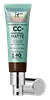
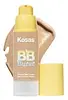
IT Cosmetics CC+ Cream Natural Matte Foundation SPF 40 Versus Kosas BB Burst Tinted Moisturizer Gel Cream

What's inside
What's inside
 Key Ingredients
Benefits
Concerns
Ingredients Side-by-side
Water
Skin ConditioningDimethicone
Emollient

Isododecane
EmollientEthylhexyl Salicylate
UV Absorber

Butylene Glycol
Humectant

Silica
Abrasive


Cetyl PEG/PPG-10/1 Dimethicone
Emulsifying
Glycerin
Humectant
Isohexadecane
EmollientPhenylbenzimidazole Sulfonic Acid
UV Absorber
Titanium Dioxide
Cosmetic Colorant
Niacinamide
Smoothing







Trimethylsiloxysilicate
Emollient
Synthetic Fluorphlogopite
Butyloctyl Salicylate
Skin Conditioning
Dimethicone Crosspolymer
Emulsion Stabilising
Sodium Chloride
MaskingAluminum Starch Octenylsuccinate
Absorbent
Phenoxyethanol
Preservative
Silica Silylate
Emollient
Disodium Stearoyl Glutamate
CleansingSorbitan Isostearate
Emulsifying

Polyglyceryl-4 Isostearate
Emulsifying
Sodium Hydroxide
BufferingAluminum Hydroxide
EmollientHexyl Laurate
Emollient
Stearic Acid
Cleansing
Chlorphenesin
Antimicrobial
Caprylyl Glycol
Emollient
Lens Esculenta Seed Extract
Skin ProtectingTrisodium Ethylenediamine Disuccinate
ChelatingSodium Hyaluronate
Humectant
Tocopherol
Antioxidant

Adenosine
Skin Conditioning
Kaolin
Abrasive
Ethylhexylglycerin
Skin ConditioningSteareth-20
CleansingPentaerythrityl Tetra-Di-T-Butyl Hydroxyhydrocinnamate
Antioxidant
Chlorhexidine Digluconate
Antimicrobial
N-Hydroxysuccinimide
Skin ConditioningSodium Citrate
BufferingPotassium Sorbate
Preservative
Palmitoyl Tripeptide-1
Skin Conditioning
Chrysin
Skin ConditioningPalmitoyl Tetrapeptide-7
Skin Conditioning
Citric Acid
Buffering
Biotin
AntiseborrhoeicWater, Dimethicone, Isododecane, Ethylhexyl Salicylate, Butylene Glycol, Silica, Cetyl PEG/PPG-10/1 Dimethicone, Glycerin, Isohexadecane, Phenylbenzimidazole Sulfonic Acid, Titanium Dioxide, Niacinamide, Trimethylsiloxysilicate, Synthetic Fluorphlogopite, Butyloctyl Salicylate, Dimethicone Crosspolymer, Sodium Chloride, Aluminum Starch Octenylsuccinate, Phenoxyethanol, Silica Silylate, Disodium Stearoyl Glutamate, Sorbitan Isostearate, Polyglyceryl-4 Isostearate, Sodium Hydroxide, Aluminum Hydroxide, Hexyl Laurate, Stearic Acid, Chlorphenesin, Caprylyl Glycol, Lens Esculenta Seed Extract, Trisodium Ethylenediamine Disuccinate, Sodium Hyaluronate, Tocopherol, Adenosine, Kaolin, Ethylhexylglycerin, Steareth-20, Pentaerythrityl Tetra-Di-T-Butyl Hydroxyhydrocinnamate, Chlorhexidine Digluconate, N-Hydroxysuccinimide, Sodium Citrate, Potassium Sorbate, Palmitoyl Tripeptide-1, Chrysin, Palmitoyl Tetrapeptide-7, Citric Acid, Biotin
Water
Skin ConditioningZinc Oxide
Cosmetic Colorant
Octyldodecanol
Emollient
Butyloctyl Salicylate
Skin Conditioning
Caprylic/Capric Triglyceride
Masking
Ethylhexyl Olivate
Skin Conditioning
Glycerin
Humectant
Mica
Cosmetic ColorantC13-15 Alkane
SolventPolyglyceryl-3 Polyricinoleate
Emulsifying
Propanediol
Solvent
Calcium Sodium Borosilicate
Disteardimonium Hectorite
StabilisingGlyceryl Oleate
Emollient

Pentylene Glycol
Skin Conditioning
Sodium PCA
Humectant
Squalane
Emollient
Pullulan
Sclerotium Gum
Emulsion StabilisingTrehalose
Humectant
Sodium Hyaluronate
Humectant
Copper Tripeptide-1
Skin Conditioning
Tocopherol
Antioxidant
Lavandula Stoechas Extract
MaskingSilica
Abrasive
Saccharide Isomerate
Humectant
Salicornia Herbacea Extract
Skin ConditioningAscorbyl Palmitate
Antioxidant
Sodium Gluconate
ChelatingPolyhydroxystearic Acid
Emulsifying
Xanthan Gum
EmulsifyingLecithin
Emollient
Tocopheryl Acetate
Antioxidant
Isostearic Acid
Cleansing

Sodium Chloride
MaskingHydrogenated Palm Glycerides Citrate
Emollient
Phenethyl Alcohol
MaskingCI 77891
Cosmetic ColorantCI 77491
Cosmetic ColorantCI 77492
Cosmetic ColorantCI 77499
Cosmetic ColorantWater, Zinc Oxide, Octyldodecanol, Butyloctyl Salicylate, Caprylic/Capric Triglyceride, Ethylhexyl Olivate, Glycerin, Mica, C13-15 Alkane, Polyglyceryl-3 Polyricinoleate, Propanediol, Calcium Sodium Borosilicate, Disteardimonium Hectorite, Glyceryl Oleate, Pentylene Glycol, Sodium PCA, Squalane, Pullulan, Sclerotium Gum, Trehalose, Sodium Hyaluronate, Copper Tripeptide-1, Tocopherol, Lavandula Stoechas Extract, Silica, Saccharide Isomerate, Salicornia Herbacea Extract, Ascorbyl Palmitate, Sodium Gluconate, Polyhydroxystearic Acid, Xanthan Gum, Lecithin, Tocopheryl Acetate, Isostearic Acid, Sodium Chloride, Hydrogenated Palm Glycerides Citrate, Phenethyl Alcohol, CI 77891, CI 77491, CI 77492, CI 77499
Reviews
Ingredients Explained
These ingredients are found in both products.
Ingredients higher up in an ingredient list are typically present in a larger amount.
Butyloctyl Salicylate is a chemical UV filter structurally similar to octisalate. It is a photostabilizer, SPF booster, emollient and solvent. This ingredient helps evenly spread out ingredients.
According to a manufacturer, it is suitable for pairing with micro Titanium Dioxide, Zinc Oxide, and pigments.
Photostabilizers help stabilize UV-filters and prevents them from degrading quickly.
Learn more about Butyloctyl SalicylateGlycerin (or glycerol) is a compound naturally found in your skin. It's a powerhouse humectant that pulls water into the stratum corneum.
Topically, glycerin does several things at once:
Your skin makes glycerin on its own (mostly from sebaceous oil breakdown) and shuttles it to your outermost layer of skin, or your epidermis, via aquaporin-3.
Aquaporin-3 is a transporter that is essential for normal skin hydration, elasticity, and repair. Interestingly, mice lacking in AQP3 have dry and less elastic skin that can be fully corrected with glycerin.
This ingredient is non-irritating, plays well with almost every ingredient, and works across all skin types. Typical use is anywhere between 3-10% but can go up to 79% in some leave-on products.
Just know very high concentrations (>40%) can feel tacky in low humidity.
Glycerin is the name for this ingredient in American English. British English uses Glycerol/Glycerine.
Learn more about GlycerinSilica, also known as silicon dioxide, is a naturally occurring mineral. It is used as a fine, spherical, and porous powder in cosmetics.
Though it has exfoliant properties, the function of silica varies depending on the product.
The unique structure of silica enhances the spreadability and adds smoothness, making it a great texture enhancer.
It is also used as an active carrier, emulsifier, and mattifier due to its ability to absorb excess oil.
In some products, tiny microneedles called spicules are made from silica or hydrolyzed sponge. When you rub them in, they lightly polish away dead skin layers and enhance the penetration of active ingredients.
Learn more about SilicaChances are, you eat sodium chloride every day. Sodium Chloride is also known as table salt. This ingredient has many purposes in skincare: thickener, emulsifier, and exfoliator.
You'll most likely find this ingredient in cleansers where it is used to create a gel-like texture. As an emulsifier, it also prevents ingredients from separating.
You might see people debate whether Sodium Chloride is comedogenic, but there actually haven't been any comedogenic tests done on it. Either way, the overall formulation of a product matters a lot more than any single ingredient.
You might see this ingredient used in scrubs as a primary exfoliating ingredient.
Learn more about Sodium ChlorideSodium Hyaluronate is the salt form of hyaluronic acid. It is a long sugar chain that is naturally found in your skin, joints, and connective tissue that maintains hydration and elasticity.
In skincare, it works as a humectant. It pulls water from the environment and deeper layers of skin and binds it to the surface.
Interestingly, the size of the molecule affects its behavior:
Some clinical evidence links low molecular weight versions to improved wrinkle depth, elasticity, anti-inflammatory effects, and barrier repair.
Many serums use a blend of both weights so you can get surface hydration plus longer-lasting and deeper effects.
You'll typically see concentrations between 0.1-2% for this ingredient.
Learn more about Sodium HyaluronateTocopherol is a fat-soluble antioxidant known as Vitamin E.
You'll find this ingredient in the vast majority of skincare (for good reason). It works to neutralize free radicals, or unstable molecules generated by UV exposure, pollution, and other environmental stressors, before they can cause oxidative damage to your skin cells.
Topically applied tocopherol has been shown to protect against UV damage by ramping up the skin's own natural defense enzymes.
It also acts as a skin conditioning agent; some studies show that regular topical use can improve the skin's water-binding capacity over 2-4 weeks.
This ingredient is especially loved for being a team player. When combined with Vitamin C, the photoprotective effect of both ingredients roughly doubles and the combo also helps reduce UV-induced DNA damage.
This ingredient has some brightening potential but it's more of a prevention ingredient than spot-fader. Cell studies show it can slow down melanin production but it's worth noting that it's not the most powerful brightener out there.
In formulations, it also serves as a stabilizer that helps protect other oxidation-prone ingredients from degrading.
Concentrations usually range from 0.1-1% in most leave-on products.
Learn more about TocopherolWater. It's the most common cosmetic ingredient of all. You'll usually see it at the top of ingredient lists, meaning that it makes up the largest part of the product.
So why is it so popular? Water most often acts as a solvent - this means that it helps dissolve other ingredients into the formulation.
You'll also recognize water as that liquid we all need to stay alive. If you see this, drink a glass of water. Remember to stay hydrated!
Learn more about Water

