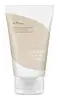
This barrier-repair moisturizer is formulated around Dioscorea Japonica Root Extract and Panthenol to strengthen the skin barrier and hydrate skin.
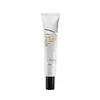
This brightening serum is formulated around Ascorbic Acid and Tocopherol to brighten dull-looking skin and fade the look of dark spots.

What's inside
What's inside
 Key Ingredients
Benefits
Concerns
Ingredients Side-by-side
Dioscorea Japonica Root Extract
Skin Conditioning
Methylpropanediol
SolventGlycerin
Humectant


Caprylic/Capric Triglyceride
Masking
Cetearyl Alcohol
Emollient





1,2-Hexanediol
Skin Conditioning
Glycereth-26
Humectant
Cetearyl Olivate
Water
Skin ConditioningPropylene Glycol Dicaprylate/Dicaprate
EmollientSorbitan Olivate
Emulsifying
Stearic Acid
Cleansing
Helianthus Annuus Seed Oil
Emollient
Sodium Hyaluronate
Humectant


Panthenol
Skin Conditioning
Hibiscus Esculentus Fruit Extract
Skin ConditioningNelumbo Nucifera Root Extract
Skin ConditioningUndaria Pinnatifida Extract
Skin ConditioningLaminaria Japonica Extract
Skin Protecting
Ceramide NP
Skin Conditioning
Ceramide Ns
Skin Conditioning
Ceramide As
Skin Conditioning
Ceramide AP
Skin Conditioning
Ceramide EOP
Skin Conditioning
Phytosphingosine
Skin Conditioning
Cholesterol
Emollient
Glycine Max Seed Extract
Skin ConditioningCocos Nucifera Fruit Extract
Emollient
Oryza Sativa Extract
Absorbent
Prunus Amygdalus Dulcis Seed Extract
Skin ConditioningAvena Sativa Meal Extract
SoothingMalt Extract
Skin ProtectingSimethicone
Emollient
Ammonium Acryloyldimethyltaurate/Vp Copolymer
Butylene Glycol
Humectant
Hydroxyethylcellulose
Emulsion StabilisingXanthan Gum
EmulsifyingHydrogenated Lecithin
Emulsifying
Citric Acid
Buffering

Disodium EDTA
ChelatingDioscorea Japonica Root Extract, Methylpropanediol, Glycerin, Caprylic/Capric Triglyceride, Cetearyl Alcohol, 1,2-Hexanediol, Glycereth-26, Cetearyl Olivate, Water, Propylene Glycol Dicaprylate/Dicaprate, Sorbitan Olivate, Stearic Acid, Helianthus Annuus Seed Oil, Sodium Hyaluronate, Panthenol, Hibiscus Esculentus Fruit Extract, Nelumbo Nucifera Root Extract, Undaria Pinnatifida Extract, Laminaria Japonica Extract, Ceramide NP, Ceramide Ns, Ceramide As, Ceramide AP, Ceramide EOP, Phytosphingosine, Cholesterol, Glycine Max Seed Extract, Cocos Nucifera Fruit Extract, Oryza Sativa Extract, Prunus Amygdalus Dulcis Seed Extract, Avena Sativa Meal Extract, Malt Extract, Simethicone, Ammonium Acryloyldimethyltaurate/Vp Copolymer, Butylene Glycol, Hydroxyethylcellulose, Xanthan Gum, Hydrogenated Lecithin, Citric Acid, Disodium EDTA
Ascorbic Acid
Antioxidant


Cyclopentasiloxane
Emollient
Caprylic/Capric Triglyceride
Masking
Cetyl Ethylhexanoate
EmollientIsododecane
EmollientMicrocrystalline Wax
Emulsion StabilisingSorbitan Olivate
Emulsifying
Euphorbia Cerifera Wax
Dimethicone/Vinyl Dimethicone Crosspolymer
Skin Conditioning
Silica
Abrasive


Vinyl Dimethicone/Methicone Silsesquioxane Crosspolymer
Ethylhexyl Palmitate
Emollient
Ethylhexyl Stearate
Emollient
Hydrogenated Olive Oil Unsaponifiables
Emollient
Disteardimonium Hectorite
StabilisingButyrospermum Parkii Butter
Skin Conditioning
Propylene Carbonate
SolventEthylhexylglycerin
Skin ConditioningSodium Citrate
BufferingHelianthus Annuus Seed Oil
Emollient
Tocopherol
Antioxidant
Glycyrrhiza Glabra Root Extract
Bleaching
Hydrogenated Lecithin
Emulsifying
Centella Asiatica Extract
Cleansing
Beta-Carotene
Skin ConditioningWater
Skin ConditioningAllantoin
Skin Conditioning
Panthenol
Skin Conditioning
Glycerin
Humectant
Simmondsia Chinensis Seed Oil
Emollient
1,2-Hexanediol
Skin Conditioning
Beta-Sitosterol
Emulsion Stabilising
Polyglyceryl-10 Stearate
Skin Conditioning
Beta-Glucan
Skin Conditioning
Houttuynia Cordata Extract
Skin Conditioning
Ascorbic Acid, Cyclopentasiloxane, Caprylic/Capric Triglyceride, Cetyl Ethylhexanoate, Isododecane, Microcrystalline Wax, Sorbitan Olivate, Euphorbia Cerifera Wax, Dimethicone/Vinyl Dimethicone Crosspolymer, Silica, Vinyl Dimethicone/Methicone Silsesquioxane Crosspolymer, Ethylhexyl Palmitate, Ethylhexyl Stearate, Hydrogenated Olive Oil Unsaponifiables, Disteardimonium Hectorite, Butyrospermum Parkii Butter, Propylene Carbonate, Ethylhexylglycerin, Sodium Citrate, Helianthus Annuus Seed Oil, Tocopherol, Glycyrrhiza Glabra Root Extract, Hydrogenated Lecithin, Centella Asiatica Extract, Beta-Carotene, Water, Allantoin, Panthenol, Glycerin, Simmondsia Chinensis Seed Oil, 1,2-Hexanediol, Beta-Sitosterol, Polyglyceryl-10 Stearate, Beta-Glucan, Houttuynia Cordata Extract
Reviews
Ingredients Explained
These ingredients are found in both products.
Ingredients higher up in an ingredient list are typically present in a larger amount.
1,2-Hexanediol is a synthetic liquid and another multi-functional powerhouse.
It is a:
- Humectant, drawing moisture into the skin
- Emollient, helping to soften skin
- Solvent, dispersing and stabilizing formulas
- Preservative booster, enhancing the antimicrobial activity of other preservatives
Caprylic/Capric Triglyceride (aka MCT Oil) is a lightweight emollient, solvent, and texture enhancer. It is considered a skin-softener by helping to prevent moisture loss.
Though it behaves like an oil, it is not technically one due to its chemical composition. One perk of this ingredient is that it is very stable, resistant to oxidation, and unlikely to go rancid.
In practice, that translates to a long shelf life and a consistently elegant skin feel.
While there is an assumption Caprylic Triglyceride can clog pores due to it being derived from coconut oil, there is no research supporting this. Just patch test if you have concerns.
Fractionated coconut oil and MCT Oil are both listed as Caprylic/Capric Triglyceride according to INCI. This is because INCI names are based on the ingredient’s final chemical composition and not its marketing name or source.
This ingredient is treated as the gold standard fungal acne safe oil. Even though it is coconut derived, the problematic lauric acid is stripped out.
This leaves just caprylic (C8) and capric (C10) acid. These chain lengths actually trend antifungal; a 2020 study found caprylic acid was enough to disrupt Malassezia furfur cell membrane, with a caprylic acid derivative damaging membrane structures at concentrations as low as 0.2%.
Learn more about Caprylic/Capric TriglycerideGlycerin (or glycerol) is a compound naturally found in your skin. It's a powerhouse humectant that pulls water into the stratum corneum.
Topically, glycerin does several things at once:
Your skin makes glycerin on its own (mostly from sebaceous oil breakdown) and shuttles it to your outermost layer of skin, or your epidermis, via aquaporin-3.
Aquaporin-3 is a transporter that is essential for normal skin hydration, elasticity, and repair. Interestingly, mice lacking in AQP3 have dry and less elastic skin that can be fully corrected with glycerin.
This ingredient is non-irritating, plays well with almost every ingredient, and works across all skin types. Typical use is anywhere between 3-10% but can go up to 79% in some leave-on products.
Just know very high concentrations (>40%) can feel tacky in low humidity.
Glycerin is the name for this ingredient in American English. British English uses Glycerol/Glycerine.
Learn more about GlycerinHelianthus Annuus Seed Oil is a plant oil derived from the seeds of a sunflower.
It is rich in fatty acids, primarily linoleic acid and oleic acid. This gives it emollient and skin conditioning properties.
The reason this ingredient is so effective is because it forms a thin film on the skin that reduces transepidermal water loss (TEWL) while supplying linoleic acid to the stratum corneum to improve barrier strength.
The high linoleic acid content is particularly noteworthy for acne-prone skin.
Research suggests that acne-prone skin tends to be deficient in linoleic acid in sebum. Topical application may help replenish this to support a healthier follicular environment and less comedone-promoting sebum.
One randomized study found sunflower seed oil preserved skin barrier integrity in adult volunteers with and without atopic dermatitis (outperforming olive oil).
This ingredient is well-studied, gentle, and an effective emollient suitable for most skin types.
On fungal acne: This ingredient may not be Fungal acne (Malassezia folliculitis) safe. This is because it contains fatty acids with carbon chain lengths in the C11-C24 range.
Learn more about Helianthus Annuus Seed OilHydrogenated Lecithin is a more stable version of lecithin.
It's made by taking lecithin (a phospholipid commonly found in soybeans and egg yolks) and hydrogenating it. This just means the unsaturated fatty acids are turned into saturated ones so they don't go bad as easily.
This ingredient is an emollient, emulsifier, and penetration enhancer. As an emollient, it helps soften and hydrate skin by trapping moisture within. As an emulsifier, it prevents oil and water ingredients from separating.
Hydrogenated Lecithin can form tiny spherical structures made of phospholipid bilayers called liposomes. These liposomes are able to capture compounds inside their structure and deliver them through the skin barrier.
Because phospholipids are a natural component of our cell membranes, this ingredient is inherently compatible with skin.
A 2021 study found lecithin-based surfactants were less harsh and more tolerable comared to Sodium Lauryl Sulfate (SLS).
Learn more about Hydrogenated LecithinPanthenol is a common ingredient that helps hydrate and soothe the skin. It is found naturally in our skin and hair.
There are two forms of panthenol: D and L.
D-panthenol is also known as dexpanthenol. Most cosmetics use dexpanthenol or a mixture of D and L-panthenol.
Panthenol is famous due to its ability to go deeper into the skin's layers. Using this ingredient has numerous pros (and no cons):
Like hyaluronic acid, panthenol is a humectant. Humectants are able to bind and hold large amounts of water to keep skin hydrated.
This ingredient works well for wound healing. It works by increasing tissue in the wound and helps close open wounds.
Once oxidized, panthenol converts to pantothenic acid. Panthothenic acid is found in all living cells.
This ingredient is also referred to as pro-vitamin B5.
Learn more about PanthenolSorbitan Olivate is created from the fatty acids in olive oil and sorbitol.
This ingredient is an oil in water emulsifier. It helps stabilize a product by preventing oils and waters from separating. Sorbitan Olivate also helps hydrate the skin.
This ingredient is also known as part of Olivem 1000, with Cetearyl Olivate being the other part.
According to a manufacturer, this ingredient helps preserve the natural microbiome of skin. Having a healthy microbiome helps keep our skin healthy and protects against harmful bacteria.
Please note, having a healthy microbiome is different from fungal acne; a healthy microbiome includes small amounts of yeast that normally live on your skin without causing problems.
Fungal acne happens when one type of yeast (Malassezia) grows out of control. This is usually because it's feeding on certain oils or fatty acids. Due to the olive oil base, this ingredient may not be fungal acne safe.
Learn more about Sorbitan OlivateWater. It's the most common cosmetic ingredient of all. You'll usually see it at the top of ingredient lists, meaning that it makes up the largest part of the product.
So why is it so popular? Water most often acts as a solvent - this means that it helps dissolve other ingredients into the formulation.
You'll also recognize water as that liquid we all need to stay alive. If you see this, drink a glass of water. Remember to stay hydrated!
Learn more about Water

