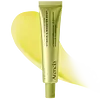
This brightening treatment is formulated around 3-O-Ethyl Ascorbic Acid and Niacinamide to brighten dull-looking skin and fade the look of dark spots.
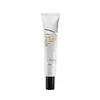
This brightening serum is formulated around Ascorbic Acid and Tocopherol to brighten dull-looking skin and fade the look of dark spots.

What's inside
What's inside
 Key Ingredients
Benefits
Concerns
Ingredients Side-by-side
Water
Skin ConditioningGlycerin
Humectant


Methylpropanediol
Solvent3-O-Ethyl Ascorbic Acid
Skin Conditioning




Butylene Glycol
Humectant
Caprylic/Capric Triglyceride
Masking
1,2-Hexanediol
Skin Conditioning
Niacinamide
Smoothing





Cetyl Ethylhexanoate
EmollientCetearyl Olivate


Polyglyceryl-3 Methylglucose Distearate
Emulsifying
Diisostearyl Malate
EmollientSodium Polyacrylate
Absorbent
Acrylates/C10-30 Alkyl Acrylate Crosspolymer
Emulsion StabilisingSorbitan Olivate
Emulsifying
Arginine
Masking
Gardenia Florida Fruit Extract
Skin ConditioningXanthan Gum
EmulsifyingEthylhexylglycerin
Skin ConditioningDextrin
AbsorbentAdenosine
Skin Conditioning
Allantoin
Skin Conditioning
Ascorbic Acid
Antioxidant
Glutathione
Panthenol
Skin Conditioning
Pyridoxine
Skin ConditioningTocopherol
Antioxidant
Ascorbyl Glucoside
Antioxidant
Sodium Ascorbyl Phosphate
Antioxidant
Water, Glycerin, Methylpropanediol, 3-O-Ethyl Ascorbic Acid, Butylene Glycol, Caprylic/Capric Triglyceride, 1,2-Hexanediol, Niacinamide, Cetyl Ethylhexanoate, Cetearyl Olivate, Polyglyceryl-3 Methylglucose Distearate, Diisostearyl Malate, Sodium Polyacrylate, Acrylates/C10-30 Alkyl Acrylate Crosspolymer, Sorbitan Olivate, Arginine, Gardenia Florida Fruit Extract, Xanthan Gum, Ethylhexylglycerin, Dextrin, Adenosine, Allantoin, Ascorbic Acid, Glutathione, Panthenol, Pyridoxine, Tocopherol, Ascorbyl Glucoside, Sodium Ascorbyl Phosphate
Ascorbic Acid
Antioxidant
Cyclopentasiloxane
Emollient
Caprylic/Capric Triglyceride
Masking
Cetyl Ethylhexanoate
EmollientIsododecane
EmollientMicrocrystalline Wax
Emulsion StabilisingSorbitan Olivate
Emulsifying
Euphorbia Cerifera Wax
Dimethicone/Vinyl Dimethicone Crosspolymer
Skin Conditioning
Silica
Abrasive
Vinyl Dimethicone/Methicone Silsesquioxane Crosspolymer
Ethylhexyl Palmitate
Emollient


Ethylhexyl Stearate
Emollient
Hydrogenated Olive Oil Unsaponifiables
Emollient
Disteardimonium Hectorite
StabilisingButyrospermum Parkii Butter
Skin Conditioning
Propylene Carbonate
SolventEthylhexylglycerin
Skin ConditioningSodium Citrate
BufferingHelianthus Annuus Seed Oil
Emollient
Tocopherol
Antioxidant
Glycyrrhiza Glabra Root Extract
Bleaching
Hydrogenated Lecithin
Emulsifying
Centella Asiatica Extract
Cleansing
Beta-Carotene
Skin ConditioningWater
Skin ConditioningAllantoin
Skin Conditioning
Panthenol
Skin Conditioning
Glycerin
Humectant
Simmondsia Chinensis Seed Oil
Emollient
1,2-Hexanediol
Skin Conditioning
Beta-Sitosterol
Emulsion Stabilising
Polyglyceryl-10 Stearate
Skin Conditioning
Beta-Glucan
Skin Conditioning
Houttuynia Cordata Extract
Skin Conditioning
Ascorbic Acid, Cyclopentasiloxane, Caprylic/Capric Triglyceride, Cetyl Ethylhexanoate, Isododecane, Microcrystalline Wax, Sorbitan Olivate, Euphorbia Cerifera Wax, Dimethicone/Vinyl Dimethicone Crosspolymer, Silica, Vinyl Dimethicone/Methicone Silsesquioxane Crosspolymer, Ethylhexyl Palmitate, Ethylhexyl Stearate, Hydrogenated Olive Oil Unsaponifiables, Disteardimonium Hectorite, Butyrospermum Parkii Butter, Propylene Carbonate, Ethylhexylglycerin, Sodium Citrate, Helianthus Annuus Seed Oil, Tocopherol, Glycyrrhiza Glabra Root Extract, Hydrogenated Lecithin, Centella Asiatica Extract, Beta-Carotene, Water, Allantoin, Panthenol, Glycerin, Simmondsia Chinensis Seed Oil, 1,2-Hexanediol, Beta-Sitosterol, Polyglyceryl-10 Stearate, Beta-Glucan, Houttuynia Cordata Extract
Reviews
Ingredients Explained
These ingredients are found in both products.
Ingredients higher up in an ingredient list are typically present in a larger amount.
1,2-Hexanediol is a synthetic liquid and another multi-functional powerhouse.
It is a:
- Humectant, drawing moisture into the skin
- Emollient, helping to soften skin
- Solvent, dispersing and stabilizing formulas
- Preservative booster, enhancing the antimicrobial activity of other preservatives
Allantoin is a soothing ingredient known for its protective and moisturizing properties; it's basically a quiet workhorse ingredient you can find in a huge range of cosmetics.
Though it can be derived from the comfrey plant, allantoin is produced synthetically for cosmetic products to ensure purity.
Research shows it can encourage your skin cells to turn over and renew by stimulating keratinocyte and fibroblast proliferation.
It also has mild keratolytic properties to help loosen and shed dead skin cells without being harsh.
Studies also suggest allantoin can help calm inflammation by dialing down some of the chemical signals your skin sends out when it is irritated.
This ingredient is typically used in the 0.1-0.5% range, and the FDA recognizes it as a skin protectant in OTC products up to 2%.
Overall, allantoin is a wonderful addition to most routines; it is stable across a wide pH range (~4-8), works well with other ingredients, and is considered non-sensitizing/non-irritating.
Fun fact: Allantoin is naturally occurring in comfrey root, beets, chamomile, and wheat sprouts. Our bodies even produce it as a byproduct of uric acid metabolism.
Learn more about AllantoinAscorbic Acid is is pure Vitamin C and is the biologically active form used directly by skin.
Not only is vitamin C great for your overall health and immune system, but it also has plenty of benefits for your skin. It is best supported by academic literature for:
Topical vitamin C has been shown to help neutralize oxidative stress from UV and pollution, helping to improve photoaging and hyperpigmentation when used consistently.
One clinical study found that using 5% topical vitamin C for six months improved signs of photodamaged skin, both on the surface and in the deeper structural layers of the skin.
While vitamin C doesn’t replace sunscreen, studies show it can boost photoprotection when combined with Vitamin E and ferulic acid. These two ingredients help improve stability and protective effects.
The big downside of this ingredient is formulation difficulty. Vitamin C is prone to oxidation and doesn't penetrate the skin unless formulated correctly. Research found that vitamin C absorbs into the skin best at a low pH (< 3.5) with about 20% being the upper limit for effective absorption.
Skin levels can saturate after repeated application; this means your skin won’t keep absorbing more once it’s full of vitamin C. This is why more isn’t always better with vitamin C and why very high concentrations don’t necessarily give extra benefits.
Ascorbic acid generally works well with many skincare ingredients but can be irritating when combined with other active ingredients. Strong oxidizing acne treatments like benzoyl peroxide can reduce the effectiveness of vitamin C if they are used at the same time; they are often recommended for use at different times of day.
Read more about other types of Vitamin C:
Foods rich with vitamin C include oranges, strawberries, broccoli, bell peppers, and more. When consuming Vitamin C, your skin receives a portion of the nutrients.
Learn more about Ascorbic AcidCaprylic/Capric Triglyceride (aka MCT Oil) is a lightweight emollient, solvent, and texture enhancer. It is considered a skin-softener by helping to prevent moisture loss.
Though it behaves like an oil, it is not technically one due to its chemical composition. One perk of this ingredient is that it is very stable, resistant to oxidation, and unlikely to go rancid.
In practice, that translates to a long shelf life and a consistently elegant skin feel.
While there is an assumption Caprylic Triglyceride can clog pores due to it being derived from coconut oil, there is no research supporting this. Just patch test if you have concerns.
Fractionated coconut oil and MCT Oil are both listed as Caprylic/Capric Triglyceride according to INCI. This is because INCI names are based on the ingredient’s final chemical composition and not its marketing name or source.
This ingredient is treated as the gold standard fungal acne safe oil. Even though it is coconut derived, the problematic lauric acid is stripped out.
This leaves just caprylic (C8) and capric (C10) acid. These chain lengths actually trend antifungal; a 2020 study found caprylic acid was enough to disrupt Malassezia furfur cell membrane, with a caprylic acid derivative damaging membrane structures at concentrations as low as 0.2%.
Learn more about Caprylic/Capric TriglycerideCetyl Ethylhexanoate is an emollient ester. It comes from cetearyl alcohol and 2-ethylhexanoic acid.
Cetyl Ethylhexanoate is an emollient that adds a velvety feel to skin without being greasy or oily. Emollients help trap moisture into your skin, keeping your skin soft and hydrated.
Ethylhexylglycerin is created from glycerin. It is a multitasker ingredient that:
The CIR Expert Panel found minimal skin absorption or sensitization of any kind in a safety assessment. Though this ingredient is considered well-tolerated, a small number of cases of allergic dermatitis have been published since 2002. Just be sure to patch test if you are unsure.
Industry-reported use ranges from 8% in rinse-off products and 2% in leave-on formulations.
Learn more about EthylhexylglycerinGlycerin (or glycerol) is a compound naturally found in your skin. It's a powerhouse humectant that pulls water into the stratum corneum.
Topically, glycerin does several things at once:
Your skin makes glycerin on its own (mostly from sebaceous oil breakdown) and shuttles it to your outermost layer of skin, or your epidermis, via aquaporin-3.
Aquaporin-3 is a transporter that is essential for normal skin hydration, elasticity, and repair. Interestingly, mice lacking in AQP3 have dry and less elastic skin that can be fully corrected with glycerin.
This ingredient is non-irritating, plays well with almost every ingredient, and works across all skin types. Typical use is anywhere between 3-10% but can go up to 79% in some leave-on products.
Just know very high concentrations (>40%) can feel tacky in low humidity.
Glycerin is the name for this ingredient in American English. British English uses Glycerol/Glycerine.
Learn more about GlycerinPanthenol is a common ingredient that helps hydrate and soothe the skin. It is found naturally in our skin and hair.
There are two forms of panthenol: D and L.
D-panthenol is also known as dexpanthenol. Most cosmetics use dexpanthenol or a mixture of D and L-panthenol.
Panthenol is famous due to its ability to go deeper into the skin's layers. Using this ingredient has numerous pros (and no cons):
Like hyaluronic acid, panthenol is a humectant. Humectants are able to bind and hold large amounts of water to keep skin hydrated.
This ingredient works well for wound healing. It works by increasing tissue in the wound and helps close open wounds.
Once oxidized, panthenol converts to pantothenic acid. Panthothenic acid is found in all living cells.
This ingredient is also referred to as pro-vitamin B5.
Learn more about PanthenolSorbitan Olivate is created from the fatty acids in olive oil and sorbitol.
This ingredient is an oil in water emulsifier. It helps stabilize a product by preventing oils and waters from separating. Sorbitan Olivate also helps hydrate the skin.
This ingredient is also known as part of Olivem 1000, with Cetearyl Olivate being the other part.
According to a manufacturer, this ingredient helps preserve the natural microbiome of skin. Having a healthy microbiome helps keep our skin healthy and protects against harmful bacteria.
Please note, having a healthy microbiome is different from fungal acne; a healthy microbiome includes small amounts of yeast that normally live on your skin without causing problems.
Fungal acne happens when one type of yeast (Malassezia) grows out of control. This is usually because it's feeding on certain oils or fatty acids. Due to the olive oil base, this ingredient may not be fungal acne safe.
Learn more about Sorbitan OlivateTocopherol is a fat-soluble antioxidant known as Vitamin E.
You'll find this ingredient in the vast majority of skincare (for good reason). It works to neutralize free radicals, or unstable molecules generated by UV exposure, pollution, and other environmental stressors, before they can cause oxidative damage to your skin cells.
Topically applied tocopherol has been shown to protect against UV damage by ramping up the skin's own natural defense enzymes.
It also acts as a skin conditioning agent; some studies show that regular topical use can improve the skin's water-binding capacity over 2-4 weeks.
This ingredient is especially loved for being a team player. When combined with Vitamin C, the photoprotective effect of both ingredients roughly doubles and the combo also helps reduce UV-induced DNA damage.
This ingredient has some brightening potential but it's more of a prevention ingredient than spot-fader. Cell studies show it can slow down melanin production but it's worth noting that it's not the most powerful brightener out there.
In formulations, it also serves as a stabilizer that helps protect other oxidation-prone ingredients from degrading.
Concentrations usually range from 0.1-1% in most leave-on products.
Learn more about TocopherolWater. It's the most common cosmetic ingredient of all. You'll usually see it at the top of ingredient lists, meaning that it makes up the largest part of the product.
So why is it so popular? Water most often acts as a solvent - this means that it helps dissolve other ingredients into the formulation.
You'll also recognize water as that liquid we all need to stay alive. If you see this, drink a glass of water. Remember to stay hydrated!
Learn more about Water

