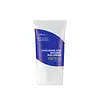
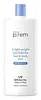
Isntree Hyaluronic Acid Natural Sun Cream SPF 50+ Versus Make p:rem UV Defense Me Daily Sun Fluid SPF50+/PA++++
This hybrid sunscreen covers the full UV range and blocks ~98% of UVB at SPF 50.
This hybrid sunscreen covers the full UV range and blocks ~98% of UVB at SPF 50.

What's inside
What's inside
 Key Ingredients
Benefits
Concerns
Ingredients Side-by-side
Water
Skin ConditioningZinc Oxide
Cosmetic Colorant


Butyloctyl Salicylate
Skin Conditioning
Propylheptyl Caprylate
EmollientButylene Glycol
Humectant

Isododecane
EmollientC15-19 Alkane
SolventDisiloxane
Skin Conditioning
Cetyl Diglyceryl Tris(Trimethylsiloxy)Silylethyl Dimethicone
Emulsion Stabilising
Caprylyl Methicone
Skin Conditioning
Sodium Chloride
MaskingTriethylhexanoin
MaskingSodium Hyaluronate
Humectant


Glycerin
Humectant
Methyl Methacrylate Crosspolymer
Disteardimonium Hectorite
StabilisingTriethoxycaprylylsilane
Polymethylsilsesquioxane
1,2-Hexanediol
Skin Conditioning
Lauryl Polyglyceryl-3 Polydimethylsiloxyethyl Dimethicone
Skin Conditioning
Polyglyceryl-2 Dipolyhydroxystearate
Skin Conditioning

Lauryl Dimethicone/Polyglycerin-3 Crosspolymer
Cleansing
Caprylyl Glycol
Emollient
Glyceryl Caprylate
EmollientDipropylene Glycol
HumectantTocopherol
Antioxidant



Sodium Citrate
BufferingBetaine
Humectant
Inositol
Humectant
Panthenol
Skin Conditioning
Water, Zinc Oxide, Butyloctyl Salicylate, Propylheptyl Caprylate, Butylene Glycol, Isododecane, C15-19 Alkane, Disiloxane, Cetyl Diglyceryl Tris(Trimethylsiloxy)Silylethyl Dimethicone, Caprylyl Methicone, Sodium Chloride, Triethylhexanoin, Sodium Hyaluronate, Glycerin, Methyl Methacrylate Crosspolymer, Disteardimonium Hectorite, Triethoxycaprylylsilane, Polymethylsilsesquioxane, 1,2-Hexanediol, Lauryl Polyglyceryl-3 Polydimethylsiloxyethyl Dimethicone, Polyglyceryl-2 Dipolyhydroxystearate, Lauryl Dimethicone/Polyglycerin-3 Crosspolymer, Caprylyl Glycol, Glyceryl Caprylate, Dipropylene Glycol, Tocopherol, Sodium Citrate, Betaine, Inositol, Panthenol
Water
Skin ConditioningDibutyl Adipate
EmollientPropanediol
Solvent
Titanium Dioxide
Cosmetic Colorant
Caprylic/Capric Triglyceride
Masking
Benzotriazolyl Dodecyl P-Cresol
UV AbsorberC12-15 Alkyl Benzoate
AntimicrobialDiethylamino Hydroxybenzoyl Hexyl Benzoate
UV Filter
Ethylhexyl Triazone
UV Absorber
Glycerin
Humectant
Methyl Trimethicone
Skin Conditioning
Diethylhexyl Butamido Triazone
UV Absorber
1,2-Hexanediol
Skin Conditioning
Pentylene Glycol
Skin Conditioning
Moringa Oleifera Seed Extract
Skin Conditioning
Lespedeza Capitata Leaf/Stem Extract
Skin ConditioningCardiospermum Halicacabum Flower/Leaf/Vine Extract
Skin ConditioningRosmarinus Officinalis Leaf Extract
AntimicrobialNymphaea Alba Flower Extract
Skin ConditioningBambusa Vulgaris Water
Skin ConditioningRibes Nigrum Seed Oil
Emollient
Helianthus Annuus Seed Oil
Emollient
Sodium Hyaluronate
Humectant
Helianthus Annuus Seed Oil Unsaponifiables
Emollient
Biosaccharide Gum-4
Skin Conditioning
Fructan
Skin ConditioningPyrus Communis Fruit Extract
Skin ConditioningPrunus Persica Fruit Extract
Abrasive
Cucumis Melo Fruit Extract
Skin ConditioningFicus Carica Fruit Extract
Humectant
Centella Asiatica Extract
Cleansing
Hedera Helix Leaf/Stem Extract
AntimicrobialRosa Damascena Flower Water
Masking
Jasminum Officinale Flower Water
MaskingHydrogenated Lecithin
Emulsifying
Dimethicone/Vinyl Dimethicone Crosspolymer
Skin Conditioning
Polymethylsilsesquioxane
Polyhydroxystearic Acid
Emulsifying
Dimethiconol
Emollient
Trisiloxane
Skin Conditioning
Alumina
Abrasive
Stearic Acid
Cleansing
Polyacrylate Crosspolymer-6
Emulsion StabilisingButylene Glycol
Humectant
Cetyl Alcohol
Emollient
Ammonium Acryloyldimethyltaurate/Vp Copolymer
Hydroxypropyl Methylcellulose Stearoxy Ether
Xanthan Gum
EmulsifyingEthylhexylglycerin
Skin ConditioningSodium Polyacrylate
Absorbent
Polyether-1
T-Butyl Alcohol
Perfuming




Ceramide NP
Skin Conditioning
Beta-Glucan
Skin Conditioning
Octyldodecanol
Emollient
Dipropylene Glycol
HumectantTocopherol
Antioxidant
Maltodextrin
Absorbent
Sodium Palmitoyl Proline
Skin ConditioningWater, Dibutyl Adipate, Propanediol, Titanium Dioxide, Caprylic/Capric Triglyceride, Benzotriazolyl Dodecyl P-Cresol, C12-15 Alkyl Benzoate, Diethylamino Hydroxybenzoyl Hexyl Benzoate, Ethylhexyl Triazone, Glycerin, Methyl Trimethicone, Diethylhexyl Butamido Triazone, 1,2-Hexanediol, Pentylene Glycol, Moringa Oleifera Seed Extract, Lespedeza Capitata Leaf/Stem Extract, Cardiospermum Halicacabum Flower/Leaf/Vine Extract, Rosmarinus Officinalis Leaf Extract, Nymphaea Alba Flower Extract, Bambusa Vulgaris Water, Ribes Nigrum Seed Oil, Helianthus Annuus Seed Oil, Sodium Hyaluronate, Helianthus Annuus Seed Oil Unsaponifiables, Biosaccharide Gum-4, Fructan, Pyrus Communis Fruit Extract, Prunus Persica Fruit Extract, Cucumis Melo Fruit Extract, Ficus Carica Fruit Extract, Centella Asiatica Extract, Hedera Helix Leaf/Stem Extract, Rosa Damascena Flower Water, Jasminum Officinale Flower Water, Hydrogenated Lecithin, Dimethicone/Vinyl Dimethicone Crosspolymer, Polymethylsilsesquioxane, Polyhydroxystearic Acid, Dimethiconol, Trisiloxane, Alumina, Stearic Acid, Polyacrylate Crosspolymer-6, Butylene Glycol, Cetyl Alcohol, Ammonium Acryloyldimethyltaurate/Vp Copolymer, Hydroxypropyl Methylcellulose Stearoxy Ether, Xanthan Gum, Ethylhexylglycerin, Sodium Polyacrylate, Polyether-1, T-Butyl Alcohol, Ceramide NP, Beta-Glucan, Octyldodecanol, Dipropylene Glycol, Tocopherol, Maltodextrin, Sodium Palmitoyl Proline
Reviews
Ingredients Explained
These ingredients are found in both products.
Ingredients higher up in an ingredient list are typically present in a larger amount.
1,2-Hexanediol is a synthetic liquid and another multi-functional powerhouse.
It is a:
- Humectant, drawing moisture into the skin
- Emollient, helping to soften skin
- Solvent, dispersing and stabilizing formulas
- Preservative booster, enhancing the antimicrobial activity of other preservatives
Butylene Glycol (or BG) is used within cosmetic products for a few different reasons:
Overall, Butylene Glycol is a safe and well-rounded ingredient that works well with other ingredients.
Though this ingredient works well with most skin types, some people with sensitive skin may experience a reaction such as allergic rashes, closed comedones, or itchiness.
Learn more about Butylene GlycolDipropylene Glycol is a synthetically created humectant, stabilizer, and solvent.
This ingredient helps:
Dipropylene glycol is technically an alcohol, but it belongs to the glycol family (often considered part of the ‘good’ alcohols). This means it is hydrating and gentle on skin unlike drying solvent alcohols like denatured alcohol.
As a masking agent, Dipropylene Glycol can be used to cover the smell of other ingredients. However, it does not have a scent.
Studies show Dipropylene Glycol is considered safe to use in skincare.
Learn more about Dipropylene GlycolGlycerin (or glycerol) is a compound naturally found in your skin. It's a powerhouse humectant that pulls water into the stratum corneum.
Topically, glycerin does several things at once:
Your skin makes glycerin on its own (mostly from sebaceous oil breakdown) and shuttles it to your outermost layer of skin, or your epidermis, via aquaporin-3.
Aquaporin-3 is a transporter that is essential for normal skin hydration, elasticity, and repair. Interestingly, mice lacking in AQP3 have dry and less elastic skin that can be fully corrected with glycerin.
This ingredient is non-irritating, plays well with almost every ingredient, and works across all skin types. Typical use is anywhere between 3-10% but can go up to 79% in some leave-on products.
Just know very high concentrations (>40%) can feel tacky in low humidity.
Glycerin is the name for this ingredient in American English. British English uses Glycerol/Glycerine.
Learn more about GlycerinPolymethylsilsesquioxane is a silicone used as a film forming agent.
When applied to the skin, this ingredient creates an invisible film on the surface. This film still allows oxygen to pass through, but prevents moisture from escaping. This can help condition and hydrate the skin. It also leaves a silky feel when applied.
Polymethylsilsesquioxane has not been shown to clog pores. It has been deemed safe to use up to 55%, but most cosmetics use much less.
If you have concerns about using this ingredient, we recommend speaking with a professional.
Learn more about PolymethylsilsesquioxaneSodium Hyaluronate is the salt form of hyaluronic acid. It is a long sugar chain that is naturally found in your skin, joints, and connective tissue that maintains hydration and elasticity.
In skincare, it works as a humectant. It pulls water from the environment and deeper layers of skin and binds it to the surface.
Interestingly, the size of the molecule affects its behavior:
Some clinical evidence links low molecular weight versions to improved wrinkle depth, elasticity, anti-inflammatory effects, and barrier repair.
Many serums use a blend of both weights so you can get surface hydration plus longer-lasting and deeper effects.
You'll typically see concentrations between 0.1-2% for this ingredient.
Learn more about Sodium HyaluronateTocopherol is a fat-soluble antioxidant known as Vitamin E.
You'll find this ingredient in the vast majority of skincare (for good reason). It works to neutralize free radicals, or unstable molecules generated by UV exposure, pollution, and other environmental stressors, before they can cause oxidative damage to your skin cells.
Topically applied tocopherol has been shown to protect against UV damage by ramping up the skin's own natural defense enzymes.
It also acts as a skin conditioning agent; some studies show that regular topical use can improve the skin's water-binding capacity over 2-4 weeks.
This ingredient is especially loved for being a team player. When combined with Vitamin C, the photoprotective effect of both ingredients roughly doubles and the combo also helps reduce UV-induced DNA damage.
This ingredient has some brightening potential but it's more of a prevention ingredient than spot-fader. Cell studies show it can slow down melanin production but it's worth noting that it's not the most powerful brightener out there.
In formulations, it also serves as a stabilizer that helps protect other oxidation-prone ingredients from degrading.
Concentrations usually range from 0.1-1% in most leave-on products.
Learn more about TocopherolWater. It's the most common cosmetic ingredient of all. You'll usually see it at the top of ingredient lists, meaning that it makes up the largest part of the product.
So why is it so popular? Water most often acts as a solvent - this means that it helps dissolve other ingredients into the formulation.
You'll also recognize water as that liquid we all need to stay alive. If you see this, drink a glass of water. Remember to stay hydrated!
Learn more about Water

