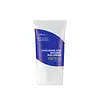
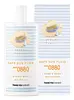
Isntree Hyaluronic Acid Natural Sun Cream SPF 50+ Versus Thank You Farmer Safe Sun Fluid AGE 0880 SPF50+/PA++++
This hybrid sunscreen covers the full UV range and blocks ~98% of UVB at SPF 50.
This hybrid sunscreen covers the full UV range and blocks ~98% of UVB at SPF 50.

What's inside
What's inside
 Key Ingredients
Benefits
Concerns
Ingredients Side-by-side
Water
Skin ConditioningZinc Oxide
Cosmetic Colorant


Butyloctyl Salicylate
Skin Conditioning
Propylheptyl Caprylate
EmollientButylene Glycol
Humectant

Isododecane
EmollientC15-19 Alkane
SolventDisiloxane
Skin Conditioning
Cetyl Diglyceryl Tris(Trimethylsiloxy)Silylethyl Dimethicone
Emulsion Stabilising
Caprylyl Methicone
Skin Conditioning
Sodium Chloride
MaskingTriethylhexanoin
MaskingSodium Hyaluronate
Humectant


Glycerin
Humectant
Methyl Methacrylate Crosspolymer
Disteardimonium Hectorite
StabilisingTriethoxycaprylylsilane
Polymethylsilsesquioxane
1,2-Hexanediol
Skin Conditioning
Lauryl Polyglyceryl-3 Polydimethylsiloxyethyl Dimethicone
Skin Conditioning
Polyglyceryl-2 Dipolyhydroxystearate
Skin Conditioning

Lauryl Dimethicone/Polyglycerin-3 Crosspolymer
Cleansing
Caprylyl Glycol
Emollient
Glyceryl Caprylate
EmollientDipropylene Glycol
HumectantTocopherol
Antioxidant



Sodium Citrate
BufferingBetaine
Humectant
Inositol
Humectant
Panthenol
Skin Conditioning
Water, Zinc Oxide, Butyloctyl Salicylate, Propylheptyl Caprylate, Butylene Glycol, Isododecane, C15-19 Alkane, Disiloxane, Cetyl Diglyceryl Tris(Trimethylsiloxy)Silylethyl Dimethicone, Caprylyl Methicone, Sodium Chloride, Triethylhexanoin, Sodium Hyaluronate, Glycerin, Methyl Methacrylate Crosspolymer, Disteardimonium Hectorite, Triethoxycaprylylsilane, Polymethylsilsesquioxane, 1,2-Hexanediol, Lauryl Polyglyceryl-3 Polydimethylsiloxyethyl Dimethicone, Polyglyceryl-2 Dipolyhydroxystearate, Lauryl Dimethicone/Polyglycerin-3 Crosspolymer, Caprylyl Glycol, Glyceryl Caprylate, Dipropylene Glycol, Tocopherol, Sodium Citrate, Betaine, Inositol, Panthenol
Water
Skin ConditioningC12-15 Alkyl Benzoate
AntimicrobialTitanium Dioxide
Cosmetic Colorant
Butylene Glycol
Humectant
Dipropylene Glycol
HumectantNiacinamide
Smoothing



Butyloctyl Salicylate
Skin Conditioning
Caprylyl Methicone
Skin Conditioning
1,2-Hexanediol
Skin Conditioning
Aluminum Stearate
Cosmetic ColorantPolyhydroxystearic Acid
Emulsifying
Cetyl Ethylhexanoate
EmollientSilica
Abrasive
Pentylene Glycol
Skin Conditioning
Polymethylsilsesquioxane
Caprylic/Capric Triglyceride
Masking
Alumina
Abrasive
Propanediol
Solvent
Ammonium Acryloyldimethyltaurate/Vp Copolymer
Parfum
Masking



Polyacrylate Crosspolymer-6
Emulsion StabilisingSaccharide Hydrolysate
HumectantSodium Stearoyl Glutamate
CleansingHydroxypropyl Methylcellulose Stearoxy Ether
Octyldodecanol
Emollient
Stearic Acid
Cleansing
Ethylhexylglycerin
Skin ConditioningAdenosine
Skin Conditioning
Salvia Hispanica Seed Extract
Emollient
Centella Asiatica Extract
Cleansing
Portulaca Oleracea Extract
Skin Conditioning
Houttuynia Cordata Extract
Skin Conditioning
Echium Plantagineum Seed Oil
Skin Conditioning
Curcuma Longa Root Extract
Antioxidant
T-Butyl Alcohol
Perfuming

Cardiospermum Halicacabum Flower/Leaf/Vine Extract
Skin ConditioningHelianthus Annuus Seed Oil Unsaponifiables
Emollient
Glycerin
Humectant
Tocopherol
Antioxidant
Camellia Japonica Flower Extract
EmollientChamomilla Recutita Flower/Leaf Extract
AntimicrobialPancratium Maritimum Extract
BleachingWater, C12-15 Alkyl Benzoate, Titanium Dioxide, Butylene Glycol, Dipropylene Glycol, Niacinamide, Butyloctyl Salicylate, Caprylyl Methicone, 1,2-Hexanediol, Aluminum Stearate, Polyhydroxystearic Acid, Cetyl Ethylhexanoate, Silica, Pentylene Glycol, Polymethylsilsesquioxane, Caprylic/Capric Triglyceride, Alumina, Propanediol, Ammonium Acryloyldimethyltaurate/Vp Copolymer, Parfum, Polyacrylate Crosspolymer-6, Saccharide Hydrolysate, Sodium Stearoyl Glutamate, Hydroxypropyl Methylcellulose Stearoxy Ether, Octyldodecanol, Stearic Acid, Ethylhexylglycerin, Adenosine, Salvia Hispanica Seed Extract, Centella Asiatica Extract, Portulaca Oleracea Extract, Houttuynia Cordata Extract, Echium Plantagineum Seed Oil, Curcuma Longa Root Extract, T-Butyl Alcohol, Cardiospermum Halicacabum Flower/Leaf/Vine Extract, Helianthus Annuus Seed Oil Unsaponifiables, Glycerin, Tocopherol, Camellia Japonica Flower Extract, Chamomilla Recutita Flower/Leaf Extract, Pancratium Maritimum Extract
Reviews
Ingredients Explained
These ingredients are found in both products.
Ingredients higher up in an ingredient list are typically present in a larger amount.
1,2-Hexanediol is a synthetic liquid and another multi-functional powerhouse.
It is a:
- Humectant, drawing moisture into the skin
- Emollient, helping to soften skin
- Solvent, dispersing and stabilizing formulas
- Preservative booster, enhancing the antimicrobial activity of other preservatives
Butylene Glycol (or BG) is used within cosmetic products for a few different reasons:
Overall, Butylene Glycol is a safe and well-rounded ingredient that works well with other ingredients.
Though this ingredient works well with most skin types, some people with sensitive skin may experience a reaction such as allergic rashes, closed comedones, or itchiness.
Learn more about Butylene GlycolButyloctyl Salicylate is a chemical UV filter structurally similar to octisalate. It is a photostabilizer, SPF booster, emollient and solvent. This ingredient helps evenly spread out ingredients.
According to a manufacturer, it is suitable for pairing with micro Titanium Dioxide, Zinc Oxide, and pigments.
Photostabilizers help stabilize UV-filters and prevents them from degrading quickly.
Learn more about Butyloctyl SalicylateCaprylyl Methicone is a synthetic and lightweight silicone fluid. It gives products a silky, dry-touch finish without the heaviness of pure oils.
Though the EU CosIng Database lists this ingredient as a skin conditioner, it is also used for sensory reasons. It spreads easily, cuts greasiness, and reduces tackiness.
This ingredient is volatile which means it will mostly evaporate (but it evaporates slower than older cyclomethicones, like Cyclotetrasiloxane).
Typical concentration ranges from 1-30% depending on if it's being used to tweak the feel of a product or acting as the main emollient.
Learn more about Caprylyl MethiconeDipropylene Glycol is a synthetically created humectant, stabilizer, and solvent.
This ingredient helps:
Dipropylene glycol is technically an alcohol, but it belongs to the glycol family (often considered part of the ‘good’ alcohols). This means it is hydrating and gentle on skin unlike drying solvent alcohols like denatured alcohol.
As a masking agent, Dipropylene Glycol can be used to cover the smell of other ingredients. However, it does not have a scent.
Studies show Dipropylene Glycol is considered safe to use in skincare.
Learn more about Dipropylene GlycolGlycerin (or glycerol) is a compound naturally found in your skin. It's a powerhouse humectant that pulls water into the stratum corneum.
Topically, glycerin does several things at once:
Your skin makes glycerin on its own (mostly from sebaceous oil breakdown) and shuttles it to your outermost layer of skin, or your epidermis, via aquaporin-3.
Aquaporin-3 is a transporter that is essential for normal skin hydration, elasticity, and repair. Interestingly, mice lacking in AQP3 have dry and less elastic skin that can be fully corrected with glycerin.
This ingredient is non-irritating, plays well with almost every ingredient, and works across all skin types. Typical use is anywhere between 3-10% but can go up to 79% in some leave-on products.
Just know very high concentrations (>40%) can feel tacky in low humidity.
Glycerin is the name for this ingredient in American English. British English uses Glycerol/Glycerine.
Learn more about GlycerinPolymethylsilsesquioxane is a silicone used as a film forming agent.
When applied to the skin, this ingredient creates an invisible film on the surface. This film still allows oxygen to pass through, but prevents moisture from escaping. This can help condition and hydrate the skin. It also leaves a silky feel when applied.
Polymethylsilsesquioxane has not been shown to clog pores. It has been deemed safe to use up to 55%, but most cosmetics use much less.
If you have concerns about using this ingredient, we recommend speaking with a professional.
Learn more about PolymethylsilsesquioxaneTocopherol is a fat-soluble antioxidant known as Vitamin E.
You'll find this ingredient in the vast majority of skincare (for good reason). It works to neutralize free radicals, or unstable molecules generated by UV exposure, pollution, and other environmental stressors, before they can cause oxidative damage to your skin cells.
Topically applied tocopherol has been shown to protect against UV damage by ramping up the skin's own natural defense enzymes.
It also acts as a skin conditioning agent; some studies show that regular topical use can improve the skin's water-binding capacity over 2-4 weeks.
This ingredient is especially loved for being a team player. When combined with Vitamin C, the photoprotective effect of both ingredients roughly doubles and the combo also helps reduce UV-induced DNA damage.
This ingredient has some brightening potential but it's more of a prevention ingredient than spot-fader. Cell studies show it can slow down melanin production but it's worth noting that it's not the most powerful brightener out there.
In formulations, it also serves as a stabilizer that helps protect other oxidation-prone ingredients from degrading.
Concentrations usually range from 0.1-1% in most leave-on products.
Learn more about TocopherolWater. It's the most common cosmetic ingredient of all. You'll usually see it at the top of ingredient lists, meaning that it makes up the largest part of the product.
So why is it so popular? Water most often acts as a solvent - this means that it helps dissolve other ingredients into the formulation.
You'll also recognize water as that liquid we all need to stay alive. If you see this, drink a glass of water. Remember to stay hydrated!
Learn more about Water

