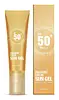
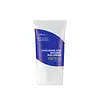
Deoproce Hyaluronic Cooling Sun Gel SPF 50+ PA+++ Versus Isntree Hyaluronic Acid Natural Sun Cream SPF 50+
This chemical sunscreen covers the full UV range and blocks ~98% of UVB at SPF 50.
This hybrid sunscreen covers the full UV range and blocks ~98% of UVB at SPF 50.

What's inside
What's inside
 Key Ingredients
Benefits
Concerns
Ingredients Side-by-side
Water
Skin ConditioningEthylhexyl Methoxycinnamate
UV Absorber


Octocrylene
UV Absorber
Ethylhexyl Salicylate
UV Absorber
4-Methylbenzylidene Camphor
UV Absorber
Behenyl Alcohol
Emollient
Butyl Methoxydibenzoylmethane
UV Absorber
Dipropylene Glycol
Humectant1,2-Hexanediol
Skin Conditioning
Niacinamide
Smoothing











Glycerin
Humectant
Methyl Methacrylate Crosspolymer
Bis-Ethylhexyloxyphenol Methoxyphenyl Triazine
UV Absorber
Portulaca Oleracea Extract
Skin Conditioning
Olea Europaea Leaf Extract
Perfuming
Sodium Hyaluronate
Humectant
Ceramide NP
Skin Conditioning
Bambusa Vulgaris Extract
Skin Conditioning
Eucalyptus Globulus Leaf Extract
Perfuming
Hydrogenated Lecithin
Emulsifying
Aloe Barbadensis Leaf Extract
Emollient
Adansonia Digitata Seed Extract
Skin ConditioningButylene Glycol
Humectant
Tromethamine
BufferingCarbomer
Emulsion StabilisingParfum
Masking

Silica
Abrasive
Adenosine
Skin Conditioning
Disodium EDTA
ChelatingPentylene Glycol
Skin Conditioning
Phenoxyethanol
Preservative
Caprylyl Glycol
Emollient
Caprylic/Capric Triglyceride
Masking
Ethylhexylglycerin
Skin ConditioningWater, Ethylhexyl Methoxycinnamate, Octocrylene, Ethylhexyl Salicylate, 4-Methylbenzylidene Camphor, Behenyl Alcohol, Butyl Methoxydibenzoylmethane, Dipropylene Glycol, 1,2-Hexanediol, Niacinamide, Glycerin, Methyl Methacrylate Crosspolymer, Bis-Ethylhexyloxyphenol Methoxyphenyl Triazine, Portulaca Oleracea Extract, Olea Europaea Leaf Extract, Sodium Hyaluronate, Ceramide NP, Bambusa Vulgaris Extract, Eucalyptus Globulus Leaf Extract, Hydrogenated Lecithin, Aloe Barbadensis Leaf Extract, Adansonia Digitata Seed Extract, Butylene Glycol, Tromethamine, Carbomer, Parfum, Silica, Adenosine, Disodium EDTA, Pentylene Glycol, Phenoxyethanol, Caprylyl Glycol, Caprylic/Capric Triglyceride, Ethylhexylglycerin
Water
Skin ConditioningZinc Oxide
Cosmetic Colorant
Butyloctyl Salicylate
Skin Conditioning
Propylheptyl Caprylate
EmollientButylene Glycol
Humectant
Isododecane
EmollientC15-19 Alkane
SolventDisiloxane
Skin Conditioning
Cetyl Diglyceryl Tris(Trimethylsiloxy)Silylethyl Dimethicone
Emulsion Stabilising
Caprylyl Methicone
Skin Conditioning
Sodium Chloride
MaskingTriethylhexanoin
MaskingSodium Hyaluronate
Humectant
Glycerin
Humectant
Methyl Methacrylate Crosspolymer
Disteardimonium Hectorite
StabilisingTriethoxycaprylylsilane
Polymethylsilsesquioxane
1,2-Hexanediol
Skin Conditioning
Lauryl Polyglyceryl-3 Polydimethylsiloxyethyl Dimethicone
Skin Conditioning
Polyglyceryl-2 Dipolyhydroxystearate
Skin Conditioning
Lauryl Dimethicone/Polyglycerin-3 Crosspolymer
Cleansing
Caprylyl Glycol
Emollient
Glyceryl Caprylate
EmollientDipropylene Glycol
HumectantTocopherol
Antioxidant

Sodium Citrate
BufferingBetaine
Humectant
Inositol
Humectant
Panthenol
Skin Conditioning
Water, Zinc Oxide, Butyloctyl Salicylate, Propylheptyl Caprylate, Butylene Glycol, Isododecane, C15-19 Alkane, Disiloxane, Cetyl Diglyceryl Tris(Trimethylsiloxy)Silylethyl Dimethicone, Caprylyl Methicone, Sodium Chloride, Triethylhexanoin, Sodium Hyaluronate, Glycerin, Methyl Methacrylate Crosspolymer, Disteardimonium Hectorite, Triethoxycaprylylsilane, Polymethylsilsesquioxane, 1,2-Hexanediol, Lauryl Polyglyceryl-3 Polydimethylsiloxyethyl Dimethicone, Polyglyceryl-2 Dipolyhydroxystearate, Lauryl Dimethicone/Polyglycerin-3 Crosspolymer, Caprylyl Glycol, Glyceryl Caprylate, Dipropylene Glycol, Tocopherol, Sodium Citrate, Betaine, Inositol, Panthenol
Reviews
Ingredients Explained
These ingredients are found in both products.
Ingredients higher up in an ingredient list are typically present in a larger amount.
1,2-Hexanediol is a synthetic liquid and another multi-functional powerhouse.
It is a:
- Humectant, drawing moisture into the skin
- Emollient, helping to soften skin
- Solvent, dispersing and stabilizing formulas
- Preservative booster, enhancing the antimicrobial activity of other preservatives
Butylene Glycol (or BG) is used within cosmetic products for a few different reasons:
Overall, Butylene Glycol is a safe and well-rounded ingredient that works well with other ingredients.
Though this ingredient works well with most skin types, some people with sensitive skin may experience a reaction such as allergic rashes, closed comedones, or itchiness.
Learn more about Butylene GlycolCaprylyl Glycol is a humectant, skin conditioner, emollient, and preservative booster derived from either caprylic acid or synthetically created.
Typical use levels vary from 0.3-1% as a preservative booster and go up to 2% to condition skin.
Because it is not a free-fatty acid, this ingredient is fungal acne safe (there's nothing for Malassezia to feed on).
Learn more about Caprylyl GlycolDipropylene Glycol is a synthetically created humectant, stabilizer, and solvent.
This ingredient helps:
Dipropylene glycol is technically an alcohol, but it belongs to the glycol family (often considered part of the ‘good’ alcohols). This means it is hydrating and gentle on skin unlike drying solvent alcohols like denatured alcohol.
As a masking agent, Dipropylene Glycol can be used to cover the smell of other ingredients. However, it does not have a scent.
Studies show Dipropylene Glycol is considered safe to use in skincare.
Learn more about Dipropylene GlycolGlycerin (or glycerol) is a compound naturally found in your skin. It's a powerhouse humectant that pulls water into the stratum corneum.
Topically, glycerin does several things at once:
Your skin makes glycerin on its own (mostly from sebaceous oil breakdown) and shuttles it to your outermost layer of skin, or your epidermis, via aquaporin-3.
Aquaporin-3 is a transporter that is essential for normal skin hydration, elasticity, and repair. Interestingly, mice lacking in AQP3 have dry and less elastic skin that can be fully corrected with glycerin.
This ingredient is non-irritating, plays well with almost every ingredient, and works across all skin types. Typical use is anywhere between 3-10% but can go up to 79% in some leave-on products.
Just know very high concentrations (>40%) can feel tacky in low humidity.
Glycerin is the name for this ingredient in American English. British English uses Glycerol/Glycerine.
Learn more about GlycerinThis ingredient comes as a powder made up of small, porous, microbeads. It is used to add a silky feel to products and also helps absorb oil.
Sodium Hyaluronate is the salt form of hyaluronic acid. It is a long sugar chain that is naturally found in your skin, joints, and connective tissue that maintains hydration and elasticity.
In skincare, it works as a humectant. It pulls water from the environment and deeper layers of skin and binds it to the surface.
Interestingly, the size of the molecule affects its behavior:
Some clinical evidence links low molecular weight versions to improved wrinkle depth, elasticity, anti-inflammatory effects, and barrier repair.
Many serums use a blend of both weights so you can get surface hydration plus longer-lasting and deeper effects.
You'll typically see concentrations between 0.1-2% for this ingredient.
Learn more about Sodium HyaluronateWater. It's the most common cosmetic ingredient of all. You'll usually see it at the top of ingredient lists, meaning that it makes up the largest part of the product.
So why is it so popular? Water most often acts as a solvent - this means that it helps dissolve other ingredients into the formulation.
You'll also recognize water as that liquid we all need to stay alive. If you see this, drink a glass of water. Remember to stay hydrated!
Learn more about Water

