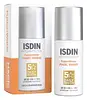
This chemical sunscreen covers the full UV range and blocks ~98% of UVB at SPF 50.
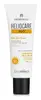
This hybrid sunscreen covers the full UV range and blocks ~98% of UVB at SPF 50.

What's inside
What's inside
 Key Ingredients
Benefits
Concerns
Ingredients Side-by-side
Water
Skin ConditioningPropanediol
Solvent

Dibutyl Adipate
EmollientEthylhexyl Salicylate
UV Absorber

Ethylhexyl Triazone
UV Absorber
Bis-Ethylhexyloxyphenol Methoxyphenyl Triazine
UV Absorber
Dimethicone
Emollient

Butyl Methoxydibenzoylmethane
UV Absorber
Phenylbenzimidazole Sulfonic Acid
UV Absorber
Silica
Abrasive


Diisopropyl Sebacate
EmollientArginine
Masking
Undecane
EmollientPentylene Glycol
Skin Conditioning
Glycerin
Humectant
Tridecane
Perfuming

Butylene Glycol
Humectant
Hydroxyacetophenone
Antioxidant
Lauryl PEG/PPG-18/18 Methicone
Skin Conditioning
Vp/Eicosene Copolymer
Polysorbate 60
Emulsifying

Dimethicone/Vinyl Dimethicone Crosspolymer
Skin Conditioning
Sodium Polyacrylate Starch
AbsorbentCaprylyl Glycol
Emollient
Hydrated Silica
Abrasive
Tocopheryl Acetate
Antioxidant

PEG-10 Dimethicone
Skin Conditioning
Tetrasodium Glutamate Diacetate
ChelatingParfum
Masking

Sclerotium Gum
Emulsion StabilisingSodium Hyaluronate
Humectant


Xanthan Gum
EmulsifyingCarbomer
Emulsion StabilisingPolysorbate 20
Emulsifying
Sodium Lactate
Buffering
Phenoxyethanol
Preservative
Sodium Benzoate
Masking
Lecithin
Emollient
Plankton Extract
Skin ConditioningTocopherol
Antioxidant
Palmitoyl Tripeptide-1
Skin Conditioning

Palmitoyl Tetrapeptide-7
Skin Conditioning
Pentapeptide-34 Trifluoroacetate
Emollient
Water, Propanediol, Dibutyl Adipate, Ethylhexyl Salicylate, Ethylhexyl Triazone, Bis-Ethylhexyloxyphenol Methoxyphenyl Triazine, Dimethicone, Butyl Methoxydibenzoylmethane, Phenylbenzimidazole Sulfonic Acid, Silica, Diisopropyl Sebacate, Arginine, Undecane, Pentylene Glycol, Glycerin, Tridecane, Butylene Glycol, Hydroxyacetophenone, Lauryl PEG/PPG-18/18 Methicone, Vp/Eicosene Copolymer, Polysorbate 60, Dimethicone/Vinyl Dimethicone Crosspolymer, Sodium Polyacrylate Starch, Caprylyl Glycol, Hydrated Silica, Tocopheryl Acetate, PEG-10 Dimethicone, Tetrasodium Glutamate Diacetate, Parfum, Sclerotium Gum, Sodium Hyaluronate, Xanthan Gum, Carbomer, Polysorbate 20, Sodium Lactate, Phenoxyethanol, Sodium Benzoate, Lecithin, Plankton Extract, Tocopherol, Palmitoyl Tripeptide-1, Palmitoyl Tetrapeptide-7, Pentapeptide-34 Trifluoroacetate
Water
Skin ConditioningC12-15 Alkyl Benzoate
AntimicrobialArginine
Masking
Phenylbenzimidazole Sulfonic Acid
UV Absorber
Disodium Phenyl Dibenzimidazole Tetrasulfonate
UV Absorber
Bis-Ethylhexyloxyphenol Methoxyphenyl Triazine
UV Absorber
Titanium Dioxide
Cosmetic Colorant
Hexylene Glycol
EmulsifyingC14-22 Alcohols
Emulsion Stabilising
C12-20 Alkyl Glucoside
EmulsifyingDiethylamino Hydroxybenzoyl Hexyl Benzoate
UV Filter
Nylon-12
Myristyl Alcohol
Emollient

Dipropylene Glycol Dibenzoate
EmollientCeteareth-25
CleansingDiethylhexyl Butamido Triazone
UV Absorber
Phenoxyethanol
Preservative
Polypodium Leucotomos Leaf Extract
Skin Protecting
Ferulic Acid
Antimicrobial
Caffeic Acid
Antioxidant
Physalis Angulata Extract
Skin ProtectingCaprylyl Glycol
Emollient
Melanin
Skin ProtectingMyristyl Glucoside
CleansingEthylhexyl Triazone
UV Absorber
Caprylyl Methicone
Skin Conditioning
Hydrolyzed Wheat Protein/Pvp Crosspolymer
Glycerin
Humectant
3-O-Ethyl Ascorbic Acid
Skin Conditioning
Alumina
Abrasive
PPG-15 Stearyl Ether Benzoate
EmollientDisodium Ethylene Dicocamide PEG-15 Disulfate
Cleansing

Camellia Sinensis Extract
Antioxidant
Ethylhexylglycerin
Skin ConditioningTocopheryl Acetate
Antioxidant
Xanthan Gum
EmulsifyingPhytosphingosine Hcl
Skin ConditioningPlankton Extract
Skin ConditioningEthyl Lauroyl Arginate Hcl
Skin ConditioningPanthenyl Triacetate
Parfum
Masking
Simethicone
Emollient
Oxothiazolidine
Skin ProtectingDisodium EDTA
ChelatingSilica
Abrasive
Ethyl Linoleate
Emollient
Caprylic/Capric Triglyceride
Masking
Oleyl Alcohol
Emollient
Butylene Glycol
Humectant
Propylene Glycol
Humectant
Lecithin
Emollient
Sodium Benzoate
Masking
Tocopherol
Antioxidant
Linalool
Perfuming
Limonene
Perfuming
Water, C12-15 Alkyl Benzoate, Arginine, Phenylbenzimidazole Sulfonic Acid, Disodium Phenyl Dibenzimidazole Tetrasulfonate, Bis-Ethylhexyloxyphenol Methoxyphenyl Triazine, Titanium Dioxide, Hexylene Glycol, C14-22 Alcohols, C12-20 Alkyl Glucoside, Diethylamino Hydroxybenzoyl Hexyl Benzoate, Nylon-12, Myristyl Alcohol, Dipropylene Glycol Dibenzoate, Ceteareth-25, Diethylhexyl Butamido Triazone, Phenoxyethanol, Polypodium Leucotomos Leaf Extract, Ferulic Acid, Caffeic Acid, Physalis Angulata Extract, Caprylyl Glycol, Melanin, Myristyl Glucoside, Ethylhexyl Triazone, Caprylyl Methicone, Hydrolyzed Wheat Protein/Pvp Crosspolymer, Glycerin, 3-O-Ethyl Ascorbic Acid, Alumina, PPG-15 Stearyl Ether Benzoate, Disodium Ethylene Dicocamide PEG-15 Disulfate, Camellia Sinensis Extract, Ethylhexylglycerin, Tocopheryl Acetate, Xanthan Gum, Phytosphingosine Hcl, Plankton Extract, Ethyl Lauroyl Arginate Hcl, Panthenyl Triacetate, Parfum, Simethicone, Oxothiazolidine, Disodium EDTA, Silica, Ethyl Linoleate, Caprylic/Capric Triglyceride, Oleyl Alcohol, Butylene Glycol, Propylene Glycol, Lecithin, Sodium Benzoate, Tocopherol, Linalool, Limonene
Reviews
Ingredients Explained
These ingredients are found in both products.
Ingredients higher up in an ingredient list are typically present in a larger amount.
Arginine is a semi-essential amino acid. This just means our bodies can product a bit on its own, but sometimes needs a little boost from food sources.
It is a part of your skin's natural moisturizing factor (NMF), or the water-loving molecules in your outermost layer of skin (stratum corneum) that keeps everything hydrated and happy.
Here's an interesting thing about Arginine: your skin converts it into urea through the Krebs-Henseleit urea cycle. Urea is one of the most effective humectants your skin naturally produces.
A clinical study showed applying 2.5% arginine hydrochloride to atopic dermatitis skin showed significant urea levels in the stratum corneum and improved moisture in just four weeks.
Arginine is also a precursor to nitric oxide; nitric oxide improves microcirculation and supports wound healing and collagen synthesis.
One study found that an amino acid complex containing Arginine reduced skin irritation, improved hydration, and accelerated skin repair in clinical / in-vivo studies.
Arginine itself is an amino acid and not a fatty acid, oil, or ester. On its own, it's not a direct food source for Malassezia, or the yeast that causes fungal acne.
Learn more about ArginineThis ingredient is better known as bemotrizinol or Tinosorb S and is one of the best broad-spectrum UV filters in modern sunscreen.
It works by absorbing UV light across a whole range (280-400 nm) with peaks around 310 nm (UVB) and 340-345 nm (UVA). This means it covers UVB plus the deeper UVA wavelengths that drive photoaging and pigmentation.
Another pro?
It's exceptionally photostable, barely degrades in sunlight, and acts as a "bodyguard" for less stable filters.
That's why you'll see it paired with avobenzone or octinoxate; this team up ensures they keep working through sun exposure.
Safety reviews have been reassuring across the board. This ingredient shows low absorption through the skin, rarely irritates, and lab studies found it doesn't act like a hormone in the body (a concern that's been raised about some older sunscreen filters).
On maximum concentrations:
In 2026, the US F.D.A finally added it as an OTC sunscreen ingredient at concentrations up to 6% for adults / children 6 months and older
Learn more about Bis-Ethylhexyloxyphenol Methoxyphenyl TriazineButylene Glycol (or BG) is used within cosmetic products for a few different reasons:
Overall, Butylene Glycol is a safe and well-rounded ingredient that works well with other ingredients.
Though this ingredient works well with most skin types, some people with sensitive skin may experience a reaction such as allergic rashes, closed comedones, or itchiness.
Learn more about Butylene GlycolCaprylyl Glycol is a humectant, skin conditioner, emollient, and preservative booster derived from either caprylic acid or synthetically created.
Typical use levels vary from 0.3-1% as a preservative booster and go up to 2% to condition skin.
Because it is not a free-fatty acid, this ingredient is fungal acne safe (there's nothing for Malassezia to feed on).
Learn more about Caprylyl GlycolEthylhexyl Triazone (aka Octyl Triazone) is an oil-soluble organic UVB filter. It has peak absorption around 314 nm, right in the middle of the UVB range.
This ingredient is described as one of the most effective UVB filters available and small concentrations are enough to deliver a high SPF thanks to its strong UV absorbing power.
Formulators love it for its stability; its ability to filter UV stays practically unchanged even under intense radiation and it can also help boost the photostability of less stable filters like avobenzone.
It's also a great pick for water resistant products because it's insoluble in water and has a good affinity for keratin.
Because it's a big, heavy molecule, the European Scientific Committee has found to to have very low dermal penetration and negative results for allergenicity.
In vitro testing also showed a low absorption rate and clean results on irritation.
Typical use levels are 1-5% with 5% being the maximum in the EU, Japan, and other markets that allow it. However, this ingredient is not approved yet in the US or Canada.
Learn more about Ethylhexyl TriazoneGlycerin (or glycerol) is a compound naturally found in your skin. It's a powerhouse humectant that pulls water into the stratum corneum.
Topically, glycerin does several things at once:
Your skin makes glycerin on its own (mostly from sebaceous oil breakdown) and shuttles it to your outermost layer of skin, or your epidermis, via aquaporin-3.
Aquaporin-3 is a transporter that is essential for normal skin hydration, elasticity, and repair. Interestingly, mice lacking in AQP3 have dry and less elastic skin that can be fully corrected with glycerin.
This ingredient is non-irritating, plays well with almost every ingredient, and works across all skin types. Typical use is anywhere between 3-10% but can go up to 79% in some leave-on products.
Just know very high concentrations (>40%) can feel tacky in low humidity.
Glycerin is the name for this ingredient in American English. British English uses Glycerol/Glycerine.
Learn more about GlycerinLecithin is a term for a group of substances found in the cell membranes of plants, animals, and humans. They are made up of phospholipids.
Thanks to its amphiphilic structure (water-loving head and oil-loving tail), it is a true multitasker:
It plays well with most ingredients and is typically used at 0.1-1%. However, concentrations up to 50% have been reported in moisturizers.
Learn more about LecithinParfum is a catch-all term for an ingredient or more that is used to give a scent to products.
Also called "fragrance", this ingredient can be a blend of hundreds of chemicals or plant oils. This means every product with "fragrance" or "parfum" in the ingredients list is a different mixture.
For instance, Habanolide is a proprietary trade name for a specific aroma chemical. When used as a fragrance ingredient in cosmetics, most aroma chemicals fall under the broad labeling category of “FRAGRANCE” or “PARFUM” according to EU and US regulations.
The term 'parfum' or 'fragrance' is not regulated in many countries. In many cases, it is up to the brand to define this term.
For instance, many brands choose to label themselves as "fragrance-free" because they are not using synthetic fragrances. However, their products may still contain ingredients such as essential oils that are considered a fragrance by INCI standards.
One example is Calendula flower extract. Calendula is an essential oil that still imparts a scent or 'fragrance'.
Depending on the blend, the ingredients in the mixture can cause allergies and sensitivities on the skin. Some ingredients that are known EU allergens include linalool and citronellol.
Parfum can also be used to mask or cover an unpleasant scent.
The bottom line is: not all fragrances/parfum/ingredients are created equally. If you are worried about fragrances, we recommend taking a closer look at an ingredient. And of course, we always recommend speaking with a professional.
Learn more about ParfumPhenoxyethanol is one of the most widely used preservatives in skincare (and for good reason!).
It has a large spectrum of antimicrobial activity and especially effective bacteria, yeast, and mold while only having a weak effect on your skin's natural microbiome.
On a cellular level, it disrupts the cell membranes of microbes by poking holes that make the cell leak. This shuts down the chemical reactions the microbe needs to make energy so it can no longer survive.
Another perk of this ingredient is that it stays functional across a wide pH range (3-10).
You'll often see it paired with boosters like Ethylhexylglycerin; one study showed that a 1:9 ratio of Ethylhexylglycerin to Phenoxyethanol damages bacterial membranes as effectively as doubling the Phenoxyethanol concentration on its own.
Typical use concentrations range from 0.3-1% depending on the formula, and this ingredient is capped at 1% int the EU.
Safety-wise, the fear mongering does not hold up to the evidence. The EU's Scientific Committee on Consumer Safety and FDA consider it safe as a preservative at up to 1%, including for children of all ages.
Adverse systemic effects only showed up in animal studies at exposures roughly 200x higher than what people get from cosmetics. And despite its very widespread use, this ingredient is a rare sensitizer and allergic reactions are uncommon.
Learn more about PhenoxyethanolPhenylbenzimidazole Sulfonic Acid (aka Ensulizole) is a chemical UV filter that's a bit of a unicorn in the sunscreen world: it's water-soluble where most organic filters are oil-based.
Being water-solubility is the headline because it feels lightweight and non-greasy in formulations. This makes it suitable for oily or acne-prone skin in gel/water-based products.
Ensulizole primarily protects against UVB radiation (~290-320 nm) but offers some minimal UVA protection. You'll see it often paired with UVA filters to ensure broad-spectrum coverage.
Interestingly, it can help boost SPF and stabilize finicky filters when combined with other UVB absorbers.
The FDA has approved this ingredient for OTC sunscreens up to 4% and the EU's Scientific Committee on Consumer Products concluded that up to 8% is allowed in cosmetics.
In practice, you'll most likely see it formulated around 1-4%.
Safety-wise, it is neither irritating nor sensitizing, shows no photoallergenic potential, and in vivo tests show no mutagenic potential.
You might see discussion about the "double-edged sword" effect of this ingredient. This is because lab tests done on cells in a dish (not on humans) showed Ensulizole can create small amounts of unstable molecules called free radicals that can damage DNA when exposed to UV light. It sounds scary but this is just test-tube research. There hasn't been proof that this can happen when used in a sunscreen on skin.
Learn more about Phenylbenzimidazole Sulfonic AcidWe don't have a description for Plankton Extract yet.
Silica, also known as silicon dioxide, is a naturally occurring mineral. It is used as a fine, spherical, and porous powder in cosmetics.
Though it has exfoliant properties, the function of silica varies depending on the product.
The unique structure of silica enhances the spreadability and adds smoothness, making it a great texture enhancer.
It is also used as an active carrier, emulsifier, and mattifier due to its ability to absorb excess oil.
In some products, tiny microneedles called spicules are made from silica or hydrolyzed sponge. When you rub them in, they lightly polish away dead skin layers and enhance the penetration of active ingredients.
Learn more about SilicaSodium Benzoate is a preservative. It's used in both cosmetic and food products to inhibit the growth of mold and bacteria. It is typically produced synthetically.
Both the US FDA and EU Health Committee have approved the use of sodium benzoate. In the US, levels of 0.1% (of the total product) are allowed.
Sodium benzoate works as a preservative by inhibiting the growth of bacteria inside of cells. It prevents the cell from fermenting a type of sugar using an enzyme called phosphofructokinase.
It is the salt of benzoic acid. Foods containing sodium benzoate include soda, salad dressings, condiments, fruit juices, wines, and snack foods.
Studies for using ascorbic acid and sodium benzoate in cosmetics are lacking, especially in skincare routines with multiple steps.
We always recommend speaking with a professional, such as a dermatologist, if you have any concerns.
Learn more about Sodium BenzoateTocopherol is a fat-soluble antioxidant known as Vitamin E.
You'll find this ingredient in the vast majority of skincare (for good reason). It works to neutralize free radicals, or unstable molecules generated by UV exposure, pollution, and other environmental stressors, before they can cause oxidative damage to your skin cells.
Topically applied tocopherol has been shown to protect against UV damage by ramping up the skin's own natural defense enzymes.
It also acts as a skin conditioning agent; some studies show that regular topical use can improve the skin's water-binding capacity over 2-4 weeks.
This ingredient is especially loved for being a team player. When combined with Vitamin C, the photoprotective effect of both ingredients roughly doubles and the combo also helps reduce UV-induced DNA damage.
This ingredient has some brightening potential but it's more of a prevention ingredient than spot-fader. Cell studies show it can slow down melanin production but it's worth noting that it's not the most powerful brightener out there.
In formulations, it also serves as a stabilizer that helps protect other oxidation-prone ingredients from degrading.
Concentrations usually range from 0.1-1% in most leave-on products.
Learn more about TocopherolTocopheryl Acetate is a stable, shelf-friendly form of vitamin E.
Formulators love it because plain vitamin E oxidizes quickly once it hits air. This acetate version stays stable and resists going off, helping to extend a product's shelf life.
It's actually inactive on its own and works like a slow-release "storage" form; the enzymes in your skin called esterases gradually convert it into active vitamin E over time.
One in vivo study showed 5% of the acetate in the living layer of the epidermis converted to vitamin E after 5 days of application. This study also found the skin gained protection against UV damage even though the conversion was slow and small.
Once converted, vitamin E acts as a skin's main fat-soluble antioxidant that fights free radicals to protect skin from damage.
Topical vitamin E generally boosts the skin's photoprotection, and it reduced UV-damage in animal models.
This ingredient has some brightening potential but it's more of a prevention ingredient than spot-fader. Cell studies show it can slow down melanin production but it's worth noting that it's not the most powerful brightener out there.
Overall, it has a pretty solid safety profile and has been found to be non-irritating and non-comedogenic. Allergic reactions may happen but stay rare due to how widely the ingredient gets used.
The concentration will vary depending on the formula; industry data shows 0.1% in baby lotions, 3% in lipsticks, and 5% in foot powders. You can also find this ingredient at 100% in a pure vitamin E oil.
Most leave-on skincare keeps it at the lower end, often between 0.5-1%.
Learn more about Tocopheryl AcetateWater. It's the most common cosmetic ingredient of all. You'll usually see it at the top of ingredient lists, meaning that it makes up the largest part of the product.
So why is it so popular? Water most often acts as a solvent - this means that it helps dissolve other ingredients into the formulation.
You'll also recognize water as that liquid we all need to stay alive. If you see this, drink a glass of water. Remember to stay hydrated!
Learn more about WaterXanthan gum is used as a stabilizer and thickener within cosmetic products. It helps give products a sticky, thick feeling - preventing them from being too runny.
On the technical side of things, xanthan gum is a polysaccharide - a combination consisting of multiple sugar molecules bonded together.
Xanthan gum is a pretty common and great ingredient. It is a natural, non-toxic, non-irritating ingredient that is also commonly used in food products.
Learn more about Xanthan Gum

