InstaNatural Vitamin C Moisturizer Versus Murad Essential-C Day Moisture Broad Spectrum SPF 30 PA+++
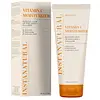
This brightening moisturizer is formulated around Sodium Ascorbyl Phosphate and Niacinamide to brighten dull-looking skin.
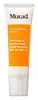
This brightening day moisturizer is formulated around Retinyl Palmitate and Ascorbyl Palmitate to brighten dull-looking skin.

What's inside
What's inside
 Key Ingredients
Benefits
Concerns
Ingredients Side-by-side
Water
Skin ConditioningShea Butter Ethyl Esters
Emollient

Caprylic/Capric Triglyceride
Masking


Glycerin
Humectant
Cetearyl Olivate
Sodium Ascorbyl Phosphate
Antioxidant






Helianthus Annuus Seed Oil
Emollient
Sorbitan Olivate
Emulsifying
Limnanthes Alba Seed Oil
Skin Conditioning
Niacinamide
Smoothing




Cetyl Alcohol
Emollient
Citrus Nobilis Peel Oil
Masking
Aloe Barbadensis Leaf Extract
Emollient
Sodium Hyaluronate
Humectant
Argania Spinosa Kernel Oil
Emollient
Persea Gratissima Oil
Skin Conditioning

Simmondsia Chinensis Seed Oil
Emollient
Rosa Canina Seed Oil
Emollient
Squalane
Emollient
Glucosyl Hesperidin
HumectantRosmarinus Officinalis Leaf Extract
AntimicrobialCentella Asiatica Extract
Cleansing
Hibiscus Rosa-Sinensis Flower Extract
HumectantCitrus Grandis Peel Extract
Astringent
Camellia Sinensis Leaf Extract
Antimicrobial
Chamomilla Recutita Flower Extract
Masking
Hippophae Rhamnoides Fruit Oil
Skin Protecting
Tocopherol
Antioxidant
Panthenol
Skin Conditioning
Xanthan Gum
EmulsifyingCitric Acid
Buffering
Propanediol
Solvent
Phenethyl Alcohol
MaskingPentylene Glycol
Skin Conditioning
Limonene
Perfuming

Linalool
Perfuming
Water, Shea Butter Ethyl Esters, Caprylic/Capric Triglyceride, Glycerin, Cetearyl Olivate, Sodium Ascorbyl Phosphate, Helianthus Annuus Seed Oil, Sorbitan Olivate, Limnanthes Alba Seed Oil, Niacinamide, Cetyl Alcohol, Citrus Nobilis Peel Oil, Aloe Barbadensis Leaf Extract, Sodium Hyaluronate, Argania Spinosa Kernel Oil, Persea Gratissima Oil, Simmondsia Chinensis Seed Oil, Rosa Canina Seed Oil, Squalane, Glucosyl Hesperidin, Rosmarinus Officinalis Leaf Extract, Centella Asiatica Extract, Hibiscus Rosa-Sinensis Flower Extract, Citrus Grandis Peel Extract, Camellia Sinensis Leaf Extract, Chamomilla Recutita Flower Extract, Hippophae Rhamnoides Fruit Oil, Tocopherol, Panthenol, Xanthan Gum, Citric Acid, Propanediol, Phenethyl Alcohol, Pentylene Glycol, Limonene, Linalool
Butyl Methoxydibenzoylmethane 3%
UV Absorber
Homosalate 6.5%
Skin Conditioning
Ethylhexyl Methoxycinnamate 7.5%
UV Absorber
Ethylhexyl Salicylate 5%
UV Absorber
Benzophenone-3 2%
UV Absorber
Water
Skin ConditioningButylene Glycol
Humectant
Stearic Acid
Cleansing
Diisopropyl Sebacate
EmollientCocoglycerides
Emollient
Lauryl Lactate
EmollientGlyceryl Stearate
Emollient
PEG-100 Stearate
Surfactant
Isodecyl Neopentanoate
EmollientDimethicone
Emollient
Cetyl Alcohol
Emollient
Cetyl Phosphate
EmulsifyingUrea
Buffering
Yeast Amino Acids
HumectantTrehalose
Humectant
Inositol
Humectant
Taurine
BufferingBetaine
Humectant
Phospholipids
Skin Conditioning
Retinyl Palmitate
Skin Conditioning
Tocopheryl Acetate
Antioxidant
Ascorbyl Palmitate
Antioxidant
Pelvetia Canaliculata Extract
Skin Protecting
Ectoin
Skin Conditioning
Ginkgo Biloba Leaf Extract
Skin Conditioning
Vitis Vinifera Seed Extract
Antimicrobial
Passiflora Incarnata Extract
AstringentTetrahexyldecyl Ascorbate
Antioxidant
Sodium PCA
Humectant
Panthenol
Skin Conditioning
Tripleurospermum Maritimum Extract
Skin ProtectingZinc Gluconate
Skin Conditioning
Ethyl Linoleate
Emollient
Magnesium Aluminum Silicate
Absorbent
Xanthan Gum
EmulsifyingAminomethyl Propanol
BufferingDisodium EDTA
ChelatingPhenoxyethanol
Preservative
Caprylyl Glycol
Emollient
Chlorphenesin
Antimicrobial
Limonene
Perfuming
Linalool
Perfuming
Parfum
Masking
CI 15985
Cosmetic ColorantCI 17200
Cosmetic ColorantButyl Methoxydibenzoylmethane 3%, Homosalate 6.5%, Ethylhexyl Methoxycinnamate 7.5%, Ethylhexyl Salicylate 5%, Benzophenone-3 2%, Water, Butylene Glycol, Stearic Acid, Diisopropyl Sebacate, Cocoglycerides, Lauryl Lactate, Glyceryl Stearate, PEG-100 Stearate, Isodecyl Neopentanoate, Dimethicone, Cetyl Alcohol, Cetyl Phosphate, Urea, Yeast Amino Acids, Trehalose, Inositol, Taurine, Betaine, Phospholipids, Retinyl Palmitate, Tocopheryl Acetate, Ascorbyl Palmitate, Pelvetia Canaliculata Extract, Ectoin, Ginkgo Biloba Leaf Extract, Vitis Vinifera Seed Extract, Passiflora Incarnata Extract, Tetrahexyldecyl Ascorbate, Sodium PCA, Panthenol, Tripleurospermum Maritimum Extract, Zinc Gluconate, Ethyl Linoleate, Magnesium Aluminum Silicate, Xanthan Gum, Aminomethyl Propanol, Disodium EDTA, Phenoxyethanol, Caprylyl Glycol, Chlorphenesin, Limonene, Linalool, Parfum, CI 15985, CI 17200
Ingredients Explained
These ingredients are found in both products.
Ingredients higher up in an ingredient list are typically present in a larger amount.
Cetyl Alcohol is a fatty alcohol. Fatty Alcohols are most often used as an emollient or to thicken a product.
Its main roles are:
Though it has "alcohol" in the name, it is not related to denatured alcohol or ethyl alcohol.
The FDA allows products labeled "alcohol-free" to have fatty alcohols.
This ingredient may not be fungal acne safe. It is a primary fatty alcohol with a chain length above 12 carbons. A study from 2019 show Malassezia can feed on fatty alcohols in this range, so it may trigger fungal acne in those prone to it.
Learn more about Cetyl AlcoholLimonene is the compound that gives citrus peel its smell.
In skincare, it shows up as a standalone fragrance ingredient or as a natural compound of citrus and other essential oils.
You'll typically see this ingredient used in very small amounts; anything above 0.001% in a leave-on product or 0.01% in a rinse-off has to be named on the label in the EU. The citrus oils that carry it sit around 0.5-1% in a finished formula.
Fresh limonene is a weak allergen; the real issue is that it slowly reacts with air and then breaks down from oxidation to create hydroperoxides (which are strong sensitizers). This is why suppliers are required to keep the peroxide value below 20 mmol.
Positive reactions in people being investigated for eczema vary:
It's worth skipping if you have a known fragrance allergy or a compromised barrier, but the risk is low for most people.
Older or long-opened products are also more likely to bother you than fresh ones due to oxidation.
Learn more about LimoneneLinalool is a small, naturally occurring scent molecule found in plants like lavender, coriander, bergamot, and more.
It is one of the two most-used fragrance ingredients in cosmetics and added purely for smell. Since it's not used for a skin benefit, there's no "effective dose". Concentration depends on the fragrance load of the product.
The EU requires it to be named on the label above 0.001% in leave-on and 0.01% in rinse-off products.
Fresh linalool is a weak sensitizer but air exposure turns some of it into hydroperoxides, which are strong sensitizers. Those oxidation products are the actual allergy concern.
Patch-test clinics see positive reactions to linalool hydroperoxides in about 4% to 12% of dermatitis patients depending on country and test concentration.
Resassuringly, one analytical study found hydroperoxide levels in real fragranced products to be orders of magnitude below what induced sensitization in animal studies with no evidence of oxidation building up during normal storage.
The practical takeaway is that linalool is fine for most people but worth avoiding if you have a confirmed fragrance contact allergy or a badly compromised barrier.
Products stored a long time after opening are also the high-risk scenario since that is when oxidation happens.
The scent of linalool is described as floral, spicy tropical, and citrus-like.
Learn more about LinaloolPanthenol is a common ingredient that helps hydrate and soothe the skin. It is found naturally in our skin and hair.
There are two forms of panthenol: D and L.
D-panthenol is also known as dexpanthenol. Most cosmetics use dexpanthenol or a mixture of D and L-panthenol.
Panthenol is famous due to its ability to go deeper into the skin's layers. Using this ingredient has numerous pros (and no cons):
Like hyaluronic acid, panthenol is a humectant. Humectants are able to bind and hold large amounts of water to keep skin hydrated.
This ingredient works well for wound healing. It works by increasing tissue in the wound and helps close open wounds.
Once oxidized, panthenol converts to pantothenic acid. Panthothenic acid is found in all living cells.
This ingredient is also referred to as pro-vitamin B5.
Learn more about PanthenolWater. It's the most common cosmetic ingredient of all. You'll usually see it at the top of ingredient lists, meaning that it makes up the largest part of the product.
So why is it so popular? Water most often acts as a solvent - this means that it helps dissolve other ingredients into the formulation.
You'll also recognize water as that liquid we all need to stay alive. If you see this, drink a glass of water. Remember to stay hydrated!
Learn more about WaterXanthan gum is used as a stabilizer and thickener within cosmetic products. It helps give products a sticky, thick feeling - preventing them from being too runny.
On the technical side of things, xanthan gum is a polysaccharide - a combination consisting of multiple sugar molecules bonded together.
Xanthan gum is a pretty common and great ingredient. It is a natural, non-toxic, non-irritating ingredient that is also commonly used in food products.
Learn more about Xanthan Gum

