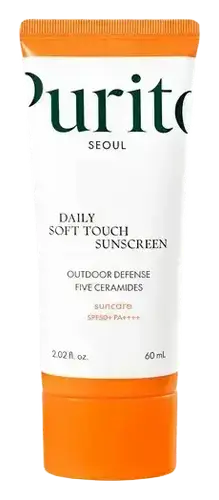
innisfree Green Tea Hyaluronic Moist Sun Serum SPF 50+ Versus Suntique I'm Pure Cica Suncream SPF 50 PA ++++
This chemical sunscreen covers the full UV range and blocks ~98% of UVB at SPF 50.
This mineral sunscreen covers the full UV range and blocks ~98% of UVB at SPF 50.

What's inside
What's inside
 Key Ingredients
Benefits
Concerns
Ingredients Side-by-side
Water
Skin ConditioningDiethylhexyl Succinate
EmollientPropanediol
Solvent

Terephthalylidene Dicamphor Sulfonic Acid
UV Absorber
Caprylyl Methicone
Skin Conditioning
Ethylhexyl Triazone
UV Absorber
Niacinamide
Smoothing










Behenyl Alcohol
Emollient
Diethylamino Hydroxybenzoyl Hexyl Benzoate
UV Filter
Tromethamine
Buffering1,2-Hexanediol
Skin Conditioning
Polysilicone-15
UV Filter
Sodium Polyacryloyldimethyl Taurate
Emulsion StabilisingPhenyl Trimethicone
Skin Conditioning
Bis-Ethylhexyloxyphenol Methoxyphenyl Triazine
Skin Conditioning
C14-22 Alcohols
Emulsion Stabilising
C30-45 Alkyl Cetearyl Dimethicone Crosspolymer
Emollient
Polyacrylate Crosspolymer-6
Emulsion StabilisingHyaluronic Acid
Humectant
Ethylhexylglycerin
Skin ConditioningPanthenol
Skin Conditioning
C12-20 Alkyl Glucoside
EmulsifyingAllantoin
Skin Conditioning
Caprylyl Glycol
Emollient
Glyceryl Caprylate
EmollientButylene Glycol
Humectant
Adenosine
Skin Conditioning
Glycerin
Humectant
Sodium Hyaluronate
Humectant
Sodium Metaphosphate
BufferingMadecassoside
Antioxidant
Glyceryl Oleate
Emollient



Tocopherol
Antioxidant
Lecithin
Emollient
Lauryl Glucoside
CleansingPolyglyceryl-6 Laurate
Emulsifying
Myristyl Glucoside
CleansingHydrolyzed Hyaluronic Acid
Humectant
Camellia Sinensis Leaf Extract
Antimicrobial
Sodium Hyaluronate Crosspolymer
Humectant
Xanthan Gum
EmulsifyingSodium Acetylated Hyaluronate
Humectant
Water, Diethylhexyl Succinate, Propanediol, Terephthalylidene Dicamphor Sulfonic Acid, Caprylyl Methicone, Ethylhexyl Triazone, Niacinamide, Behenyl Alcohol, Diethylamino Hydroxybenzoyl Hexyl Benzoate, Tromethamine, 1,2-Hexanediol, Polysilicone-15, Sodium Polyacryloyldimethyl Taurate, Phenyl Trimethicone, Bis-Ethylhexyloxyphenol Methoxyphenyl Triazine, C14-22 Alcohols, C30-45 Alkyl Cetearyl Dimethicone Crosspolymer, Polyacrylate Crosspolymer-6, Hyaluronic Acid, Ethylhexylglycerin, Panthenol, C12-20 Alkyl Glucoside, Allantoin, Caprylyl Glycol, Glyceryl Caprylate, Butylene Glycol, Adenosine, Glycerin, Sodium Hyaluronate, Sodium Metaphosphate, Madecassoside, Glyceryl Oleate, Tocopherol, Lecithin, Lauryl Glucoside, Polyglyceryl-6 Laurate, Myristyl Glucoside, Hydrolyzed Hyaluronic Acid, Camellia Sinensis Leaf Extract, Sodium Hyaluronate Crosspolymer, Xanthan Gum, Sodium Acetylated Hyaluronate
Water
Skin ConditioningCyclopentasiloxane
Emollient
Zinc Oxide
Cosmetic Colorant
CI 77891
Cosmetic ColorantPropanediol
Solvent
Polyglyceryl-3 Polydimethylsiloxyethyl Dimethicone
Skin Conditioning
Dibutyl Adipate
EmollientCaprylyl Methicone
Skin Conditioning
1,2-Hexanediol
Skin Conditioning
Disteardimonium Hectorite
StabilisingMagnesium Sulfate
Hydrogen Dimethicone
Aluminum Hydroxide
EmollientC30-45 Alkyl Cetearyl Dimethicone Crosspolymer
Emollient
Polyglyceryl-2 Dipolyhydroxystearate
Skin Conditioning
Styrene/Acrylates Copolymer
Stearic Acid
Cleansing
Helianthus Annuus Seed Oil
Emollient
Pentylene Glycol
Skin Conditioning
Butylene Glycol
Humectant
Ethylhexylglycerin
Skin ConditioningOctyldodecanol
Emollient
Centella Asiatica Extract
Cleansing
Galactomyces Ferment Filtrate
Humectant
Anthemis Nobilis Flower Oil
Masking

Echium Plantagineum Seed Oil
Skin Conditioning
Salvia Hispanica Seed Extract
Emollient
Houttuynia Cordata Extract
Skin Conditioning
Fructooligosaccharides
Humectant
Saccharide Hydrolysate
HumectantPullulan
Cardiospermum Halicacabum Flower/Leaf/Vine Extract
Skin ConditioningHelianthus Annuus Seed Oil Unsaponifiables
Emollient
Madecassoside
Antioxidant
Dicaprylyl Carbonate
EmollientSorbitan Sesquioleate
Emulsifying

Cyclomethicone
Emollient
Undecane
EmollientTridecane
Perfuming
Tocopherol
Antioxidant
Dimethicone Crosspolymer
Emulsion Stabilising
Phenyl Trimethicone
Skin Conditioning
Water, Cyclopentasiloxane, Zinc Oxide, CI 77891, Propanediol, Polyglyceryl-3 Polydimethylsiloxyethyl Dimethicone, Dibutyl Adipate, Caprylyl Methicone, 1,2-Hexanediol, Disteardimonium Hectorite, Magnesium Sulfate, Hydrogen Dimethicone, Aluminum Hydroxide, C30-45 Alkyl Cetearyl Dimethicone Crosspolymer, Polyglyceryl-2 Dipolyhydroxystearate, Styrene/Acrylates Copolymer, Stearic Acid, Helianthus Annuus Seed Oil, Pentylene Glycol, Butylene Glycol, Ethylhexylglycerin, Octyldodecanol, Centella Asiatica Extract, Galactomyces Ferment Filtrate, Anthemis Nobilis Flower Oil, Echium Plantagineum Seed Oil, Salvia Hispanica Seed Extract, Houttuynia Cordata Extract, Fructooligosaccharides, Saccharide Hydrolysate, Pullulan, Cardiospermum Halicacabum Flower/Leaf/Vine Extract, Helianthus Annuus Seed Oil Unsaponifiables, Madecassoside, Dicaprylyl Carbonate, Sorbitan Sesquioleate, Cyclomethicone, Undecane, Tridecane, Tocopherol, Dimethicone Crosspolymer, Phenyl Trimethicone
Reviews
Ingredients Explained
These ingredients are found in both products.
Ingredients higher up in an ingredient list are typically present in a larger amount.
1,2-Hexanediol is a synthetic liquid and another multi-functional powerhouse.
It is a:
- Humectant, drawing moisture into the skin
- Emollient, helping to soften skin
- Solvent, dispersing and stabilizing formulas
- Preservative booster, enhancing the antimicrobial activity of other preservatives
Butylene Glycol (or BG) is used within cosmetic products for a few different reasons:
Overall, Butylene Glycol is a safe and well-rounded ingredient that works well with other ingredients.
Though this ingredient works well with most skin types, some people with sensitive skin may experience a reaction such as allergic rashes, closed comedones, or itchiness.
Learn more about Butylene GlycolC30-45 Alkyl Cetearyl Dimethicone Crosspolymer is a type of silicone.
Caprylyl Methicone is a synthetic and lightweight silicone fluid. It gives products a silky, dry-touch finish without the heaviness of pure oils.
Though the EU CosIng Database lists this ingredient as a skin conditioner, it is also used for sensory reasons. It spreads easily, cuts greasiness, and reduces tackiness.
This ingredient is volatile which means it will mostly evaporate (but it evaporates slower than older cyclomethicones, like Cyclotetrasiloxane).
Typical concentration ranges from 1-30% depending on if it's being used to tweak the feel of a product or acting as the main emollient.
Learn more about Caprylyl MethiconeEthylhexylglycerin is created from glycerin. It is a multitasker ingredient that:
The CIR Expert Panel found minimal skin absorption or sensitization of any kind in a safety assessment. Though this ingredient is considered well-tolerated, a small number of cases of allergic dermatitis have been published since 2002. Just be sure to patch test if you are unsure.
Industry-reported use ranges from 8% in rinse-off products and 2% in leave-on formulations.
Learn more about EthylhexylglycerinMadecassoside is one of four active compounds found in Centella asiatica and is one of the main reasons Centella is so effective at calming irritated skin and supporting the moisture barrier.
There's a solid body of peer-reviewed research backing Madecassoside for several skin benefits. Studies have found:
Madecassoside pairs well with other hydrating or antioxidant ingredients like Ascorbic Acid or Hyaluronic Acid.
Learn more about MadecassosidePhenyl Trimethicone is a silicon-based polymer. It is derived from silica.
Phenyl Trimethicone is used as an emollient and prevents products from foaming.
As an emollient, it helps trap moisture in the skin. It is considered an occlusive.
Learn more about Phenyl TrimethiconePropanediol is an all-star ingredient. It softens, hydrates, and smooths the skin.
It’s often used to:
Propanediol is not likely to cause sensitivity and considered safe to use. It is derived from corn or petroleum with a clear color and no scent.
Learn more about PropanediolTocopherol is a fat-soluble antioxidant known as Vitamin E.
You'll find this ingredient in the vast majority of skincare (for good reason). It works to neutralize free radicals, or unstable molecules generated by UV exposure, pollution, and other environmental stressors, before they can cause oxidative damage to your skin cells.
Topically applied tocopherol has been shown to protect against UV damage by ramping up the skin's own natural defense enzymes.
It also acts as a skin conditioning agent; some studies show that regular topical use can improve the skin's water-binding capacity over 2-4 weeks.
This ingredient is especially loved for being a team player. When combined with Vitamin C, the photoprotective effect of both ingredients roughly doubles and the combo also helps reduce UV-induced DNA damage.
This ingredient has some brightening potential but it's more of a prevention ingredient than spot-fader. Cell studies show it can slow down melanin production but it's worth noting that it's not the most powerful brightener out there.
In formulations, it also serves as a stabilizer that helps protect other oxidation-prone ingredients from degrading.
Concentrations usually range from 0.1-1% in most leave-on products.
Learn more about TocopherolWater. It's the most common cosmetic ingredient of all. You'll usually see it at the top of ingredient lists, meaning that it makes up the largest part of the product.
So why is it so popular? Water most often acts as a solvent - this means that it helps dissolve other ingredients into the formulation.
You'll also recognize water as that liquid we all need to stay alive. If you see this, drink a glass of water. Remember to stay hydrated!
Learn more about Water