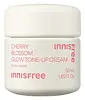
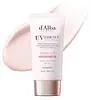
innisfree Cherry Blossom Glow Tone-Up Cream Versus D'Alba UV Essence Waterfull Tone-Up Pink Correcting Sunscreen SPF 50+
This brightening day moisturizer is formulated around Niacinamide to brighten dull-looking skin.
This hybrid sunscreen covers the full UV range and blocks ~98% of UVB at SPF 50.

What's inside
What's inside
 Key Ingredients
Benefits
Concerns
Ingredients Side-by-side
Water
Skin ConditioningDimethicone
Emollient

Propanediol
Solvent

Glycerin
Humectant
Dicaprylyl Carbonate
EmollientCI 77891
Cosmetic ColorantPolysorbate 80
Emulsifying

Niacinamide
Smoothing









1,2-Hexanediol
Skin Conditioning
Betaine
Humectant
Diisostearyl Malate
EmollientTrisiloxane
Skin Conditioning
Ammonium Acryloyldimethyltaurate/Vp Copolymer
Parfum
Masking



Polyacrylate-13
Hydroxyethyl Acrylate/Sodium Acryloyldimethyl Taurate Copolymer
Emulsion StabilisingDimethicone/Vinyl Dimethicone Crosspolymer
Skin Conditioning
Synthetic Fluorphlogopite
Polyisobutene
Glyceryl Caprylate
EmollientAluminum Hydroxide
EmollientEthylhexylglycerin
Skin ConditioningTriethoxycaprylylsilane
Sorbitan Isostearate
Emulsifying
Polysorbate 20
Emulsifying
Disodium EDTA
ChelatingPolysorbate 60
Emulsifying
Prunus Yedoensis Leaf Extract
Skin ConditioningCI 77491
Cosmetic ColorantTin Oxide
Abrasive
Geraniol
Perfuming
Limonene
Perfuming
Tocopherol
Antioxidant

Silica
Abrasive
Glycine Soja Oil
Emollient


Water, Dimethicone, Propanediol, Glycerin, Dicaprylyl Carbonate, CI 77891, Polysorbate 80, Niacinamide, 1,2-Hexanediol, Betaine, Diisostearyl Malate, Trisiloxane, Ammonium Acryloyldimethyltaurate/Vp Copolymer, Parfum, Polyacrylate-13, Hydroxyethyl Acrylate/Sodium Acryloyldimethyl Taurate Copolymer, Dimethicone/Vinyl Dimethicone Crosspolymer, Synthetic Fluorphlogopite, Polyisobutene, Glyceryl Caprylate, Aluminum Hydroxide, Ethylhexylglycerin, Triethoxycaprylylsilane, Sorbitan Isostearate, Polysorbate 20, Disodium EDTA, Polysorbate 60, Prunus Yedoensis Leaf Extract, CI 77491, Tin Oxide, Geraniol, Limonene, Tocopherol, Silica, Glycine Soja Oil
Water
Skin ConditioningDibutyl Adipate
EmollientPropanediol
Solvent
Titanium Dioxide
Cosmetic Colorant

Caprylic/Capric Triglyceride
Masking
C12-15 Alkyl Benzoate
AntimicrobialDiethylamino Hydroxybenzoyl Hexyl Benzoate
UV Filter
Caprylyl Methicone
Skin Conditioning
Ethylhexyl Triazone
UV Absorber
Niacinamide
Smoothing
Glycerin
Humectant
Diethylhexyl Butamido Triazone
UV Absorber
1,2-Hexanediol
Skin Conditioning
Pentylene Glycol
Skin Conditioning
Portulaca Oleracea Extract
Skin Conditioning
Epilobium Angustifolium Flower/Leaf/Stem Extract
Skin ConditioningRhododendron Ferrugineum Flower Extract
Skin ConditioningCentella Asiatica Extract
Cleansing
Prunus Persica Flower Extract
MoisturisingPrunus Persica Fruit Extract
Abrasive
Prunus Serrulata Flower Extract
Skin ConditioningAloe Barbadensis Leaf Extract
Emollient
Houttuynia Cordata Extract
Skin Conditioning
Tuber Magnatum Extract
Skin ConditioningCitrus Aurantium Dulcis Oil
Masking
Citrus Nobilis Peel Oil
Masking
Sodium Hyaluronate
Humectant
Litsea Cubeba Fruit Oil
Masking
Rosa Damascena Flower Water
Masking
Betula Platyphylla Japonica Juice
Skin Conditioning
Panthenol
Skin Conditioning
Polyhydroxystearic Acid
Emulsifying
Dimethicone/Vinyl Dimethicone Crosspolymer
Skin Conditioning
Vp/Eicosene Copolymer
Dimethiconol
Emollient
Trisiloxane
Skin Conditioning
Caprylyl Caprylate/Caprate
Emollient
Stearic Acid
Cleansing
Sodium Polyacryloyldimethyl Taurate
Emulsion StabilisingAmmonium Polyacryloyldimethyl Taurate
Emulsion StabilisingAlumina
Abrasive
Hydroxypropyl Methylcellulose Stearoxy Ether
Dicaprylyl Carbonate
EmollientXanthan Gum
EmulsifyingEthylhexylglycerin
Skin ConditioningAdenosine
Skin Conditioning
Sodium Polyacrylate
Absorbent
Trimethoxycaprylylsilane
SmoothingT-Butyl Alcohol
Perfuming

Pvm/Ma Copolymer
Emulsion StabilisingPolyether-1
Hydrolyzed Hyaluronic Acid
Humectant
Allantoin
Skin Conditioning
Butylene Glycol
Humectant
Tocopherol
Antioxidant
Disodium Phosphate
BufferingCitric Acid
Buffering
Caprylyl Glycol
Emollient
CI 77492
Cosmetic ColorantCI 77491
Cosmetic ColorantLimonene
Perfuming
Citral
Perfuming
Water, Dibutyl Adipate, Propanediol, Titanium Dioxide, Caprylic/Capric Triglyceride, C12-15 Alkyl Benzoate, Diethylamino Hydroxybenzoyl Hexyl Benzoate, Caprylyl Methicone, Ethylhexyl Triazone, Niacinamide, Glycerin, Diethylhexyl Butamido Triazone, 1,2-Hexanediol, Pentylene Glycol, Portulaca Oleracea Extract, Epilobium Angustifolium Flower/Leaf/Stem Extract, Rhododendron Ferrugineum Flower Extract, Centella Asiatica Extract, Prunus Persica Flower Extract, Prunus Persica Fruit Extract, Prunus Serrulata Flower Extract, Aloe Barbadensis Leaf Extract, Houttuynia Cordata Extract, Tuber Magnatum Extract, Citrus Aurantium Dulcis Oil, Citrus Nobilis Peel Oil, Sodium Hyaluronate, Litsea Cubeba Fruit Oil, Rosa Damascena Flower Water, Betula Platyphylla Japonica Juice, Panthenol, Polyhydroxystearic Acid, Dimethicone/Vinyl Dimethicone Crosspolymer, Vp/Eicosene Copolymer, Dimethiconol, Trisiloxane, Caprylyl Caprylate/Caprate, Stearic Acid, Sodium Polyacryloyldimethyl Taurate, Ammonium Polyacryloyldimethyl Taurate, Alumina, Hydroxypropyl Methylcellulose Stearoxy Ether, Dicaprylyl Carbonate, Xanthan Gum, Ethylhexylglycerin, Adenosine, Sodium Polyacrylate, Trimethoxycaprylylsilane, T-Butyl Alcohol, Pvm/Ma Copolymer, Polyether-1, Hydrolyzed Hyaluronic Acid, Allantoin, Butylene Glycol, Tocopherol, Disodium Phosphate, Citric Acid, Caprylyl Glycol, CI 77492, CI 77491, Limonene, Citral
Reviews
Ingredients Explained
These ingredients are found in both products.
Ingredients higher up in an ingredient list are typically present in a larger amount.
1,2-Hexanediol is a synthetic liquid and another multi-functional powerhouse.
It is a:
- Humectant, drawing moisture into the skin
- Emollient, helping to soften skin
- Solvent, dispersing and stabilizing formulas
- Preservative booster, enhancing the antimicrobial activity of other preservatives
Ci 77491 is also hydrated iron III oxide. It's sole purpose is to give a red/pink hue to products.
Iron III oxides are classified as inorganic chemicals for coloring.
Synthetically created Ci 77491 is considered safer than those naturally found. This is because the synthetically created version may contain less impurities. Iron oxides are generally non-toxic and non-allergenic.
Learn more about CI 77491Dicaprylyl Carbonate comes from carbonic acid and caprylyl alcohol, a fatty alcohol. It is an emollient and gives skin a velvet feel. The sources of Dicaprylyl Carbonate may be synthetic or from animals.
As an emollient, Dicaprylyl Carbonate creates a film on the skin. This film traps moisture in, keeping your skin soft and hydrated.
This ingredient is a silicone elastomer that works as a texture enhancer, adds a silky slip, and also helps absorb excess oil.
Because it's a large macromolecule that's insoluble in water and chemically inert, it's not expected to penetrate or be absorbed into skin.
Human patch tests with a facial lotion containing 1% of this ingredient found no sensitization.
Learn more about Dimethicone/Vinyl Dimethicone CrosspolymerEthylhexylglycerin is created from glycerin. It is a multitasker ingredient that:
The CIR Expert Panel found minimal skin absorption or sensitization of any kind in a safety assessment. Though this ingredient is considered well-tolerated, a small number of cases of allergic dermatitis have been published since 2002. Just be sure to patch test if you are unsure.
Industry-reported use ranges from 8% in rinse-off products and 2% in leave-on formulations.
Learn more about EthylhexylglycerinGlycerin (or glycerol) is a compound naturally found in your skin. It's a powerhouse humectant that pulls water into the stratum corneum.
Topically, glycerin does several things at once:
Your skin makes glycerin on its own (mostly from sebaceous oil breakdown) and shuttles it to your outermost layer of skin, or your epidermis, via aquaporin-3.
Aquaporin-3 is a transporter that is essential for normal skin hydration, elasticity, and repair. Interestingly, mice lacking in AQP3 have dry and less elastic skin that can be fully corrected with glycerin.
This ingredient is non-irritating, plays well with almost every ingredient, and works across all skin types. Typical use is anywhere between 3-10% but can go up to 79% in some leave-on products.
Just know very high concentrations (>40%) can feel tacky in low humidity.
Glycerin is the name for this ingredient in American English. British English uses Glycerol/Glycerine.
Learn more about GlycerinLimonene is the compound that gives citrus peel its smell.
In skincare, it shows up as a standalone fragrance ingredient or as a natural compound of citrus and other essential oils.
You'll typically see this ingredient used in very small amounts; anything above 0.001% in a leave-on product or 0.01% in a rinse-off has to be named on the label in the EU. The citrus oils that carry it sit around 0.5-1% in a finished formula.
Fresh limonene is a weak allergen; the real issue is that it slowly reacts with air and then breaks down from oxidation to create hydroperoxides (which are strong sensitizers). This is why suppliers are required to keep the peroxide value below 20 mmol.
Positive reactions in people being investigated for eczema vary:
It's worth skipping if you have a known fragrance allergy or a compromised barrier, but the risk is low for most people.
Older or long-opened products are also more likely to bother you than fresh ones due to oxidation.
Learn more about LimoneneNiacinamide is a multitasking form of vitamin B3 that strengthens the skin barrier, reduces pores and dark spots, regulates oil, and improves signs of aging.
And the best part? It's gentle and well-tolerated by most skin types, including sensitive and reactive skin.
You might have heard of "niacin flush", or the reddening of skin that causes itchiness. Niacinamide has not been found to cause this.
In very rare cases, some individuals may not be able to tolerate niacinamide at all or experience an allergic reaction to it.
If you are experiencing flaking, irritation, and dryness with this ingredient, be sure to double check all your products as this ingredient can be found in all categories of skincare.
When incorporating niacinamide into your routine, look out for concentration amounts. Typically, 5% niacinamide provides benefits such as fading dark spots. However, if you have sensitive skin, it is better to begin with a smaller concentration.
When you apply niacinamide to your skin, your body converts it into nicotinamide adenine dinucleotide (NAD). NAD is an essential coenzyme that is already found in your cells as "fuel" and powers countless biological processes.
In your skin, NAD helps repair cell damage, produce new healthy cells, support collagen production, strengthen the skin barrier, and fight environmental stressors (like UV and pollution).
Our natural NAD levels start to decline with age, leading to slower skin repair, visible aging, and a weaker skin barrier. By providing your skin niacinamide, you're recharging your skin's NAD levels. This leads to stronger, healthier, and younger looking skin.
Another name for vitamin B3 is nicotinamide. This vitamin is water-soluble and our bodies don't store it. We obtain Vitamin B3 from either food or skincare. Meat, fish, wheat, yeast, and leafy greens contain vitamin B3.
The type of niacinamide used in skincare is synthetically created.
Learn more about NiacinamidePropanediol is an all-star ingredient. It softens, hydrates, and smooths the skin.
It’s often used to:
Propanediol is not likely to cause sensitivity and considered safe to use. It is derived from corn or petroleum with a clear color and no scent.
Learn more about PropanediolTocopherol is a fat-soluble antioxidant known as Vitamin E.
You'll find this ingredient in the vast majority of skincare (for good reason). It works to neutralize free radicals, or unstable molecules generated by UV exposure, pollution, and other environmental stressors, before they can cause oxidative damage to your skin cells.
Topically applied tocopherol has been shown to protect against UV damage by ramping up the skin's own natural defense enzymes.
It also acts as a skin conditioning agent; some studies show that regular topical use can improve the skin's water-binding capacity over 2-4 weeks.
This ingredient is especially loved for being a team player. When combined with Vitamin C, the photoprotective effect of both ingredients roughly doubles and the combo also helps reduce UV-induced DNA damage.
This ingredient has some brightening potential but it's more of a prevention ingredient than spot-fader. Cell studies show it can slow down melanin production but it's worth noting that it's not the most powerful brightener out there.
In formulations, it also serves as a stabilizer that helps protect other oxidation-prone ingredients from degrading.
Concentrations usually range from 0.1-1% in most leave-on products.
Learn more about TocopherolTrisiloxane is a type of silicone.
Water. It's the most common cosmetic ingredient of all. You'll usually see it at the top of ingredient lists, meaning that it makes up the largest part of the product.
So why is it so popular? Water most often acts as a solvent - this means that it helps dissolve other ingredients into the formulation.
You'll also recognize water as that liquid we all need to stay alive. If you see this, drink a glass of water. Remember to stay hydrated!
Learn more about Water

