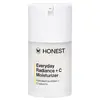
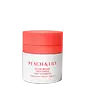
Honest Beauty Everyday Radiance + C Moisturizer Versus Peach & Lily Velvet Biome Smoothing Silky Ointment
This brightening moisturizer is formulated around Niacinamide and Squalane to brighten dull-looking skin and hydrate skin.
This barrier-repair moisturizer is formulated around Bifida Ferment Filtrate and Ectoin to strengthen the skin barrier and hydrate skin.


What's inside
What's inside
 Key Ingredients
Benefits
Concerns
Ingredients Side-by-side
Water
Skin ConditioningGlycerin
Humectant


Coco-Caprylate/Caprate
Emollient
Ethyl Macadamiate
Skin Conditioning

Glyceryl Stearate Se
Emulsifying


Cetearyl Alcohol
Emollient
Niacinamide
Smoothing









Squalane
Emollient
Coconut Alkanes
Emollient
Cetyl Alcohol
Emollient
Glyceryl Stearate Citrate
Emollient
Propanediol
Solvent
Tetrahexyldecyl Ascorbate
Antioxidant

Trisodium Ethylenediamine Disuccinate
ChelatingSodium Acetylated Hyaluronate
Humectant
Sodium Hyaluronate
Humectant
Xanthan Gum
EmulsifyingHectorite
AbsorbentCellulose
Absorbent
Hydroxyacetophenone
Antioxidant
Saccharomyces Ferment Filtrate
Humectant
1,2-Hexanediol
Skin Conditioning
Caprylyl Glycol
Emollient
Tocopherol
Antioxidant
Malic Acid
Buffering


Citric Acid
Buffering
Mica
Cosmetic ColorantWater, Glycerin, Coco-Caprylate/Caprate, Ethyl Macadamiate, Glyceryl Stearate Se, Cetearyl Alcohol, Niacinamide, Squalane, Coconut Alkanes, Cetyl Alcohol, Glyceryl Stearate Citrate, Propanediol, Tetrahexyldecyl Ascorbate, Trisodium Ethylenediamine Disuccinate, Sodium Acetylated Hyaluronate, Sodium Hyaluronate, Xanthan Gum, Hectorite, Cellulose, Hydroxyacetophenone, Saccharomyces Ferment Filtrate, 1,2-Hexanediol, Caprylyl Glycol, Tocopherol, Malic Acid, Citric Acid, Mica
Glycerin
Humectant
Water
Skin ConditioningDipropylene Glycol
HumectantCetearyl Alcohol
Emollient
Coco-Caprylate/Caprate
Emollient
Dicaprylyl Ether
Emollient
1,2-Hexanediol
Skin Conditioning
Dipentaerythrityl Hexahydroxystearate/Hexastearate/Hexarosinate
Skin ConditioningCetearyl Olivate
Cetyl Ethylhexanoate
EmollientBifida Ferment Filtrate
Skin Conditioning
Saccharomyces/Rice Ferment Filtrate
Skin Conditioning
Glycolipids
Skin ConditioningEctoin
Skin Conditioning
Bisabolol
Antioxidant
Ceramide NP
Skin Conditioning
Ceramide AP
Skin Conditioning
Ceramide EOP
Skin Conditioning
Panthenol
Skin Conditioning
Methionine
Skin ConditioningCysteine
Antioxidant
Allantoin
Skin Conditioning
Portulaca Oleracea Extract
Skin Conditioning
Tremella Fuciformis Extract
Humectant
Hydrogenated Phosphatidylcholine
Emulsifying
Phytosphingosine
Skin Conditioning
Cholesterol
Emollient
Tocopherol
Antioxidant
Ferulic Acid
Antimicrobial
Ubiquinone
Antioxidant
Phytosteryl/Octyldodecyl Lauroyl Glutamate
Skin ConditioningMorus Alba Root Extract
BleachingBambusa Vulgaris Extract
Skin Conditioning
Arctium Lappa Root Extract
Skin Conditioning
Scutellaria Baicalensis Root Extract
Astringent
Glucose
Humectant
Cichorium Intybus Root Extract
MaskingAllium Cepa Bulb Extract
Skin Conditioning
Sorbitan Olivate
Emulsifying
Sodium Polyacryloyldimethyl Taurate
Emulsion StabilisingGlyceryl Stearate Se
Emulsifying
Cetearyl Glucoside
Emulsifying
Butylene Glycol
Humectant
Polyglyceryl-10 Stearate
Skin Conditioning
Triethyl Citrate
Masking

Polyglyceryl-6 Behenate
Emulsion Stabilising
Sodium Levulinate
Skin ConditioningBehenic Acid
Cleansing
Glyceryl Stearate
Emollient
Anthemis Nobilis Flower Extract
Masking
Helianthus Tuberosus Root Extract
Skin ConditioningCaprylyl Glycol
Emollient
Sodium Cetearyl Sulfate
Cleansing
Ethylhexylglycerin
Skin ConditioningGlycerin, Water, Dipropylene Glycol, Cetearyl Alcohol, Coco-Caprylate/Caprate, Dicaprylyl Ether, 1,2-Hexanediol, Dipentaerythrityl Hexahydroxystearate/Hexastearate/Hexarosinate, Cetearyl Olivate, Cetyl Ethylhexanoate, Bifida Ferment Filtrate, Saccharomyces/Rice Ferment Filtrate, Glycolipids, Ectoin, Bisabolol, Ceramide NP, Ceramide AP, Ceramide EOP, Panthenol, Methionine, Cysteine, Allantoin, Portulaca Oleracea Extract, Tremella Fuciformis Extract, Hydrogenated Phosphatidylcholine, Phytosphingosine, Cholesterol, Tocopherol, Ferulic Acid, Ubiquinone, Phytosteryl/Octyldodecyl Lauroyl Glutamate, Morus Alba Root Extract, Bambusa Vulgaris Extract, Arctium Lappa Root Extract, Scutellaria Baicalensis Root Extract, Glucose, Cichorium Intybus Root Extract, Allium Cepa Bulb Extract, Sorbitan Olivate, Sodium Polyacryloyldimethyl Taurate, Glyceryl Stearate Se, Cetearyl Glucoside, Butylene Glycol, Polyglyceryl-10 Stearate, Triethyl Citrate, Polyglyceryl-6 Behenate, Sodium Levulinate, Behenic Acid, Glyceryl Stearate, Anthemis Nobilis Flower Extract, Helianthus Tuberosus Root Extract, Caprylyl Glycol, Sodium Cetearyl Sulfate, Ethylhexylglycerin
Reviews
Ingredients Explained
These ingredients are found in both products.
Ingredients higher up in an ingredient list are typically present in a larger amount.
1,2-Hexanediol is a synthetic liquid and another multi-functional powerhouse.
It is a:
- Humectant, drawing moisture into the skin
- Emollient, helping to soften skin
- Solvent, dispersing and stabilizing formulas
- Preservative booster, enhancing the antimicrobial activity of other preservatives
Caprylyl Glycol is a humectant, skin conditioner, emollient, and preservative booster derived from either caprylic acid or synthetically created.
Typical use levels vary from 0.3-1% as a preservative booster and go up to 2% to condition skin.
Because it is not a free-fatty acid, this ingredient is fungal acne safe (there's nothing for Malassezia to feed on).
Learn more about Caprylyl GlycolCetearyl alcohol is a waxy mixture of two fatty alcohols: cetyl alcohol and stearyl alcohol. It is an emollient and emulsifier.
Despite having "alcohol" in its name, it has nothing to do with drying solvent alcohols; the FDA also allows "alcohol-free" products to contain fatty alcohols like this ingredient.
It plays several roles in a formula:
Typical use levels for this ingredient sit around 1-10% and the Cosmetic Ingredient Review Expert Panel has affirmed safety at concentrations up to 25% in leave-on products.
Multiple assessments have found it to be non-irritating and non-sensitizing to most people.
However, there have been some cases of allergic contact dermatitis in patients with chronically compromised skin barriers.
Cetearyl alcohol has a comedogenic rating of 2 and irritancy rating of 1. Both of these numbers come from the 1989 study that used rabbit ears; a "2" means mildly comedogenic and a "1" means low irritancy.
Here's the catch: rabbit skin is more sensitive than human skin and throws a lot of false positives. A 1996 reappraisal found that ingredients rated 1-2 in the rabbit ear tests are generally safe for humans.
Remember comedogenic ratings are unable to assess the entire formula of a product or how it will react on your skin. Just be sure to patch test if you are unsure about certain ingredients.
This ingredient is not fungal acne safe. Cetearyl alcohol is a fatty alcohol with chain lengths that fall within the range that Malassezia can metabolize.
A 2019 study has also observed Malassezia growth in the presence of this ingredient, confirming it to be not-fungal acne safe.
Learn more about Cetearyl AlcoholCoco-Caprylate/Caprate is a lightweight ester created from coconut oil fatty acids, caprylic acid, and capric acid.
It is an emollient that helps soften skin and reduce transepidermal water loss (TEWL). What sets it apart from heavier emollients is its ultralight, non-greasy feel.
Once applied, this ingredient dries down quickly and leaves a dry, silky finish behind. This also helps improve spreadability and texture.
This ingredient has an excellent safety-record and is non-irritating.
Typical concentrations for cosmetics range from 0.5-62%.
Research on Malassezia growth found no growth on fatty acid esters with chain lengths shorter than 12 carbons (it prefers C11-24).
Since Coco-Caprylate/Caprate is built on C8 and C10 fatty acids, it is out of the range that Malassezia metabolizes, and therefore safe for fungal acne.
Learn more about Coco-Caprylate/CaprateGlycerin (or glycerol) is a compound naturally found in your skin. It's a powerhouse humectant that pulls water into the stratum corneum.
Topically, glycerin does several things at once:
Your skin makes glycerin on its own (mostly from sebaceous oil breakdown) and shuttles it to your outermost layer of skin, or your epidermis, via aquaporin-3.
Aquaporin-3 is a transporter that is essential for normal skin hydration, elasticity, and repair. Interestingly, mice lacking in AQP3 have dry and less elastic skin that can be fully corrected with glycerin.
This ingredient is non-irritating, plays well with almost every ingredient, and works across all skin types. Typical use is anywhere between 3-10% but can go up to 79% in some leave-on products.
Just know very high concentrations (>40%) can feel tacky in low humidity.
Glycerin is the name for this ingredient in American English. British English uses Glycerol/Glycerine.
Learn more about GlycerinGlyceryl Stearate SE is a self-emulsifying (SE) form of Glyceryl Stearate. It comes with a small amount of soap (usually potassium or sodium stearate) that gives it the "SE" part.
That soap lets it pull oil and water together on its own which is why it shows up as an emulsifier, thickener, and emollient.
Industry survey data shows this ingredient is used around 1-5% but Glyceryl Stearate goes as high at 17% in a leave-on deodorant.
Safety-wise, it's pretty boring: it's been deemed safe for topical use in 1982 and again most recently in 2021 by the CIR. Human repeat insult patch tests come back non-irritating, non-sensitizing, non-phototoxic, and non-photoallergenic.
This ingredient does carry a comedogenic rating of 3 from the old rabbit-ear assay. Just remember testing finished products in humans showed that formulas built with "comedogenic" ingredients are not necessarily comedogenic themselves. It's worth patch testing if you're breakout prone, and always listen to your skin.
The Malassezia yeast can potentially metabolize the stearic acid in this ingredient, so it may not be fungal acne safe.
Allergy is rare: a 310-patient patch test study of common emulsifiers found this ingredient was not a meaningful reactor. Isolated case reports do exist so a true contact allergy is possible but uncommon.
Learn more about Glyceryl Stearate SeTocopherol is a fat-soluble antioxidant known as Vitamin E.
You'll find this ingredient in the vast majority of skincare (for good reason). It works to neutralize free radicals, or unstable molecules generated by UV exposure, pollution, and other environmental stressors, before they can cause oxidative damage to your skin cells.
Topically applied tocopherol has been shown to protect against UV damage by ramping up the skin's own natural defense enzymes.
It also acts as a skin conditioning agent; some studies show that regular topical use can improve the skin's water-binding capacity over 2-4 weeks.
This ingredient is especially loved for being a team player. When combined with Vitamin C, the photoprotective effect of both ingredients roughly doubles and the combo also helps reduce UV-induced DNA damage.
This ingredient has some brightening potential but it's more of a prevention ingredient than spot-fader. Cell studies show it can slow down melanin production but it's worth noting that it's not the most powerful brightener out there.
In formulations, it also serves as a stabilizer that helps protect other oxidation-prone ingredients from degrading.
Concentrations usually range from 0.1-1% in most leave-on products.
Learn more about TocopherolWater. It's the most common cosmetic ingredient of all. You'll usually see it at the top of ingredient lists, meaning that it makes up the largest part of the product.
So why is it so popular? Water most often acts as a solvent - this means that it helps dissolve other ingredients into the formulation.
You'll also recognize water as that liquid we all need to stay alive. If you see this, drink a glass of water. Remember to stay hydrated!
Learn more about Water

