Holika Holika CeraBarrier Moisture Active Mist Versus Holika Holika CeraBarrier Moisture Active Toner
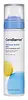
This barrier-repair essence is formulated around Diglycerin and Ceramide NP to strengthen the skin barrier and hydrate skin.
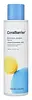
This barrier-repair toner is formulated around Ceramide NP and Ceramide AP to strengthen the skin barrier and hydrate skin.

What's inside
What's inside
 Key Ingredients
Benefits
Concerns
Ingredients Side-by-side
Water
Skin Conditioning2,3-Butanediol
HumectantDiglycerin
Humectant
Methylpropanediol
SolventPentylene Glycol
Skin Conditioning
Glycerin
Humectant
Ceramide NP
Skin Conditioning



Ceramide AP
Skin Conditioning
Ceramide As
Skin Conditioning
Ceramide Ng
Skin Conditioning
Beta-Sitosterol
Emulsion Stabilising
Ceramide EOP
Skin Conditioning
Portulaca Oleracea Extract
Skin Conditioning
Limnanthes Alba Seed Oil
Skin Conditioning


Hydrogenated Lecithin
Emulsifying
Citrus Aurantium Bergamia Fruit Oil
Masking


Betula Platyphylla Japonica Juice
Skin Conditioning
Lavandula Angustifolia Oil
Masking
Chamomilla Recutita Flower Oil
Masking
Citrus Aurantium Dulcis Peel Oil
Masking
Lemongrass Oil
Pelargonium Graveolens Flower Oil
Masking
Simmondsia Chinensis Seed Oil
Emollient
Carthamus Tinctorius Seed Oil
Masking
Octyldodeceth-16
EmulsifyingPolyglyceryl-10 Stearate
Skin Conditioning
Sodium Citrate
BufferingHydroxyacetophenone
Antioxidant
Ethylhexylglycerin
Skin ConditioningCitric Acid
Buffering

Carbon Dioxide
Caprylic/Capric Triglyceride
Masking
Disodium EDTA
ChelatingDipropylene Glycol
Humectant1,2-Hexanediol
Skin Conditioning
Glyceryl Glucoside
Humectant
Sucrose Stearate
EmollientGlycosphingolipids
EmollientLinoleic Acid
Cleansing
Limonene
Perfuming
Citronellol
Perfuming
Water, 2,3-Butanediol, Diglycerin, Methylpropanediol, Pentylene Glycol, Glycerin, Ceramide NP, Ceramide AP, Ceramide As, Ceramide Ng, Beta-Sitosterol, Ceramide EOP, Portulaca Oleracea Extract, Limnanthes Alba Seed Oil, Hydrogenated Lecithin, Citrus Aurantium Bergamia Fruit Oil, Betula Platyphylla Japonica Juice, Lavandula Angustifolia Oil, Chamomilla Recutita Flower Oil, Citrus Aurantium Dulcis Peel Oil, Lemongrass Oil, Pelargonium Graveolens Flower Oil, Simmondsia Chinensis Seed Oil, Carthamus Tinctorius Seed Oil, Octyldodeceth-16, Polyglyceryl-10 Stearate, Sodium Citrate, Hydroxyacetophenone, Ethylhexylglycerin, Citric Acid, Carbon Dioxide, Caprylic/Capric Triglyceride, Disodium EDTA, Dipropylene Glycol, 1,2-Hexanediol, Glyceryl Glucoside, Sucrose Stearate, Glycosphingolipids, Linoleic Acid, Limonene, Citronellol
Water
Skin ConditioningDiglycerin
Humectant
Glycerin
Humectant
Propanediol
Solvent
Polyglycerin-3
Humectant
1,2-Hexanediol
Skin Conditioning
Ceramide NP
Skin Conditioning
Beta-Sitosterol
Emulsion Stabilising
Ceramide AP
Skin Conditioning
Ceramide As
Skin Conditioning
Ceramide Ng
Skin Conditioning
Ceramide EOP
Skin Conditioning
Lactobionic Acid
Buffering




Beta-Glucan
Skin Conditioning
Allantoin
Skin Conditioning
Squalane
Emollient
Simmondsia Chinensis Seed Oil
Emollient
Butyrospermum Parkii Butter
Skin Conditioning

Carthamus Tinctorius Seed Oil
Masking
Linoleic Acid
Cleansing
Dipotassium Glycyrrhizate
Humectant
Glycosphingolipids
EmollientCetearyl Alcohol
Emollient
Polyglyceryl-3 Methylglucose Distearate
Emulsifying
Ammonium Acryloyldimethyltaurate/Vp Copolymer
Dipropylene Glycol
HumectantCetyl Ethylhexanoate
EmollientGlyceryl Acrylate/Acrylic Acid Copolymer
HumectantSucrose Stearate
EmollientCaprylic/Capric Triglyceride
Masking
Pvm/Ma Copolymer
Emulsion StabilisingButylene Glycol
Humectant
Sodium Acrylic Acid/Ma Copolymer
Polyglyceryl-10 Laurate
Skin Conditioning
Hydrogenated Lecithin
Emulsifying
Xanthan Gum
EmulsifyingBehenyl Alcohol
Emollient
Carbomer
Emulsion StabilisingTromethamine
BufferingDisodium EDTA
ChelatingEthylhexylglycerin
Skin ConditioningCaprylyl Glycol
Emollient
Ethylhexyl Palmitate
Emollient
Polyglyceryl-10 Oleate
Skin Conditioning
Citrus Grandis Peel Oil
Masking
Cymbopogon Flexuosus Leaf Oil
Masking
Geranium Maculatum Oil
Masking
Citrus Aurantium Dulcis Peel Oil
Masking
Parfum
Masking
Myristica Fragrans Aril Oil
Perfuming
Chamomilla Recutita Flower Oil
Masking
Lavandula Angustifolia Oil
Masking
Linalool
Perfuming
Citronellol
Perfuming
Limonene
Perfuming
Water, Diglycerin, Glycerin, Propanediol, Polyglycerin-3, 1,2-Hexanediol, Ceramide NP, Beta-Sitosterol, Ceramide AP, Ceramide As, Ceramide Ng, Ceramide EOP, Lactobionic Acid, Beta-Glucan, Allantoin, Squalane, Simmondsia Chinensis Seed Oil, Butyrospermum Parkii Butter, Carthamus Tinctorius Seed Oil, Linoleic Acid, Dipotassium Glycyrrhizate, Glycosphingolipids, Cetearyl Alcohol, Polyglyceryl-3 Methylglucose Distearate, Ammonium Acryloyldimethyltaurate/Vp Copolymer, Dipropylene Glycol, Cetyl Ethylhexanoate, Glyceryl Acrylate/Acrylic Acid Copolymer, Sucrose Stearate, Caprylic/Capric Triglyceride, Pvm/Ma Copolymer, Butylene Glycol, Sodium Acrylic Acid/Ma Copolymer, Polyglyceryl-10 Laurate, Hydrogenated Lecithin, Xanthan Gum, Behenyl Alcohol, Carbomer, Tromethamine, Disodium EDTA, Ethylhexylglycerin, Caprylyl Glycol, Ethylhexyl Palmitate, Polyglyceryl-10 Oleate, Citrus Grandis Peel Oil, Cymbopogon Flexuosus Leaf Oil, Geranium Maculatum Oil, Citrus Aurantium Dulcis Peel Oil, Parfum, Myristica Fragrans Aril Oil, Chamomilla Recutita Flower Oil, Lavandula Angustifolia Oil, Linalool, Citronellol, Limonene
Ingredients Explained
These ingredients are found in both products.
Ingredients higher up in an ingredient list are typically present in a larger amount.
1,2-Hexanediol is a synthetic liquid and another multi-functional powerhouse.
It is a:
- Humectant, drawing moisture into the skin
- Emollient, helping to soften skin
- Solvent, dispersing and stabilizing formulas
- Preservative booster, enhancing the antimicrobial activity of other preservatives
Beta-Sitosterol is a plant-derived fatty acid with a structure similar to cholesterol (which naturally occurs in skin). It helps hydrate the skin and stabilize formulations.
This ingredient can be naturally found in fruits, veggies, nuts, and seeds.
Caprylic/Capric Triglyceride (aka MCT Oil) is a lightweight emollient, solvent, and texture enhancer. It is considered a skin-softener by helping to prevent moisture loss.
Though it behaves like an oil, it is not technically one due to its chemical composition. One perk of this ingredient is that it is very stable, resistant to oxidation, and unlikely to go rancid.
In practice, that translates to a long shelf life and a consistently elegant skin feel.
While there is an assumption Caprylic Triglyceride can clog pores due to it being derived from coconut oil, there is no research supporting this. Just patch test if you have concerns.
Fractionated coconut oil and MCT Oil are both listed as Caprylic/Capric Triglyceride according to INCI. This is because INCI names are based on the ingredient’s final chemical composition and not its marketing name or source.
This ingredient is treated as the gold standard fungal acne safe oil. Even though it is coconut derived, the problematic lauric acid is stripped out.
This leaves just caprylic (C8) and capric (C10) acid. These chain lengths actually trend antifungal; a 2020 study found caprylic acid was enough to disrupt Malassezia furfur cell membrane, with a caprylic acid derivative damaging membrane structures at concentrations as low as 0.2%.
Learn more about Caprylic/Capric TriglycerideCarthamus Tinctorius Seed Oil comes from the seeds of the safflower plant. It is a skin conditioning agent that helps soften skin and keep it hydrated.
This seed oil has an unusual fatty acid profile: it is one of the highest linoleic acid plant oils out there (~55-77%). It also has low amounts of oleic acid, and this high-linoleic/low-oleic ratio gets people excited.
Linoleic acid helps maintain skin barrier integrity and is a building block for the ceramides in your stratum corneum. Notably, people with acne tend to have lower linoleic acid in their skin lipids as well (and this gets worse as acne gets more severe).
Overall, it's a lightweight, fast-absorbing oil that has a long safety track record. Lab testing has found it to be non-irritating for skin or eyes.
The Malassezia yeast can metabolize the fatty acids in this oil to grow; therefore this ingredient may not be fungal acne safe.
Learn more about Carthamus Tinctorius Seed OilCeramide AP is is a skin-identical lipid that mimics what your skin already makes naturally. Ceramides help maintain epidermal integrity and barrier function.
You'll often see this ingredient paired with other ceramides (like ceramide NP), cholesterol, or fatty acids because this combination best mimics the natural lipid mix your skin already has.
The skin's ability to produce ceramides gets disrupted in skin conditions like eczema. This in turn weakens the skin barrier and applying ceramides topically has been shown to replenish what's been lost to restore barrier function.
Most of the studies with Ceramide AP test it as part of a multi-ceramide complex; studies reinforce ceramide AP's role in rebalancing ceramides in skin and improving skin hydration.
Learn more about Ceramide APCeramide AS is formally known as Ceramides 4 and 5.
Ceramides are intercellular lipids naturally found in our skin that bonds dead skin cells together to create a barrier. They are known for their ability to hold water and thus are a great ingredient for dry skin.
Ceramide EOP is formally known as Ceramide 1.
It is naturally found in skin and part of the intercellular "mortar" holding everything together in your outermost layer.
EOP stands for a linked Ester fatty acid, a linked Omega hydroxy fatty acid, and the Phytosphingosine base.
What makes Ceramide EOP special is its ultra-long fatty acid chain; this unique structure allows it to bridge the lipid layers in your skin barrier to prevent water loss (something no other ceramide can do).
Low levels of Ceramide EOP have been found in people with eczema and psoriasis.
Using it together with other ceramides, cholesterol, and linoleic acid have been shown to meaningfully improve hydration and reduce water loss.
In one clinical study, a regimen using Ceramide EOP, NP, and AP led to significant symptom improvements in patients with eczema, psoriasis, and dry skin in just 4 weeks.
You'll usually see concentrations between 0.1-0.5% in formulations. Overall, this is a well-tolerated and safe ingredient for cosmetic use.
Learn more about Ceramide EOPCeramide NG is a type of Ceramide. The NG stands for a sphinganine base.
Ceramides are intercellular lipids naturally found in our skin that bonds dead skin cells together to create a barrier. They are known for their ability to hold water and thus are a great ingredient for dry skin.
Ceramides are an important building block for our skin barrier. A stronger barrier helps the skin look more firm and hydrated. By bolstering the skin ceramides act as a barrier against irritating ingredients. This can help with inflammation as well.
If you would like to eat ceramides, sweet potatoes contain a small amount.
Read more about other common types of ceramides here:
Ceramide AP
Ceramide EOP
Ceramide NP
Ceramide NP (formerly known as Ceramide 3) is one of the skin's naturally occurring lipids.
Since ceramides are the major lipid components of the skin, they are crucial for maintaining skin barrier and hydration. Ceramide NP most closely mirrors the dominant kind in human skin amongst ceramide subtypes.
This ceramide works by slotting into gaps within the stratum corneum's lipid matrix to limit trans-epidermal water loss (TEWL) and shield the skin against external irritants.
A study with 312 patients found that using a ceramide-containing routine for 4 weeks reduced the severity of atopic dermatitis by over 61%.
Another clinical study in subjects aged 60 and older found that a ceramide body wash and moisturizer improved skin dryness and itchy skin in 15 days.
Overall, ceramides are considered non-irritating and safety tests have found little to no observable adverse effects from using this ingredient.
Ceramide NP is usually sourced from plants (like soybean or rice bran), or produced synthetically.
Learn more about Ceramide NPChamomilla Recutita Flower Oil comes from the chamomile flower (like the tea you drink).
Essential oils from chamomile have been found to improve wound healing due to its antimicrobial properties.
Chamomile oil can help soothe and hydrate your skin.
Learn more about Chamomilla Recutita Flower OilCitronellol is used to add fragrance/parfum to a product. It is often derived from plants such as roses. In fact, it can be found in many essential oils including geranium, lavender, neroli, and more. The scent of Citronellol is often described as "fresh, grassy, and citrus-like".
Since the Citronellol molecule is already unstable, Citronellol becomes irritating on the skin when exposed to air.
Citronellol is a modified terpene. Terpenes are unsaturated hydrocarbons found in plants. They make up the primary part of essential oils.
Citronellol is not able to be absorbed into deeper layers of the skin. It has low permeability,
Citronellol is also a natural insect repellent.
Learn more about CitronellolCitrus Aurantium Dulcis Peel Oil is oil from the peel of an orange fruit.
Limonene and linalool make up the majority of oils from citrus peels. Limonene has a "citrus" fragrance. Citrus peels also contain flavonoids, which have anti-inflammatory properties.
Citrus peel is also a rich source of flavonoids. Flavonoids are natural antioxidants and help protect your skin against damage. Flavonoids are a group of compounds naturally found in vegetables and fruits.
The term 'fragrance' is not regulated in many countries. In many cases, it is up to the brand to define this term. For instance, many brands choose to label themselves as "fragrance-free" because they are not using synthetic fragrances. However, their products may still contain ingredients such as essential oils that are considered a fragrance.
Learn more about Citrus Aurantium Dulcis Peel OilDiglycerin is a humectant. It is derived from glycerin, which is naturally found in your skin.
As a humectant, it helps draw moisture to the skin from the air.
Dipropylene Glycol is a synthetically created humectant, stabilizer, and solvent.
This ingredient helps:
Dipropylene glycol is technically an alcohol, but it belongs to the glycol family (often considered part of the ‘good’ alcohols). This means it is hydrating and gentle on skin unlike drying solvent alcohols like denatured alcohol.
As a masking agent, Dipropylene Glycol can be used to cover the smell of other ingredients. However, it does not have a scent.
Studies show Dipropylene Glycol is considered safe to use in skincare.
Learn more about Dipropylene GlycolDisodium EDTA is a chelating agent. It grabs onto and deactivates metal ions that sneak into your products from water, packaging, or air.
This ingredient mainly works behind the scenes and helps with:
On top of that, this ingredient can counteract the effects of hard water by binding to the minerals in it.
One thing worth knowing is that Disodium EDTA has been shown to be a mild penetration enhancer. It can help other ingredients absorb into skin more effectively which can be a double-edged sword (great for actives, but can also make the active too strong if you have sensitive skin).
Clinical patch testing showed no significant skin irritation at typical use concentrations and minimal dermal absorption.
You'll most likely see this ingredient near the end of an ingredient list. It's typically found in concentrations less than 1%.
Learn more about Disodium EDTAEthylhexylglycerin is created from glycerin. It is a multitasker ingredient that:
The CIR Expert Panel found minimal skin absorption or sensitization of any kind in a safety assessment. Though this ingredient is considered well-tolerated, a small number of cases of allergic dermatitis have been published since 2002. Just be sure to patch test if you are unsure.
Industry-reported use ranges from 8% in rinse-off products and 2% in leave-on formulations.
Learn more about EthylhexylglycerinGlycerin (or glycerol) is a compound naturally found in your skin. It's a powerhouse humectant that pulls water into the stratum corneum.
Topically, glycerin does several things at once:
Your skin makes glycerin on its own (mostly from sebaceous oil breakdown) and shuttles it to your outermost layer of skin, or your epidermis, via aquaporin-3.
Aquaporin-3 is a transporter that is essential for normal skin hydration, elasticity, and repair. Interestingly, mice lacking in AQP3 have dry and less elastic skin that can be fully corrected with glycerin.
This ingredient is non-irritating, plays well with almost every ingredient, and works across all skin types. Typical use is anywhere between 3-10% but can go up to 79% in some leave-on products.
Just know very high concentrations (>40%) can feel tacky in low humidity.
Glycerin is the name for this ingredient in American English. British English uses Glycerol/Glycerine.
Learn more about GlycerinGlycosphingolipids are naturally found in the cell membranes of organisms. In animals, they are the major glycolipids found.
Glyolipids help ensure the stability of cell membranes. They also help with cellular recognition, such as allowing cells to form tissues in skin.
Hydrogenated Lecithin is a more stable version of lecithin.
It's made by taking lecithin (a phospholipid commonly found in soybeans and egg yolks) and hydrogenating it. This just means the unsaturated fatty acids are turned into saturated ones so they don't go bad as easily.
This ingredient is an emollient, emulsifier, and penetration enhancer. As an emollient, it helps soften and hydrate skin by trapping moisture within. As an emulsifier, it prevents oil and water ingredients from separating.
Hydrogenated Lecithin can form tiny spherical structures made of phospholipid bilayers called liposomes. These liposomes are able to capture compounds inside their structure and deliver them through the skin barrier.
Because phospholipids are a natural component of our cell membranes, this ingredient is inherently compatible with skin.
A 2021 study found lecithin-based surfactants were less harsh and more tolerable comared to Sodium Lauryl Sulfate (SLS).
Learn more about Hydrogenated LecithinLavandula Angustifolia Oil is more commonly known as lavender essential oil. It is considered a fragrancing ingredient.
Lavender imparts a famous scent. While the smell is lovely, this ingredient and may sensitize skin in topical products. This is because about 85% of the oil is made up of linalool and linalyl acetate.
When exposed to air, these two compounds become strong allergens. This ingredient exhibits cytotoxicity at low concentrations; amounts of 0.25% have been shown to damage skin cells.
A study from Japan found this ingredient caused lavender sensitivity after widespread exposure.
Lavender essential oil has some antimicrobial, antibacterial, and anti-inflammatory properties. However, the cons of this ingredient may outweight the pros.
More research is needed to confirm lavender essential oil's effects when used in aromatherapy.
Lavandula Angustifolia is known as the English Lavender and famous for creating purple fields in Provence, France.
Learn more about Lavandula Angustifolia OilLimonene is the compound that gives citrus peel its smell.
In skincare, it shows up as a standalone fragrance ingredient or as a natural compound of citrus and other essential oils.
You'll typically see this ingredient used in very small amounts; anything above 0.001% in a leave-on product or 0.01% in a rinse-off has to be named on the label in the EU. The citrus oils that carry it sit around 0.5-1% in a finished formula.
Fresh limonene is a weak allergen; the real issue is that it slowly reacts with air and then breaks down from oxidation to create hydroperoxides (which are strong sensitizers). This is why suppliers are required to keep the peroxide value below 20 mmol.
Positive reactions in people being investigated for eczema vary:
It's worth skipping if you have a known fragrance allergy or a compromised barrier, but the risk is low for most people.
Older or long-opened products are also more likely to bother you than fresh ones due to oxidation.
Learn more about LimoneneLinoleic Acid is also known as Vitamin F. It is a fatty acid with emollient and skin conditioning properties.
Our top layer of skin, or epidermis, naturally contains high amounts of linoleic acid.
Your body uses linoleic acid to build ceramides and prostaglandins. Ceramides keep your skin's barrier hydrated and strong while prosaglandins help control inflammation and healing.
Needless to say, linoleic acid is crucial for having a strong skin barrier.
One study found applying linoleic acid rich sunflower oil to be more effective at repairing the skin barrier than olive oil.
This ingredient can also help treat acne by softening sebum to prevent clogged pores. Another study found using 2.5% linoleic acid gel for 4 weeks showed a 25% reduction in small comedones.
Studies show it can also help lighten hyperpigmentation or sun spots by disrupting the melanin production process. It also helps your skin shed melanin pigment from your skin caused by UV exposure.
Due to its role in the production of the fatty acid prostaglandin, linoleic acid can also help reduce inflammation and support wound healing.
Fun fact: Linoleic acid is an essential fatty acid. This means our bodies cannot create it on its own and we need to get it through foods such as nuts and vegetable oils.
Just know this ingredient is not always fungal-acne safe because it is a long-chain fatty acid (with 18 carbon atoms) that directly feeds the Malassezia yeast responsible for fungal acne.
Learn more about Linoleic AcidJojoba oil is one of the most well-studied plant-derived ingredients in cosmetics. It is an emollient with a special structure.
Because it is made up of 97-98% wax esters, it closely mirrors the linear monoesters found in human sebum. This makes it skin compatible, non-greasy, and lightweight.
Unlike other plant oils, jojoba wax doesn't easily penetrate skin. It mostly works in the uppermost layers as an emollient. This just means it forms a light barrier on the skin to help retain moisture.
Formulations with jojoba esters up to 90% reduced transepidermal water loss (TEWL) and increased barrier recovery by 81% (outperforming bisabolol at 47%).
Besides barrier support, the science also suggests jojoba to have anti-inflammatory effects and potential applications for skin infections, aging, and wound healing.
Fun fact: Indigenous cultures have used jojoba as a moisturizer and to help treat burns for centuries.
Fungal acne: The Malassezia yeast is known to metabolize fatty acids in the C11-24 range and jojoba's dominant fatty acid components fall into this range. This ingredient may not be fungal acne safe.
Learn more about Simmondsia Chinensis Seed OilSucrose Stearate is derived from stearic acid and sucrose (sugar). It is an emollient and emulsifier.
As an emulsifier, it prevents oils and water from separating in a product. This property also makes it a surfactant and therefore a cleansing agent.
Water. It's the most common cosmetic ingredient of all. You'll usually see it at the top of ingredient lists, meaning that it makes up the largest part of the product.
So why is it so popular? Water most often acts as a solvent - this means that it helps dissolve other ingredients into the formulation.
You'll also recognize water as that liquid we all need to stay alive. If you see this, drink a glass of water. Remember to stay hydrated!
Learn more about Water

