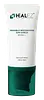
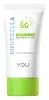
Healez Beauty Invisible Restorative Sun Shield SPF 50 Versus Y.O.U Sunbrella Triple UV Acne Care Sunscreen SPF 50+
This hybrid sunscreen covers the full UV range and blocks ~98% of UVB at SPF 50.
This chemical sunscreen covers the full UV range and blocks ~98% of UVB at SPF 50.


What's inside
What's inside
 Key Ingredients
Benefits
Concerns
Ingredients Side-by-side
Dibutyl Adipate
EmollientTriethylhexanoin
MaskingZinc Oxide
Cosmetic Colorant


Caprylic Acid
CleansingPhenylbenzimidazole Sulfonic Acid
UV Absorber
Glycerin
Humectant


Diethylamino Hydroxybenzoyl Hexyl Benzoate
UV Filter
Diethylhexyl Butamido Triazone
UV Absorber
Methylene Bis-Benzotriazolyl Tetramethylbutylphenol
UV Filter
Triethanolamine
BufferingDisteardimonium Hectorite
StabilisingInositol
Humectant
Tocopheryl Acetate
Antioxidant


Avena Sativa Seed Extract
Skin ConditioningBisabolol
Antioxidant

Propylene Carbonate
SolventCamellia Sinensis Leaf Extract
Antimicrobial

Phenoxyethanol
Preservative
Cellulose
Absorbent
Decyl Glucoside
Cleansing
Propylene Glycol
Humectant

Xanthan Gum
EmulsifyingEthylhexylglycerin
Skin ConditioningDibutyl Adipate, Triethylhexanoin, Zinc Oxide, Caprylic Acid, Phenylbenzimidazole Sulfonic Acid, Glycerin, Diethylamino Hydroxybenzoyl Hexyl Benzoate, Diethylhexyl Butamido Triazone, Methylene Bis-Benzotriazolyl Tetramethylbutylphenol, Triethanolamine, Disteardimonium Hectorite, Inositol, Tocopheryl Acetate, Avena Sativa Seed Extract, Bisabolol, Propylene Carbonate, Camellia Sinensis Leaf Extract, Phenoxyethanol, Cellulose, Decyl Glucoside, Propylene Glycol, Xanthan Gum, Ethylhexylglycerin
Water
Skin ConditioningPropylene Glycol
Humectant
Ethylhexyl Methoxycinnamate
UV Absorber
Propanediol
Solvent
Diethylamino Hydroxybenzoyl Hexyl Benzoate
UV Filter
Dimethicone/Vinyl Dimethicone Crosspolymer
Skin Conditioning
Butylene Glycol
Humectant
Silica
Abrasive
Phenoxyethanol
Preservative
Acrylates/C10-30 Alkyl Acrylate Crosspolymer
Emulsion StabilisingHydroxyacetophenone
Antioxidant
Aminomethyl Propanol
BufferingSorbitan Stearate
Emulsifying
Magnesium Aluminum Silicate
Absorbent
Dihydroxypropyl Arginine Hcl
HumectantHydrogenated Lecithin
Emulsifying
PEG-9 Dimethicone
Skin Conditioning
Cetearyl Methicone
Skin Conditioning
Tridecane
Perfuming

Undecane
EmollientCaprylyl Methicone
Skin Conditioning
Steareth-21
CleansingCaprylyl Glycol
Emollient
Parfum
Masking
Disodium EDTA
ChelatingEthylhexylglycerin
Skin ConditioningSodium Surfactin
CleansingPhytosterols
Skin Conditioning
Sucrose Cocoate
Emulsifying
Sodium Benzoate
Masking
Zinc PCA
Humectant

Butyl Methoxydibenzoylmethane
UV Absorber
Ectoin
Skin Conditioning
Glycerin
Humectant
Glucosylrutin
Antioxidant
Polyester-7
Skin ConditioningPEG-60 Hydrogenated Castor Oil
Emulsifying
Neopentyl Glycol Diheptanoate
EmollientZea Mays Starch
Absorbent
Portulaca Oleracea Extract
Skin Conditioning
Cocamidopropyl Dimethylamine
Emulsifying
Hydrolyzed Corn Starch
HumectantHydrolyzed Corn Starch Octenylsuccinate
AbsorbentIsoquercitrin
Antioxidant
Scutellaria Baicalensis Root Extract
Astringent
O-Cymen-5-Ol
Antimicrobial
Salicylic Acid
Masking

Butyrospermum Parkii Butter
Skin Conditioning

Hamamelis Virginiana Extract
Antiseborrhoeic
Buddleja Officinalis Flower Extract
UV FilterPhenylethyl Resorcinol
Antioxidant
Ceramide NP
Skin Conditioning
1,2-Hexanediol
Skin Conditioning
Lactic Acid
Buffering
10-Hydroxydecanoic Acid
Skin ConditioningXanthan Gum
EmulsifyingHydrated Silica
Abrasive
Palmitoyl Tripeptide-5
Skin Conditioning
Madecassoside
Antioxidant
Asiaticoside
Antioxidant
Ceramide As
Skin Conditioning
Ceramide Ns
Skin Conditioning
Glucose
Humectant
Asiatic Acid
Skin Conditioning
Madecassic Acid
Skin Conditioning
Sodium Hyaluronate
Humectant
Chondrus Crispus Extract
Skin Conditioning
Hydroxypropyltrimonium Hyaluronate
Hydrolyzed Hyaluronic Acid
Humectant
Sodium Acetylated Hyaluronate
Humectant
Hyaluronic Acid
Humectant
Hydrolyzed Sodium Hyaluronate
Skin Conditioning
Sodium Hyaluronate Crosspolymer
Humectant
Potassium Hyaluronate
Skin ConditioningCeramide AP
Skin Conditioning
Ceramide EOP
Skin Conditioning
Water, Propylene Glycol, Ethylhexyl Methoxycinnamate, Propanediol, Diethylamino Hydroxybenzoyl Hexyl Benzoate, Dimethicone/Vinyl Dimethicone Crosspolymer, Butylene Glycol, Silica, Phenoxyethanol, Acrylates/C10-30 Alkyl Acrylate Crosspolymer, Hydroxyacetophenone, Aminomethyl Propanol, Sorbitan Stearate, Magnesium Aluminum Silicate, Dihydroxypropyl Arginine Hcl, Hydrogenated Lecithin, PEG-9 Dimethicone, Cetearyl Methicone, Tridecane, Undecane, Caprylyl Methicone, Steareth-21, Caprylyl Glycol, Parfum, Disodium EDTA, Ethylhexylglycerin, Sodium Surfactin, Phytosterols, Sucrose Cocoate, Sodium Benzoate, Zinc PCA, Butyl Methoxydibenzoylmethane, Ectoin, Glycerin, Glucosylrutin, Polyester-7, PEG-60 Hydrogenated Castor Oil, Neopentyl Glycol Diheptanoate, Zea Mays Starch, Portulaca Oleracea Extract, Cocamidopropyl Dimethylamine, Hydrolyzed Corn Starch, Hydrolyzed Corn Starch Octenylsuccinate, Isoquercitrin, Scutellaria Baicalensis Root Extract, O-Cymen-5-Ol, Salicylic Acid, Butyrospermum Parkii Butter, Hamamelis Virginiana Extract, Buddleja Officinalis Flower Extract, Phenylethyl Resorcinol, Ceramide NP, 1,2-Hexanediol, Lactic Acid, 10-Hydroxydecanoic Acid, Xanthan Gum, Hydrated Silica, Palmitoyl Tripeptide-5, Madecassoside, Asiaticoside, Ceramide As, Ceramide Ns, Glucose, Asiatic Acid, Madecassic Acid, Sodium Hyaluronate, Chondrus Crispus Extract, Hydroxypropyltrimonium Hyaluronate, Hydrolyzed Hyaluronic Acid, Sodium Acetylated Hyaluronate, Hyaluronic Acid, Hydrolyzed Sodium Hyaluronate, Sodium Hyaluronate Crosspolymer, Potassium Hyaluronate, Ceramide AP, Ceramide EOP
Reviews
Ingredients Explained
These ingredients are found in both products.
Ingredients higher up in an ingredient list are typically present in a larger amount.
Diethylamino Hydroxybenzoyl Hexyl Benzoate (DHHB) is a chemical UV-A absorber. It is formulated for high UVA protection (320-400 nm).
DHHB is well-liked for:
DHHB has been approved by the EU, Japan, Taiwan, and South America for use up to 10%. Unfortunately, it has not been approved for use in the US or Canada due to slow regulatory processes.
This ingredient is soluble in oils, fats, and lipids.
Learn more about Diethylamino Hydroxybenzoyl Hexyl BenzoateEthylhexylglycerin is created from glycerin. It is a multitasker ingredient that:
The CIR Expert Panel found minimal skin absorption or sensitization of any kind in a safety assessment. Though this ingredient is considered well-tolerated, a small number of cases of allergic dermatitis have been published since 2002. Just be sure to patch test if you are unsure.
Industry-reported use ranges from 8% in rinse-off products and 2% in leave-on formulations.
Learn more about EthylhexylglycerinGlycerin (or glycerol) is a compound naturally found in your skin. It's a powerhouse humectant that pulls water into the stratum corneum.
Topically, glycerin does several things at once:
Your skin makes glycerin on its own (mostly from sebaceous oil breakdown) and shuttles it to your outermost layer of skin, or your epidermis, via aquaporin-3.
Aquaporin-3 is a transporter that is essential for normal skin hydration, elasticity, and repair. Interestingly, mice lacking in AQP3 have dry and less elastic skin that can be fully corrected with glycerin.
This ingredient is non-irritating, plays well with almost every ingredient, and works across all skin types. Typical use is anywhere between 3-10% but can go up to 79% in some leave-on products.
Just know very high concentrations (>40%) can feel tacky in low humidity.
Glycerin is the name for this ingredient in American English. British English uses Glycerol/Glycerine.
Learn more about GlycerinPhenoxyethanol is one of the most widely used preservatives in skincare (and for good reason!).
It has a large spectrum of antimicrobial activity and especially effective bacteria, yeast, and mold while only having a weak effect on your skin's natural microbiome.
On a cellular level, it disrupts the cell membranes of microbes by poking holes that make the cell leak. This shuts down the chemical reactions the microbe needs to make energy so it can no longer survive.
Another perk of this ingredient is that it stays functional across a wide pH range (3-10).
You'll often see it paired with boosters like Ethylhexylglycerin; one study showed that a 1:9 ratio of Ethylhexylglycerin to Phenoxyethanol damages bacterial membranes as effectively as doubling the Phenoxyethanol concentration on its own.
Typical use concentrations range from 0.3-1% depending on the formula, and this ingredient is capped at 1% int the EU.
Safety-wise, the fear mongering does not hold up to the evidence. The EU's Scientific Committee on Consumer Safety and FDA consider it safe as a preservative at up to 1%, including for children of all ages.
Adverse systemic effects only showed up in animal studies at exposures roughly 200x higher than what people get from cosmetics. And despite its very widespread use, this ingredient is a rare sensitizer and allergic reactions are uncommon.
Learn more about PhenoxyethanolPropylene Glycol is a synthetic, colorless, odorless liquid that has been a staple in cosmetics for decades. It is a skin conditioning agent, humectant, and solvent.
As a humectant, it draw water to the skin to reduce flaking and restore suppleness. It's also a solvent that helps dissolve other actives and keeps formulas stable across temperature changes.
The CIR Expert Panel has confirmed this ingredient to be nontoxic and clinical studies show no sensitization at cosmetic use concentrations.
True allergic reactions are quite rare: a 15-year retrospective study of 6,751 patients found only 0.31% had a positive reaction (and less than half were considered clinically relevant).
It seemed that when sensitization does occur, it's most commonly linked to topical medication (like corticosteroids) and not cosmetics. Allergic contact dermatitis also appears largely limited to individuals with underlying skin conditions.
Overall, propylene glycol is a well-studied ingredient that most people can tolerate without issue.
Learn more about Propylene GlycolXanthan gum is used as a stabilizer and thickener within cosmetic products. It helps give products a sticky, thick feeling - preventing them from being too runny.
On the technical side of things, xanthan gum is a polysaccharide - a combination consisting of multiple sugar molecules bonded together.
Xanthan gum is a pretty common and great ingredient. It is a natural, non-toxic, non-irritating ingredient that is also commonly used in food products.
Learn more about Xanthan Gum

