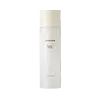
This hydrating toner is formulated around Niacinamide and Oryza Sativa Bran Oil to hydrate skin and strengthen the skin barrier.
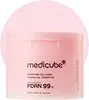
This brightening toner pad uses a pre-saturated pad with Niacinamide and Sodium DNA to brighten dull-looking skin and soften the look of wrinkles.

What's inside
What's inside
 Key Ingredients
Benefits
Concerns
Ingredients Side-by-side
Water
Skin ConditioningTriethylhexanoin
MaskingHydrogenated Poly(C6-14 Olefin)
EmollientMethylpropanediol
Solvent1,2-Hexanediol
Skin Conditioning
Niacinamide
Smoothing











Oryza Sativa Bran Oil
Emollient


Butylene Glycol
Humectant
Oryza Sativa Bran Extract
Skin Conditioning
Ethylhexylglycerin
Skin ConditioningAdenosine
Skin Conditioning
Olea Europaea Fruit Oil
Masking


Pelargonium Graveolens Flower Oil
Masking


Amaranthus Caudatus Seed Extract
Skin Conditioning
Cellulose Gum
Emulsion StabilisingHydrogenated Lecithin
Emulsifying
Polyglyceryl-10 Myristate
Skin Conditioning
Ulmus Davidiana Root Extract
Skin Conditioning
Lavandula Angustifolia Oil
Masking
Caprylyl Glycol
Emollient
Anthemis Nobilis Flower Oil
Masking
Candida Bombicola/Glucose/Methyl Rapeseedate Ferment
AntimicrobialCitrus Aurantium Dulcis Peel Oil
Masking
Juniperus Mexicana Oil
Masking
Oryza Sativa Extract
Absorbent
Hydrolyzed Vegetable Protein
Skin ConditioningMaltodextrin
Absorbent
Phytic Acid
Chelating
Tocopherol
Antioxidant

Water, Triethylhexanoin, Hydrogenated Poly(C6-14 Olefin), Methylpropanediol, 1,2-Hexanediol, Niacinamide, Oryza Sativa Bran Oil, Butylene Glycol, Oryza Sativa Bran Extract, Ethylhexylglycerin, Adenosine, Olea Europaea Fruit Oil, Pelargonium Graveolens Flower Oil, Amaranthus Caudatus Seed Extract, Cellulose Gum, Hydrogenated Lecithin, Polyglyceryl-10 Myristate, Ulmus Davidiana Root Extract, Lavandula Angustifolia Oil, Caprylyl Glycol, Anthemis Nobilis Flower Oil, Candida Bombicola/Glucose/Methyl Rapeseedate Ferment, Citrus Aurantium Dulcis Peel Oil, Juniperus Mexicana Oil, Oryza Sativa Extract, Hydrolyzed Vegetable Protein, Maltodextrin, Phytic Acid, Tocopherol
Water
Skin ConditioningGlycerin
Humectant
Methylpropanediol
SolventNiacinamide
Smoothing
Xylitol
Humectant
Hydroxyacetophenone
Antioxidant
Octyldodeceth-16
EmulsifyingDiglycerin
Humectant
Allantoin
Skin Conditioning
Cellulose Gum
Emulsion StabilisingEthylhexylglycerin
Skin ConditioningHydroxyethylcellulose
Emulsion StabilisingSodium Citrate
BufferingSodium Gluconate
ChelatingDipropylene Glycol
HumectantAdenosine
Skin Conditioning
Butylene Glycol
Humectant
1,2-Hexanediol
Skin Conditioning
Citric Acid
Buffering
Cyanocobalamin
Skin ConditioningAnthemis Nobilis Flower Oil
Masking
Pyrus Communis Fruit Extract
Skin ConditioningRosa Damascena Flower Water
Masking
Prunus Persica Fruit Extract
Abrasive
Thuja Orientalis Extract
AntimicrobialJasminum Officinale Flower Water
MaskingCitrus Aurantium Amara Flower Extract
RefreshingCentella Asiatica Extract
Cleansing
Allium Cepa Bulb Extract
Skin Conditioning
Chamomilla Recutita Extract
Skin Conditioning
Salvia Officinalis Extract
Antimicrobial
Rosmarinus Officinalis Leaf Oil
Masking
Hedera Helix Leaf/Stem Extract
AntimicrobialCucumis Melo Fruit Extract
Skin ConditioningHibiscus Esculentus Fruit Extract
Skin ConditioningCarum Petroselinum Extract
Skin ConditioningCorchorus Olitorius Leaf Extract
Skin ConditioningPolygonum Cuspidatum Root Extract
Antioxidant
Collagen
Moisturising
Artemisia Annua Extract
Masking
Nelumbium Speciosum Flower Extract
Skin ConditioningOryza Sativa Extract
Absorbent
Saccharomyces Ferment
Skin Conditioning
Sodium DNA
Skin Conditioning
Capryloyl Salicylic Acid
Exfoliating
Caprylic/Capric Triglyceride
Masking
Hydrogenated Phosphatidylcholine
Emulsifying
Sucrose Stearate
EmollientPhaseolus Radiatus Seed Extract
Skin ConditioningHydrogenated Lecithin
Emulsifying
Cetearyl Alcohol
Emollient
Retinol
Skin Conditioning
Polyglyceryl-10 Myristate
Skin Conditioning
Tocopheryl Acetate
Antioxidant
Asiaticoside
Antioxidant
Madecassic Acid
Skin Conditioning
Madecassoside
Antioxidant
Asiatic Acid
Skin Conditioning
Water, Glycerin, Methylpropanediol, Niacinamide, Xylitol, Hydroxyacetophenone, Octyldodeceth-16, Diglycerin, Allantoin, Cellulose Gum, Ethylhexylglycerin, Hydroxyethylcellulose, Sodium Citrate, Sodium Gluconate, Dipropylene Glycol, Adenosine, Butylene Glycol, 1,2-Hexanediol, Citric Acid, Cyanocobalamin, Anthemis Nobilis Flower Oil, Pyrus Communis Fruit Extract, Rosa Damascena Flower Water, Prunus Persica Fruit Extract, Thuja Orientalis Extract, Jasminum Officinale Flower Water, Citrus Aurantium Amara Flower Extract, Centella Asiatica Extract, Allium Cepa Bulb Extract, Chamomilla Recutita Extract, Salvia Officinalis Extract, Rosmarinus Officinalis Leaf Oil, Hedera Helix Leaf/Stem Extract, Cucumis Melo Fruit Extract, Hibiscus Esculentus Fruit Extract, Carum Petroselinum Extract, Corchorus Olitorius Leaf Extract, Polygonum Cuspidatum Root Extract, Collagen, Artemisia Annua Extract, Nelumbium Speciosum Flower Extract, Oryza Sativa Extract, Saccharomyces Ferment, Sodium DNA, Capryloyl Salicylic Acid, Caprylic/Capric Triglyceride, Hydrogenated Phosphatidylcholine, Sucrose Stearate, Phaseolus Radiatus Seed Extract, Hydrogenated Lecithin, Cetearyl Alcohol, Retinol, Polyglyceryl-10 Myristate, Tocopheryl Acetate, Asiaticoside, Madecassic Acid, Madecassoside, Asiatic Acid
Reviews
Ingredients Explained
These ingredients are found in both products.
Ingredients higher up in an ingredient list are typically present in a larger amount.
1,2-Hexanediol is a synthetic liquid and another multi-functional powerhouse.
It is a:
- Humectant, drawing moisture into the skin
- Emollient, helping to soften skin
- Solvent, dispersing and stabilizing formulas
- Preservative booster, enhancing the antimicrobial activity of other preservatives
Adenosine is a purine nucleoside that your body already makes in every cell. In skincare, it acts mainly as a skin conditioning and anti-aging agent.
The way it works is fairly well mapped out:
Your skin has cells called fibroblasts that build collagen (the stuff that keeps skin firm and smooth). Adenosine basically flips a switch on these cells that tells them to get to work making more collagen and other proteins. These cells slow down on their own as skin ages, so Adenosine helps give them a little nudge to keep going.
The clinical backing is pretty solid too.
A blind, randomized, placebo-controlled trial of 126 women aged 45-65 tested a 0.1% cream twice daily and found real improvements in crow's feet and frown lines using a precise 3D skin-mapping technique; these changes showed up by week 3 and held at 2 months.
A later study using Adenosine-loaded dissolving microneedle patches reported gains in wrinkle depth, dermal density, elasticity, and hydration.
On concentrations, South Korea's Ministry of Food and Drug Safety has set 0.04% as the approved functional anti-wrinkle level. You'll typically see this ingredient used somewhere in the 0.04-0.1% range since it works at low doses.
This ingredient has been found safe for cosmetics with the data showing no irritation or sensitization.
Overall, this is a great ingredient for any anti-aging routine and has no photosensitizing effect, so it suits both AM and PM use.
Learn more about AdenosineThis oil is created by distilling the dried flower heads of the Roman Chamomile flower.
Chamomile is rich in antioxidants and has anti-inflammatory properties. Several compounds found in chamomile help with soothing, such as bisbolol.
Butylene Glycol (or BG) is used within cosmetic products for a few different reasons:
Overall, Butylene Glycol is a safe and well-rounded ingredient that works well with other ingredients.
Though this ingredient works well with most skin types, some people with sensitive skin may experience a reaction such as allergic rashes, closed comedones, or itchiness.
Learn more about Butylene GlycolCellulose Gum is a water-soluble polymer that comes from cellulose. It is used to change the texture of a product and to help stabilize emulsions.
As an emulsifier, cellulose gum specifically thicken the texture of water-based products.
This ingredient is considered hypoallergenic and non-toxic. Cellulose Gum can be found in cosmetics, food, and other household goods such as paper products.
Learn more about Cellulose GumEthylhexylglycerin is created from glycerin. It is a multitasker ingredient that:
The CIR Expert Panel found minimal skin absorption or sensitization of any kind in a safety assessment. Though this ingredient is considered well-tolerated, a small number of cases of allergic dermatitis have been published since 2002. Just be sure to patch test if you are unsure.
Industry-reported use ranges from 8% in rinse-off products and 2% in leave-on formulations.
Learn more about EthylhexylglycerinHydrogenated Lecithin is a more stable version of lecithin.
It's made by taking lecithin (a phospholipid commonly found in soybeans and egg yolks) and hydrogenating it. This just means the unsaturated fatty acids are turned into saturated ones so they don't go bad as easily.
This ingredient is an emollient, emulsifier, and penetration enhancer. As an emollient, it helps soften and hydrate skin by trapping moisture within. As an emulsifier, it prevents oil and water ingredients from separating.
Hydrogenated Lecithin can form tiny spherical structures made of phospholipid bilayers called liposomes. These liposomes are able to capture compounds inside their structure and deliver them through the skin barrier.
Because phospholipids are a natural component of our cell membranes, this ingredient is inherently compatible with skin.
A 2021 study found lecithin-based surfactants were less harsh and more tolerable comared to Sodium Lauryl Sulfate (SLS).
Learn more about Hydrogenated LecithinMethylpropanediol is a synthetic solvent and humectant.
As a solvent, it helps dissolve other ingredients, helping to evenly distribute ingredients throughout the product. This ingredient has also been shown to have antimicrobial properties which makes it a preservative booster.
Methylpropanediol is able to add a bit of moisture to the skin. It also helps other ingredients be better absorbed into the skin, such as salicylic acid.
Learn more about MethylpropanediolNiacinamide is a multitasking form of vitamin B3 that strengthens the skin barrier, reduces pores and dark spots, regulates oil, and improves signs of aging.
And the best part? It's gentle and well-tolerated by most skin types, including sensitive and reactive skin.
You might have heard of "niacin flush", or the reddening of skin that causes itchiness. Niacinamide has not been found to cause this.
In very rare cases, some individuals may not be able to tolerate niacinamide at all or experience an allergic reaction to it.
If you are experiencing flaking, irritation, and dryness with this ingredient, be sure to double check all your products as this ingredient can be found in all categories of skincare.
When incorporating niacinamide into your routine, look out for concentration amounts. Typically, 5% niacinamide provides benefits such as fading dark spots. However, if you have sensitive skin, it is better to begin with a smaller concentration.
When you apply niacinamide to your skin, your body converts it into nicotinamide adenine dinucleotide (NAD). NAD is an essential coenzyme that is already found in your cells as "fuel" and powers countless biological processes.
In your skin, NAD helps repair cell damage, produce new healthy cells, support collagen production, strengthen the skin barrier, and fight environmental stressors (like UV and pollution).
Our natural NAD levels start to decline with age, leading to slower skin repair, visible aging, and a weaker skin barrier. By providing your skin niacinamide, you're recharging your skin's NAD levels. This leads to stronger, healthier, and younger looking skin.
Another name for vitamin B3 is nicotinamide. This vitamin is water-soluble and our bodies don't store it. We obtain Vitamin B3 from either food or skincare. Meat, fish, wheat, yeast, and leafy greens contain vitamin B3.
The type of niacinamide used in skincare is synthetically created.
Learn more about NiacinamideOryza Sativa Extract comes from the rice grain, Oryza sativa. Rice extract has wound healing, antioxidant, anti-inflammatory, and hydrating properties.
Rice grains contain numerous antioxidants which may help with anti-aging, such as vitamin E. Antioxidants help stabilize free-radical molecules. Unstable free-radical molecules may damage your skin cells and accelerate signs of aging.
A study from 2002 found rice to help increase the rate of wound healing. The same study found an improvement of skin barrier function in the patients after taking rice baths.
Numerous in-vitro studies have found rice water to help decrease sun damage by increasing collagen production and inhibiting the process of tyrosinase.
Long story short- tyrosinase is an enzyme that controls melanin production. Our bodies start producing melanin (AKA tanning) when exposed to UV radiation to protect against damage. Rice water is found to partially block this process.
Though more research is needed on rice's ability to help with UV protection, recent studies seem promising.
Wondering why rice is hydrating? The protein in rice have emollient properties. Emollients create a barrier on the skin to trap moisture in, keeping your skin moisturized.
Some rice extract may have mildly-exfoliating properties. These are mainly limited to Oryza Sativa (Rice) Bran and Oryza Sativa (Rice) Germ Powder.
This rice was first cultivated in China over 10,000 years ago. Many cultures throughout Asia have used rice water on skin and hair for centuries.
Learn more about Oryza Sativa ExtractPolyglyceryl-10 Myristate is a nonionic emulsifier and skin conditioner made from Polyglycerin-10 and Myristic Acid.
As a skin conditioning agent, this ingredient leaves skin feeling soft without a greasy finish. As an emulsifier, it helps stabilize oil-in-water emulsions.
You'll likely see this ingredient in "clean" formulations because it's considered a natural alternative to PEGs.
Patch testing at concentration 0.1-1% showed no reactions and this ingredient is considered to be well-tolerated across skin types.
Due to its myristic acid base, this ingredient may not be fungal acne safe.
Learn more about Polyglyceryl-10 MyristateWater. It's the most common cosmetic ingredient of all. You'll usually see it at the top of ingredient lists, meaning that it makes up the largest part of the product.
So why is it so popular? Water most often acts as a solvent - this means that it helps dissolve other ingredients into the formulation.
You'll also recognize water as that liquid we all need to stay alive. If you see this, drink a glass of water. Remember to stay hydrated!
Learn more about Water


