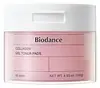
This anti-aging toner pad uses a pre-saturated pad with Collagen Water and Palmitoyl Tripeptide-5 to soften the look of wrinkles and hydrate skin.
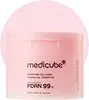
This brightening toner pad uses a pre-saturated pad with Niacinamide and Sodium DNA to brighten dull-looking skin and soften the look of wrinkles.

What's inside
What's inside
 Key Ingredients
Benefits
Concerns
Ingredients Side-by-side
Water
Skin ConditioningCollagen Water
Humectant
Butylene Glycol
Humectant

1,2-Hexanediol
Skin Conditioning
Polyglyceryl-10 Laurate
Skin Conditioning

Glycerin
Humectant
Ethylhexylglycerin
Skin ConditioningArginine
Masking
Allantoin
Skin Conditioning

Carbomer
Emulsion StabilisingXanthan Gum
EmulsifyingDisodium EDTA
ChelatingSodium Polyacrylate
Absorbent
Cyanocobalamin
Skin ConditioningPalmitoyl Tripeptide-5
Skin Conditioning

Hydrolyzed Hyaluronic Acid
Humectant
Collagen Extract
Skin Conditioning
Hydrolyzed Elastin
EmollientGalactomyces Ferment Filtrate
Humectant
Hyaluronic Acid
Humectant
Sh-Polypeptide-22
Skin Conditioning
Sh-Oligopeptide-1
Skin Conditioning
Sh-Polypeptide-1
Skin Conditioning
Sh-Oligopeptide-2
Skin Conditioning
Sh-Polypeptide-3
Skin Conditioning
Water, Collagen Water, Butylene Glycol, 1,2-Hexanediol, Polyglyceryl-10 Laurate, Glycerin, Ethylhexylglycerin, Arginine, Allantoin, Carbomer, Xanthan Gum, Disodium EDTA, Sodium Polyacrylate, Cyanocobalamin, Palmitoyl Tripeptide-5, Hydrolyzed Hyaluronic Acid, Collagen Extract, Hydrolyzed Elastin, Galactomyces Ferment Filtrate, Hyaluronic Acid, Sh-Polypeptide-22, Sh-Oligopeptide-1, Sh-Polypeptide-1, Sh-Oligopeptide-2, Sh-Polypeptide-3
Water
Skin ConditioningGlycerin
Humectant
Methylpropanediol
SolventNiacinamide
Smoothing




Xylitol
Humectant
Hydroxyacetophenone
Antioxidant
Octyldodeceth-16
EmulsifyingDiglycerin
Humectant
Allantoin
Skin Conditioning
Cellulose Gum
Emulsion StabilisingEthylhexylglycerin
Skin ConditioningHydroxyethylcellulose
Emulsion StabilisingSodium Citrate
BufferingSodium Gluconate
ChelatingDipropylene Glycol
HumectantAdenosine
Skin Conditioning
Butylene Glycol
Humectant
1,2-Hexanediol
Skin Conditioning
Citric Acid
Buffering
Cyanocobalamin
Skin ConditioningAnthemis Nobilis Flower Oil
Masking



Pyrus Communis Fruit Extract
Skin ConditioningRosa Damascena Flower Water
Masking
Prunus Persica Fruit Extract
Abrasive
Thuja Orientalis Extract
AntimicrobialJasminum Officinale Flower Water
MaskingCitrus Aurantium Amara Flower Extract
RefreshingCentella Asiatica Extract
Cleansing
Allium Cepa Bulb Extract
Skin Conditioning
Chamomilla Recutita Extract
Skin Conditioning
Salvia Officinalis Extract
Antimicrobial
Rosmarinus Officinalis Leaf Oil
Masking
Hedera Helix Leaf/Stem Extract
AntimicrobialCucumis Melo Fruit Extract
Skin ConditioningHibiscus Esculentus Fruit Extract
Skin ConditioningCarum Petroselinum Extract
Skin ConditioningCorchorus Olitorius Leaf Extract
Skin ConditioningPolygonum Cuspidatum Root Extract
Antioxidant
Collagen
Moisturising
Artemisia Annua Extract
Masking
Nelumbium Speciosum Flower Extract
Skin ConditioningOryza Sativa Extract
Absorbent
Saccharomyces Ferment
Skin Conditioning
Sodium DNA
Skin Conditioning
Capryloyl Salicylic Acid
Exfoliating
Caprylic/Capric Triglyceride
Masking
Hydrogenated Phosphatidylcholine
Emulsifying
Sucrose Stearate
EmollientPhaseolus Radiatus Seed Extract
Skin ConditioningHydrogenated Lecithin
Emulsifying
Cetearyl Alcohol
Emollient



Retinol
Skin Conditioning
Polyglyceryl-10 Myristate
Skin Conditioning
Tocopheryl Acetate
Antioxidant
Asiaticoside
Antioxidant
Madecassic Acid
Skin Conditioning
Madecassoside
Antioxidant
Asiatic Acid
Skin Conditioning
Water, Glycerin, Methylpropanediol, Niacinamide, Xylitol, Hydroxyacetophenone, Octyldodeceth-16, Diglycerin, Allantoin, Cellulose Gum, Ethylhexylglycerin, Hydroxyethylcellulose, Sodium Citrate, Sodium Gluconate, Dipropylene Glycol, Adenosine, Butylene Glycol, 1,2-Hexanediol, Citric Acid, Cyanocobalamin, Anthemis Nobilis Flower Oil, Pyrus Communis Fruit Extract, Rosa Damascena Flower Water, Prunus Persica Fruit Extract, Thuja Orientalis Extract, Jasminum Officinale Flower Water, Citrus Aurantium Amara Flower Extract, Centella Asiatica Extract, Allium Cepa Bulb Extract, Chamomilla Recutita Extract, Salvia Officinalis Extract, Rosmarinus Officinalis Leaf Oil, Hedera Helix Leaf/Stem Extract, Cucumis Melo Fruit Extract, Hibiscus Esculentus Fruit Extract, Carum Petroselinum Extract, Corchorus Olitorius Leaf Extract, Polygonum Cuspidatum Root Extract, Collagen, Artemisia Annua Extract, Nelumbium Speciosum Flower Extract, Oryza Sativa Extract, Saccharomyces Ferment, Sodium DNA, Capryloyl Salicylic Acid, Caprylic/Capric Triglyceride, Hydrogenated Phosphatidylcholine, Sucrose Stearate, Phaseolus Radiatus Seed Extract, Hydrogenated Lecithin, Cetearyl Alcohol, Retinol, Polyglyceryl-10 Myristate, Tocopheryl Acetate, Asiaticoside, Madecassic Acid, Madecassoside, Asiatic Acid
Reviews
Ingredients Explained
These ingredients are found in both products.
Ingredients higher up in an ingredient list are typically present in a larger amount.
1,2-Hexanediol is a synthetic liquid and another multi-functional powerhouse.
It is a:
- Humectant, drawing moisture into the skin
- Emollient, helping to soften skin
- Solvent, dispersing and stabilizing formulas
- Preservative booster, enhancing the antimicrobial activity of other preservatives
Allantoin is a soothing ingredient known for its protective and moisturizing properties; it's basically a quiet workhorse ingredient you can find in a huge range of cosmetics.
Though it can be derived from the comfrey plant, allantoin is produced synthetically for cosmetic products to ensure purity.
Research shows it can encourage your skin cells to turn over and renew by stimulating keratinocyte and fibroblast proliferation.
It also has mild keratolytic properties to help loosen and shed dead skin cells without being harsh.
Studies also suggest allantoin can help calm inflammation by dialing down some of the chemical signals your skin sends out when it is irritated.
This ingredient is typically used in the 0.1-0.5% range, and the FDA recognizes it as a skin protectant in OTC products up to 2%.
Overall, allantoin is a wonderful addition to most routines; it is stable across a wide pH range (~4-8), works well with other ingredients, and is considered non-sensitizing/non-irritating.
Fun fact: Allantoin is naturally occurring in comfrey root, beets, chamomile, and wheat sprouts. Our bodies even produce it as a byproduct of uric acid metabolism.
Learn more about AllantoinButylene Glycol (or BG) is used within cosmetic products for a few different reasons:
Overall, Butylene Glycol is a safe and well-rounded ingredient that works well with other ingredients.
Though this ingredient works well with most skin types, some people with sensitive skin may experience a reaction such as allergic rashes, closed comedones, or itchiness.
Learn more about Butylene GlycolCyanocobalamin is the manufactured version of vitamin B12. It has skin soothing, antioxidant, and barrier protecting properties. Topical cyanocobalamin is used to treat skin irritation and atopic dermatitis.
Ethylhexylglycerin is created from glycerin. It is a multitasker ingredient that:
The CIR Expert Panel found minimal skin absorption or sensitization of any kind in a safety assessment. Though this ingredient is considered well-tolerated, a small number of cases of allergic dermatitis have been published since 2002. Just be sure to patch test if you are unsure.
Industry-reported use ranges from 8% in rinse-off products and 2% in leave-on formulations.
Learn more about EthylhexylglycerinGlycerin (or glycerol) is a compound naturally found in your skin. It's a powerhouse humectant that pulls water into the stratum corneum.
Topically, glycerin does several things at once:
Your skin makes glycerin on its own (mostly from sebaceous oil breakdown) and shuttles it to your outermost layer of skin, or your epidermis, via aquaporin-3.
Aquaporin-3 is a transporter that is essential for normal skin hydration, elasticity, and repair. Interestingly, mice lacking in AQP3 have dry and less elastic skin that can be fully corrected with glycerin.
This ingredient is non-irritating, plays well with almost every ingredient, and works across all skin types. Typical use is anywhere between 3-10% but can go up to 79% in some leave-on products.
Just know very high concentrations (>40%) can feel tacky in low humidity.
Glycerin is the name for this ingredient in American English. British English uses Glycerol/Glycerine.
Learn more about GlycerinWater. It's the most common cosmetic ingredient of all. You'll usually see it at the top of ingredient lists, meaning that it makes up the largest part of the product.
So why is it so popular? Water most often acts as a solvent - this means that it helps dissolve other ingredients into the formulation.
You'll also recognize water as that liquid we all need to stay alive. If you see this, drink a glass of water. Remember to stay hydrated!
Learn more about Water

