Haruharu Wonder Centella Phyto & 5 Peptide Concentrate Cream Versus Brandefy Skin Tri Lipid Replenish Treatment
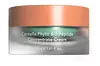
This anti-aging moisturizer is formulated around Centella Asiatica Extract and Madecassoside to soften the look of wrinkles and calm redness.
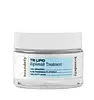
This barrier-repair treatment is formulated around Ceramide NP and Ceramide EOP to strengthen the skin barrier and hydrate skin.


What's inside
What's inside
 Key Ingredients
Benefits
Concerns
Ingredients Side-by-side
Water
Skin ConditioningGlycerin
Humectant


Butylene Glycol
Humectant
Caprylic/Capric Triglyceride
Masking
Helianthus Annuus Seed Oil
Emollient


Polyglyceryl-3 Distearate
Emulsifying
1,2-Hexanediol
Skin Conditioning
Cetyl Alcohol
Emollient
Cetyl Palmitate
Emollient
Ammonium Acryloyldimethyltaurate/Vp Copolymer
Sorbitan Palmitate
Emulsifying
Sorbitan Olivate
Emulsifying
Glyceryl Stearate
Emollient
Stearyl Alcohol
Emollient
Xanthan Gum
EmulsifyingGlyceryl Stearate Citrate
Emollient
Myristyl Alcohol
Emollient


Squalane
Emollient
Caffeine
Skin Conditioning
Hydrolyzed Soy Protein
Humectant
Hydrogenated Lecithin
Emulsifying
Pentylene Glycol
Skin Conditioning
Ethylhexylglycerin
Skin ConditioningAdenosine
Skin Conditioning
Butyrospermum Parkii Butter
Skin Conditioning
Phytosterols
Skin Conditioning
Lauryl Alcohol
Emollient
Centella Asiatica Extract
Cleansing

Hydrolyzed Pea Protein
EmollientMadecassoside
Antioxidant
Asiaticoside
Antioxidant
Caprylyl Glycol
Emollient
Xylitylglucoside
Humectant
Anhydroxylitol
Humectant
Copper Tripeptide-1
Skin Conditioning
Xylitol
Humectant
Acetyl Hexapeptide-8
Humectant
Asiatic Acid
Skin Conditioning
Madecassic Acid
Skin Conditioning
Glucose
Humectant
Ceramide NP
Skin Conditioning
Hippophae Rhamnoides Fruit Extract
Skin Conditioning
Oligopeptide-32
Antiseborrhoeic
Oligopeptide-29
Antioxidant
Palmitoyl Pentapeptide-4
Skin Conditioning
Water, Glycerin, Butylene Glycol, Caprylic/Capric Triglyceride, Helianthus Annuus Seed Oil, Polyglyceryl-3 Distearate, 1,2-Hexanediol, Cetyl Alcohol, Cetyl Palmitate, Ammonium Acryloyldimethyltaurate/Vp Copolymer, Sorbitan Palmitate, Sorbitan Olivate, Glyceryl Stearate, Stearyl Alcohol, Xanthan Gum, Glyceryl Stearate Citrate, Myristyl Alcohol, Squalane, Caffeine, Hydrolyzed Soy Protein, Hydrogenated Lecithin, Pentylene Glycol, Ethylhexylglycerin, Adenosine, Butyrospermum Parkii Butter, Phytosterols, Lauryl Alcohol, Centella Asiatica Extract, Hydrolyzed Pea Protein, Madecassoside, Asiaticoside, Caprylyl Glycol, Xylitylglucoside, Anhydroxylitol, Copper Tripeptide-1, Xylitol, Acetyl Hexapeptide-8, Asiatic Acid, Madecassic Acid, Glucose, Ceramide NP, Hippophae Rhamnoides Fruit Extract, Oligopeptide-32, Oligopeptide-29, Palmitoyl Pentapeptide-4
Water
Skin ConditioningIsononyl Isononanoate
EmollientPunica Granatum Sterols
Skin Conditioning
Hydrogenated Polyisobutene
EmollientCoco-Caprylate/Caprate
Emollient
Jojoba Oil/Macadamia Seed Oil Esters
Skin Conditioning
Cetearyl Alcohol
Emollient
Ceramide NP
Skin Conditioning
Triheptanoin
Skin ConditioningGlyceryl Stearate Se
Emulsifying
Ceramide EOP
Skin Conditioning
Ceramide AP
Skin Conditioning
Cholesterol
Emollient
Palmitoyl Tripeptide-5
Skin Conditioning
Acetyl Dipeptide-1 Cetyl Ester
Skin Conditioning
Squalene
Emollient
Tocopherol
Antioxidant


Argania Spinosa Kernel Oil
Emollient
Glycine Soja Oil
Emollient
Sodium Stearoyl Glutamate
CleansingCetearyl Glucoside
Emulsifying
Glycerin
Humectant
Butylene Glycol
Humectant
Ammonium Acryloyldimethyltaurate/Vp Copolymer
Caprylyl Glycol
Emollient
Hydroxyethyl Acrylate/Sodium Acryloyldimethyl Taurate Copolymer
Emulsion StabilisingCarbomer
Emulsion StabilisingChlorphenesin
Antimicrobial
Sodium Gluconate
Skin ConditioningPhytosteryl Macadamiate
Skin Conditioning
Sorbitan Laurate
Emulsifying
Sorbitan Isostearate
Emulsifying
Sodium Lauroyl Lactylate
EmulsifyingGlucose
Humectant
Phytosterols
Skin Conditioning
Hydroxyethylcellulose
Emulsion StabilisingPhytosphingosine
Skin Conditioning
Xanthan Gum
EmulsifyingC9-12 Alkane
SolventPolyurethane-10
Ethylhexylglycerin
Skin ConditioningPhenoxyethanol
Preservative
Water, Isononyl Isononanoate, Punica Granatum Sterols, Hydrogenated Polyisobutene, Coco-Caprylate/Caprate, Jojoba Oil/Macadamia Seed Oil Esters, Cetearyl Alcohol, Ceramide NP, Triheptanoin, Glyceryl Stearate Se, Ceramide EOP, Ceramide AP, Cholesterol, Palmitoyl Tripeptide-5, Acetyl Dipeptide-1 Cetyl Ester, Squalene, Tocopherol, Argania Spinosa Kernel Oil, Glycine Soja Oil, Sodium Stearoyl Glutamate, Cetearyl Glucoside, Glycerin, Butylene Glycol, Ammonium Acryloyldimethyltaurate/Vp Copolymer, Caprylyl Glycol, Hydroxyethyl Acrylate/Sodium Acryloyldimethyl Taurate Copolymer, Carbomer, Chlorphenesin, Sodium Gluconate, Phytosteryl Macadamiate, Sorbitan Laurate, Sorbitan Isostearate, Sodium Lauroyl Lactylate, Glucose, Phytosterols, Hydroxyethylcellulose, Phytosphingosine, Xanthan Gum, C9-12 Alkane, Polyurethane-10, Ethylhexylglycerin, Phenoxyethanol
Reviews
Ingredients Explained
These ingredients are found in both products.
Ingredients higher up in an ingredient list are typically present in a larger amount.
Ammonium Acryloyldimethyltaurate/Vp Copolymer is a synthetically created polymer. It's used as a film-forming agent and used to thicken the consistency of products.
Think of it as a supportive ingredient that helps your gel-creams feel silky, "cloud cream-like", and spread evenly without being greasy.
The Cosmetic Ingredient Review (CIR) Expert Panel evaluated it (along with 22 other acryloyldimethyltaurate polymers) and concluded it's:
Due to its large molecular size, it sits on the surface of skin rather than penetrating it.
Learn more about Ammonium Acryloyldimethyltaurate/Vp CopolymerButylene Glycol (or BG) is used within cosmetic products for a few different reasons:
Overall, Butylene Glycol is a safe and well-rounded ingredient that works well with other ingredients.
Though this ingredient works well with most skin types, some people with sensitive skin may experience a reaction such as allergic rashes, closed comedones, or itchiness.
Learn more about Butylene GlycolCaprylyl Glycol is a humectant, skin conditioner, emollient, and preservative booster derived from either caprylic acid or synthetically created.
Typical use levels vary from 0.3-1% as a preservative booster and go up to 2% to condition skin.
Because it is not a free-fatty acid, this ingredient is fungal acne safe (there's nothing for Malassezia to feed on).
Learn more about Caprylyl GlycolCeramide NP (formerly known as Ceramide 3) is one of the skin's naturally occurring lipids.
Since ceramides are the major lipid components of the skin, they are crucial for maintaining skin barrier and hydration. Ceramide NP most closely mirrors the dominant kind in human skin amongst ceramide subtypes.
This ceramide works by slotting into gaps within the stratum corneum's lipid matrix to limit trans-epidermal water loss (TEWL) and shield the skin against external irritants.
A study with 312 patients found that using a ceramide-containing routine for 4 weeks reduced the severity of atopic dermatitis by over 61%.
Another clinical study in subjects aged 60 and older found that a ceramide body wash and moisturizer improved skin dryness and itchy skin in 15 days.
Overall, ceramides are considered non-irritating and safety tests have found little to no observable adverse effects from using this ingredient.
Ceramide NP is usually sourced from plants (like soybean or rice bran), or produced synthetically.
Learn more about Ceramide NPEthylhexylglycerin is created from glycerin. It is a multitasker ingredient that:
The CIR Expert Panel found minimal skin absorption or sensitization of any kind in a safety assessment. Though this ingredient is considered well-tolerated, a small number of cases of allergic dermatitis have been published since 2002. Just be sure to patch test if you are unsure.
Industry-reported use ranges from 8% in rinse-off products and 2% in leave-on formulations.
Learn more about EthylhexylglycerinGlucose is a simple sugar (a monosaccharide). In skincare, it is mostly a humectant and skin conditioning agent.
Mechanistically, it has multiple hydroxyl groups that hydrogen-bond to water. This pulls moisture into the upper layers of skin to keep the surface soft and hydrated.
It's worth knowing sugars are already a natural component of the skin's NMF (natural moisturizing factor) so it's a molecule that your stratum corneum is well-acquainted with.
Just so you know, glucose is hydrophilic (water-loving) and the stratum corneum is a strong barrier to hydrophilic compounds. This just means penetration is slow and most of the action is happening on the surface.
Gram-to-gram, glucose is not as efficient as a humectant as glycerin. This is why you'll likely see glycose paired with stronger humectants for a bigger hydration payoff.
In skincare, glucose is typically derived from corn or other starch sources.
Learn more about GlucoseGlycerin (or glycerol) is a compound naturally found in your skin. It's a powerhouse humectant that pulls water into the stratum corneum.
Topically, glycerin does several things at once:
Your skin makes glycerin on its own (mostly from sebaceous oil breakdown) and shuttles it to your outermost layer of skin, or your epidermis, via aquaporin-3.
Aquaporin-3 is a transporter that is essential for normal skin hydration, elasticity, and repair. Interestingly, mice lacking in AQP3 have dry and less elastic skin that can be fully corrected with glycerin.
This ingredient is non-irritating, plays well with almost every ingredient, and works across all skin types. Typical use is anywhere between 3-10% but can go up to 79% in some leave-on products.
Just know very high concentrations (>40%) can feel tacky in low humidity.
Glycerin is the name for this ingredient in American English. British English uses Glycerol/Glycerine.
Learn more about GlycerinPhytosterols are plant-derived sterols (you can think of them as the plant world's version of cholesterol). In cosmetics, this ingredient is usually sourced from soybean, rice bran, shea, sunflower, and other seed oils.
The main actors in this group are β-sitosterol, campesterol, and stigmasterol (the CIR covers 27 phytosterols).
They work by fitting perfectly into your stratum corneum's lipid matrix since they're structurally similar to cholesterol. Here, they reinforce your skin's barrier.
One small in vivo human study showed topical soybean phytosterols sped up barrier recovery within three days on tape-stripped skin.
Broader research credits them with:
Formulation use typically sit under 5%.
Testing in soy-allergic subjects found no sensitization signals, but be sure to patch test if you are unsure or have existing allergies.
Learn more about PhytosterolsWater. It's the most common cosmetic ingredient of all. You'll usually see it at the top of ingredient lists, meaning that it makes up the largest part of the product.
So why is it so popular? Water most often acts as a solvent - this means that it helps dissolve other ingredients into the formulation.
You'll also recognize water as that liquid we all need to stay alive. If you see this, drink a glass of water. Remember to stay hydrated!
Learn more about WaterXanthan gum is used as a stabilizer and thickener within cosmetic products. It helps give products a sticky, thick feeling - preventing them from being too runny.
On the technical side of things, xanthan gum is a polysaccharide - a combination consisting of multiple sugar molecules bonded together.
Xanthan gum is a pretty common and great ingredient. It is a natural, non-toxic, non-irritating ingredient that is also commonly used in food products.
Learn more about Xanthan Gum


