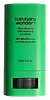
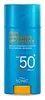
Haruharu Wonder Black Bamboo Daily Soothing Sun Shield SPF 50+ Versus SCINIC Enjoy Super Active Airy Sun Stick SPF 50+ PA++++
This chemical sunscreen covers the full UV range and blocks ~98% of UVB at SPF 50.
This chemical sunscreen covers the full UV range and blocks ~98% of UVB at SPF 50.

What's inside
What's inside
 Key Ingredients
Benefits
Concerns
Ingredients Side-by-side
Water
Skin ConditioningDibutyl Adipate
EmollientSynthetic Wax
Abrasive

Methyl Methacrylate Crosspolymer

Butyloctyl Salicylate
Skin Conditioning

Caprylyl Trimethicone
Skin Conditioning
Butylene Glycol
Humectant

Propylheptyl Caprylate
EmollientDiethylamino Hydroxybenzoyl Hexyl Benzoate
UV Filter
Isododecane
EmollientBis-Ethylhexyloxyphenol Methoxyphenyl Triazine
UV Absorber
Caprylyl Methicone
Skin Conditioning
Ethylhexyl Triazone
UV Absorber
Polysilicone-15
UV Filter
Ceresin
Emulsion StabilisingCamellia Japonica Seed Oil
Emollient


Diphenylsiloxy Phenyl Trimethicone
Skin Conditioning
Niacinamide
Smoothing









Polyglyceryl-3 Polyricinoleate
Emulsifying
Lauryl Polyglyceryl-3 Polydimethylsiloxyethyl Dimethicone
Skin Conditioning
Dimethicone/Vinyl Dimethicone Crosspolymer
Skin Conditioning
Sodium Chloride
Masking1,2-Hexanediol
Skin Conditioning
Polyglyceryl-4 Diisostearate/Polyhydroxystearate/Sebacate
Emulsifying
Vinyl Dimethicone/Methicone Silsesquioxane Crosspolymer
Caprylyl Glycol
Emollient
Glyceryl Caprylate
EmollientPhyllostachys Nigra Leaf Extract
Skin ConditioningPhyllostachys Pubescens Shoot Bark Extract
Skin ConditioningAdenosine
Skin Conditioning
Aspergillus Ferment
Skin ConditioningTocopherol
Antioxidant

Dipropylene Glycol
HumectantPentylene Glycol
Skin Conditioning
Bambusa Vulgaris Water
Skin ConditioningBetaine
Humectant
Ectoin
Skin Conditioning
Panthenol
Skin Conditioning
Water, Dibutyl Adipate, Synthetic Wax, Methyl Methacrylate Crosspolymer, Butyloctyl Salicylate, Caprylyl Trimethicone, Butylene Glycol, Propylheptyl Caprylate, Diethylamino Hydroxybenzoyl Hexyl Benzoate, Isododecane, Bis-Ethylhexyloxyphenol Methoxyphenyl Triazine, Caprylyl Methicone, Ethylhexyl Triazone, Polysilicone-15, Ceresin, Camellia Japonica Seed Oil, Diphenylsiloxy Phenyl Trimethicone, Niacinamide, Polyglyceryl-3 Polyricinoleate, Lauryl Polyglyceryl-3 Polydimethylsiloxyethyl Dimethicone, Dimethicone/Vinyl Dimethicone Crosspolymer, Sodium Chloride, 1,2-Hexanediol, Polyglyceryl-4 Diisostearate/Polyhydroxystearate/Sebacate, Vinyl Dimethicone/Methicone Silsesquioxane Crosspolymer, Caprylyl Glycol, Glyceryl Caprylate, Phyllostachys Nigra Leaf Extract, Phyllostachys Pubescens Shoot Bark Extract, Adenosine, Aspergillus Ferment, Tocopherol, Dipropylene Glycol, Pentylene Glycol, Bambusa Vulgaris Water, Betaine, Ectoin, Panthenol
Dimethicone
Emollient
Ceresin
Emulsion StabilisingOctocrylene
UV Absorber

Silica
Abrasive
Triethylhexanoin
MaskingEthylhexyl Methoxycinnamate
UV Absorber
Diethylamino Hydroxybenzoyl Hexyl Benzoate
UV Filter
Ozokerite
Emulsion StabilisingPhenyl Trimethicone
Skin Conditioning
Butylene Glycol Dicaprylate/Dicaprate
EmollientEthylhexyl Salicylate
UV Absorber
Vinyl Dimethicone/Methicone Silsesquioxane Crosspolymer
Euphorbia Cerifera Cera
Astringent
Bis-Ethylhexyloxyphenol Methoxyphenyl Triazine
UV Absorber
Methyl Methacrylate Crosspolymer
Microcrystalline Wax
Emulsion StabilisingSorbitan Caprylate
EmulsifyingDipropylene Glycol
HumectantGlycerin
Humectant
Water
Skin ConditioningSorbitan Sesquioleate
Emulsifying
Caprylyl Glycol
Emollient
Hydrogenated Lecithin
Emulsifying
Polyglyceryl-10 Oleate
Skin Conditioning
Glycyrrhiza Uralensis Extract
EmollientAdenosine
Skin Conditioning
Butylene Glycol
Humectant
Lactobacillus/Soybean Ferment Extract
Skin ConditioningOriganum Vulgare Leaf Extract
Skin ConditioningCinnamomum Cassia Bark Extract
Masking
Salix Alba Bark Extract
Astringent
Chamaecyparis Obtusa Leaf Extract
Skin ConditioningScutellaria Baicalensis Root Extract
Astringent
Portulaca Oleracea Extract
Skin Conditioning
Aloe Barbadensis Leaf Extract
Emollient
Brassica Oleracea Italica Extract
AstringentCitrus Nobilis Fruit Extract
MaskingCamellia Sinensis Leaf Extract
Antimicrobial
Propanediol
Solvent
Ectoin
Skin Conditioning
Argania Spinosa Kernel Oil
Emollient
Gossypium Herbaceum Seed Oil
Skin Conditioning
Arctium Lappa Seed Oil
Emollient
Lavandula Angustifolia Oil
Masking


Citrus Limon Peel Oil
Masking
Citrus Nobilis Peel Oil
Masking
Dimethicone, Ceresin, Octocrylene, Silica, Triethylhexanoin, Ethylhexyl Methoxycinnamate, Diethylamino Hydroxybenzoyl Hexyl Benzoate, Ozokerite, Phenyl Trimethicone, Butylene Glycol Dicaprylate/Dicaprate, Ethylhexyl Salicylate, Vinyl Dimethicone/Methicone Silsesquioxane Crosspolymer, Euphorbia Cerifera Cera, Bis-Ethylhexyloxyphenol Methoxyphenyl Triazine, Methyl Methacrylate Crosspolymer, Microcrystalline Wax, Sorbitan Caprylate, Dipropylene Glycol, Glycerin, Water, Sorbitan Sesquioleate, Caprylyl Glycol, Hydrogenated Lecithin, Polyglyceryl-10 Oleate, Glycyrrhiza Uralensis Extract, Adenosine, Butylene Glycol, Lactobacillus/Soybean Ferment Extract, Origanum Vulgare Leaf Extract, Cinnamomum Cassia Bark Extract, Salix Alba Bark Extract, Chamaecyparis Obtusa Leaf Extract, Scutellaria Baicalensis Root Extract, Portulaca Oleracea Extract, Aloe Barbadensis Leaf Extract, Brassica Oleracea Italica Extract, Citrus Nobilis Fruit Extract, Camellia Sinensis Leaf Extract, Propanediol, Ectoin, Argania Spinosa Kernel Oil, Gossypium Herbaceum Seed Oil, Arctium Lappa Seed Oil, Lavandula Angustifolia Oil, Citrus Limon Peel Oil, Citrus Nobilis Peel Oil
Reviews
Ingredients Explained
These ingredients are found in both products.
Ingredients higher up in an ingredient list are typically present in a larger amount.
Adenosine is a purine nucleoside that your body already makes in every cell. In skincare, it acts mainly as a skin conditioning and anti-aging agent.
The way it works is fairly well mapped out:
Your skin has cells called fibroblasts that build collagen (the stuff that keeps skin firm and smooth). Adenosine basically flips a switch on these cells that tells them to get to work making more collagen and other proteins. These cells slow down on their own as skin ages, so Adenosine helps give them a little nudge to keep going.
The clinical backing is pretty solid too.
A blind, randomized, placebo-controlled trial of 126 women aged 45-65 tested a 0.1% cream twice daily and found real improvements in crow's feet and frown lines using a precise 3D skin-mapping technique; these changes showed up by week 3 and held at 2 months.
A later study using Adenosine-loaded dissolving microneedle patches reported gains in wrinkle depth, dermal density, elasticity, and hydration.
On concentrations, South Korea's Ministry of Food and Drug Safety has set 0.04% as the approved functional anti-wrinkle level. You'll typically see this ingredient used somewhere in the 0.04-0.1% range since it works at low doses.
This ingredient has been found safe for cosmetics with the data showing no irritation or sensitization.
Overall, this is a great ingredient for any anti-aging routine and has no photosensitizing effect, so it suits both AM and PM use.
Learn more about AdenosineThis ingredient is better known as bemotrizinol or Tinosorb S and is one of the best broad-spectrum UV filters in modern sunscreen.
It works by absorbing UV light across a whole range (280-400 nm) with peaks around 310 nm (UVB) and 340-345 nm (UVA). This means it covers UVB plus the deeper UVA wavelengths that drive photoaging and pigmentation.
Another pro?
It's exceptionally photostable, barely degrades in sunlight, and acts as a "bodyguard" for less stable filters.
That's why you'll see it paired with avobenzone or octinoxate; this team up ensures they keep working through sun exposure.
Safety reviews have been reassuring across the board. This ingredient shows low absorption through the skin, rarely irritates, and lab studies found it doesn't act like a hormone in the body (a concern that's been raised about some older sunscreen filters).
On maximum concentrations:
In 2026, the US F.D.A finally added it as an OTC sunscreen ingredient at concentrations up to 6% for adults / children 6 months and older
Learn more about Bis-Ethylhexyloxyphenol Methoxyphenyl TriazineButylene Glycol (or BG) is used within cosmetic products for a few different reasons:
Overall, Butylene Glycol is a safe and well-rounded ingredient that works well with other ingredients.
Though this ingredient works well with most skin types, some people with sensitive skin may experience a reaction such as allergic rashes, closed comedones, or itchiness.
Learn more about Butylene GlycolCaprylyl Glycol is a humectant, skin conditioner, emollient, and preservative booster derived from either caprylic acid or synthetically created.
Typical use levels vary from 0.3-1% as a preservative booster and go up to 2% to condition skin.
Because it is not a free-fatty acid, this ingredient is fungal acne safe (there's nothing for Malassezia to feed on).
Learn more about Caprylyl GlycolCeresin is a wax derived from ozokerite. It is an alternative to beeswax.
The most common process of creating ceresin is by using heat and sulfuric acid.
Diethylamino Hydroxybenzoyl Hexyl Benzoate (DHHB) is a chemical UV-A absorber. It is formulated for high UVA protection (320-400 nm).
DHHB is well-liked for:
DHHB has been approved by the EU, Japan, Taiwan, and South America for use up to 10%. Unfortunately, it has not been approved for use in the US or Canada due to slow regulatory processes.
This ingredient is soluble in oils, fats, and lipids.
Learn more about Diethylamino Hydroxybenzoyl Hexyl BenzoateDipropylene Glycol is a synthetically created humectant, stabilizer, and solvent.
This ingredient helps:
Dipropylene glycol is technically an alcohol, but it belongs to the glycol family (often considered part of the ‘good’ alcohols). This means it is hydrating and gentle on skin unlike drying solvent alcohols like denatured alcohol.
As a masking agent, Dipropylene Glycol can be used to cover the smell of other ingredients. However, it does not have a scent.
Studies show Dipropylene Glycol is considered safe to use in skincare.
Learn more about Dipropylene GlycolEctoin is a compound found naturally in some species of bacteria. It can be synthetically created for skincare use.
This ingredient is an osmolyte; Osmolytes help organisms survive osmotic shock (it protects them from extreme conditions). It does this by influencing the properties of biological fluids within cells.
When applied to the skin, ectoin helps bind water molecules to protect our skin. The water forms a sort of armor for the parts of our skin cells, enzymes, proteins, and more.
Besides this, ectoin has many uses in skincare:
A study from 2004 found ectoin to counteract the damage from UV-A exposure at different cell levels. It has also been shown to protect skin against both UV-A, UV-B rays, infrared light, and visible light.
Studies show ectoin to have dual-action pollution protection: first, it protects our skin from further pollution damage. Second, it helps repair damage from pollution.
In fact, ectoin has been shown to help with:
Fun fact: In the EU, ectoin is used in inhalation medication as an anti-pollution ingredient.
Ectoin is a highly stable ingredient. It has a wide pH range of 1-9. Light, oxygen, and temperature do not affect this ingredient.
The chemical name for this ingredient is Tetrahydromethylpyrimidine Carboxylic Acid.
Learn more about EctoinThis ingredient comes as a powder made up of small, porous, microbeads. It is used to add a silky feel to products and also helps absorb oil.
This ingredient is used in makeup and skincare to thicken formulas, reduce shine, and give skin a silky-smooth feel.
It’s a white silicone powder that sits in fine lines and pores to blur their appearance though its effectiveness depends on the particle size.
You'll typically find this ingredient in amounts between 0.1-20%.
Learn more about Vinyl Dimethicone/Methicone Silsesquioxane CrosspolymerWater. It's the most common cosmetic ingredient of all. You'll usually see it at the top of ingredient lists, meaning that it makes up the largest part of the product.
So why is it so popular? Water most often acts as a solvent - this means that it helps dissolve other ingredients into the formulation.
You'll also recognize water as that liquid we all need to stay alive. If you see this, drink a glass of water. Remember to stay hydrated!
Learn more about Water

