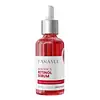
This anti-aging serum is formulated around Niacinamide and Retinol to soften the look of wrinkles and refine skin texture.
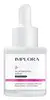
This serum is formulated around Glycyrrhiza Glabra Root Extract and Retinyl Palmitate to fade dark spots and support scar healing.

What's inside
What's inside
 Key Ingredients
Benefits
Concerns
Ingredients Side-by-side
Water
Skin ConditioningNiacinamide
Smoothing











Squalane
Emollient
Glycerin
Humectant
Betaine
Humectant
Propylene Glycol
Humectant

Butylene Glycol
Humectant
Propanediol
Solvent
Biosaccharide Gum-1
Humectant
Phenoxyethanol
Preservative
Lactic Acid
Buffering

Methyl Gluceth-20
Humectant
PEG-40 Hydrogenated Castor Oil
Emulsifying

Polysorbate 80
Emulsifying
Xanthan Gum
EmulsifyingPolyacrylate Crosspolymer-6
Emulsion StabilisingAllantoin
Skin Conditioning
Benzotriazolyl Dodecyl P-Cresol
UV AbsorberCamellia Sinensis Leaf Extract
Antimicrobial
Disodium EDTA
Retinol
Skin Conditioning
Tocopheryl Acetate
Antioxidant
Triethylene Glycol
Masking

Hydroxypinacolone Retinoate
Skin Conditioning
Panthenol
Skin Conditioning
Caprylic/Capric Triglyceride
Masking
Vaccinium Macrocarpon Fruit Extract
AstringentTetrahydropiperine
Skin Conditioning1,2-Hexanediol
Skin Conditioning
Hydrogenated Lecithin
Emulsifying
Caprylyl Glycol
Emollient
Sclerotium Gum
Emulsion StabilisingBisabolol
Antioxidant
Arachis Hypogaea Oil
Skin Conditioning
Ascorbic Acid
Antioxidant
Biotin
AntiseborrhoeicFolic Acid
Skin ConditioningPyridoxine Hcl
Skin ConditioningRetinyl Palmitate
Skin Conditioning
Sucrose Stearate
EmollientTocopherol
Antioxidant
Ceramide NP
Skin Conditioning
Hyaluronic Acid
Humectant
Dimethylmethoxy Chromanol
Antioxidant
Ceramide AP
Skin Conditioning
Ceramide As
Skin Conditioning
Ceramide Ng
Skin Conditioning
Glycosphingolipids
EmollientWater, Niacinamide, Squalane, Glycerin, Betaine, Propylene Glycol, Butylene Glycol, Propanediol, Biosaccharide Gum-1, Phenoxyethanol, Lactic Acid, Methyl Gluceth-20, PEG-40 Hydrogenated Castor Oil, Polysorbate 80, Xanthan Gum, Polyacrylate Crosspolymer-6, Allantoin, Benzotriazolyl Dodecyl P-Cresol, Camellia Sinensis Leaf Extract, Disodium EDTA, Retinol, Tocopheryl Acetate, Triethylene Glycol, Hydroxypinacolone Retinoate, Panthenol, Caprylic/Capric Triglyceride, Vaccinium Macrocarpon Fruit Extract, Tetrahydropiperine, 1,2-Hexanediol, Hydrogenated Lecithin, Caprylyl Glycol, Sclerotium Gum, Bisabolol, Arachis Hypogaea Oil, Ascorbic Acid, Biotin, Folic Acid, Pyridoxine Hcl, Retinyl Palmitate, Sucrose Stearate, Tocopherol, Ceramide NP, Hyaluronic Acid, Dimethylmethoxy Chromanol, Ceramide AP, Ceramide As, Ceramide Ng, Glycosphingolipids
Water
Skin ConditioningButylene Glycol
Humectant
Propylene Glycol
Humectant
Glycerin
Humectant
Ethoxydiglycol
HumectantAllantoin
Skin Conditioning
Sodium Lactate
Buffering
Sodium PCA
Humectant
DMDM Hydantoin
Preservative
Glycyrrhiza Glabra Root Extract
Bleaching
Acrylates/C10-30 Alkyl Acrylate Crosspolymer
Emulsion StabilisingHydroxypropyl Methylcellulose
Emulsion StabilisingPhosphatidylcholine
EmulsifyingMannitol
Humectant
Retinyl Palmitate
Skin Conditioning
Tetrasodium EDTA
Sodium Hydroxide
Buffering1,2-Hexanediol
Skin Conditioning
Triethanolamine
BufferingCalendula Officinalis Flower Extract
Masking
Portulaca Oleracea Extract
Skin Conditioning
Punica Granatum Fruit Extract
Antioxidant
Fructose
Humectant
Glycine
Buffering
Inositol
Humectant
Lactic Acid
Buffering
Niacinamide
Smoothing
Urea
Buffering
Iodopropynyl Butylcarbamate
Preservative
Glabridin
BleachingSodium Chloride
MaskingBenzoic Acid
Masking
Cetyl Alcohol
Emollient
Decyl Glucoside
Cleansing
Lauryl Glucoside
CleansingXanthan Gum
EmulsifyingSodium Benzoate
Masking
Aloe Barbadensis Leaf Extract
Emollient
Potassium Sorbate
Preservative
Water, Butylene Glycol, Propylene Glycol, Glycerin, Ethoxydiglycol, Allantoin, Sodium Lactate, Sodium PCA, DMDM Hydantoin, Glycyrrhiza Glabra Root Extract, Acrylates/C10-30 Alkyl Acrylate Crosspolymer, Hydroxypropyl Methylcellulose, Phosphatidylcholine, Mannitol, Retinyl Palmitate, Tetrasodium EDTA, Sodium Hydroxide, 1,2-Hexanediol, Triethanolamine, Calendula Officinalis Flower Extract, Portulaca Oleracea Extract, Punica Granatum Fruit Extract, Fructose, Glycine, Inositol, Lactic Acid, Niacinamide, Urea, Iodopropynyl Butylcarbamate, Glabridin, Sodium Chloride, Benzoic Acid, Cetyl Alcohol, Decyl Glucoside, Lauryl Glucoside, Xanthan Gum, Sodium Benzoate, Aloe Barbadensis Leaf Extract, Potassium Sorbate
Ingredients Explained
These ingredients are found in both products.
Ingredients higher up in an ingredient list are typically present in a larger amount.
1,2-Hexanediol is a synthetic liquid and another multi-functional powerhouse.
It is a:
- Humectant, drawing moisture into the skin
- Emollient, helping to soften skin
- Solvent, dispersing and stabilizing formulas
- Preservative booster, enhancing the antimicrobial activity of other preservatives
Allantoin is a soothing ingredient known for its protective and moisturizing properties; it's basically a quiet workhorse ingredient you can find in a huge range of cosmetics.
Though it can be derived from the comfrey plant, allantoin is produced synthetically for cosmetic products to ensure purity.
Research shows it can encourage your skin cells to turn over and renew by stimulating keratinocyte and fibroblast proliferation.
It also has mild keratolytic properties to help loosen and shed dead skin cells without being harsh.
Studies also suggest allantoin can help calm inflammation by dialing down some of the chemical signals your skin sends out when it is irritated.
This ingredient is typically used in the 0.1-0.5% range, and the FDA recognizes it as a skin protectant in OTC products up to 2%.
Overall, allantoin is a wonderful addition to most routines; it is stable across a wide pH range (~4-8), works well with other ingredients, and is considered non-sensitizing/non-irritating.
Fun fact: Allantoin is naturally occurring in comfrey root, beets, chamomile, and wheat sprouts. Our bodies even produce it as a byproduct of uric acid metabolism.
Learn more about AllantoinButylene Glycol (or BG) is used within cosmetic products for a few different reasons:
Overall, Butylene Glycol is a safe and well-rounded ingredient that works well with other ingredients.
Though this ingredient works well with most skin types, some people with sensitive skin may experience a reaction such as allergic rashes, closed comedones, or itchiness.
Learn more about Butylene GlycolGlycerin (or glycerol) is a compound naturally found in your skin. It's a powerhouse humectant that pulls water into the stratum corneum.
Topically, glycerin does several things at once:
Your skin makes glycerin on its own (mostly from sebaceous oil breakdown) and shuttles it to your outermost layer of skin, or your epidermis, via aquaporin-3.
Aquaporin-3 is a transporter that is essential for normal skin hydration, elasticity, and repair. Interestingly, mice lacking in AQP3 have dry and less elastic skin that can be fully corrected with glycerin.
This ingredient is non-irritating, plays well with almost every ingredient, and works across all skin types. Typical use is anywhere between 3-10% but can go up to 79% in some leave-on products.
Just know very high concentrations (>40%) can feel tacky in low humidity.
Glycerin is the name for this ingredient in American English. British English uses Glycerol/Glycerine.
Learn more about GlycerinLactic Acid is another well-loved alpha hydroxy acid (AHA). It is gentler than glycolic acid but still highly effective.
Its main role is to exfoliate the surface of the skin by loosening the “glue” that holds dead skin cells together. Shedding those old cells leads to smoother, softer, and more even-toned skin.
Because lactic acid molecules are larger than glycolic acid, they don’t penetrate as deeply. This means they’re less likely to sting or irritate, making it a great choice for beginners or those with sensitive skin.
Like glycolic acid, it can:
Lactic acid also acts as a humectant (like hyaluronic acid). It can draw water into the skin to improve hydration and also plays a role in the skin's natural moisturizing factor (NMF) in the form of sodium lactate.
Studies show it can boost ceramide production to strengthen the skin barrier and even help balance the skin’s microbiome.
To get results, choose products with a pH between 3-4.
Lower strengths (5-12%) focus on surface exfoliation; higher strengths (12% and up) can reach deeper in the dermis (deeper, supportive layer) to improve skin texture and firmness over time.
Though it was originally derived from milk, most modern lactic acid used in skincare is vegan. It is made through non-dairy fermentation to create a bio-identical and stable form suitable for all formulations.
When lactic acid shows up near the end of an ingredient list, it usually means the brand added just a tiny amount to adjust the product’s pH.
Legend has it that Cleopatra used to bathe in sour milk to help reduce wrinkles.
Lactic acid is truly a gentle multitasker: it exfoliates, hydrates, strengthens, and brightens. It's a great ingredient for giving your skin a smooth, glowing, and healthy look without the harshness of stronger acids.
Read more about some other popular AHA's here:
Learn more about Lactic AcidNiacinamide is a multitasking form of vitamin B3 that strengthens the skin barrier, reduces pores and dark spots, regulates oil, and improves signs of aging.
And the best part? It's gentle and well-tolerated by most skin types, including sensitive and reactive skin.
You might have heard of "niacin flush", or the reddening of skin that causes itchiness. Niacinamide has not been found to cause this.
In very rare cases, some individuals may not be able to tolerate niacinamide at all or experience an allergic reaction to it.
If you are experiencing flaking, irritation, and dryness with this ingredient, be sure to double check all your products as this ingredient can be found in all categories of skincare.
When incorporating niacinamide into your routine, look out for concentration amounts. Typically, 5% niacinamide provides benefits such as fading dark spots. However, if you have sensitive skin, it is better to begin with a smaller concentration.
When you apply niacinamide to your skin, your body converts it into nicotinamide adenine dinucleotide (NAD). NAD is an essential coenzyme that is already found in your cells as "fuel" and powers countless biological processes.
In your skin, NAD helps repair cell damage, produce new healthy cells, support collagen production, strengthen the skin barrier, and fight environmental stressors (like UV and pollution).
Our natural NAD levels start to decline with age, leading to slower skin repair, visible aging, and a weaker skin barrier. By providing your skin niacinamide, you're recharging your skin's NAD levels. This leads to stronger, healthier, and younger looking skin.
Another name for vitamin B3 is nicotinamide. This vitamin is water-soluble and our bodies don't store it. We obtain Vitamin B3 from either food or skincare. Meat, fish, wheat, yeast, and leafy greens contain vitamin B3.
The type of niacinamide used in skincare is synthetically created.
Learn more about NiacinamidePropylene Glycol is a synthetic, colorless, odorless liquid that has been a staple in cosmetics for decades. It is a skin conditioning agent, humectant, and solvent.
As a humectant, it draw water to the skin to reduce flaking and restore suppleness. It's also a solvent that helps dissolve other actives and keeps formulas stable across temperature changes.
The CIR Expert Panel has confirmed this ingredient to be nontoxic and clinical studies show no sensitization at cosmetic use concentrations.
True allergic reactions are quite rare: a 15-year retrospective study of 6,751 patients found only 0.31% had a positive reaction (and less than half were considered clinically relevant).
It seemed that when sensitization does occur, it's most commonly linked to topical medication (like corticosteroids) and not cosmetics. Allergic contact dermatitis also appears largely limited to individuals with underlying skin conditions.
Overall, propylene glycol is a well-studied ingredient that most people can tolerate without issue.
Learn more about Propylene GlycolRetinyl Palmitate is a form of retinoid. Retinoids are the superstar class of anti-aging ingredients that include Tretinoin and Retinol.
This particular ingredient has had a bumpy year with its rise and fall in popularity.
First, Retinyl Palmitate is created from Palmitic Acid and Retinol. It is a Retinol ester and considered one of the weaker forms of retinoid.
This is because all retinoids have to be converted to Tretinoin, AKA Retinoic Acid.
Retinyl Palmitate is pretty far down the line and has to go through multiple conversions before its effects are seen. Once it's on your skin, enzymes called esterases convert it into Retinol, then into Retinal, and finally into Retinoic Acid; that's three steps with a little lost at each one.
The benefits of Retinyl Palmitate are debated due to this long and ineffective conversion line.
So why use it at all?
The answer is stability. Retinol and Retinoic Acid break down fast when they hit light, heat, and air, and Retinoic Acid can be pretty irritating on top of that.
Retinyl Palmitate is much more stable and gentler, making it easier to formulate with and easier on sensitive skin (even if it's weaker gram for gram).
Studies show Retinyl Palmitate to help:
Newer research from 2023-2025 also found that Retinyl Palmitate works especially well when paired with Retinol. The two seem to cover each other's weak spots; retinol brings the potency while Retinyl Palmitate brings the stability and gentleness. Together, they repair UV damage better than either one does alone.
This ingredient used to be found in sunscreens to boost the efficacy of sunscreen filters.
The downfall of Retinyl Palmitate was due to released reports about the ingredient being correlated to sun damage and skin tumors.
Most of this traces back to a 2012 US National Toxicology Program (NTP) study where hairless mice coated in Retinyl Palmitate cream and exposed to UV light developed skin tumors faster.
Here's the nuance, though.
When the Cosmetic Ingredient Review (CIR) Expert Panel went back through that study, they found methodological flaws and decided the results couldn't be interpreted as proof of extra risk.
The EU's Scientific Committee on Consumer Safety (SCCS) said the mouse findings might point to a concern but they're hard to apply to humans since hairless mouse skin and human skin behave differently.
While there is a study showing this ingredient to cause DNA damage when exposed to UVA, there is no concrete proof of it being linked to skin cancer. It is completely safe to use when used correctly.
Both the CIR and the SCCS consider it safe at the concentrations used in cosmetics; the SCCS specifically cleared retinoids up to 0.05% in body lotions and 0.3% in face creams, hand creams, and rinse-off products.
As of 2025, the EU has written those limits into law, plus a label warning about your total Vitamin A intake from all sources.
All retinoids increase your skin's sensitivity to the sun in the first few months of usage. Be especially careful with reapplying sunscreen when using any form of retinoid.
One more note: if you're pregnant, high doses of Vitamin A can be a concern, so a lot of people skip topical retinoids (including Retinyl Palmitate) during pregnancy just to be safe. Check with your doctor if you're unsure.
Fun fact: This ingredient is often added to low-fat milk to increase the levels of Vitamin A.
Learn more about Retinyl PalmitateWater. It's the most common cosmetic ingredient of all. You'll usually see it at the top of ingredient lists, meaning that it makes up the largest part of the product.
So why is it so popular? Water most often acts as a solvent - this means that it helps dissolve other ingredients into the formulation.
You'll also recognize water as that liquid we all need to stay alive. If you see this, drink a glass of water. Remember to stay hydrated!
Learn more about WaterXanthan gum is used as a stabilizer and thickener within cosmetic products. It helps give products a sticky, thick feeling - preventing them from being too runny.
On the technical side of things, xanthan gum is a polysaccharide - a combination consisting of multiple sugar molecules bonded together.
Xanthan gum is a pretty common and great ingredient. It is a natural, non-toxic, non-irritating ingredient that is also commonly used in food products.
Learn more about Xanthan Gum

