Goodal Green Tangerine Vita C Dark Spot Care Cream Versus Global Beauty Care Hyaluronic Acid Facial Serum
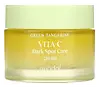
This brightening moisturizer is formulated around Niacinamide and Sodium Ascorbyl Phosphate to fade the look of dark spots and brighten dull-looking skin.
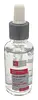
This hydrating serum is formulated around Beta-Glucan and Lactic Acid to hydrate skin and refine skin texture.


What's inside
What's inside
 Key Ingredients
Benefits
Concerns
Ingredients Side-by-side
Citrus Tangerina Extract
TonicDipropylene Glycol
HumectantGlycerin
Humectant


Niacinamide
Smoothing









Butylene Glycol
Humectant
1,2-Hexanediol
Skin Conditioning
Water
Skin ConditioningLimnanthes Alba Seed Oil
Skin Conditioning


Pentylene Glycol
Skin Conditioning
Chondrus Crispus Extract
Skin Conditioning
Chlorella Vulgaris Extract
Skin ConditioningSaccharum Officinarum Extract
MoisturisingCitrus Aurantium Bergamia Fruit Oil
Masking


Melia Azadirachta Flower Extract
Skin ConditioningAcacia Senegal Gum
MaskingOcimum Sanctum Leaf Extract
Skin ConditioningMelia Azadirachta Leaf Extract
Skin ConditioningLavandula Angustifolia Oil
Masking
Curcuma Longa Root Extract
Antioxidant
Corallina Officinalis Extract
Skin Conditioning

Citrus Limon Peel Oil
Masking
Cananga Odorata Flower Oil
Masking
Citrus Aurantium Dulcis Peel Oil
Masking
Eucalyptus Globulus Leaf Extract
Perfuming
Cynanchum Atratum Extract
Skin ConditioningTheobroma Cacao Seed Extract
Antioxidant
Althaea Rosea Flower Extract
Skin ConditioningCamellia Sinensis Leaf Extract
Antimicrobial
Vinyldimethicone

Ammonium Acryloyldimethyltaurate/Vp Copolymer
Panthenol
Skin Conditioning
Trehalose
Humectant
Caprylic/Capric Triglyceride
Masking
Acrylates/C10-30 Alkyl Acrylate Crosspolymer
Emulsion StabilisingHydroxyacetophenone
Antioxidant
Tromethamine
BufferingDiisostearyl Malate
EmollientGlucose
Humectant
Fructooligosaccharides
Humectant
Fructose
Humectant
Dimethicone/Vinyl Dimethicone Crosspolymer
Skin Conditioning
Tocopheryl Acetate
Antioxidant
Adenosine
Skin Conditioning
Ethylhexylglycerin
Skin ConditioningSodium Phytate
ChelatingAgar
MaskingSilica
Abrasive
Dextrin
AbsorbentXanthophylls
Skin ConditioningSodium Ascorbyl Phosphate
Antioxidant
Limonene
Perfuming
Linalool
Perfuming
Citrus Tangerina Extract, Dipropylene Glycol, Glycerin, Niacinamide, Butylene Glycol, 1,2-Hexanediol, Water, Limnanthes Alba Seed Oil, Pentylene Glycol, Chondrus Crispus Extract, Chlorella Vulgaris Extract, Saccharum Officinarum Extract, Citrus Aurantium Bergamia Fruit Oil, Melia Azadirachta Flower Extract, Acacia Senegal Gum, Ocimum Sanctum Leaf Extract, Melia Azadirachta Leaf Extract, Lavandula Angustifolia Oil, Curcuma Longa Root Extract, Corallina Officinalis Extract, Citrus Limon Peel Oil, Cananga Odorata Flower Oil, Citrus Aurantium Dulcis Peel Oil, Eucalyptus Globulus Leaf Extract, Cynanchum Atratum Extract, Theobroma Cacao Seed Extract, Althaea Rosea Flower Extract, Camellia Sinensis Leaf Extract, Vinyldimethicone, Ammonium Acryloyldimethyltaurate/Vp Copolymer, Panthenol, Trehalose, Caprylic/Capric Triglyceride, Acrylates/C10-30 Alkyl Acrylate Crosspolymer, Hydroxyacetophenone, Tromethamine, Diisostearyl Malate, Glucose, Fructooligosaccharides, Fructose, Dimethicone/Vinyl Dimethicone Crosspolymer, Tocopheryl Acetate, Adenosine, Ethylhexylglycerin, Sodium Phytate, Agar, Silica, Dextrin, Xanthophylls, Sodium Ascorbyl Phosphate, Limonene, Linalool
Water
Skin ConditioningGlycerin
Humectant
Propylene Glycol
Humectant
Beta-Glucan
Skin Conditioning
Lactic Acid
Buffering
Glycolic Acid
Buffering
PEG/PPG-17/6 Copolymer
SolventCeramide NP
Skin Conditioning
Tocopheryl Acetate
Antioxidant
Lactobionic Acid
Buffering
Phenoxyethanol
Preservative
Squalane
Emollient
Carbomer
Emulsion StabilisingTriethanolamine
BufferingXanthan Gum
EmulsifyingChlorphenesin
Antimicrobial
Butylene Glycol
Humectant
1,2-Hexanediol
Skin Conditioning
Gluconolactone
Chelating
Biosaccharide Gum-4
Skin Conditioning
Alpha-Glucan Oligosaccharide
Cleansing
Algin
MaskingPEG-40 Hydrogenated Castor Oil
Emulsifying
Sodium Hyaluronate
Humectant
Hydrogenated Lecithin
Emulsifying
Cholesterol
Emollient
Hydrolyzed Hyaluronic Acid
Humectant
Retinol
Skin Conditioning
Iodopropynyl Butylcarbamate
Preservative
Hydroxypropyl Cyclodextrin
MaskingAdenosine
Skin Conditioning
Water, Glycerin, Propylene Glycol, Beta-Glucan, Lactic Acid, Glycolic Acid, PEG/PPG-17/6 Copolymer, Ceramide NP, Tocopheryl Acetate, Lactobionic Acid, Phenoxyethanol, Squalane, Carbomer, Triethanolamine, Xanthan Gum, Chlorphenesin, Butylene Glycol, 1,2-Hexanediol, Gluconolactone, Biosaccharide Gum-4, Alpha-Glucan Oligosaccharide, Algin, PEG-40 Hydrogenated Castor Oil, Sodium Hyaluronate, Hydrogenated Lecithin, Cholesterol, Hydrolyzed Hyaluronic Acid, Retinol, Iodopropynyl Butylcarbamate, Hydroxypropyl Cyclodextrin, Adenosine
Reviews
Ingredients Explained
These ingredients are found in both products.
Ingredients higher up in an ingredient list are typically present in a larger amount.
1,2-Hexanediol is a synthetic liquid and another multi-functional powerhouse.
It is a:
- Humectant, drawing moisture into the skin
- Emollient, helping to soften skin
- Solvent, dispersing and stabilizing formulas
- Preservative booster, enhancing the antimicrobial activity of other preservatives
Adenosine is a purine nucleoside that your body already makes in every cell. In skincare, it acts mainly as a skin conditioning and anti-aging agent.
The way it works is fairly well mapped out:
Your skin has cells called fibroblasts that build collagen (the stuff that keeps skin firm and smooth). Adenosine basically flips a switch on these cells that tells them to get to work making more collagen and other proteins. These cells slow down on their own as skin ages, so Adenosine helps give them a little nudge to keep going.
The clinical backing is pretty solid too.
A blind, randomized, placebo-controlled trial of 126 women aged 45-65 tested a 0.1% cream twice daily and found real improvements in crow's feet and frown lines using a precise 3D skin-mapping technique; these changes showed up by week 3 and held at 2 months.
A later study using Adenosine-loaded dissolving microneedle patches reported gains in wrinkle depth, dermal density, elasticity, and hydration.
On concentrations, South Korea's Ministry of Food and Drug Safety has set 0.04% as the approved functional anti-wrinkle level. You'll typically see this ingredient used somewhere in the 0.04-0.1% range since it works at low doses.
This ingredient has been found safe for cosmetics with the data showing no irritation or sensitization.
Overall, this is a great ingredient for any anti-aging routine and has no photosensitizing effect, so it suits both AM and PM use.
Learn more about AdenosineButylene Glycol (or BG) is used within cosmetic products for a few different reasons:
Overall, Butylene Glycol is a safe and well-rounded ingredient that works well with other ingredients.
Though this ingredient works well with most skin types, some people with sensitive skin may experience a reaction such as allergic rashes, closed comedones, or itchiness.
Learn more about Butylene GlycolGlycerin (or glycerol) is a compound naturally found in your skin. It's a powerhouse humectant that pulls water into the stratum corneum.
Topically, glycerin does several things at once:
Your skin makes glycerin on its own (mostly from sebaceous oil breakdown) and shuttles it to your outermost layer of skin, or your epidermis, via aquaporin-3.
Aquaporin-3 is a transporter that is essential for normal skin hydration, elasticity, and repair. Interestingly, mice lacking in AQP3 have dry and less elastic skin that can be fully corrected with glycerin.
This ingredient is non-irritating, plays well with almost every ingredient, and works across all skin types. Typical use is anywhere between 3-10% but can go up to 79% in some leave-on products.
Just know very high concentrations (>40%) can feel tacky in low humidity.
Glycerin is the name for this ingredient in American English. British English uses Glycerol/Glycerine.
Learn more about GlycerinTocopheryl Acetate is a stable, shelf-friendly form of vitamin E.
Formulators love it because plain vitamin E oxidizes quickly once it hits air. This acetate version stays stable and resists going off, helping to extend a product's shelf life.
It's actually inactive on its own and works like a slow-release "storage" form; the enzymes in your skin called esterases gradually convert it into active vitamin E over time.
One in vivo study showed 5% of the acetate in the living layer of the epidermis converted to vitamin E after 5 days of application. This study also found the skin gained protection against UV damage even though the conversion was slow and small.
Once converted, vitamin E acts as a skin's main fat-soluble antioxidant that fights free radicals to protect skin from damage.
Topical vitamin E generally boosts the skin's photoprotection, and it reduced UV-damage in animal models.
This ingredient has some brightening potential but it's more of a prevention ingredient than spot-fader. Cell studies show it can slow down melanin production but it's worth noting that it's not the most powerful brightener out there.
Overall, it has a pretty solid safety profile and has been found to be non-irritating and non-comedogenic. Allergic reactions may happen but stay rare due to how widely the ingredient gets used.
The concentration will vary depending on the formula; industry data shows 0.1% in baby lotions, 3% in lipsticks, and 5% in foot powders. You can also find this ingredient at 100% in a pure vitamin E oil.
Most leave-on skincare keeps it at the lower end, often between 0.5-1%.
Learn more about Tocopheryl AcetateWater. It's the most common cosmetic ingredient of all. You'll usually see it at the top of ingredient lists, meaning that it makes up the largest part of the product.
So why is it so popular? Water most often acts as a solvent - this means that it helps dissolve other ingredients into the formulation.
You'll also recognize water as that liquid we all need to stay alive. If you see this, drink a glass of water. Remember to stay hydrated!
Learn more about Water

