

What's inside
What's inside
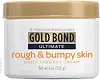 Key Ingredients
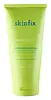
Benefits
Concerns
Ingredients Side-by-side
Water
Skin ConditioningGluconolactone
Skin Conditioning







Hydroxyethyl Urea
Humectant
Butyrospermum Parkii Butter Extract
Skin Conditioning

Cetyl Alcohol
Emollient

Ammonium Lactate
Buffering

Petrolatum
Emollient

Potassium Hydroxide
BufferingPropanediol
Solvent
Salicylic Acid
Masking



Dimethicone
Emollient
Glyceryl Stearate
Emollient
Steareth-21
CleansingAloe Barbadensis Leaf Juice
Skin Conditioning

Jojoba Esters
Emollient
Theobroma Cacao Seed Butter
Emollient
Caprylyl Methicone
Skin Conditioning
Polyacrylate Crosspolymer-6
Emulsion StabilisingPPG-3 Benzyl Ether Myristate
EmollientCitrus Limon Fruit Extract
Masking
Citrus Aurantium Dulcis Fruit Extract
MaskingPyrus Malus Fruit Extract
Skin Conditioning
Saccharum Officinarum Extract
MoisturisingZingiber Officinale Root Extract
Masking
Camellia Sinensis Leaf Extract
Antimicrobial
Tocopheryl Acetate
Antioxidant
Magnesium Ascorbyl Phosphate
Antioxidant
Panthenol
Skin Conditioning
Bisabolol
Antioxidant
Polyglyceryl-4 Laurate/Succinate
Stearamidopropyl Pg-Dimonium Chloride Phosphate
Phenoxyethanol
Preservative
Propylene Glycol
Humectant
Hydroxyethylcellulose
Emulsion StabilisingWater, Gluconolactone, Hydroxyethyl Urea, Butyrospermum Parkii Butter Extract, Cetyl Alcohol, Ammonium Lactate, Petrolatum, Potassium Hydroxide, Propanediol, Salicylic Acid, Dimethicone, Glyceryl Stearate, Steareth-21, Aloe Barbadensis Leaf Juice, Jojoba Esters, Theobroma Cacao Seed Butter, Caprylyl Methicone, Polyacrylate Crosspolymer-6, PPG-3 Benzyl Ether Myristate, Citrus Limon Fruit Extract, Citrus Aurantium Dulcis Fruit Extract, Pyrus Malus Fruit Extract, Saccharum Officinarum Extract, Zingiber Officinale Root Extract, Camellia Sinensis Leaf Extract, Tocopheryl Acetate, Magnesium Ascorbyl Phosphate, Panthenol, Bisabolol, Polyglyceryl-4 Laurate/Succinate, Stearamidopropyl Pg-Dimonium Chloride Phosphate, Phenoxyethanol, Propylene Glycol, Hydroxyethylcellulose
Water
Skin ConditioningHydrogenated Castor Oil
Emollient
Glycerin
Humectant
Vitis Vinifera Seed Oil
Emollient
Cocos Nucifera Oil
Masking
Caprylic/Capric Triglyceride
Masking
Glycolic Acid
Buffering

Lactic Acid
Buffering
Cetearyl Alcohol
Emollient
Stearyl Alcohol
Emollient
Sodium Hydroxide
BufferingPropanediol
Solvent
Cetearyl Glucoside
Emulsifying
Betaine
Humectant
Oryza Sativa Bran Extract
Skin Conditioning
Panthenol
Skin Conditioning
Chlorphenesin
Antimicrobial
Helianthus Annuus Extract
Emollient
Bisabolol
Antioxidant
Simmondsia Chinensis Seed Oil
Emollient
Prunus Amygdalus Dulcis Oil
Skin Conditioning
Bambusa Arundinacea Stem Extract
Skin ConditioningLactobacillus/Punica Granatum Fruit Ferment Extract
Antioxidant
Lactobacillus/Pumpkin Fruit Ferment Filtrate
Skin ConditioningAloe Barbadensis Leaf Juice
Skin Conditioning
Allantoin
Skin Conditioning
Tocopherol
Antioxidant
Rosmarinus Officinalis Leaf Extract
AntimicrobialVaccinium Myrtillus Fruit Extract
Skin ConditioningSalix Nigra Bark Extract
Skin ProtectingGlucose
Humectant
Saccharum Officinarum Extract
MoisturisingCitrus Aurantium Dulcis Fruit Extract
MaskingCitrus Limon Fruit Extract
Masking
Leuconostoc/Radish Root Ferment Filtrate
Antimicrobial
Microcitrus Australasica Fruit Extract
Acer Saccharum Extract
Skin ConditioningXanthan Gum
EmulsifyingCaprylyl Glycol
Emollient
Trisodium Ethylenediamine Disuccinate
Potassium Sorbate
Preservative
Citric Acid
Buffering
Phenoxyethanol
Preservative
Water, Hydrogenated Castor Oil, Glycerin, Vitis Vinifera Seed Oil, Cocos Nucifera Oil, Caprylic/Capric Triglyceride, Glycolic Acid, Lactic Acid, Cetearyl Alcohol, Stearyl Alcohol, Sodium Hydroxide, Propanediol, Cetearyl Glucoside, Betaine, Oryza Sativa Bran Extract, Panthenol, Chlorphenesin, Helianthus Annuus Extract, Bisabolol, Simmondsia Chinensis Seed Oil, Prunus Amygdalus Dulcis Oil, Bambusa Arundinacea Stem Extract, Lactobacillus/Punica Granatum Fruit Ferment Extract, Lactobacillus/Pumpkin Fruit Ferment Filtrate, Aloe Barbadensis Leaf Juice, Allantoin, Tocopherol, Rosmarinus Officinalis Leaf Extract, Vaccinium Myrtillus Fruit Extract, Salix Nigra Bark Extract, Glucose, Saccharum Officinarum Extract, Citrus Aurantium Dulcis Fruit Extract, Citrus Limon Fruit Extract, Leuconostoc/Radish Root Ferment Filtrate, Microcitrus Australasica Fruit Extract, Acer Saccharum Extract, Xanthan Gum, Caprylyl Glycol, Trisodium Ethylenediamine Disuccinate, Potassium Sorbate, Citric Acid, Phenoxyethanol
Reviews
Ingredients Explained
These ingredients are found in both products.
Ingredients higher up in an ingredient list are typically present in a larger amount.
Aloe Barbadensis Leaf Juice is the filtered, stabilized liquid pressed from the inner gel of the aloe vera leaf.
In cosmetics, it shows up as either soothing active or a water-replacement base. It is roughly 98-99% water and the last 1-2% is an interesting mix of polysaccharides, amino acids, vitamins, minerals, and enzymes.
The polysaccharides do most of the work: they bind water at the skin surface for a light, non-greasy hydration boost. And one of the polysaccharides, glycomannan, is linked to fibroblast stimulation + collagen synthesis. This is also why aloe has such a long track record in wound and burn healing.
This ingredient is also calming with anti-inflammatory and mild antimicrobial activity, making it a great pick for sensitive, irritated, or post-sun skin.
Realistic expectations matter though; the solid evidence is mostly limited to hydration, soothing, and wound support. Deeper claims about anti-aging or sun protection are not well backed, and science reviews note it does not prevent radiation-induced skin injury.
Because it plays well with almost everything, it's commonly used as a base alongside other actives like niacinamide or vitamin C.
Typical usage concentrations range from 0.5% (where hydration benefits already show up) all the way to 90%+ (where it replaces water as the main base).
The safety for this ingredient is well-establish as well. Overall, this is a great supporting ingredient for those who want a boost in hydration.
Learn more about Aloe Barbadensis Leaf JuiceBisabolol is a gentle skin conditioner, antioxidant, and soothing ingredient.
It's primary claim to fame is soothing and research shows topically applied bisabolol can quiet the chemical messengers that cause your skin to become inflamed, helping to sooth any irritation.
A clinical study found that applying 0.5% bisabolol daily for 8 weeks produced an average 9% decrease in skin pigmentation. Researchers found it can also suppress the process that leads to excess melanin production in skin.
In vitro studies found that bisabolol combined with propylene glycol significantly increased skin permeability by increasing lipid fluidity in the stratum corneum.
You'll likely see use concentrations quite low, usually 0.1-0.2%.
Overall, this is a well-tolerated ingredient that works well in formulas designed for sensitive, reactive, or post-procedure skin.
Learn more about BisabololCitrus Aurantium Dulcis Fruit Extract is more commonly known as the bitter orange. Native to Southeast Asia, this extract is commonly found in both cosmetics and foods.
The bitter orange possesses antibacterial and antioxidant properties.
It can also be mildly exfoliating due to the citric acid, an AHA.
Citrus fruits are rich in flavonoids, alkaloids, and vitamin C.
Learn more about Citrus Aurantium Dulcis Fruit ExtractCitrus Limon Fruit Extract comes from lemons. While lemon extract is exfoliating and antimicrobial, it can also cause skin sensitivity.
Lemons contains antioxidants, which may help with anti-aging. They are also rich in citric acid, an AHA.
And of course, lemons are rich in Vitamin C. Vitamin C helps with skin-brightening and increasing collagen production.
The acidity of lemons may work as an astringent for acne.
However, lemons can also cause skin sensitivity due to its limonene content. It can also increase photosensitivity, or sensitivity to the sun.
This ingredient is also used to add a lemon scent to products.
Learn more about Citrus Limon Fruit ExtractPanthenol is a common ingredient that helps hydrate and soothe the skin. It is found naturally in our skin and hair.
There are two forms of panthenol: D and L.
D-panthenol is also known as dexpanthenol. Most cosmetics use dexpanthenol or a mixture of D and L-panthenol.
Panthenol is famous due to its ability to go deeper into the skin's layers. Using this ingredient has numerous pros (and no cons):
Like hyaluronic acid, panthenol is a humectant. Humectants are able to bind and hold large amounts of water to keep skin hydrated.
This ingredient works well for wound healing. It works by increasing tissue in the wound and helps close open wounds.
Once oxidized, panthenol converts to pantothenic acid. Panthothenic acid is found in all living cells.
This ingredient is also referred to as pro-vitamin B5.
Learn more about PanthenolPhenoxyethanol is one of the most widely used preservatives in skincare (and for good reason!).
It has a large spectrum of antimicrobial activity and especially effective bacteria, yeast, and mold while only having a weak effect on your skin's natural microbiome.
On a cellular level, it disrupts the cell membranes of microbes by poking holes that make the cell leak. This shuts down the chemical reactions the microbe needs to make energy so it can no longer survive.
Another perk of this ingredient is that it stays functional across a wide pH range (3-10).
You'll often see it paired with boosters like Ethylhexylglycerin; one study showed that a 1:9 ratio of Ethylhexylglycerin to Phenoxyethanol damages bacterial membranes as effectively as doubling the Phenoxyethanol concentration on its own.
Typical use concentrations range from 0.3-1% depending on the formula, and this ingredient is capped at 1% int the EU.
Safety-wise, the fear mongering does not hold up to the evidence. The EU's Scientific Committee on Consumer Safety and FDA consider it safe as a preservative at up to 1%, including for children of all ages.
Adverse systemic effects only showed up in animal studies at exposures roughly 200x higher than what people get from cosmetics. And despite its very widespread use, this ingredient is a rare sensitizer and allergic reactions are uncommon.
Learn more about PhenoxyethanolPropanediol is an all-star ingredient. It softens, hydrates, and smooths the skin.
It’s often used to:
Propanediol is not likely to cause sensitivity and considered safe to use. It is derived from corn or petroleum with a clear color and no scent.
Learn more about PropanediolThis ingredient is also called sugarcane extract. It is a moisturizing humectant and has skin soothing properties.
Similar to hyaluronic acid, sugarcane can attract moisture to your skin.
Glycolic acid is a derivative of sugarcane. While glycolic acid is an AHA with exfoliating properties, sugarcane is not an AHA.
A study from 2021 found the compounds in sugarcane extract to have antioxidant, antimicrobial, and anti-inflammatory activity. The study also suggests these compounds can inhibit skin ageing enzymes and promote collagen synthesis.
Learn more about Saccharum Officinarum ExtractWater. It's the most common cosmetic ingredient of all. You'll usually see it at the top of ingredient lists, meaning that it makes up the largest part of the product.
So why is it so popular? Water most often acts as a solvent - this means that it helps dissolve other ingredients into the formulation.
You'll also recognize water as that liquid we all need to stay alive. If you see this, drink a glass of water. Remember to stay hydrated!
Learn more about Water

