
What's inside
What's inside
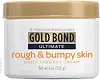 Key Ingredients
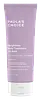
Benefits
Concerns
Ingredients Side-by-side
Water
Skin ConditioningGluconolactone
Chelating







Hydroxyethyl Urea
Humectant
Butyrospermum Parkii Butter Extract
Skin Conditioning

Cetyl Alcohol
Emollient

Ammonium Lactate
Buffering

Petrolatum
Emollient

Potassium Hydroxide
BufferingPropanediol
Solvent
Salicylic Acid
Masking



Dimethicone
Emollient
Glyceryl Stearate
Emollient
Steareth-21
CleansingAloe Barbadensis Leaf Juice
Skin Conditioning

Jojoba Esters
Emollient
Theobroma Cacao Seed Butter
Emollient
Caprylyl Methicone
Skin Conditioning
Polyacrylate Crosspolymer-6
Emulsion StabilisingPPG-3 Benzyl Ether Myristate
EmollientCitrus Limon Fruit Extract
Masking
Citrus Aurantium Dulcis Fruit Extract
MaskingPyrus Malus Fruit Extract
Skin Conditioning
Saccharum Officinarum Extract
MoisturisingZingiber Officinale Root Extract
Masking
Camellia Sinensis Leaf Extract
Antimicrobial
Tocopheryl Acetate
Antioxidant
Magnesium Ascorbyl Phosphate
Antioxidant
Panthenol
Skin Conditioning
Bisabolol
Antioxidant
Polyglyceryl-4 Laurate/Succinate
Stearamidopropyl Pg-Dimonium Chloride Phosphate
Phenoxyethanol
Preservative
Propylene Glycol
Humectant
Hydroxyethylcellulose
Emulsion StabilisingWater, Gluconolactone, Hydroxyethyl Urea, Butyrospermum Parkii Butter Extract, Cetyl Alcohol, Ammonium Lactate, Petrolatum, Potassium Hydroxide, Propanediol, Salicylic Acid, Dimethicone, Glyceryl Stearate, Steareth-21, Aloe Barbadensis Leaf Juice, Jojoba Esters, Theobroma Cacao Seed Butter, Caprylyl Methicone, Polyacrylate Crosspolymer-6, PPG-3 Benzyl Ether Myristate, Citrus Limon Fruit Extract, Citrus Aurantium Dulcis Fruit Extract, Pyrus Malus Fruit Extract, Saccharum Officinarum Extract, Zingiber Officinale Root Extract, Camellia Sinensis Leaf Extract, Tocopheryl Acetate, Magnesium Ascorbyl Phosphate, Panthenol, Bisabolol, Polyglyceryl-4 Laurate/Succinate, Stearamidopropyl Pg-Dimonium Chloride Phosphate, Phenoxyethanol, Propylene Glycol, Hydroxyethylcellulose
Water
Skin ConditioningButylene Glycol
Humectant
Cetyl Alcohol
Emollient
PPG-14 Butyl Ether
Skin ConditioningSalicylic Acid
Masking
Dimethicone
Emollient
Tocopheryl Acetate
Antioxidant
Chamomilla Recutita Flower Extract
Masking
Epilobium Angustifolium Extract
Skin ConditioningCamellia Oleifera Leaf Extract
AstringentVanilla Planifolia Fruit Extract
Skin Conditioning
Bisabolol
Antioxidant
Allantoin
Skin Conditioning
Cyclopentasiloxane
Emollient
Cyclohexasiloxane
Emollient
Dimethiconol
Emollient
PEG-40 Stearate
Emulsifying
Sorbitan Stearate
Emulsifying
Pvm/Ma Decadiene Crosspolymer
Polyacrylamide
C13-14 Isoparaffin
Emollient
Laureth-7
EmulsifyingDisodium EDTA
ChelatingSodium Hydroxide
BufferingHexylene Glycol
EmulsifyingCaprylyl Glycol
Emollient
Caprylic/Capric Triglyceride
Masking
Ethylhexylglycerin
Skin ConditioningPhenoxyethanol
Preservative
Water, Butylene Glycol, Cetyl Alcohol, PPG-14 Butyl Ether, Salicylic Acid, Dimethicone, Tocopheryl Acetate, Chamomilla Recutita Flower Extract, Epilobium Angustifolium Extract, Camellia Oleifera Leaf Extract, Vanilla Planifolia Fruit Extract, Bisabolol, Allantoin, Cyclopentasiloxane, Cyclohexasiloxane, Dimethiconol, PEG-40 Stearate, Sorbitan Stearate, Pvm/Ma Decadiene Crosspolymer, Polyacrylamide, C13-14 Isoparaffin, Laureth-7, Disodium EDTA, Sodium Hydroxide, Hexylene Glycol, Caprylyl Glycol, Caprylic/Capric Triglyceride, Ethylhexylglycerin, Phenoxyethanol
Reviews
Ingredients Explained
These ingredients are found in both products.
Ingredients higher up in an ingredient list are typically present in a larger amount.
Bisabolol is a gentle skin conditioner, antioxidant, and soothing ingredient.
It's primary claim to fame is soothing and research shows topically applied bisabolol can quiet the chemical messengers that cause your skin to become inflamed, helping to sooth any irritation.
A clinical study found that applying 0.5% bisabolol daily for 8 weeks produced an average 9% decrease in skin pigmentation. Researchers found it can also suppress the process that leads to excess melanin production in skin.
In vitro studies found that bisabolol combined with propylene glycol significantly increased skin permeability by increasing lipid fluidity in the stratum corneum.
You'll likely see use concentrations quite low, usually 0.1-0.2%.
Overall, this is a well-tolerated ingredient that works well in formulas designed for sensitive, reactive, or post-procedure skin.
Learn more about BisabololCetyl Alcohol is a fatty alcohol. Fatty Alcohols are most often used as an emollient or to thicken a product.
Its main roles are:
Though it has "alcohol" in the name, it is not related to denatured alcohol or ethyl alcohol.
The FDA allows products labeled "alcohol-free" to have fatty alcohols.
This ingredient may not be fungal acne safe. It is a primary fatty alcohol with a chain length above 12 carbons. A study from 2019 show Malassezia can feed on fatty alcohols in this range, so it may trigger fungal acne in those prone to it.
Learn more about Cetyl AlcoholDimethicone is a type of synthetic silicone created from natural materials such as quartz. It is also known as polydimethylsiloxane.
What it does:
Dimethicone comes in different viscosities:
Depending on the viscosity, dimethicone has different properties.
Ingredients lists don't always show which type is used, so we recommend reaching out to the brand if you have questions about the viscosity.
This ingredient is unlikely to cause irritation because it does not get absorbed into skin. However, people with silicone allergies should be careful about using this ingredient.
Note: Dimethicone may contribute to pilling. This is because it is not oil or water soluble, so pilling may occur when layered with products. When mixed with heavy oils in a formula, the outcome is also quite greasy.
Learn more about DimethiconePhenoxyethanol is one of the most widely used preservatives in skincare (and for good reason!).
It has a large spectrum of antimicrobial activity and especially effective bacteria, yeast, and mold while only having a weak effect on your skin's natural microbiome.
On a cellular level, it disrupts the cell membranes of microbes by poking holes that make the cell leak. This shuts down the chemical reactions the microbe needs to make energy so it can no longer survive.
Another perk of this ingredient is that it stays functional across a wide pH range (3-10).
You'll often see it paired with boosters like Ethylhexylglycerin; one study showed that a 1:9 ratio of Ethylhexylglycerin to Phenoxyethanol damages bacterial membranes as effectively as doubling the Phenoxyethanol concentration on its own.
Typical use concentrations range from 0.3-1% depending on the formula, and this ingredient is capped at 1% int the EU.
Safety-wise, the fear mongering does not hold up to the evidence. The EU's Scientific Committee on Consumer Safety and FDA consider it safe as a preservative at up to 1%, including for children of all ages.
Adverse systemic effects only showed up in animal studies at exposures roughly 200x higher than what people get from cosmetics. And despite its very widespread use, this ingredient is a rare sensitizer and allergic reactions are uncommon.
Learn more about PhenoxyethanolSalicylic Acid (also known as beta hydroxy acid or BHA) is a well-known ingredient for treating skin that struggles with acne and clogged pores. It exfoliates both the skin's surface and deep within the pores to help clear out buildup, control oil, and reduce inflammation.
Unlike AHAs (alpha hydroxy acids), salicylic acid is oil-soluble. This allows it to penetrate into pores which makes it especially effective for treating blackheads and preventing future breakouts.
Salicylic acid is also known for its soothing properties. It has a similar structure to aspirin and can calm inflamed or irritated skin, making it a good option for acne-prone skin that is also sensitive.
Concentrations of 0.5-2% are recognized by the U.S. FDA as an over-the-counter topical acne product.
It can cause irritation and/or dryness if one's skin already has a compromised moisture barrier, so it's best to focus on repairing that before introducing this ingredient into your routine.
While salicylic acid does not increase sun sensitivity, it’s still important to wear sunscreen daily to protect your skin.
If you are looking for the ingredient called BHA or Butylated Hydroxyanisole, click here.
Learn more about Salicylic AcidTocopheryl Acetate is a stable, shelf-friendly form of vitamin E.
Formulators love it because plain vitamin E oxidizes quickly once it hits air. This acetate version stays stable and resists going off, helping to extend a product's shelf life.
It's actually inactive on its own and works like a slow-release "storage" form; the enzymes in your skin called esterases gradually convert it into active vitamin E over time.
One in vivo study showed 5% of the acetate in the living layer of the epidermis converted to vitamin E after 5 days of application. This study also found the skin gained protection against UV damage even though the conversion was slow and small.
Once converted, vitamin E acts as a skin's main fat-soluble antioxidant that fights free radicals to protect skin from damage.
Topical vitamin E generally boosts the skin's photoprotection, and it reduced UV-damage in animal models.
This ingredient has some brightening potential but it's more of a prevention ingredient than spot-fader. Cell studies show it can slow down melanin production but it's worth noting that it's not the most powerful brightener out there.
Overall, it has a pretty solid safety profile and has been found to be non-irritating and non-comedogenic. Allergic reactions may happen but stay rare due to how widely the ingredient gets used.
The concentration will vary depending on the formula; industry data shows 0.1% in baby lotions, 3% in lipsticks, and 5% in foot powders. You can also find this ingredient at 100% in a pure vitamin E oil.
Most leave-on skincare keeps it at the lower end, often between 0.5-1%.
Learn more about Tocopheryl AcetateWater. It's the most common cosmetic ingredient of all. You'll usually see it at the top of ingredient lists, meaning that it makes up the largest part of the product.
So why is it so popular? Water most often acts as a solvent - this means that it helps dissolve other ingredients into the formulation.
You'll also recognize water as that liquid we all need to stay alive. If you see this, drink a glass of water. Remember to stay hydrated!
Learn more about Water

