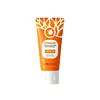
This brightening exfoliator is formulated around Niacinamide and 3-O-Ethyl Ascorbic Acid to brighten dull-looking skin and refine skin texture.
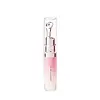
This lip moisturizer is formulated around Ascorbyl Tetraisopalmitate and Palmitoyl Tripeptide-1 to hydrate lips.


What's inside
What's inside
 Key Ingredients
Benefits
Concerns
Ingredients Side-by-side
Water
Skin ConditioningCarbomer
Emulsion StabilisingDipropylene Glycol
HumectantDodecylbenzyltrimonium Chloride
AntimicrobialPEG-40 Hydrogenated Castor Oil
Emulsifying


Parfum
Masking



Ethylhexylglycerin
Skin ConditioningLactose
HumectantCitrus Aurantium Dulcis Peel Oil
Masking
Lactobacillus/Soymilk Ferment Filtrate
Skin ConditioningPseudoalteromonas Ferment Extract
Humectant
Bacillus/Soybean Ferment Extract
Skin ConditioningNiacinamide
Smoothing










3-O-Ethyl Ascorbic Acid
Skin Conditioning
Glutathione
Pearl Extract
Antioxidant
Salicylic Acid
Masking


Hamamelis Virginiana Water
Astringent
Glycolic Acid
Buffering

Lactic Acid
Buffering
Sea Salt
Abrasive
Jojoba Esters
Emollient
Titanium Dioxide
Cosmetic Colorant

Tocopheryl Acetate
Antioxidant
Ascorbyl Palmitate
Antioxidant
Carnosine
Skin Conditioning
Glycyrrhiza Glabra Root
Skin ConditioningFolic Acid
Skin ConditioningCynanchum Atratum Extract
Skin ConditioningCeramide As
Skin Conditioning

Ceramide Ns
Skin Conditioning
Ceramide Ng
Skin Conditioning
Ceramide AP
Skin Conditioning
Ceramide EOP
Skin Conditioning
Sodium Hyaluronate
Humectant
Cellulose
Absorbent
Microcrystalline Cellulose
AbsorbentCI 77891
Cosmetic ColorantCI 77499
Cosmetic ColorantMannitol
Humectant
Hydroxypropyl Methylcellulose
Emulsion StabilisingHydrogenated Lecithin
Emulsifying
Zea Mays Starch
Absorbent
Disodium EDTA
Mica
Cosmetic ColorantEthylcellulose
PEG-150
HumectantCI 77492
Cosmetic ColorantAcrylates/C10-30 Alkyl Acrylate Crosspolymer
Emulsion StabilisingPhenoxyethanol
Preservative
Butylene Glycol
Humectant
1,2-Hexanediol
Skin Conditioning
Methylparaben
Preservative
Caprylyl Glycol
Emollient
Glycerin
Humectant
Pentylene Glycol
Skin Conditioning
Water, Carbomer, Dipropylene Glycol, Dodecylbenzyltrimonium Chloride, PEG-40 Hydrogenated Castor Oil, Parfum, Ethylhexylglycerin, Lactose, Citrus Aurantium Dulcis Peel Oil, Lactobacillus/Soymilk Ferment Filtrate, Pseudoalteromonas Ferment Extract, Bacillus/Soybean Ferment Extract, Niacinamide, 3-O-Ethyl Ascorbic Acid, Glutathione, Pearl Extract, Salicylic Acid, Hamamelis Virginiana Water, Glycolic Acid, Lactic Acid, Sea Salt, Jojoba Esters, Titanium Dioxide, Tocopheryl Acetate, Ascorbyl Palmitate, Carnosine, Glycyrrhiza Glabra Root, Folic Acid, Cynanchum Atratum Extract, Ceramide As, Ceramide Ns, Ceramide Ng, Ceramide AP, Ceramide EOP, Sodium Hyaluronate, Cellulose, Microcrystalline Cellulose, CI 77891, CI 77499, Mannitol, Hydroxypropyl Methylcellulose, Hydrogenated Lecithin, Zea Mays Starch, Disodium EDTA, Mica, Ethylcellulose, PEG-150, CI 77492, Acrylates/C10-30 Alkyl Acrylate Crosspolymer, Phenoxyethanol, Butylene Glycol, 1,2-Hexanediol, Methylparaben, Caprylyl Glycol, Glycerin, Pentylene Glycol
Petrolatum
Emollient
Hydrogenated Polyisobutene
EmollientOctyldodecanol
Emollient
Polyglyceryl-2 Triisostearate
Emulsifying
Triisostearyl Citrate
EmollientC10-30 Cholesterol/Lanosterol Esters
Emulsifying
Ascorbyl Tetraisopalmitate
Antioxidant
Ethylene/Propylene/Styrene Copolymer
Ricinus Communis Seed Oil
Masking
Squalane
Emollient
Dipalmitoyl Hydroxyproline
Skin Conditioning
Sodium Hyaluronate
Humectant
Butyrospermum Parkii Butter
Skin Conditioning
Tocopherol
Antioxidant
Hydrogenated Castor Oil
Emollient
Palmitoyl Tripeptide-1
Skin Conditioning
Ceramide NP
Skin Conditioning
Ceramide Ns
Skin Conditioning
Ceramide As
Skin Conditioning
Ceramide EOP
Skin Conditioning
Ceramide AP
Skin Conditioning
Parfum
Masking
Butylene/Ethylene/Styrene Copolymer
Ethylhexyl Palmitate
Emollient
Disodium EDTA
Tribehenin
Emollient
Sorbitan Isostearate
Emulsifying
Pentaerythrityl Tetra-Di-T-Butyl Hydroxyhydrocinnamate
Antioxidant
Glycerin
Humectant
Hydrogenated Lecithin
Emulsifying
Petrolatum, Hydrogenated Polyisobutene, Octyldodecanol, Polyglyceryl-2 Triisostearate, Triisostearyl Citrate, C10-30 Cholesterol/Lanosterol Esters, Ascorbyl Tetraisopalmitate, Ethylene/Propylene/Styrene Copolymer, Ricinus Communis Seed Oil, Squalane, Dipalmitoyl Hydroxyproline, Sodium Hyaluronate, Butyrospermum Parkii Butter, Tocopherol, Hydrogenated Castor Oil, Palmitoyl Tripeptide-1, Ceramide NP, Ceramide Ns, Ceramide As, Ceramide EOP, Ceramide AP, Parfum, Butylene/Ethylene/Styrene Copolymer, Ethylhexyl Palmitate, Disodium EDTA, Tribehenin, Sorbitan Isostearate, Pentaerythrityl Tetra-Di-T-Butyl Hydroxyhydrocinnamate, Glycerin, Hydrogenated Lecithin
Reviews
Ingredients Explained
These ingredients are found in both products.
Ingredients higher up in an ingredient list are typically present in a larger amount.
Ceramide AP is is a skin-identical lipid that mimics what your skin already makes naturally. Ceramides help maintain epidermal integrity and barrier function.
You'll often see this ingredient paired with other ceramides (like ceramide NP), cholesterol, or fatty acids because this combination best mimics the natural lipid mix your skin already has.
The skin's ability to produce ceramides gets disrupted in skin conditions like eczema. This in turn weakens the skin barrier and applying ceramides topically has been shown to replenish what's been lost to restore barrier function.
Most of the studies with Ceramide AP test it as part of a multi-ceramide complex; studies reinforce ceramide AP's role in rebalancing ceramides in skin and improving skin hydration.
Learn more about Ceramide APCeramide AS is formally known as Ceramides 4 and 5.
Ceramides are intercellular lipids naturally found in our skin that bonds dead skin cells together to create a barrier. They are known for their ability to hold water and thus are a great ingredient for dry skin.
Ceramide EOP is formally known as Ceramide 1.
It is naturally found in skin and part of the intercellular "mortar" holding everything together in your outermost layer.
EOP stands for a linked Ester fatty acid, a linked Omega hydroxy fatty acid, and the Phytosphingosine base.
What makes Ceramide EOP special is its ultra-long fatty acid chain; this unique structure allows it to bridge the lipid layers in your skin barrier to prevent water loss (something no other ceramide can do).
Low levels of Ceramide EOP have been found in people with eczema and psoriasis.
Using it together with other ceramides, cholesterol, and linoleic acid have been shown to meaningfully improve hydration and reduce water loss.
In one clinical study, a regimen using Ceramide EOP, NP, and AP led to significant symptom improvements in patients with eczema, psoriasis, and dry skin in just 4 weeks.
You'll usually see concentrations between 0.1-0.5% in formulations. Overall, this is a well-tolerated and safe ingredient for cosmetic use.
Learn more about Ceramide EOPCeramide NS is formally known as Ceramide 2. It is one of the major ceramides in the stratum corneum (outermost layer of skin) plays a role in forming a protective barrier.
Due to its structure, skin lipids can be packed tightly and in turn, this strengthens the barrier and reduces water loss.
Studies show conditions like atopic dermatitis can worsen when ceramide NS levels are low.
Learn more about Ceramide NsDisodium EDTA is a chelating agent. It grabs onto and deactivates metal ions that sneak into your products from water, packaging, or air.
This ingredient mainly works behind the scenes and helps with:
On top of that, this ingredient can counteract the effects of hard water by binding to the minerals in it.
One thing worth knowing is that Disodium EDTA has been shown to be a mild penetration enhancer. It can help other ingredients absorb into skin more effectively which can be a double-edged sword (great for actives, but can also make the active too strong if you have sensitive skin).
Clinical patch testing showed no significant skin irritation at typical use concentrations and minimal dermal absorption.
You'll most likely see this ingredient near the end of an ingredient list. It's typically found in concentrations less than 1%.
Learn more about Disodium EDTAGlycerin (or glycerol) is a compound naturally found in your skin. It's a powerhouse humectant that pulls water into the stratum corneum.
Topically, glycerin does several things at once:
Your skin makes glycerin on its own (mostly from sebaceous oil breakdown) and shuttles it to your outermost layer of skin, or your epidermis, via aquaporin-3.
Aquaporin-3 is a transporter that is essential for normal skin hydration, elasticity, and repair. Interestingly, mice lacking in AQP3 have dry and less elastic skin that can be fully corrected with glycerin.
This ingredient is non-irritating, plays well with almost every ingredient, and works across all skin types. Typical use is anywhere between 3-10% but can go up to 79% in some leave-on products.
Just know very high concentrations (>40%) can feel tacky in low humidity.
Glycerin is the name for this ingredient in American English. British English uses Glycerol/Glycerine.
Learn more about GlycerinHydrogenated Lecithin is a more stable version of lecithin.
It's made by taking lecithin (a phospholipid commonly found in soybeans and egg yolks) and hydrogenating it. This just means the unsaturated fatty acids are turned into saturated ones so they don't go bad as easily.
This ingredient is an emollient, emulsifier, and penetration enhancer. As an emollient, it helps soften and hydrate skin by trapping moisture within. As an emulsifier, it prevents oil and water ingredients from separating.
Hydrogenated Lecithin can form tiny spherical structures made of phospholipid bilayers called liposomes. These liposomes are able to capture compounds inside their structure and deliver them through the skin barrier.
Because phospholipids are a natural component of our cell membranes, this ingredient is inherently compatible with skin.
A 2021 study found lecithin-based surfactants were less harsh and more tolerable comared to Sodium Lauryl Sulfate (SLS).
Learn more about Hydrogenated LecithinParfum is a catch-all term for an ingredient or more that is used to give a scent to products.
Also called "fragrance", this ingredient can be a blend of hundreds of chemicals or plant oils. This means every product with "fragrance" or "parfum" in the ingredients list is a different mixture.
For instance, Habanolide is a proprietary trade name for a specific aroma chemical. When used as a fragrance ingredient in cosmetics, most aroma chemicals fall under the broad labeling category of “FRAGRANCE” or “PARFUM” according to EU and US regulations.
The term 'parfum' or 'fragrance' is not regulated in many countries. In many cases, it is up to the brand to define this term.
For instance, many brands choose to label themselves as "fragrance-free" because they are not using synthetic fragrances. However, their products may still contain ingredients such as essential oils that are considered a fragrance by INCI standards.
One example is Calendula flower extract. Calendula is an essential oil that still imparts a scent or 'fragrance'.
Depending on the blend, the ingredients in the mixture can cause allergies and sensitivities on the skin. Some ingredients that are known EU allergens include linalool and citronellol.
Parfum can also be used to mask or cover an unpleasant scent.
The bottom line is: not all fragrances/parfum/ingredients are created equally. If you are worried about fragrances, we recommend taking a closer look at an ingredient. And of course, we always recommend speaking with a professional.
Learn more about ParfumSodium Hyaluronate is the salt form of hyaluronic acid. It is a long sugar chain that is naturally found in your skin, joints, and connective tissue that maintains hydration and elasticity.
In skincare, it works as a humectant. It pulls water from the environment and deeper layers of skin and binds it to the surface.
Interestingly, the size of the molecule affects its behavior:
Some clinical evidence links low molecular weight versions to improved wrinkle depth, elasticity, anti-inflammatory effects, and barrier repair.
Many serums use a blend of both weights so you can get surface hydration plus longer-lasting and deeper effects.
You'll typically see concentrations between 0.1-2% for this ingredient.
Learn more about Sodium Hyaluronate

