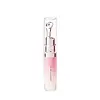
This lip moisturizer is formulated around Ascorbyl Tetraisopalmitate and Palmitoyl Tripeptide-1 to hydrate lips.
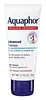
This barrier-repair moisturizer is formulated around Petrolatum and Panthenol to strengthen the skin barrier and hydrate skin.


What's inside
What's inside
 Key Ingredients
Benefits
Concerns
Ingredients Side-by-side
Petrolatum
Emollient



Hydrogenated Polyisobutene
EmollientOctyldodecanol
Emollient
Polyglyceryl-2 Triisostearate
Emulsifying

Triisostearyl Citrate
EmollientC10-30 Cholesterol/Lanosterol Esters
Emulsifying
Ascorbyl Tetraisopalmitate
Antioxidant


Ethylene/Propylene/Styrene Copolymer
Ricinus Communis Seed Oil
Masking
Squalane
Emollient

Dipalmitoyl Hydroxyproline
Skin Conditioning
Sodium Hyaluronate
Humectant

Butyrospermum Parkii Butter
Skin Conditioning

Tocopherol
Antioxidant

Hydrogenated Castor Oil
Emollient
Palmitoyl Tripeptide-1
Skin Conditioning


Ceramide NP
Skin Conditioning

Ceramide Ns
Skin Conditioning
Ceramide As
Skin Conditioning
Ceramide EOP
Skin Conditioning
Ceramide AP
Skin Conditioning
Parfum
Masking
Butylene/Ethylene/Styrene Copolymer
Ethylhexyl Palmitate
Emollient
Disodium EDTA
ChelatingTribehenin
Emollient
Sorbitan Isostearate
Emulsifying
Pentaerythrityl Tetra-Di-T-Butyl Hydroxyhydrocinnamate
Antioxidant
Glycerin
Humectant
Hydrogenated Lecithin
Emulsifying
Petrolatum, Hydrogenated Polyisobutene, Octyldodecanol, Polyglyceryl-2 Triisostearate, Triisostearyl Citrate, C10-30 Cholesterol/Lanosterol Esters, Ascorbyl Tetraisopalmitate, Ethylene/Propylene/Styrene Copolymer, Ricinus Communis Seed Oil, Squalane, Dipalmitoyl Hydroxyproline, Sodium Hyaluronate, Butyrospermum Parkii Butter, Tocopherol, Hydrogenated Castor Oil, Palmitoyl Tripeptide-1, Ceramide NP, Ceramide Ns, Ceramide As, Ceramide EOP, Ceramide AP, Parfum, Butylene/Ethylene/Styrene Copolymer, Ethylhexyl Palmitate, Disodium EDTA, Tribehenin, Sorbitan Isostearate, Pentaerythrityl Tetra-Di-T-Butyl Hydroxyhydrocinnamate, Glycerin, Hydrogenated Lecithin
Reviews
Ingredients Explained
These ingredients are found in both products.
Ingredients higher up in an ingredient list are typically present in a larger amount.
Glycerin (or glycerol) is a compound naturally found in your skin. It's a powerhouse humectant that pulls water into the stratum corneum.
Topically, glycerin does several things at once:
Your skin makes glycerin on its own (mostly from sebaceous oil breakdown) and shuttles it to your outermost layer of skin, or your epidermis, via aquaporin-3.
Aquaporin-3 is a transporter that is essential for normal skin hydration, elasticity, and repair. Interestingly, mice lacking in AQP3 have dry and less elastic skin that can be fully corrected with glycerin.
This ingredient is non-irritating, plays well with almost every ingredient, and works across all skin types. Typical use is anywhere between 3-10% but can go up to 79% in some leave-on products.
Just know very high concentrations (>40%) can feel tacky in low humidity.
Glycerin is the name for this ingredient in American English. British English uses Glycerol/Glycerine.
Learn more about GlycerinPetrolatum is more commonly known as petroleum jelly. It is created by mixing waxes and mineral oils.
This ingredient is effective at reducing water loss by 99%. This is because it is an occlusive. Occlusives create a hydrophobic barrier on the skin to prevent evaporation. This property makes it great for hydrating dry skin.
Pro tip: Use occlusives, such as this ingredient, on damp skin for the best results.
The quality or origin of petrolatum is only known when disclosed by the brand. Most cosmetic petrolatum has gone through several purification stages.
Another benefit of occlusives is it protects your skin against infection or allergies.
Petrolatum is fungal acne safe. It is a hydrocarbon with no fatty acid structure, so Malassezia cannot metabolize it. In-vitro studies support negligible growth stimulation as well.
It's also worth noting that petrolatum has a comedogenic rating of 0. In updated rabbit ear testing (and in human testing), petrolatum was found to be not comedogenic. This means it didn’t promote comedone formation in standard models.
Learn more about Petrolatum

