

What's inside
What's inside
 Key Ingredients
Benefits
Concerns
Ingredients Side-by-side
Water
Skin ConditioningPropylheptyl Caprylate
EmollientGlycerin
Humectant


Butylene Glycol
Humectant
Hydroxyethyl Acrylate/Sodium Acryloyldimethyl Taurate Copolymer
Emulsion StabilisingC15-19 Alkane
SolventDicaprylyl Carbonate
EmollientSucrose Palmitate
Emollient1,2-Hexanediol
Skin Conditioning
CI 77163
Cosmetic Colorant

Hydrolyzed Sodium Hyaluronate
Skin Conditioning
Parfum
Masking


Silica
Abrasive


Carbomer
Emulsion StabilisingSodium Benzoate
Masking
Glyceryl Linoleate
Emollient
Tocopheryl Acetate
Antioxidant


Levulinic Acid
Perfuming
Sodium Hyaluronate
Humectant


Xanthan Gum
EmulsifyingPolysorbate 60
Emulsifying
Sorbitan Isostearate
Emulsifying
Sodium Levulinate
Skin ConditioningStearalkonium Hectorite
Gel FormingSodium Hydroxide
BufferingBiosaccharide Gum-1
Humectant
Sodium Phytate
Adenosine
Skin Conditioning
Benzyl Alcohol
Perfuming


Pentylene Glycol
Skin Conditioning
Propylene Carbonate
SolventSodium Hyaluronate Crosspolymer
Humectant
Glyceryl Caprylate
EmollientCitric Acid
Buffering
Potassium Sorbate
Preservative
Prunus Amygdalus Dulcis Oil
Skin Conditioning
Sodium Chloride
MaskingP-Anisic Acid
Masking
Tocopherol
Antioxidant
Glucose
Humectant
Phenoxyethanol
Preservative
Potassium Chloride
Calcium Chloride
AstringentMagnesium Sulfate
Glutamine
Skin ConditioningSodium Phosphate
BufferingAscorbic Acid
Antioxidant

Sodium Acetate
BufferingLysine Hcl
Skin Conditioning
Arginine Hcl
Skin ConditioningAlanine
Masking
Histidine Hcl
Skin ConditioningValine
MaskingLeucine
Skin ConditioningThreonine
Isoleucine
Skin ConditioningTryptophan
MaskingPhenylalanine
Masking
Tyrosine
MaskingGlycine
Buffering
Polysorbate 80
Emulsifying
Serine
Masking
Cystine
MaskingCyanocobalamin
Skin ConditioningGlutathione
Asparagine
MaskingAspartic Acid
Masking
Ornithine Hcl
Skin ConditioningGlutamic Acid
Humectant
Nicotinamide Adenine Dinucleotide
Skin ConditioningProline
Skin Conditioning
Methionine
Skin ConditioningTaurine
BufferingHydroxyproline
Skin ConditioningGlucosamine Hcl
Coenzyme A
Skin ConditioningSodium Glucuronate
HumectantThiamine Diphosphate
Skin ConditioningRetinyl Acetate
Skin Conditioning
Inositol
Humectant
Niacin
SmoothingNiacinamide
Smoothing

Pyridoxine Hcl
Skin ConditioningBiotin
AntiseborrhoeicCalcium Pantothenate
Riboflavin
Cosmetic ColorantSodium Tocopheryl Phosphate
Antioxidant
Thiamine Hcl
MaskingFolic Acid
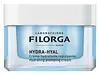
Skin ConditioningWater, Propylheptyl Caprylate, Glycerin, Butylene Glycol, Hydroxyethyl Acrylate/Sodium Acryloyldimethyl Taurate Copolymer, C15-19 Alkane, Dicaprylyl Carbonate, Sucrose Palmitate, 1,2-Hexanediol, CI 77163, Hydrolyzed Sodium Hyaluronate, Parfum, Silica, Carbomer, Sodium Benzoate, Glyceryl Linoleate, Tocopheryl Acetate, Levulinic Acid, Sodium Hyaluronate, Xanthan Gum, Polysorbate 60, Sorbitan Isostearate, Sodium Levulinate, Stearalkonium Hectorite, Sodium Hydroxide, Biosaccharide Gum-1, Sodium Phytate, Adenosine, Benzyl Alcohol, Pentylene Glycol, Propylene Carbonate, Sodium Hyaluronate Crosspolymer, Glyceryl Caprylate, Citric Acid, Potassium Sorbate, Prunus Amygdalus Dulcis Oil, Sodium Chloride, P-Anisic Acid, Tocopherol, Glucose, Phenoxyethanol, Potassium Chloride, Calcium Chloride, Magnesium Sulfate, Glutamine, Sodium Phosphate, Ascorbic Acid, Sodium Acetate, Lysine Hcl, Arginine Hcl, Alanine, Histidine Hcl, Valine, Leucine, Threonine, Isoleucine, Tryptophan, Phenylalanine, Tyrosine, Glycine, Polysorbate 80, Serine, Cystine, Cyanocobalamin, Glutathione, Asparagine, Aspartic Acid, Ornithine Hcl, Glutamic Acid, Nicotinamide Adenine Dinucleotide, Proline, Methionine, Taurine, Hydroxyproline, Glucosamine Hcl, Coenzyme A, Sodium Glucuronate, Thiamine Diphosphate, Retinyl Acetate, Inositol, Niacin, Niacinamide, Pyridoxine Hcl, Biotin, Calcium Pantothenate, Riboflavin, Sodium Tocopheryl Phosphate, Thiamine Hcl, Folic Acid
Water
Skin ConditioningGlycerin
Humectant
Cyclohexasiloxane
Emollient
Squalane
Emollient
Bis-PEG-18 Methyl Ether Dimethyl Silane
EmollientSucrose Stearate
EmollientStearyl Alcohol
Emollient
PEG-8 Stearate
Emulsifying
Myristyl Myristate
Emollient
Pentaerythrityl Tetraethylhexanoate
Emollient
Prunus Armeniaca Kernel Oil
Masking
Phenoxyethanol
Preservative
Persea Gratissima Oil
Skin Conditioning
Glyceryl Stearate
Emollient
Cetyl Alcohol
Emollient
Oryza Sativa Bran Oil
Emollient
Olea Europaea Fruit Oil
Masking
Chlorphenesin
Antimicrobial
Stearic Acid
Cleansing
Palmitic Acid
Emollient
Disodium EDTA
Acrylates/C10-30 Alkyl Acrylate Crosspolymer
Emulsion StabilisingCarbomer
Emulsion StabilisingPrunus Amygdalus Dulcis Oil
Skin Conditioning
Xanthan Gum
EmulsifyingEthylhexylglycerin
Skin ConditioningSodium Hydroxide
BufferingTocopherol
Antioxidant
Glycine Soja Oil
Emollient
Pseudoalteromonas Ferment Extract
Humectant
Myristic Acid
Cleansing
Hydroxypalmitoyl Sphinganine
Skin Conditioning
BHT
Antioxidant
Salicylic Acid
Masking

Citric Acid
Buffering
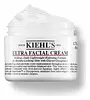
Water, Glycerin, Cyclohexasiloxane, Squalane, Bis-PEG-18 Methyl Ether Dimethyl Silane, Sucrose Stearate, Stearyl Alcohol, PEG-8 Stearate, Myristyl Myristate, Pentaerythrityl Tetraethylhexanoate, Prunus Armeniaca Kernel Oil, Phenoxyethanol, Persea Gratissima Oil, Glyceryl Stearate, Cetyl Alcohol, Oryza Sativa Bran Oil, Olea Europaea Fruit Oil, Chlorphenesin, Stearic Acid, Palmitic Acid, Disodium EDTA, Acrylates/C10-30 Alkyl Acrylate Crosspolymer, Carbomer, Prunus Amygdalus Dulcis Oil, Xanthan Gum, Ethylhexylglycerin, Sodium Hydroxide, Tocopherol, Glycine Soja Oil, Pseudoalteromonas Ferment Extract, Myristic Acid, Hydroxypalmitoyl Sphinganine, BHT, Salicylic Acid, Citric Acid
Reviews
Ingredients Explained
These ingredients are found in both products.
Ingredients higher up in an ingredient list are typically present in a larger amount.
Carbomer is a high-molecular weight polymer of acrylic acid. It is used to form gels and thicken formulas.
Due to its large molecular size, carbomer has minimal skin penetration and is considered an inert ingredient.
A high amount of carbomer can cause pilling or balling up of products. Don't worry, most products contain 1% or less of carbomer.
Learn more about CarbomerCitric Acid is an alpha hydroxy acid (AHA) naturally found in citrus fruits like oranges, lemons, and limes.
Like other AHAs, citric acid can exfoliate skin by breaking down the bonds that hold dead skin cells together. This helps reveal smoother and brighter skin underneath.
However, this exfoliating effect only happens at high concentrations (20%) which can be hard to find in cosmetic products.
Due to this, citric acid is usually included in small amounts as a pH adjuster. This helps keep products slightly more acidic and compatible with skin's natural pH.
In skincare formulas, citric acid can:
While it can provide some skin benefits, research shows lactic acid and glycolic acid are generally more effective and less irritating exfoliants.
Most citric acid used in skincare today is made by fermenting sugars (usually from molasses). This synthetic version is identical to the natural citrus form but easier to stabilize and use in formulations.
Read more about some other popular AHA's here:
Learn more about Citric AcidGlycerin (or glycerol) is a compound naturally found in your skin. It's a powerhouse humectant that pulls water into the stratum corneum.
Topically, glycerin does several things at once:
Your skin makes glycerin on its own (mostly from sebaceous oil breakdown) and shuttles it to your outermost layer of skin, or your epidermis, via aquaporin-3.
Aquaporin-3 is a transporter that is essential for normal skin hydration, elasticity, and repair. Interestingly, mice lacking in AQP3 have dry and less elastic skin that can be fully corrected with glycerin.
This ingredient is non-irritating, plays well with almost every ingredient, and works across all skin types. Typical use is anywhere between 3-10% but can go up to 79% in some leave-on products.
Just know very high concentrations (>40%) can feel tacky in low humidity.
Glycerin is the name for this ingredient in American English. British English uses Glycerol/Glycerine.
Learn more about GlycerinPhenoxyethanol is a preservative that has germicide, antimicrobial, and aromatic properties. Studies show that phenoxyethanol can prevent microbial growth. By itself, it has a scent that is similar to that of a rose.
It's often used in formulations along with Caprylyl Glycol to preserve the shelf life of products.
This ingredient is also known as sweet almond oil. It is a lightweight, cold-pressed oil from the ripe seeds of the sweet almond tree.
Sweet almond oil is rich in skin-nourishing fatty acids such as oleic acid (55-86%) and linolenic acid (7-35%).
As an emollient, it softens and hydrates skin by forming a thin barrier that locks in moisture.
Clinical studies have found it to be non-irritating and non-sensitizing. The CIR Expert Panel has evaluated the available safety data and concluded it is safe for topical use.
Because of the oleic acid content, this ingredient may not be fungal acne safe.
Learn more about Prunus Amygdalus Dulcis OilSodium Hydroxide is also known as lye or caustic soda. It is used to adjust the pH of products; many ingredients require a specific pH to be effective.
In small amounts, sodium hydroxide is considered safe to use. However, large amounts may cause chemical burns due to its high alkaline.
Your skin has a natural pH and acid mantle. This acid mantle helps prevent harmful bacteria from breaking through. The acid mantle also helps keep your skin hydrated.
"Alkaline" refers to a high pH level. A low pH level would be considered acidic.
Learn more about Sodium HydroxideTocopherol is a fat-soluble antioxidant known as Vitamin E.
You'll find this ingredient in the vast majority of skincare (for good reason). It works to neutralize free radicals, or unstable molecules generated by UV exposure, pollution, and other environmental stressors, before they can cause oxidative damage to your skin cells.
Topically applied tocopherol has been shown to protect against UV damage by ramping up the skin's own natural defense enzymes.
It also acts as a skin conditioning agent; some studies show that regular topical use can improve the skin's water-binding capacity over 2-4 weeks.
This ingredient is especially loved for being a team player. When combined with Vitamin C, the photoprotective effect of both ingredients roughly doubles and the combo also helps reduce UV-induced DNA damage.
This ingredient has some brightening potential but it's more of a prevention ingredient than spot-fader. Cell studies show it can slow down melanin production but it's worth noting that it's not the most powerful brightener out there.
In formulations, it also serves as a stabilizer that helps protect other oxidation-prone ingredients from degrading.
Concentrations usually range from 0.1-1% in most leave-on products.
Learn more about TocopherolWater. It's the most common cosmetic ingredient of all. You'll usually see it at the top of ingredient lists, meaning that it makes up the largest part of the product.
So why is it so popular? Water most often acts as a solvent - this means that it helps dissolve other ingredients into the formulation.
You'll also recognize water as that liquid we all need to stay alive. If you see this, drink a glass of water. Remember to stay hydrated!
Learn more about WaterXanthan gum is used as a stabilizer and thickener within cosmetic products. It helps give products a sticky, thick feeling - preventing them from being too runny.
On the technical side of things, xanthan gum is a polysaccharide - a combination consisting of multiple sugar molecules bonded together.
Xanthan gum is a pretty common and great ingredient. It is a natural, non-toxic, non-irritating ingredient that is also commonly used in food products.
Learn more about Xanthan Gum
