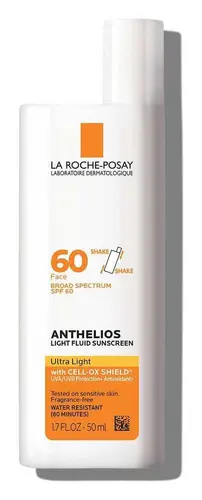
What's inside
What's inside
 Key Ingredients
Benefits
Concerns
Ingredients Side-by-side
Water
Skin ConditioningZinc Oxide
Cosmetic Colorant


C12-15 Alkyl Benzoate
AntimicrobialCentella Asiatica Leaf Water
Skin Conditioning


Propanediol
Solvent
Coco-Caprylate/Caprate
Emollient
Glycerin
Humectant
Methyl Methacrylate Crosspolymer
Silica
Abrasive

Polyhydroxystearic Acid
Emulsifying
Dimethicone/Vinyl Dimethicone Crosspolymer
Skin Conditioning
Pentylene Glycol
Skin Conditioning
1,2-Hexanediol
Skin Conditioning
Dibutyl Adipate
EmollientPanthenol
Skin Conditioning
Hydroxyethyl Acrylate/Sodium Acryloyldimethyl Taurate Copolymer
Emulsion StabilisingTriethoxycaprylylsilane
C14-22 Alcohols
Emulsion Stabilising
Sodium Acrylate/Sodium Acryloyldimethyl Taurate Copolymer
Emulsion StabilisingIsohexadecane
EmollientC12-20 Alkyl Glucoside
EmulsifyingHydroxyacetophenone
Antioxidant
Polyacrylate Crosspolymer-6
Emulsion StabilisingPolyglyceryl-10 Myristate
Skin Conditioning
Tocopheryl Acetate
Antioxidant

Arachidyl Alcohol
Emollient
Polysorbate 80
Emulsifying
Dipotassium Glycyrrhizate
Humectant
Butylene Glycol
Humectant
Behenyl Alcohol
Emollient
Arachidyl Glucoside
EmulsifyingSorbitan Oleate
Emulsifying
Ethylhexylglycerin
Skin ConditioningArginine
Masking
Carbomer
Emulsion StabilisingVitis Vinifera Seed Oil
Emollient
Bisabolol
Antioxidant
Squalane
Emollient
Trehalose
Humectant
Saccharide Isomerate
Humectant
4-T-Butylcyclohexanol
Masking
Sodium Citrate
BufferingCitric Acid
Buffering

Phragmites Karka Extract
Skin ConditioningPoria Cocos Extract
Skin ConditioningSodium Benzoate
Masking
Pantothenic Acid
Skin ConditioningNigella Sativa Seed Oil
Emollient
Water, Zinc Oxide, C12-15 Alkyl Benzoate, Centella Asiatica Leaf Water, Propanediol, Coco-Caprylate/Caprate, Glycerin, Methyl Methacrylate Crosspolymer, Silica, Polyhydroxystearic Acid, Dimethicone/Vinyl Dimethicone Crosspolymer, Pentylene Glycol, 1,2-Hexanediol, Dibutyl Adipate, Panthenol, Hydroxyethyl Acrylate/Sodium Acryloyldimethyl Taurate Copolymer, Triethoxycaprylylsilane, C14-22 Alcohols, Sodium Acrylate/Sodium Acryloyldimethyl Taurate Copolymer, Isohexadecane, C12-20 Alkyl Glucoside, Hydroxyacetophenone, Polyacrylate Crosspolymer-6, Polyglyceryl-10 Myristate, Tocopheryl Acetate, Arachidyl Alcohol, Polysorbate 80, Dipotassium Glycyrrhizate, Butylene Glycol, Behenyl Alcohol, Arachidyl Glucoside, Sorbitan Oleate, Ethylhexylglycerin, Arginine, Carbomer, Vitis Vinifera Seed Oil, Bisabolol, Squalane, Trehalose, Saccharide Isomerate, 4-T-Butylcyclohexanol, Sodium Citrate, Citric Acid, Phragmites Karka Extract, Poria Cocos Extract, Sodium Benzoate, Pantothenic Acid, Nigella Sativa Seed Oil
Water
Skin ConditioningButyl Methoxydibenzoylmethane
UV Absorber
Ethylhexyl Methoxycinnamate
UV Absorber
Butylene Glycol
Humectant
Octocrylene
UV Absorber
Polyacrylate Crosspolymer-11
Emulsion StabilisingSilica
Abrasive
Glycerin
Humectant
Panthenol
Skin Conditioning
Phenoxyethanol
Preservative
Apium Graveolens Extract
Skin ConditioningBiosaccharide Gum-1
Humectant
Honey Extract
Humectant
Centella Asiatica Extract
Cleansing
Bisabolol
Antioxidant
Lecithin
Emollient
Tocopheryl Acetate
Antioxidant
Triethylene Glycol
Masking
1,2-Hexanediol
Skin Conditioning
Avena Sativa Kernel Extract
Abrasive
Lactobacillus Ferment
Skin Conditioning
Sodium Benzoate
Masking
Potassium Sorbate
Preservative
Water, Butyl Methoxydibenzoylmethane, Ethylhexyl Methoxycinnamate, Butylene Glycol, Octocrylene, Polyacrylate Crosspolymer-11, Silica, Glycerin, Panthenol, Phenoxyethanol, Apium Graveolens Extract, Biosaccharide Gum-1, Honey Extract, Centella Asiatica Extract, Bisabolol, Lecithin, Tocopheryl Acetate, Triethylene Glycol, 1,2-Hexanediol, Avena Sativa Kernel Extract, Lactobacillus Ferment, Sodium Benzoate, Potassium Sorbate
Reviews
Ingredients Explained
These ingredients are found in both products.
Ingredients higher up in an ingredient list are typically present in a larger amount.
1,2-Hexanediol is a synthetic liquid and another multi-functional powerhouse.
It is a:
- Humectant, drawing moisture into the skin
- Emollient, helping to soften skin
- Solvent, dispersing and stabilizing formulas
- Preservative booster, enhancing the antimicrobial activity of other preservatives
Bisabolol is a gentle skin conditioner, antioxidant, and soothing ingredient.
It's primary claim to fame is soothing and research shows topically applied bisabolol can quiet the chemical messengers that cause your skin to become inflamed, helping to sooth any irritation.
A clinical study found that applying 0.5% bisabolol daily for 8 weeks produced an average 9% decrease in skin pigmentation. Researchers found it can also suppress the process that leads to excess melanin production in skin.
In vitro studies found that bisabolol combined with propylene glycol significantly increased skin permeability by increasing lipid fluidity in the stratum corneum.
You'll likely see use concentrations quite low, usually 0.1-0.2%.
Overall, this is a well-tolerated ingredient that works well in formulas designed for sensitive, reactive, or post-procedure skin.
Learn more about BisabololButylene Glycol (or BG) is used within cosmetic products for a few different reasons:
Overall, Butylene Glycol is a safe and well-rounded ingredient that works well with other ingredients.
Though this ingredient works well with most skin types, some people with sensitive skin may experience a reaction such as allergic rashes, closed comedones, or itchiness.
Learn more about Butylene GlycolGlycerin (or glycerol) is a compound naturally found in your skin. It's a powerhouse humectant that pulls water into the stratum corneum.
Topically, glycerin does several things at once:
Your skin makes glycerin on its own (mostly from sebaceous oil breakdown) and shuttles it to your outermost layer of skin, or your epidermis, via aquaporin-3.
Aquaporin-3 is a transporter that is essential for normal skin hydration, elasticity, and repair. Interestingly, mice lacking in AQP3 have dry and less elastic skin that can be fully corrected with glycerin.
This ingredient is non-irritating, plays well with almost every ingredient, and works across all skin types. Typical use is anywhere between 3-10% but can go up to 79% in some leave-on products.
Just know very high concentrations (>40%) can feel tacky in low humidity.
Glycerin is the name for this ingredient in American English. British English uses Glycerol/Glycerine.
Learn more about GlycerinPanthenol is a common ingredient that helps hydrate and soothe the skin. It is found naturally in our skin and hair.
There are two forms of panthenol: D and L.
D-panthenol is also known as dexpanthenol. Most cosmetics use dexpanthenol or a mixture of D and L-panthenol.
Panthenol is famous due to its ability to go deeper into the skin's layers. Using this ingredient has numerous pros (and no cons):
Like hyaluronic acid, panthenol is a humectant. Humectants are able to bind and hold large amounts of water to keep skin hydrated.
This ingredient works well for wound healing. It works by increasing tissue in the wound and helps close open wounds.
Once oxidized, panthenol converts to pantothenic acid. Panthothenic acid is found in all living cells.
This ingredient is also referred to as pro-vitamin B5.
Learn more about PanthenolSilica, also known as silicon dioxide, is a naturally occurring mineral. It is used as a fine, spherical, and porous powder in cosmetics.
Though it has exfoliant properties, the function of silica varies depending on the product.
The unique structure of silica enhances the spreadability and adds smoothness, making it a great texture enhancer.
It is also used as an active carrier, emulsifier, and mattifier due to its ability to absorb excess oil.
In some products, tiny microneedles called spicules are made from silica or hydrolyzed sponge. When you rub them in, they lightly polish away dead skin layers and enhance the penetration of active ingredients.
Learn more about SilicaSodium Benzoate is a preservative. It's used in both cosmetic and food products to inhibit the growth of mold and bacteria. It is typically produced synthetically.
Both the US FDA and EU Health Committee have approved the use of sodium benzoate. In the US, levels of 0.1% (of the total product) are allowed.
Sodium benzoate works as a preservative by inhibiting the growth of bacteria inside of cells. It prevents the cell from fermenting a type of sugar using an enzyme called phosphofructokinase.
It is the salt of benzoic acid. Foods containing sodium benzoate include soda, salad dressings, condiments, fruit juices, wines, and snack foods.
Studies for using ascorbic acid and sodium benzoate in cosmetics are lacking, especially in skincare routines with multiple steps.
We always recommend speaking with a professional, such as a dermatologist, if you have any concerns.
Learn more about Sodium BenzoateTocopheryl Acetate is a stable, shelf-friendly form of vitamin E.
Formulators love it because plain vitamin E oxidizes quickly once it hits air. This acetate version stays stable and resists going off, helping to extend a product's shelf life.
It's actually inactive on its own and works like a slow-release "storage" form; the enzymes in your skin called esterases gradually convert it into active vitamin E over time.
One in vivo study showed 5% of the acetate in the living layer of the epidermis converted to vitamin E after 5 days of application. This study also found the skin gained protection against UV damage even though the conversion was slow and small.
Once converted, vitamin E acts as a skin's main fat-soluble antioxidant that fights free radicals to protect skin from damage.
Topical vitamin E generally boosts the skin's photoprotection, and it reduced UV-damage in animal models.
This ingredient has some brightening potential but it's more of a prevention ingredient than spot-fader. Cell studies show it can slow down melanin production but it's worth noting that it's not the most powerful brightener out there.
Overall, it has a pretty solid safety profile and has been found to be non-irritating and non-comedogenic. Allergic reactions may happen but stay rare due to how widely the ingredient gets used.
The concentration will vary depending on the formula; industry data shows 0.1% in baby lotions, 3% in lipsticks, and 5% in foot powders. You can also find this ingredient at 100% in a pure vitamin E oil.
Most leave-on skincare keeps it at the lower end, often between 0.5-1%.
Learn more about Tocopheryl AcetateWater. It's the most common cosmetic ingredient of all. You'll usually see it at the top of ingredient lists, meaning that it makes up the largest part of the product.
So why is it so popular? Water most often acts as a solvent - this means that it helps dissolve other ingredients into the formulation.
You'll also recognize water as that liquid we all need to stay alive. If you see this, drink a glass of water. Remember to stay hydrated!
Learn more about Water