

What's inside
What's inside
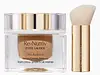 Key Ingredients
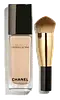
Benefits
Concerns
Ingredients Side-by-side
Water
Skin ConditioningPhenyl Trimethicone
Skin Conditioning
Butylene Glycol
Humectant

Pentaerythrityl Tetraisostearate
Emollient

Dimethicone
Emollient
Caprylic/Capric Triglyceride
Masking
Butyloctyl Salicylate
Skin Conditioning

Glycerin
Humectant
Polyglyceryl-10 Decaoleate
Skin Conditioning
Lauryl PEG-9 Polydimethylsiloxyethyl Dimethicone
Skin Conditioning
Rhodochrosite Extract
Antioxidant
Dextrin Palmitate
Emulsifying
Diisostearyl Malate
EmollientDisteardimonium Hectorite
StabilisingPolymethylsilsesquioxane
Butyrospermum Parkii Butter
Skin Conditioning


Helianthus Annuus Seed Extract
Skin Conditioning
Citrullus Lanatus Fruit Extract
Skin Conditioning
Lens Esculenta Fruit Extract
Skin ConditioningSimmondsia Chinensis Seed Oil
Emollient
Pyrus Malus Fruit Extract
Skin Conditioning
Phoenix Dactylifera Fruit Extract
EmollientHordeum Vulgare Extract
EmollientBrassica Campestris Sterols
EmollientLaminaria Digitata Extract
Skin Protecting
Cucumis Sativus Fruit Extract
Emollient
Narcissus Tazetta Bulb Extract
Astringent

Pearl Powder
Nephrite Powder
Abrasive
Ruby Powder
Skin ConditioningGold
Cosmetic ColorantTocopherol
Antioxidant



Hydrolyzed Wheat Protein
Skin ConditioningOlivine Extract
Skin ConditioningAcetyl Glucosamine
Skin Conditioning
Cetyl PEG/PPG-10/1 Dimethicone
Emulsifying
Dimethicone/Vinyl Dimethicone Crosspolymer
Skin Conditioning
Methyl Trimethicone
Skin Conditioning
Propylene Glycol Dicaprate
EmollientCaprylyl Glycol
Emollient
Cholesterol
Emollient
Triethyl Citrate
Masking

Linoleic Acid
Cleansing
Disodium Stearoyl Glutamate
CleansingSodium Hyaluronate
Humectant
Sodium Lactate
Buffering
Sodium PCA
Humectant
Polyethylene
Abrasive
Hydroxyethyl Urea
Humectant
Magnesium Sulfate
Sapphire Powder
Boron Nitride
Absorbent
Trimethylsiloxysilicate
Emollient
Sorbitan Sesquioleate
Emulsifying
Dimethicone/PEG-10/15 Crosspolymer
Polyphenylsilsesquioxane
Lecithin
Emollient
Dipropylene Glycol
HumectantAluminum Dimyristate
Emulsion StabilisingTriethoxycaprylylsilane
Parfum
Masking
Sodium Metabisulfite
Antioxidant
Hydroxyacetophenone
Antioxidant
Tocopheryl Acetate
Antioxidant
BHT
Antioxidant
Sodium Citrate
BufferingPotassium Sorbate
Preservative
Sodium Benzoate
Masking
Phenoxyethanol
Preservative
Sorbic Acid
Preservative
CI 77891
Cosmetic ColorantMica
Cosmetic ColorantCI 77491
Cosmetic ColorantCI 77492
Cosmetic ColorantCI 77499
Cosmetic ColorantWater, Phenyl Trimethicone, Butylene Glycol, Pentaerythrityl Tetraisostearate, Dimethicone, Caprylic/Capric Triglyceride, Butyloctyl Salicylate, Glycerin, Polyglyceryl-10 Decaoleate, Lauryl PEG-9 Polydimethylsiloxyethyl Dimethicone, Rhodochrosite Extract, Dextrin Palmitate, Diisostearyl Malate, Disteardimonium Hectorite, Polymethylsilsesquioxane, Butyrospermum Parkii Butter, Helianthus Annuus Seed Extract, Citrullus Lanatus Fruit Extract, Lens Esculenta Fruit Extract, Simmondsia Chinensis Seed Oil, Pyrus Malus Fruit Extract, Phoenix Dactylifera Fruit Extract, Hordeum Vulgare Extract, Brassica Campestris Sterols, Laminaria Digitata Extract, Cucumis Sativus Fruit Extract, Narcissus Tazetta Bulb Extract, Pearl Powder, Nephrite Powder, Ruby Powder, Gold, Tocopherol, Hydrolyzed Wheat Protein, Olivine Extract, Acetyl Glucosamine, Cetyl PEG/PPG-10/1 Dimethicone, Dimethicone/Vinyl Dimethicone Crosspolymer, Methyl Trimethicone, Propylene Glycol Dicaprate, Caprylyl Glycol, Cholesterol, Triethyl Citrate, Linoleic Acid, Disodium Stearoyl Glutamate, Sodium Hyaluronate, Sodium Lactate, Sodium PCA, Polyethylene, Hydroxyethyl Urea, Magnesium Sulfate, Sapphire Powder, Boron Nitride, Trimethylsiloxysilicate, Sorbitan Sesquioleate, Dimethicone/PEG-10/15 Crosspolymer, Polyphenylsilsesquioxane, Lecithin, Dipropylene Glycol, Aluminum Dimyristate, Triethoxycaprylylsilane, Parfum, Sodium Metabisulfite, Hydroxyacetophenone, Tocopheryl Acetate, BHT, Sodium Citrate, Potassium Sorbate, Sodium Benzoate, Phenoxyethanol, Sorbic Acid, CI 77891, Mica, CI 77491, CI 77492, CI 77499
Water
Skin ConditioningDimethicone
Emollient
Caprylyl Methicone
Skin Conditioning
Hydrogenated Polyisobutene
EmollientGlycerin
Humectant
Isododecane
EmollientPentylene Glycol
Skin Conditioning
Butylene Glycol
Humectant
Phenyl Trimethicone
Skin Conditioning
Polyglyceryl-2 Triisostearate
Emulsifying
Lauryl PEG-9 Polydimethylsiloxyethyl Dimethicone
Skin Conditioning
Isononyl Isononanoate
EmollientAcrylates/Polytrimethylsiloxymethacrylate Copolymer
Skin ConditioningDimethicone Crosspolymer
Emulsion Stabilising
PEG-10 Dimethicone
Skin Conditioning
Sodium Potassium Aluminum Silicate
Vanilla Planifolia Fruit Water
Skin ConditioningVanilla Planifolia Flower Extract
Skin ConditioningCoco-Caprylate/Caprate
Emollient
Disteardimonium Hectorite
StabilisingAluminum Hydroxide
EmollientPotassium Sorbate
Preservative
Dextrin Isostearate
Skin ConditioningMagnesium Sulfate
Parfum
Masking
Acrylates/Dimethicone Copolymer
Skin Conditioning
Caprylyl Glycol
Emollient
Silica
Abrasive
Propylene Carbonate
SolventPolyquaternium-51
Skin Conditioning
Sodium Acetylated Hyaluronate
Humectant
Triethoxycaprylylsilane
Chlorphenesin
Antimicrobial
Tocopherol
Antioxidant
CI 77007
Cosmetic ColorantCI 77491
Cosmetic ColorantCI 77492
Cosmetic ColorantCI 77499
Cosmetic ColorantCI 77891
Cosmetic ColorantMica
Cosmetic ColorantWater, Dimethicone, Caprylyl Methicone, Hydrogenated Polyisobutene, Glycerin, Isododecane, Pentylene Glycol, Butylene Glycol, Phenyl Trimethicone, Polyglyceryl-2 Triisostearate, Lauryl PEG-9 Polydimethylsiloxyethyl Dimethicone, Isononyl Isononanoate, Acrylates/Polytrimethylsiloxymethacrylate Copolymer, Dimethicone Crosspolymer, PEG-10 Dimethicone, Sodium Potassium Aluminum Silicate, Vanilla Planifolia Fruit Water, Vanilla Planifolia Flower Extract, Coco-Caprylate/Caprate, Disteardimonium Hectorite, Aluminum Hydroxide, Potassium Sorbate, Dextrin Isostearate, Magnesium Sulfate, Parfum, Acrylates/Dimethicone Copolymer, Caprylyl Glycol, Silica, Propylene Carbonate, Polyquaternium-51, Sodium Acetylated Hyaluronate, Triethoxycaprylylsilane, Chlorphenesin, Tocopherol, CI 77007, CI 77491, CI 77492, CI 77499, CI 77891, Mica
Reviews
Ingredients Explained
These ingredients are found in both products.
Ingredients higher up in an ingredient list are typically present in a larger amount.
Butylene Glycol (or BG) is used within cosmetic products for a few different reasons:
Overall, Butylene Glycol is a safe and well-rounded ingredient that works well with other ingredients.
Though this ingredient works well with most skin types, some people with sensitive skin may experience a reaction such as allergic rashes, closed comedones, or itchiness.
Learn more about Butylene GlycolCaprylyl Glycol is a humectant, skin conditioner, emollient, and preservative booster derived from either caprylic acid or synthetically created.
Typical use levels vary from 0.3-1% as a preservative booster and go up to 2% to condition skin.
Because it is not a free-fatty acid, this ingredient is fungal acne safe (there's nothing for Malassezia to feed on).
Learn more about Caprylyl GlycolCi 77491 is also hydrated iron III oxide. It's sole purpose is to give a red/pink hue to products.
Iron III oxides are classified as inorganic chemicals for coloring.
Synthetically created Ci 77491 is considered safer than those naturally found. This is because the synthetically created version may contain less impurities. Iron oxides are generally non-toxic and non-allergenic.
Learn more about CI 77491CI 77492 is also hydrated iron III oxide. It's sole purpose is to give a yellow hue to products.
Iron III oxides are classified as inorganic chemicals for coloring.
Synthetically created CI 77492 is considered safer than those naturally found. This is because the synthetically created version may contain less impurities. Iron oxides are generally non-toxic and non-allergenic.
Learn more about CI 77492Ci 77499 is also hydrated iron III oxide. It is created from mixing red and black iron oxides. This helps give shades of darkness to a product.
Iron III oxides are classified as inorganic chemicals for coloring.
Ci 77891 is a white pigment from Titanium dioxide. It is naturally found in minerals such as rutile and ilmenite.
It's main function is to add a white color to cosmetics. It can also be mixed with other colors to create different shades.
Ci 77891 is commonly found in sunscreens due to its ability to block UV rays.
Learn more about CI 77891Dimethicone is a type of synthetic silicone created from natural materials such as quartz. It is also known as polydimethylsiloxane.
What it does:
Dimethicone comes in different viscosities:
Depending on the viscosity, dimethicone has different properties.
Ingredients lists don't always show which type is used, so we recommend reaching out to the brand if you have questions about the viscosity.
This ingredient is unlikely to cause irritation because it does not get absorbed into skin. However, people with silicone allergies should be careful about using this ingredient.
Note: Dimethicone may contribute to pilling. This is because it is not oil or water soluble, so pilling may occur when layered with products. When mixed with heavy oils in a formula, the outcome is also quite greasy.
Learn more about DimethiconeDisteardimonium Hectorite comes from the clay mineral named hectorite. It is used to add thickness to a product.
It can also help stabilize a product by helping to disperse other ingredients.
Hectorite is a rare, white clay mineral.
Learn more about Disteardimonium HectoriteGlycerin (or glycerol) is a compound naturally found in your skin. It's a powerhouse humectant that pulls water into the stratum corneum.
Topically, glycerin does several things at once:
Your skin makes glycerin on its own (mostly from sebaceous oil breakdown) and shuttles it to your outermost layer of skin, or your epidermis, via aquaporin-3.
Aquaporin-3 is a transporter that is essential for normal skin hydration, elasticity, and repair. Interestingly, mice lacking in AQP3 have dry and less elastic skin that can be fully corrected with glycerin.
This ingredient is non-irritating, plays well with almost every ingredient, and works across all skin types. Typical use is anywhere between 3-10% but can go up to 79% in some leave-on products.
Just know very high concentrations (>40%) can feel tacky in low humidity.
Glycerin is the name for this ingredient in American English. British English uses Glycerol/Glycerine.
Learn more about GlycerinThis is a silicone-polyether copolymer with skin conditioning, emulsifying, texture enhancing, and surfactant properties. It is used to help blend water and silicone based ingredients to improve slip and spreadability.
Due to its large molecular size and hydrophilic-lipophilic structure (it loves both oil and water), this ingredient is minimally absorbed into the skin.
Magnesium Sulfate is a salt. More specifically, it is an epsom salt, or the bath salt used to help relieve muscle aches.
Despite having ‘sulfate’ in the name, it isn’t a surfactant or cleansing agent like sodium lauryl sulfate. Unlike those sulfates, magnesium sulfate doesn’t have the same cleansing or foaming properties (it's simply a type of salt).
In cosmetics, Magnesium Sulfate is used to thicken a product or help dilute other solids. It is a non-reactive and non-irritating ingredient.
One study shows magnesium deficiency may lead to inflammation of the skin. Applying magnesium topically may help reduce inflammation.
You can find this ingredient in sea water or mineral deposits.
Learn more about Magnesium SulfateMica is a naturally occurring mineral used to add shimmer and color in cosmetics. It can also help improve the texture of a product or give it an opaque, white/silver color.
Serecite is the name for very fine but ragged grains of mica.
This ingredient is often coated with metal oxides like titanium dioxide. Trace amounts of heavy metals may be found in mica, but these metals are not harmful in our personal products.
Mica has been used since prehistoric times throughout the world. Ancient Egyptian, Indian, Greek, Roman, Aztec, and Chinese civilizations have used mica.
Learn more about MicaParfum is a catch-all term for an ingredient or more that is used to give a scent to products.
Also called "fragrance", this ingredient can be a blend of hundreds of chemicals or plant oils. This means every product with "fragrance" or "parfum" in the ingredients list is a different mixture.
For instance, Habanolide is a proprietary trade name for a specific aroma chemical. When used as a fragrance ingredient in cosmetics, most aroma chemicals fall under the broad labeling category of “FRAGRANCE” or “PARFUM” according to EU and US regulations.
The term 'parfum' or 'fragrance' is not regulated in many countries. In many cases, it is up to the brand to define this term.
For instance, many brands choose to label themselves as "fragrance-free" because they are not using synthetic fragrances. However, their products may still contain ingredients such as essential oils that are considered a fragrance by INCI standards.
One example is Calendula flower extract. Calendula is an essential oil that still imparts a scent or 'fragrance'.
Depending on the blend, the ingredients in the mixture can cause allergies and sensitivities on the skin. Some ingredients that are known EU allergens include linalool and citronellol.
Parfum can also be used to mask or cover an unpleasant scent.
The bottom line is: not all fragrances/parfum/ingredients are created equally. If you are worried about fragrances, we recommend taking a closer look at an ingredient. And of course, we always recommend speaking with a professional.
Learn more about ParfumPhenyl Trimethicone is a silicon-based polymer. It is derived from silica.
Phenyl Trimethicone is used as an emollient and prevents products from foaming.
As an emollient, it helps trap moisture in the skin. It is considered an occlusive.
Learn more about Phenyl TrimethiconePotassium Sorbate is a preservative used to prevent yeast and mold in products. It is commonly found in both cosmetic and food products.
This ingredient comes from potassium salt derived from sorbic acid. Sorbic acid is a natural antibiotic and effective against fungus.
Both potassium sorbate and sorbic acid can be found in baked goods, cheeses, dried meats, dried fruit, ice cream, pickles, wine, yogurt, and more.
You'll often find this ingredient used with other preservatives.
Learn more about Potassium SorbateTocopherol is a fat-soluble antioxidant known as Vitamin E.
You'll find this ingredient in the vast majority of skincare (for good reason). It works to neutralize free radicals, or unstable molecules generated by UV exposure, pollution, and other environmental stressors, before they can cause oxidative damage to your skin cells.
Topically applied tocopherol has been shown to protect against UV damage by ramping up the skin's own natural defense enzymes.
It also acts as a skin conditioning agent; some studies show that regular topical use can improve the skin's water-binding capacity over 2-4 weeks.
This ingredient is especially loved for being a team player. When combined with Vitamin C, the photoprotective effect of both ingredients roughly doubles and the combo also helps reduce UV-induced DNA damage.
This ingredient has some brightening potential but it's more of a prevention ingredient than spot-fader. Cell studies show it can slow down melanin production but it's worth noting that it's not the most powerful brightener out there.
In formulations, it also serves as a stabilizer that helps protect other oxidation-prone ingredients from degrading.
Concentrations usually range from 0.1-1% in most leave-on products.
Learn more about TocopherolTriethoxycaprylylsilane is a silicon-based surface modifier that makes sunscreens feel silky and makeup stay put.
Its main job is to coat mineral particles like titanium dioxide, zinc oxide, and color pigments in a thin, oily layer so they spread smoothly, don't clump, and stick to skin better.
This ingredient is typically used at low levels (up to 2.5% in eyeshadow and 1% in lipstick).
Learn more about TriethoxycaprylylsilaneWater. It's the most common cosmetic ingredient of all. You'll usually see it at the top of ingredient lists, meaning that it makes up the largest part of the product.
So why is it so popular? Water most often acts as a solvent - this means that it helps dissolve other ingredients into the formulation.
You'll also recognize water as that liquid we all need to stay alive. If you see this, drink a glass of water. Remember to stay hydrated!
Learn more about Water

